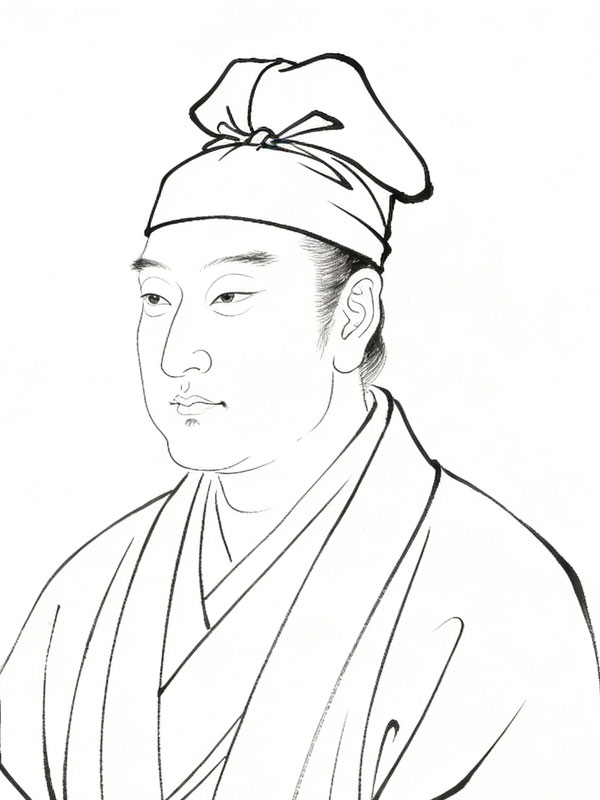
Zhao Yan: The Aristocratic Master of the Five Dynasties
Zhao Yan (died 923 AD), originally named Zhao Lin, was a prominent painter and high-ranking official during the Later Liang period of the Five Dynasties and Ten Kingdoms. As the son-in-law of Emperor Taizu (Zhu Wen), he occupied a position of immense political power and social influence. This elite status allowed him to become one of the most significant art collectors and patrons of his era, amassing a legendary collection of Tang Dynasty masterpieces that profoundly shaped his own artistic vision.
He is historically celebrated as a master of figure painting and horse painting. Unlike many professional painters of the time, Zhao Yan’s work exuded an aristocratic elegance and a refined, scholarly temperament. His style was deeply rooted in the Tang tradition, particularly influenced by masters like Wu Daozi and Han Gan, yet he infused his subjects with a new level of delicacy and secular charm that anticipated the aesthetic shifts of the upcoming Song Dynasty.
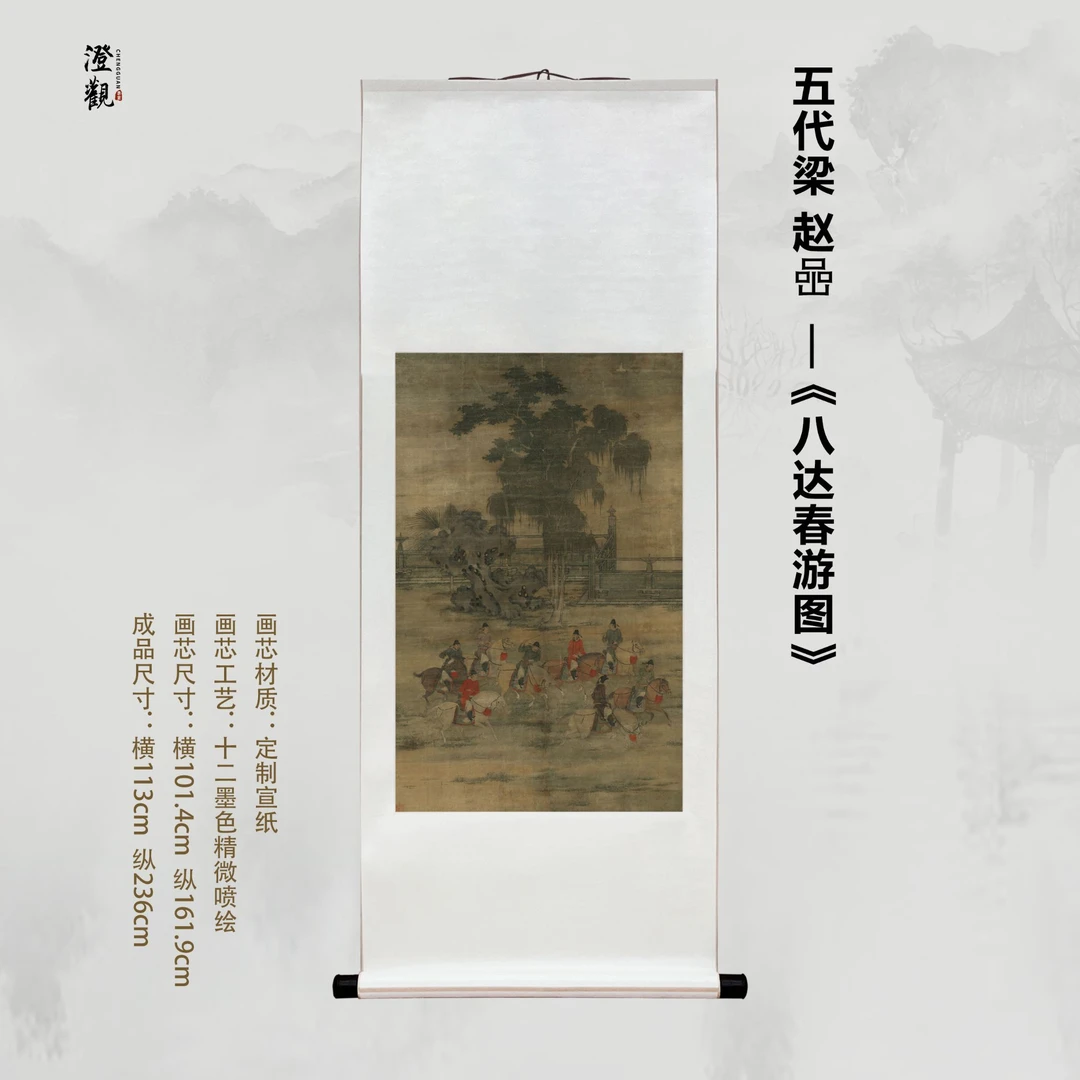
His most famous surviving masterpiece, "Eight Riders in Spring" (八达游春图), currently held in the National Palace Museum, serves as a definitive example of his skill. The painting depicts eight noblemen on a spring outing, mounted on finely groomed horses. The meticulous brushwork used to render the horses' musculature and the figures' graceful postures demonstrates his absolute command over form and line. The composition, which features a large ornamental rock and lush greenery, highlights his ability to integrate landscape elements with narrative figure painting.
Historical records often depict Zhao Yan as a complex figure, known as much for his arrogance and political maneuvers as for his artistic genius. He was said to be so obsessed with painting that he would often neglect his official duties to spend time in his studio or with his collection. His lavish lifestyle and passion for the arts made him a central figure in the cultural life of the Later Liang court, where he encouraged a sophisticated atmosphere of connoisseurship and creative exchange.
The legacy of Zhao Yan lies in his role as a cultural bridge between the grand realism of the Tang and the refined naturalism of the Northern Song. His depictions of palatial life and noble leisure provided a visual template for the courtly painting style that would flourish in the centuries to follow. Today, he is remembered not only as a powerful statesman but as a painter who successfully captured the spirit of nobility and the tranquil beauty of the 10th-century Chinese elite.
— ALL MASTERPIECES LOADED —