Zhao Mengfu (赵孟頫): The Renaissance Man Who Redefined Chinese Art
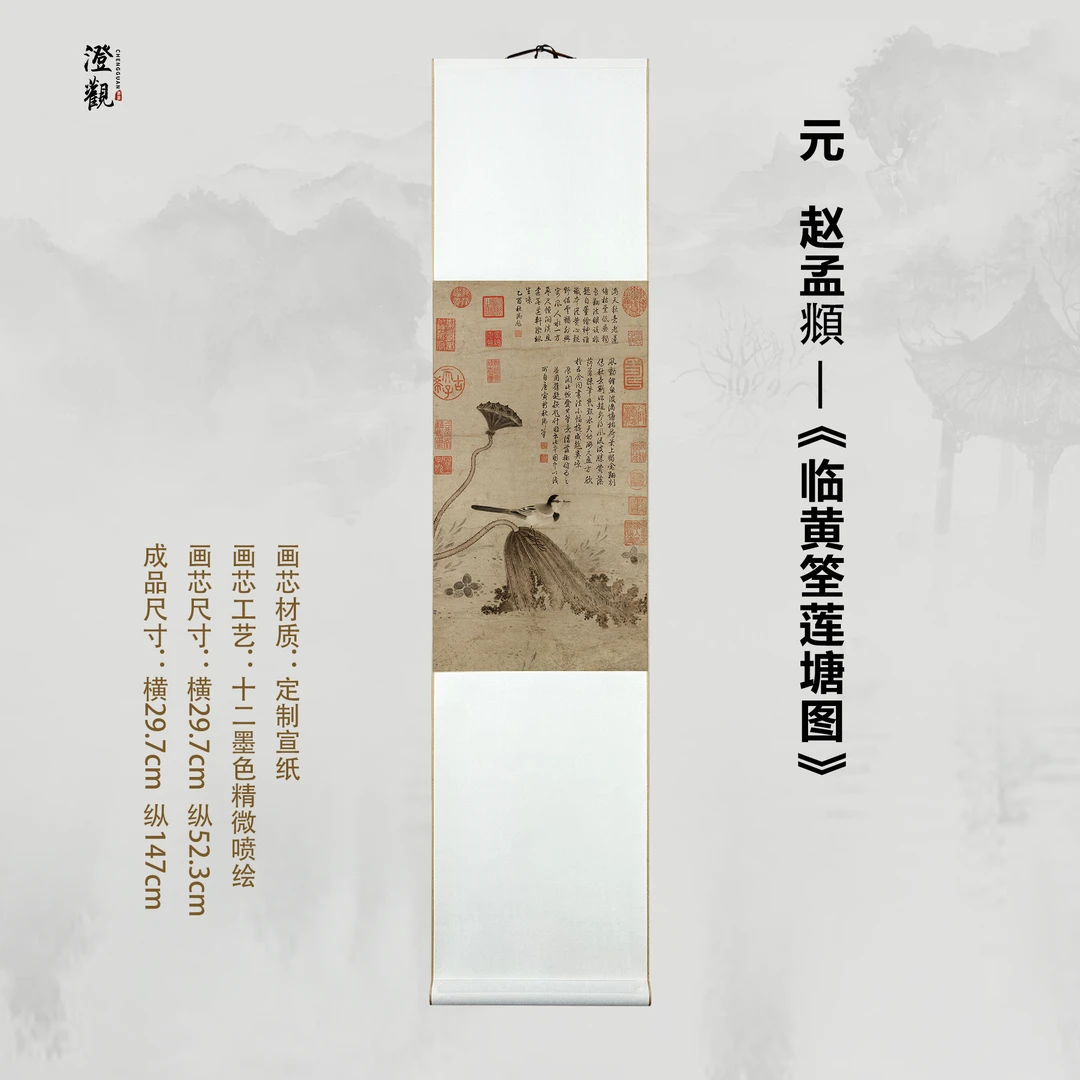
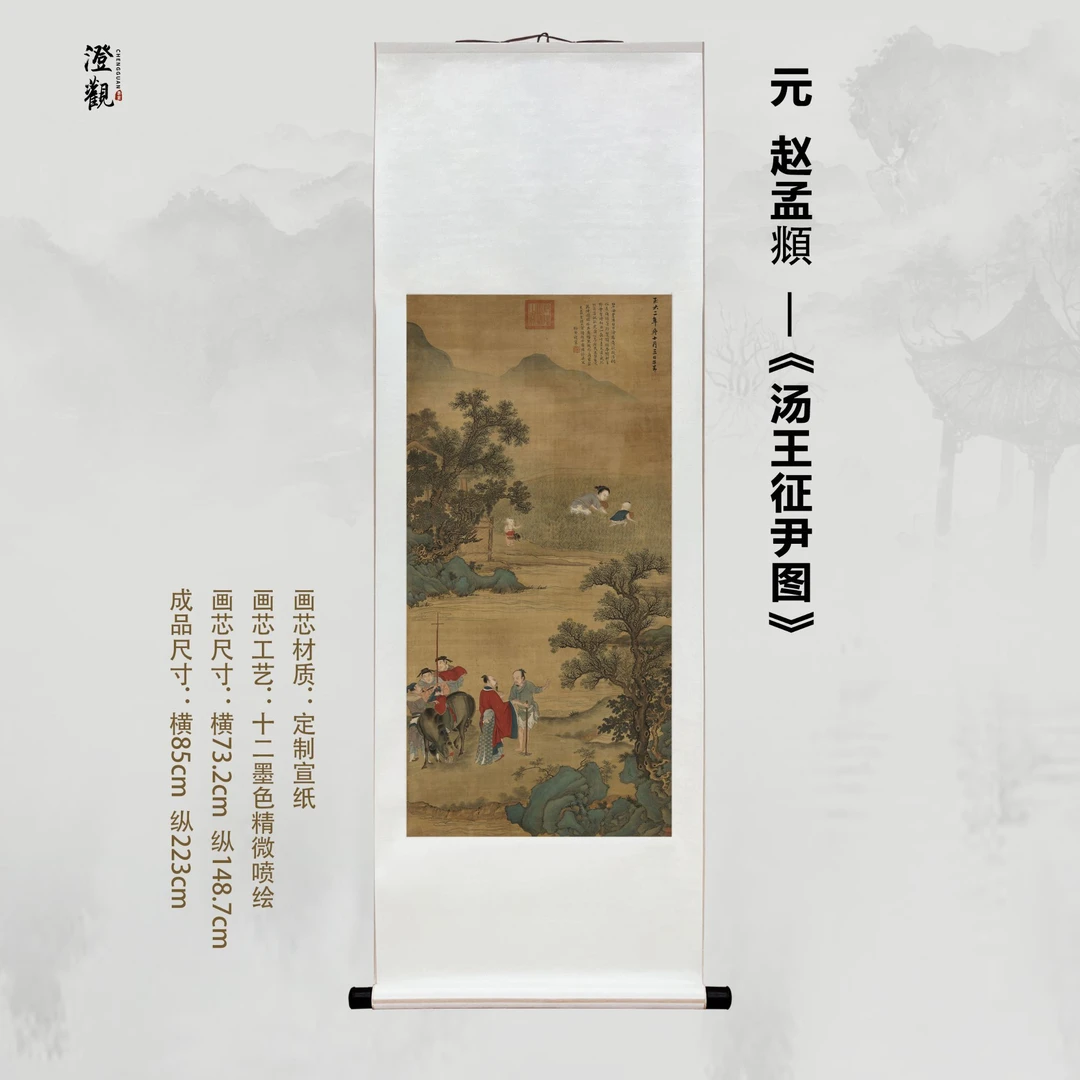
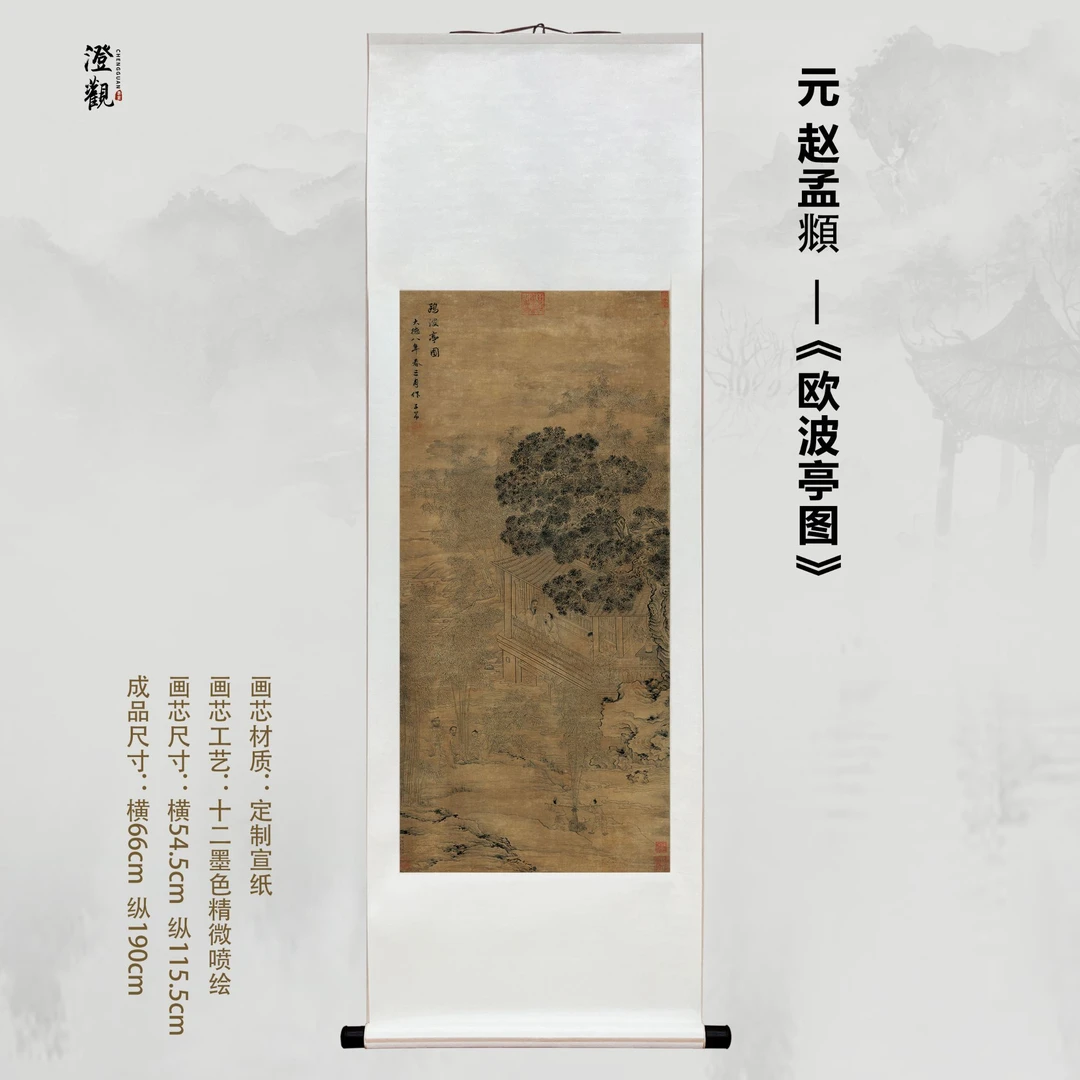
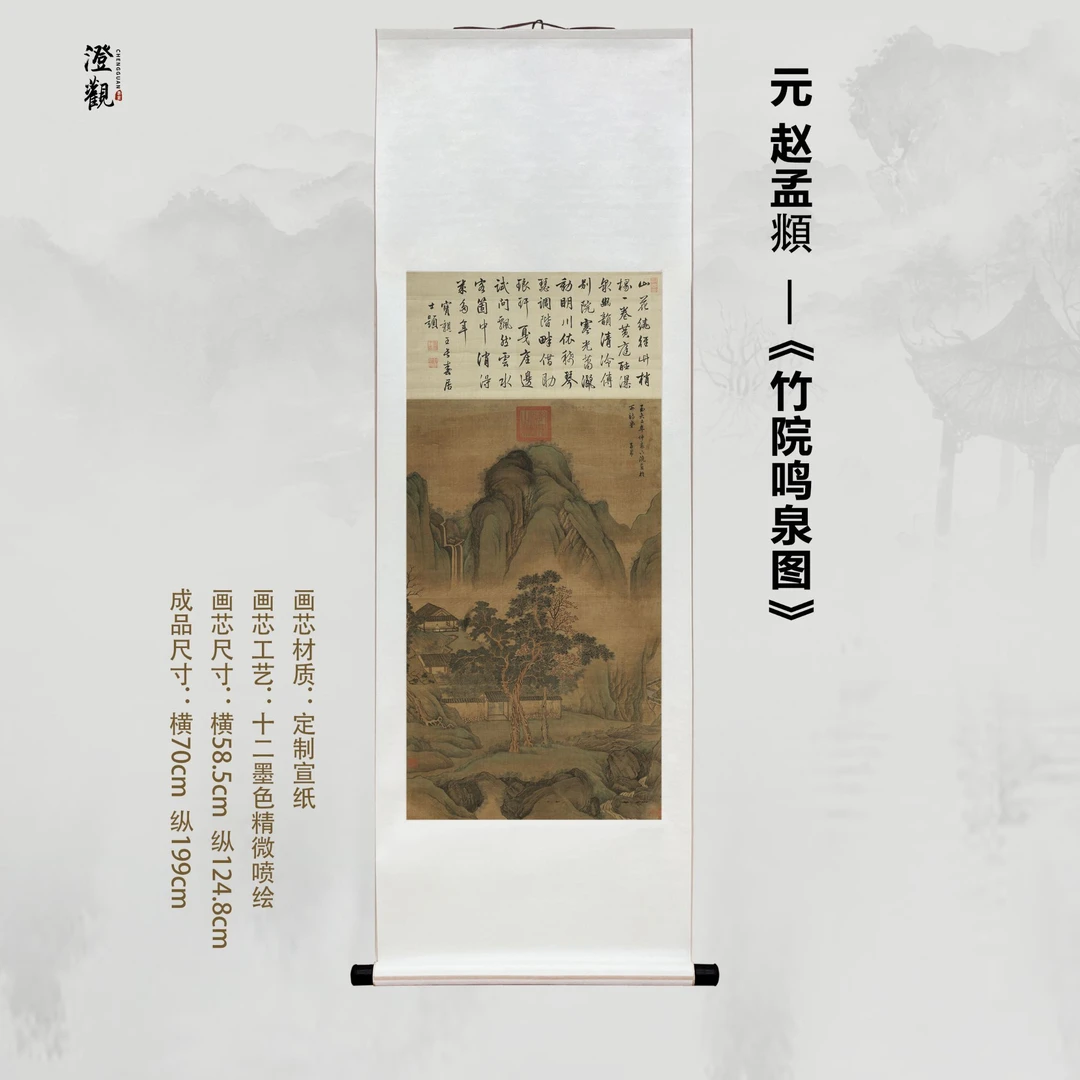
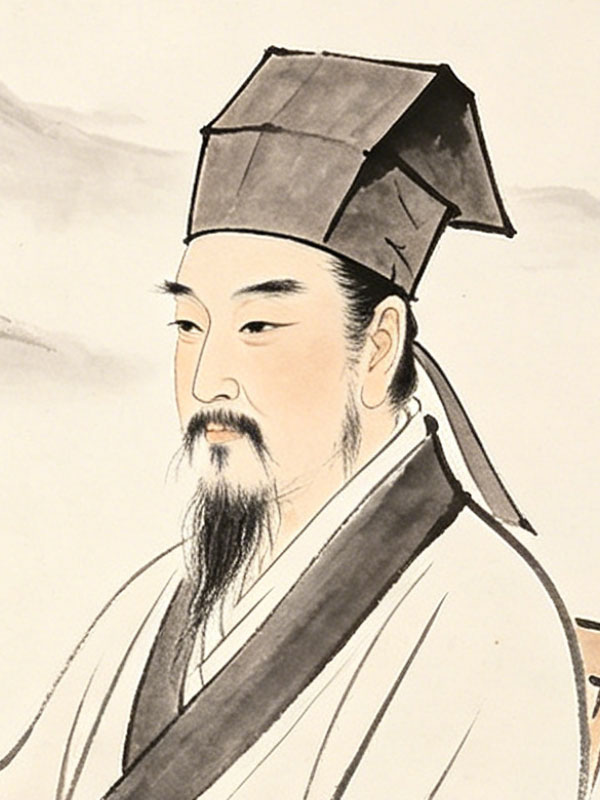
Zhao Mengfu (1254–1322), courtesy name Zi’ang (子昂) and art names Songxue Daoren (松雪道人) and Shuijing-gong Daoren (水晶宫道人), was arguably the most influential Chinese artist of the Yuan Dynasty. A scholar, official, painter, and calligrapher, he single-handedly pivoted Chinese painting away from the academic realism of the Southern Song and laid the theoretical and stylistic foundations for Literati painting (wenrenhua) for the next 500 years.
1. The Political Dilemma of a Royal Descendant
Zhao Mengfu’s life was defined by a profound personal and political conflict. He was a direct descendant of the imperial family of the Song Dynasty. When the Mongols conquered China and established the Yuan Dynasty, Kublai Khan summoned Zhao to the capital to serve the new regime. He accepted, rising to high rank as the Director of the Hanlin Academy. While his decision preserved Chinese culture at the highest levels of the Mongol court, it drew sharp criticism from Song loyalists who viewed him as a renegade. This inner tension fueled his retreat into the spiritual world of art.
2. Artistic Theory: Archaism (Fugu) and Calligraphic Unity
Zhao Mengfu is the ultimate theorist of Chinese art, known for two revolutionary concepts:
- Archaism (Fugu, 复古): Zhao rejected the sweet, atmospheric style of the late Southern Song court. He advocated for a return to the Tang Dynasty and Northern Song traditions, characterized by a sense of "antique simplicity" (gu yi).
- Unity of Calligraphy and Painting (Shuhua tongyuan): Zhao famously declared that "calligraphy and painting share the same origin." He argued that a landscape or a tree should be executed using the same brushstrokes used in standard, running, or cursive script. This shifted painting from a craft of imitation to an intellectual pursuit of self-expression.
3. Artistic Dimensions: Horses, Landscapes, and Figures
Zhao Mengfu was a master of virtually all traditional genres of painting:
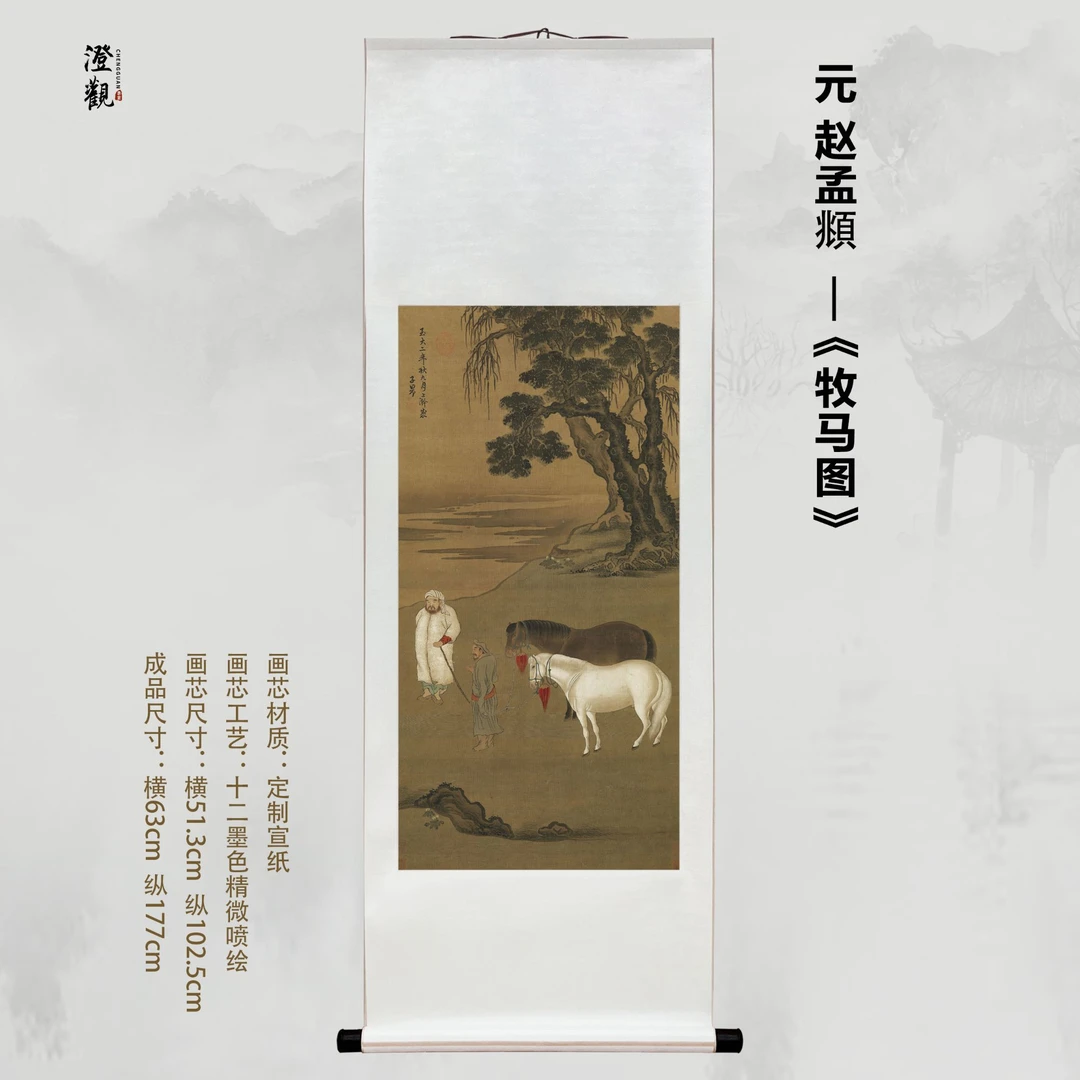
- Horse Painting: Drawing on the Tang tradition of Han Gan, Zhao painted horses as political and personal metaphors. His depictions of fine horses and grooms were often seen as symbols of unrecognized talent or the relationship between the ruler and his officials.
- Landscape Painting: He replaced the wet, atmospheric washes of the Song with a drier, linear approach, using calligraphic lines to build structure.
- Calligraphy: He created the "Zhao style" (Zhao ti), a standard script known for its elegance, fluid grace, and structural balance, making him one of the Four Masters of Standard Script in Chinese history.
4. Masterpieces that Changed Art History
His surviving works are among the most treasured in the world:
- "Autumn Colors on the Qiao and Hua Mountains" (鹊华秋色图, 1295): Painted for a friend who could not return to his ancestral home, this masterpiece ignores realistic perspective in favor of a memory landscape. It uses archaic colors (blues and greens) and simple brushwork to evoke nostalgia.
- "Twin Pines, Level Distance" (双松平远图): A textbook example of his "calligraphy as painting" theory, where the pine trees are rendered with structural brushwork reminiscent of seal script.
- "The Mind Landscape of Xie Youyu" (谢幼舆丘壑图): A portrait placed in a landscape, emphasizing the subject's internal moral character over physical likeness.
5. Enduring Legacy and the Guan/Zhao Family
Zhao Mengfu’s influence was magnified by his family. His wife, Guan Daosheng, was the most famous female artist in Chinese history, renowned for her bamboo paintings. His grandson, Wang Meng, became one of the Four Masters of the Yuan Dynasty. Zhao’s aesthetic of scholar-amateurism became the orthodox standard of the Ming and Qing dynasties, paving the way for artists like Shen Zhou, Dong Qichang, and the Four Wangs.