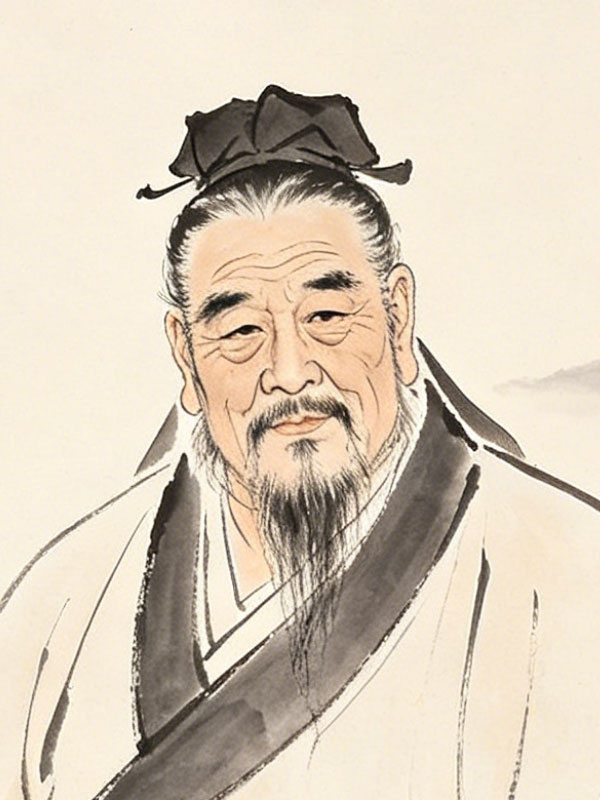
Zhao Chang: The Master of the Morning Dew and Naturalistic Realism
Zhao Chang (active late 10th to early 11th century), courtesy name Changzhi, was a legendary flower-and-bird painter who bridged the transition from the Five Dynasties to the early Northern Song Dynasty. A native of Guanghan (modern-day Sichuan), he rose to become one of the most esteemed figures in the Imperial Painting Academy. He is historically celebrated as the preeminent master of Xiesheng (painting from life), a philosophy that revolutionized the way nature was observed and rendered in Chinese art history.
His artistic identity was so inextricably linked with his method that he was famously nicknamed "Xiesheng Zhao" (Zhao the Life-Painter). Unlike many of his predecessors who relied on established manuals or memory, Zhao Chang was a pioneer of direct observation. Legend has it that every morning, while the dew still clung to the petals, he would wander into gardens to capture the fleeting beauty of flowers in their most vibrant and "moist" state. This dedication to naturalistic detail allowed him to portray the inner vitality of botanical life with a freshness that was previously unseen in courtly art.
Technically, Zhao Chang was a master of delicate coloring and subtle ink-work. While he inherited the meticulous realism of the Huang Quan school, he infused his work with a softer, more organic elegance. He was particularly renowned for his ability to render the translucency of petals and the intricate textures of leaves without relying on heavy, dark outlines. His brushwork was described by critics as "refined yet spirited," achieving a perfect balance between academic precision and the spontaneous vitality of the natural world.
His historical reputation reached its peak during the reign of Emperor Huizong, who was a passionate collector of his work and praised his paintings for their unrivaled accuracy. The "Xuanhe Catalogue of Paintings" records over 150 of his pieces, highlighting his status as a "divine" artist. Zhao Chang was also known for his artistic pride; historical anecdotes suggest he rarely sold his paintings to the public and was even known to buy back his own works from collectors to ensure his best creations remained within his reach or in prestigious collections.
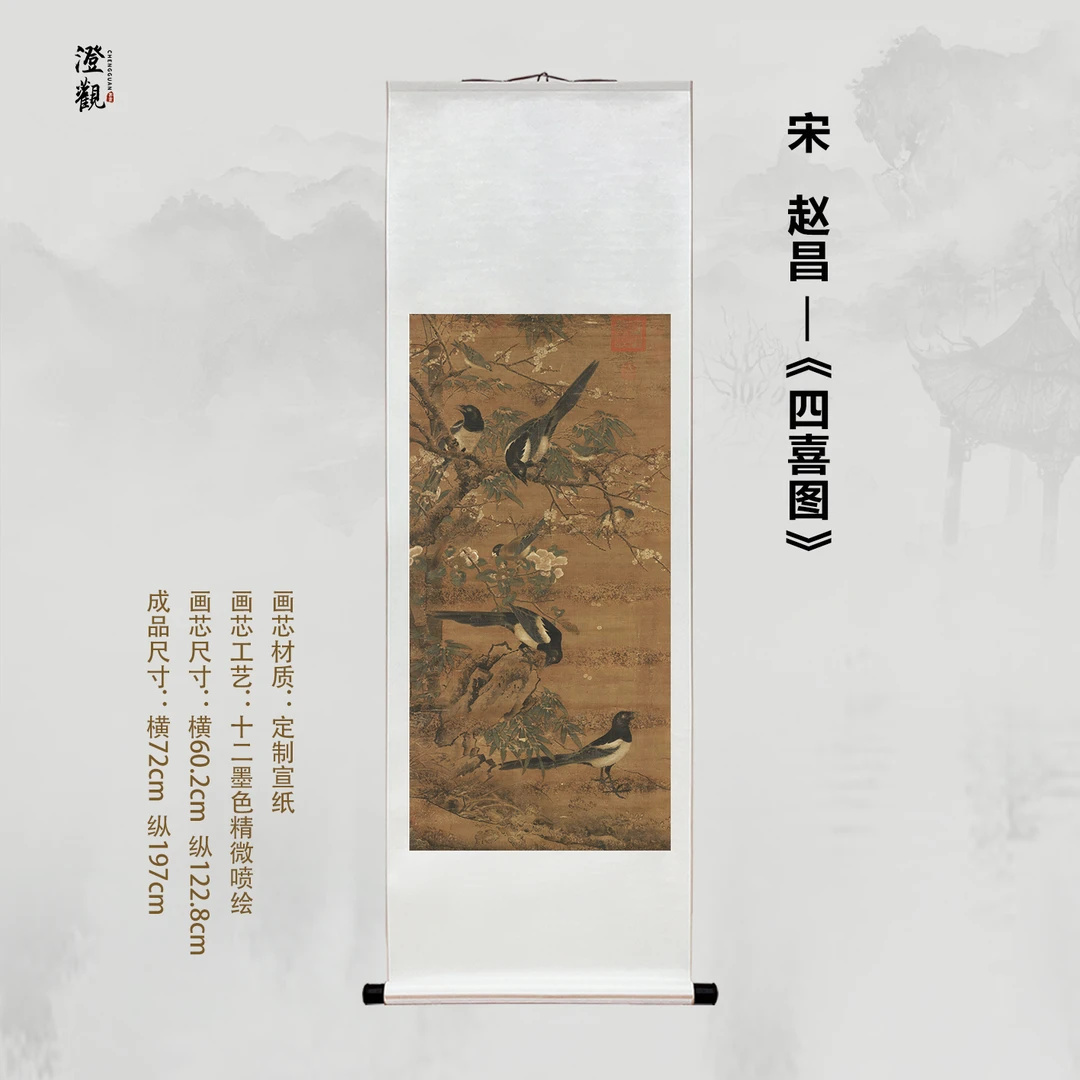
Today, Zhao Chang’s legacy is preserved through masterpieces such as "Four Magpies" and his various depictions of peonies and hibiscus. He is remembered as the artist who "captured the soul of the morning," providing a bridge between the formal traditions of the past and the expressive naturalism of the future. His works, held in institutions like the National Palace Museum and the Palace Museum in Beijing, continue to serve as the definitive model for the Gongbi style of flower painting, embodying the quiet grace of the Chinese garden.
— ALL MASTERPIECES LOADED —