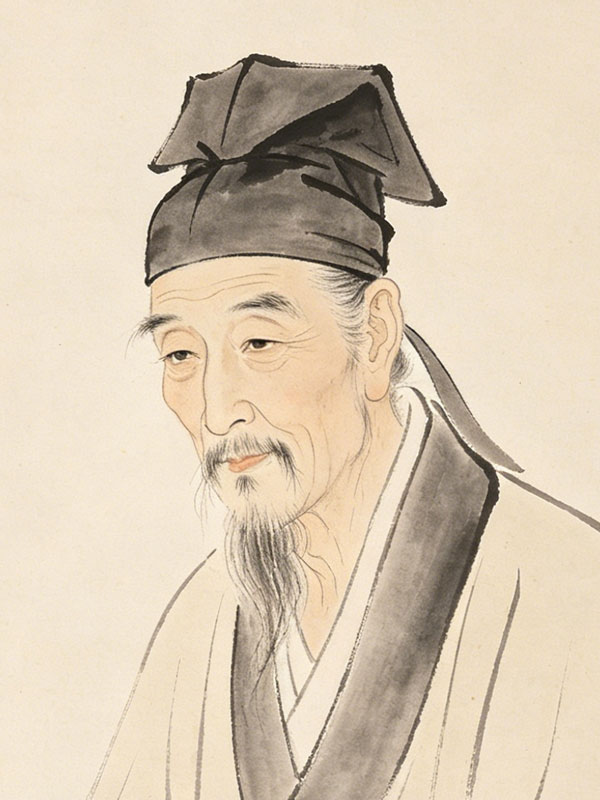
Zhao Boju: The Royal Master of the Blue and Green Landscape
Zhao Boju (c. 1120–1182 AD), courtesy name Qianli, was a distinguished painter and a member of the Song imperial family. He served as an official during the early Southern Song Dynasty and was a personal favorite of Emperor Gaozong. Although he lived during the Song, his artistic mission was a grand revival of the Tang and Five Dynasties traditions, specifically the opulent and meticulous style of landscape painting that had been overshadowed by the rise of monochromatic ink-wash art.
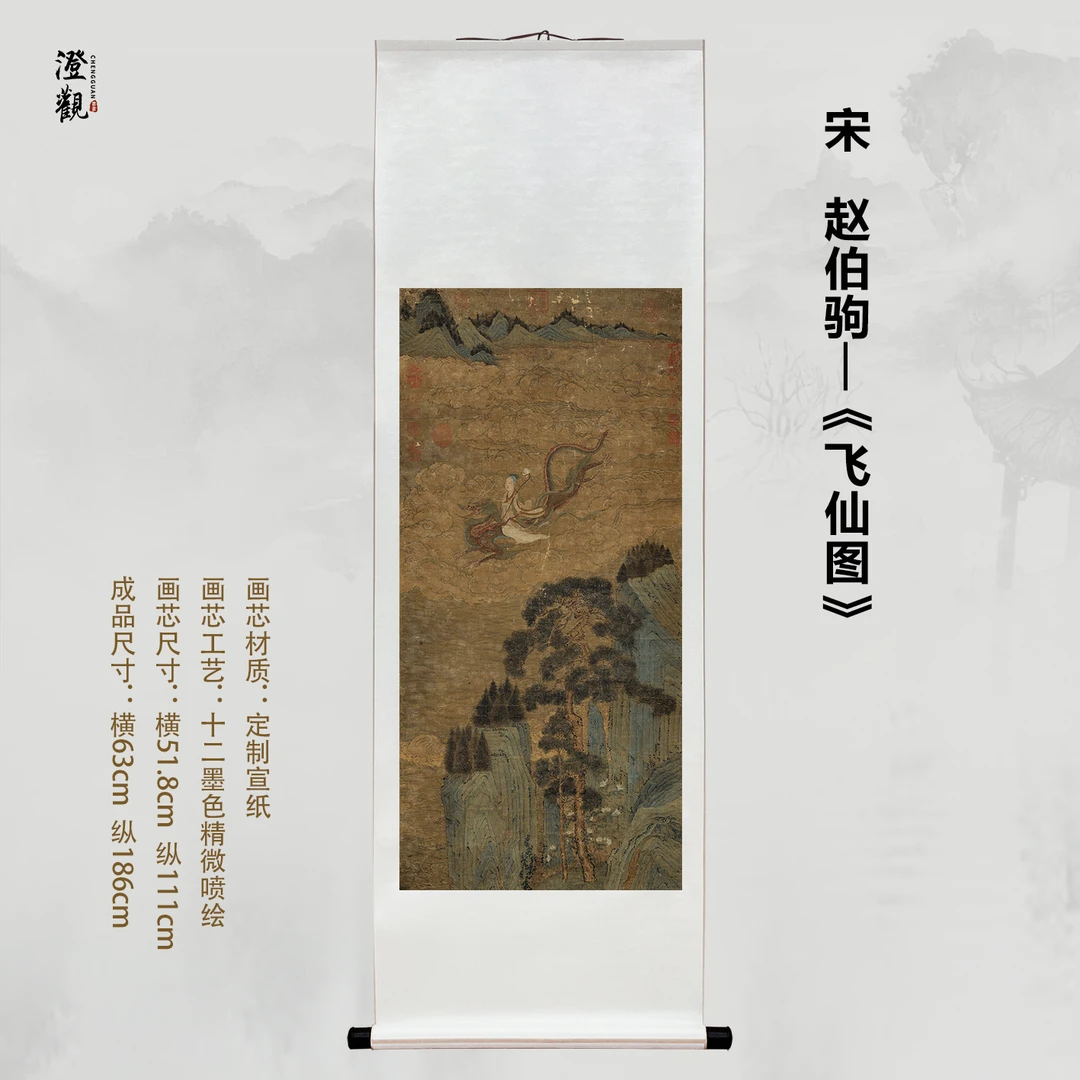
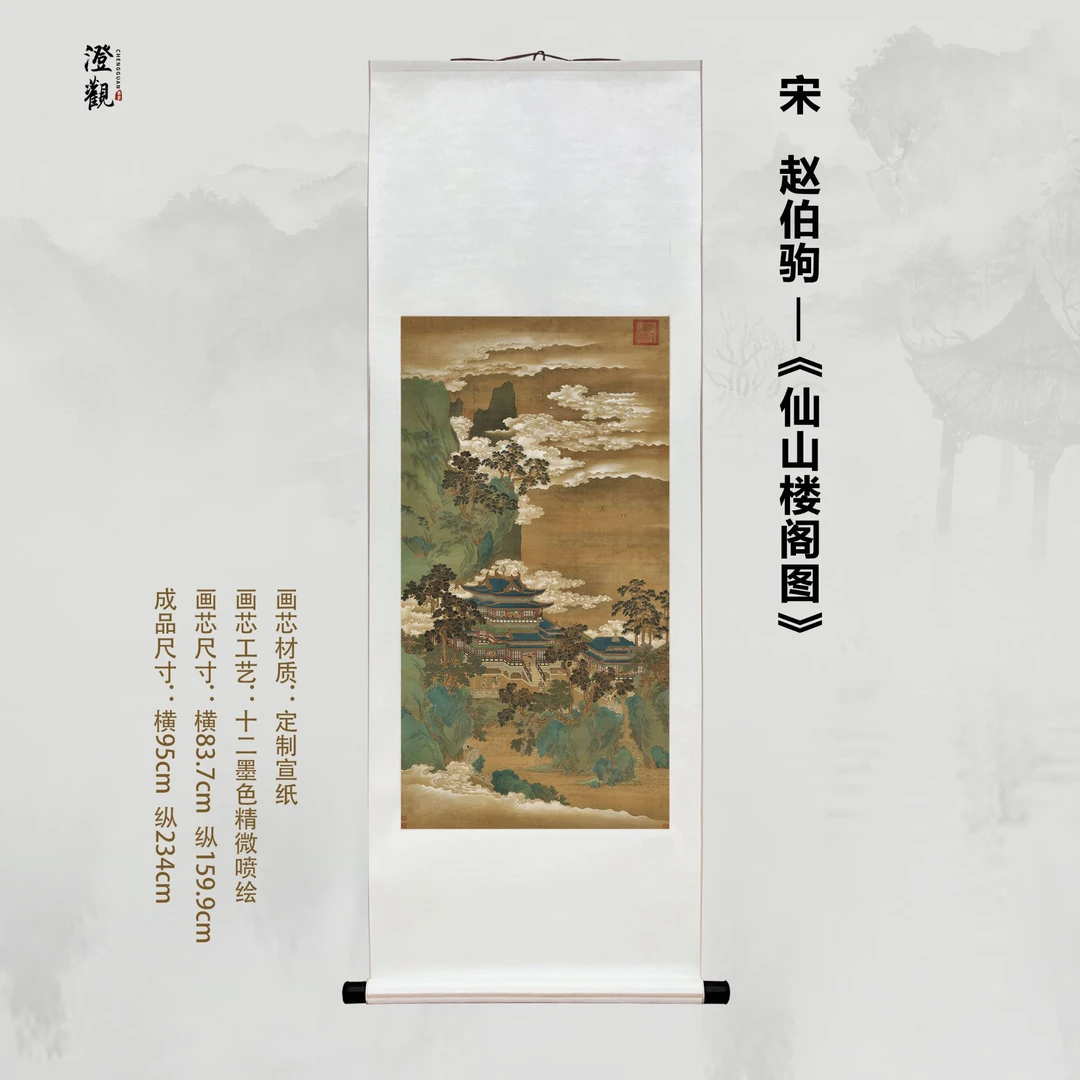
He is celebrated as the premier master of the Qinglu Shanshui (Blue and Green Landscape) style. Unlike the purely scholarly literati painters, Zhao Boju utilized expensive mineral pigments such as azurite blue and malachite green to create vibrant, jewel-like surfaces on silk. He is often credited with refining this ancient tradition into what is known as "Small Blue and Green" (Xiao Qinglu), a style that combined the aristocratic splendor of the Tang with the meticulous realism and poetic intimacy of the Southern Song Painting Academy.
His brushwork was characterized by extreme precision and a sophisticated use of gold outlines (Jinbi). He was a master of Jiehua (ruled-line painting), allowing him to integrate magnificent palaces, bridges, and pavilions into vast natural settings with perfect architectural logic. His landscapes were not merely depictions of nature but idealized visions of paradise, where immortals and noblemen wandered through emerald valleys and sapphire mountains, reflecting the refined lifestyle and cultural confidence of the Song elite.
His most famous attributed masterpiece, "Autumn Colors over Rivers and Mountains" (江山秋色图), currently in the Palace Museum in Beijing, is a monumental handscroll that showcases his technical brilliance. The work features a panoramic view of winding rivers, jagged peaks, and lush forests, all rendered in shimmering colors. It is a symphony of detail, where even the smallest figure or distant boat is captured with surgical clarity, representing the pinnacle of coloristic realism in Chinese art history.
The legacy of Zhao Boju is immense, as he provided a stylistic bridge between the ancient masters and the later literati-professional hybrids. His influence can be clearly seen in the works of Zhao Mengfu during the Yuan Dynasty and later in the refined professional styles of Qiu Ying and Wen Zhengming during the Ming Dynasty. Today, he is remembered as the prince of the brush, the man who rekindled the glory of color and ensured that the imperial tradition of the blue-and-green landscape remained a vital and prestigious force in Chinese culture.
— ALL MASTERPIECES LOADED —