
Yun Shouping (恽寿平): The Master of "Boneless" Flower Painting
Yun Shouping (1633–1690), originally named Yun Ge (恽格) and courtesy name Zhengshu (正叔), with the famous pseudonym Nantian (南田), was a premier artist of the early Qing Dynasty. He is historically immortalized as one of the "Six Masters of the Early Qing" (清六家)—alongside the "Four Wangs" and Wu Li. Yun Shouping is most celebrated for revolutionizing flower-and-bird painting by reviving and perfecting the "Boneless" (Mogu) technique.
1. A Life of Integrity and Artistic Transition
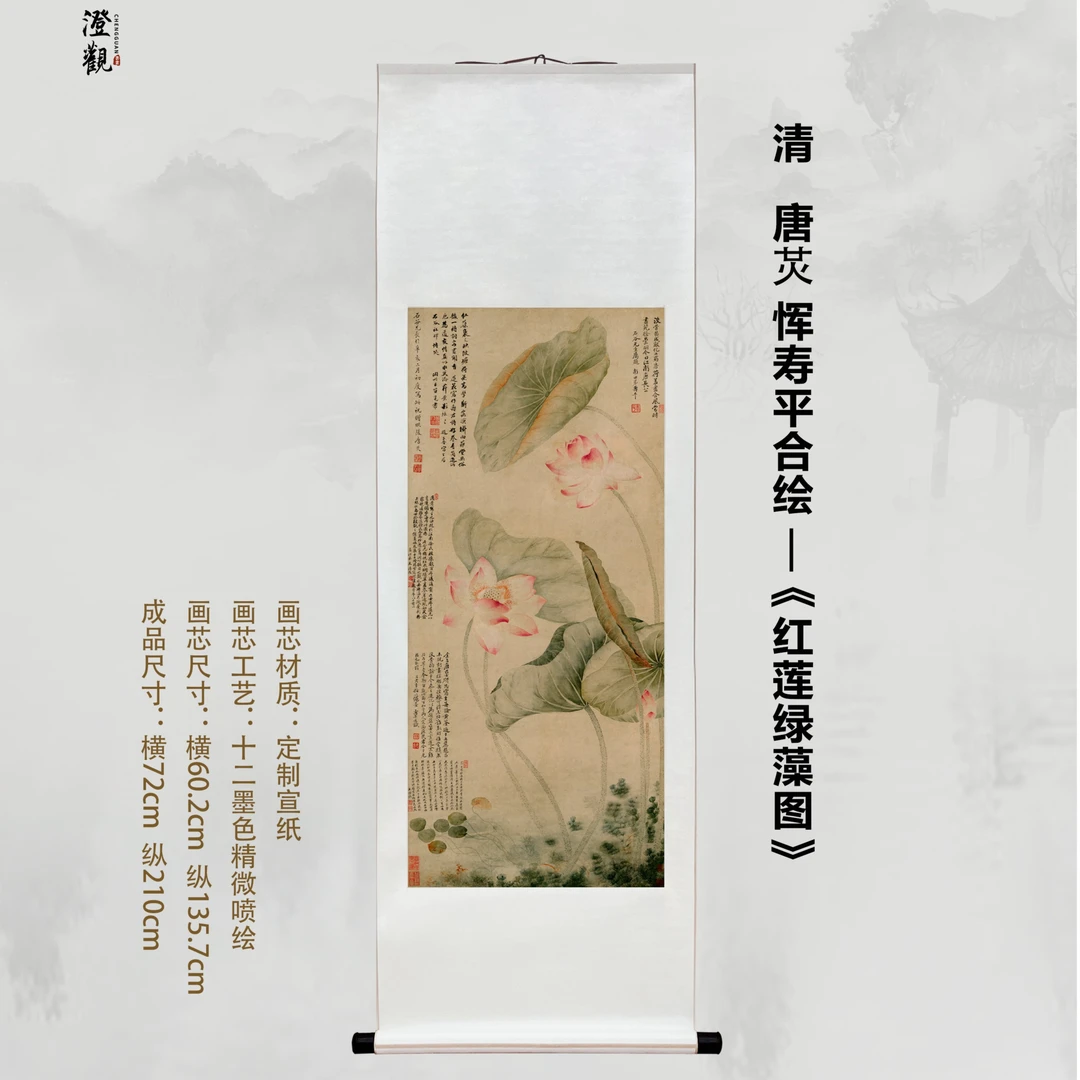
Born into a family of Ming Dynasty loyalists in Changzhou, Yun Shouping’s early life was marked by the chaos of the Manchu conquest. He initially specialized in landscape painting, but a pivotal moment occurred when he saw the works of his close friend, the landscape master Wang Hui. Recognizing Wang’s superior skill in that genre, Yun famously remarked, "In landscapes, I cannot be the first; therefore, I shall create a new path in flowers." This act of artistic humility led him to focus on floral subjects, where he achieved undisputed supremacy.
2. The "Boneless" (Mogu) Technique
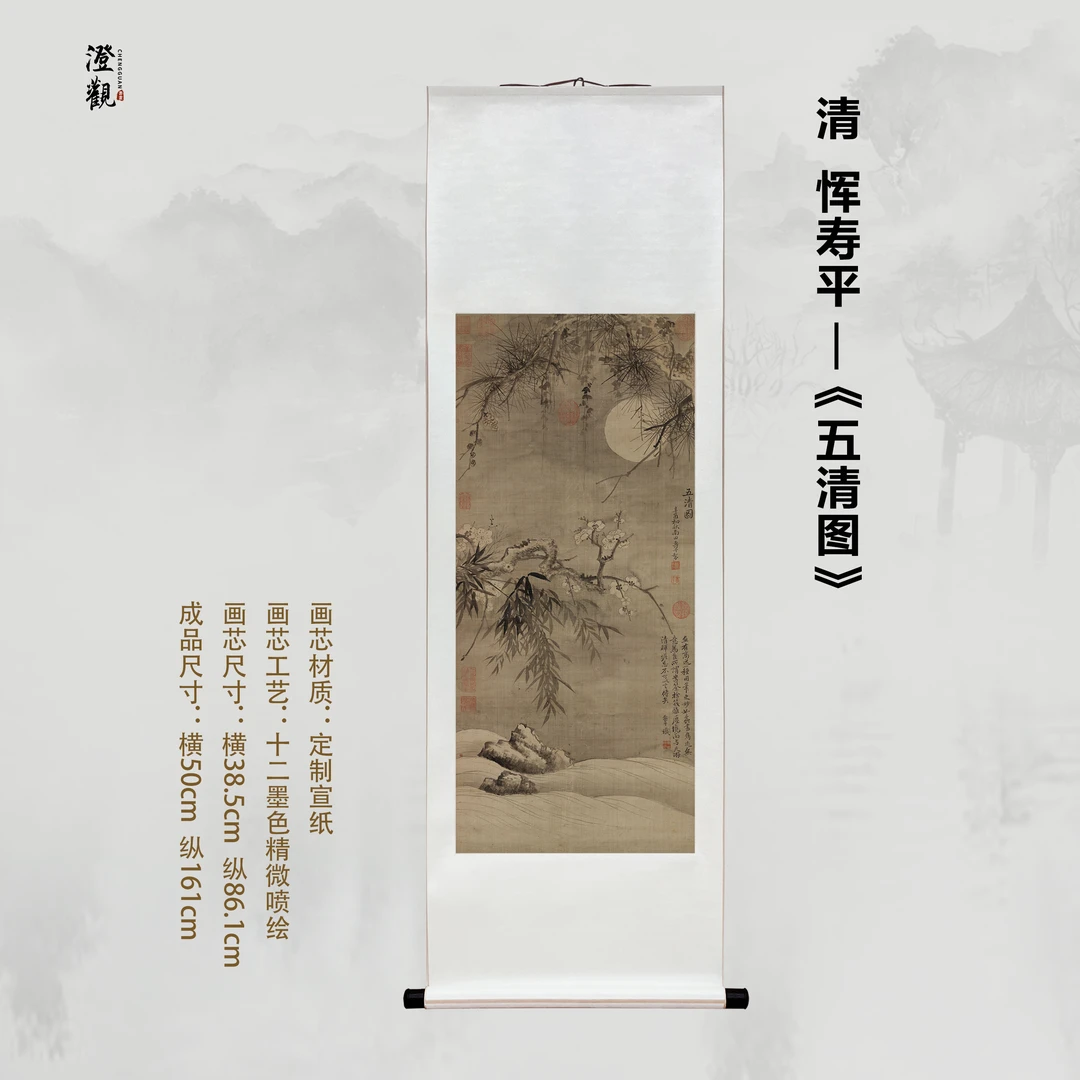
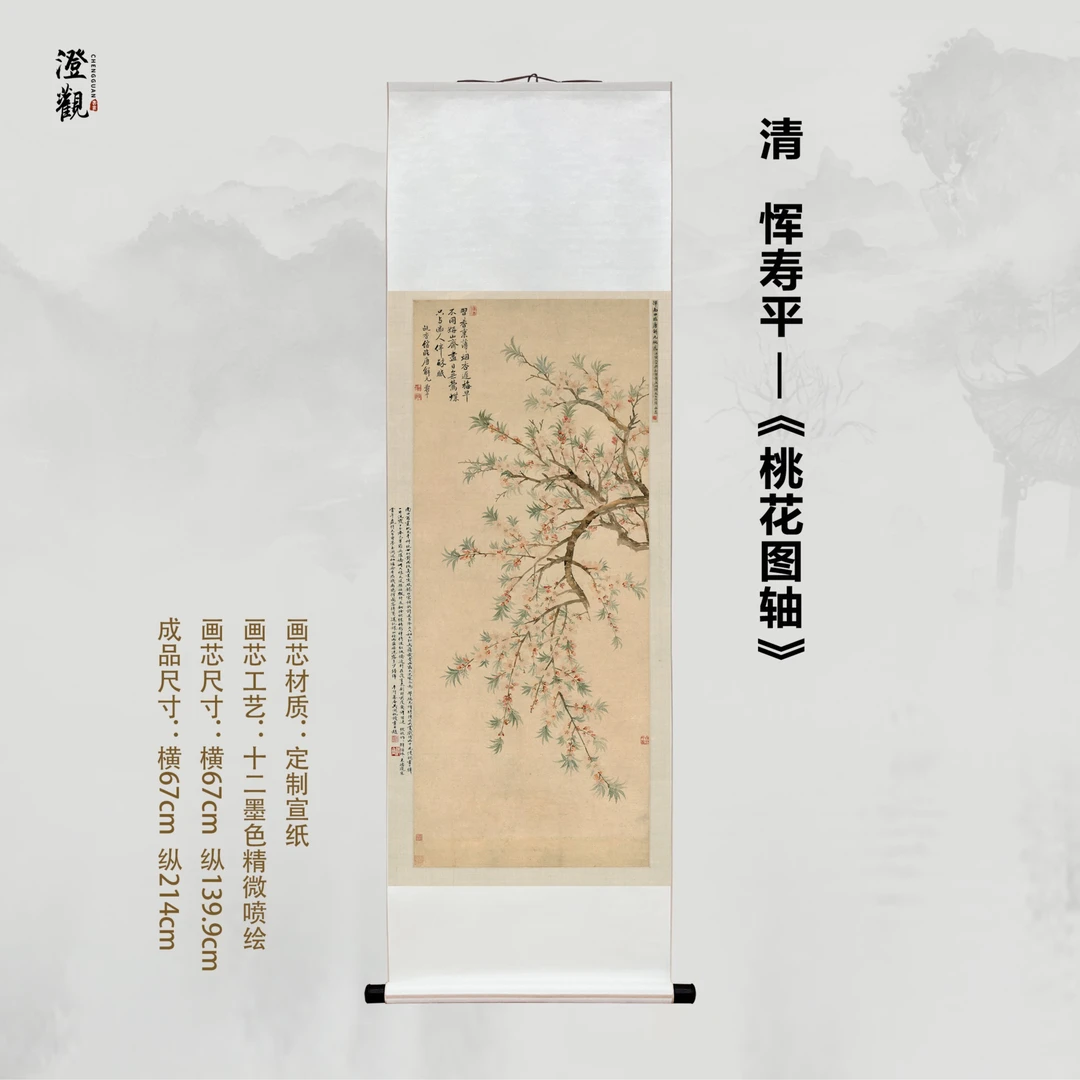
Yun Shouping’s greatest contribution to Chinese art was his revival of the Mogu (没骨) or "Boneless" style, a method that dates back to the Northern Song but had fallen into obscurity.
- Absence of Outlines: Unlike traditional Gongbi painting which relies on ink outlines, the "Boneless" style creates form through direct washes of color and ink.
- Vibrant Naturalism: His flowers, leaves, and insects possess a delicate, lifelike quality that appears to breathe on the paper.
- Synthesis of Color and Spirit: He successfully blended the scholarly elegance of the literati with the vibrant pigments of professional court painting, avoiding both "vulgar gaudiness" and "dry monotony."
3. Aesthetics of "Qingyi" (Pure and Easy)
Yun Shouping’s aesthetic is defined by the term Qingyi (清逸), meaning "pure, light, and easy." His work moved away from the heavy, intellectualized landscapes of his peers toward a more accessible and lyrical beauty. He emphasized "capturing the soul" of the flowers (xie sheng), ensuring that every peony, lotus, or peach blossom he painted reflected the vital energy (Qi) of nature.
4. Master of the "Three Perfections"
Like the quintessential literati painter, Yun Shouping was a master of poetry, calligraphy, and painting.
- Calligraphy: His script was influenced by the Tang master Chu Suiliang, characterized by slender, elegant, and rhythmic lines that complemented his floral compositions perfectly.
- Poetic Inscriptions: His paintings often feature long poetic inscriptions that provide intellectual depth to the visual imagery, turning a simple floral scroll into a profound cultural statement.
5. Founder of the Changzhou School
Yun Shouping’s influence was so profound that he founded the Changzhou School (常州画派). His style became the standard for flower painting for the remainder of the Qing Dynasty and significantly influenced the Imperial Court. His legacy traveled across borders, impacting the development of Japanese Rimpa school and other East Asian floral traditions. Today, his masterpieces are prized treasures in the Palace Museum (Beijing), the Shanghai Museum, and the National Palace Museum (Taipei).
— ALL MASTERPIECES LOADED —