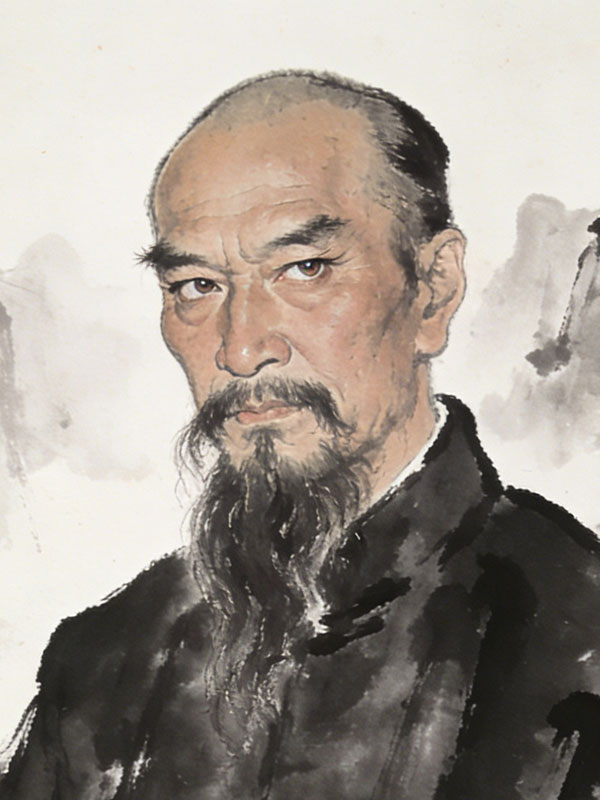
Yu Zhiding (禹之鼎): The Premier Portraitist of the Kangxi Court
Yu Zhiding (1647–1716), courtesy name Shangji (尚吉) and pseudonym Shenzhai (慎斋), was the most celebrated portrait painter of the early Qing Dynasty. A native of Yangzhou, he rose to prominence as a court painter in the Imperial Academy during the reign of the Kangxi Emperor. He is historically recognized as the undisputed master of Xiaozhao (small-scale portraits) and figure painting, defining the visual identity of the Qing scholarly elite.
1. The Favorite Artist of the High Officialdom
Yu Zhiding’s career was defined by his extraordinary social network. He served in the Imperial Manufacturing Office (Zao Ban Chu) and was the preferred portraitist for the most powerful men in China, including the legendary poet and official Wang Shizhen. Because of his imperial patronage and high-level connections, Yu Zhiding’s works provide a unique historical record of the faces and fashions of the Kangxi-era intelligentsia and bureaucracy.
2. Mastery of Portraiture (Xiaozhao)
Yu Zhiding’s greatest contribution was his ability to capture Chuan-shen (transmitting the spirit). Unlike traditional, stiff ancestral portraits, his Xiaozhao were characterized by:
- Psychological Realism: He possessed a rare ability to render facial expressions with subtle precision, capturing the unique personality and intellectual temperament of his subjects.
- Fine-Line Technique: He was a master of Baimiao (white drawing), using extremely delicate, fluid lines—often compared to "orchid leaves" or "silk threads"—to define facial features and clothing.
- Subtle Shading: While remaining within the Chinese tradition, he used very light ink washes and colors to create a sense of three-dimensional volume, a technique that may have been indirectly influenced by Western artistic concepts filtering into the court.
3. The Innovation of the "Landscape Portrait"
A hallmark of Yu Zhiding’s style was placing his subjects in meaningful settings. He rarely painted figures against a blank background. Instead, he created a hybrid genre:
- Literati Settings: He depicted scholars in private gardens, bamboo groves, or mountain retreats, surrounding them with books, antiques, or musical instruments.
- Symbolic Context: The landscape was not merely decorative; it was a reflection of the subject's moral character and social status. This approach integrated the Portrait tradition with the Landscape (Shanshui) tradition, making his works highly appealing to the scholar-official class.
4. Stylistic Versatility and Influences
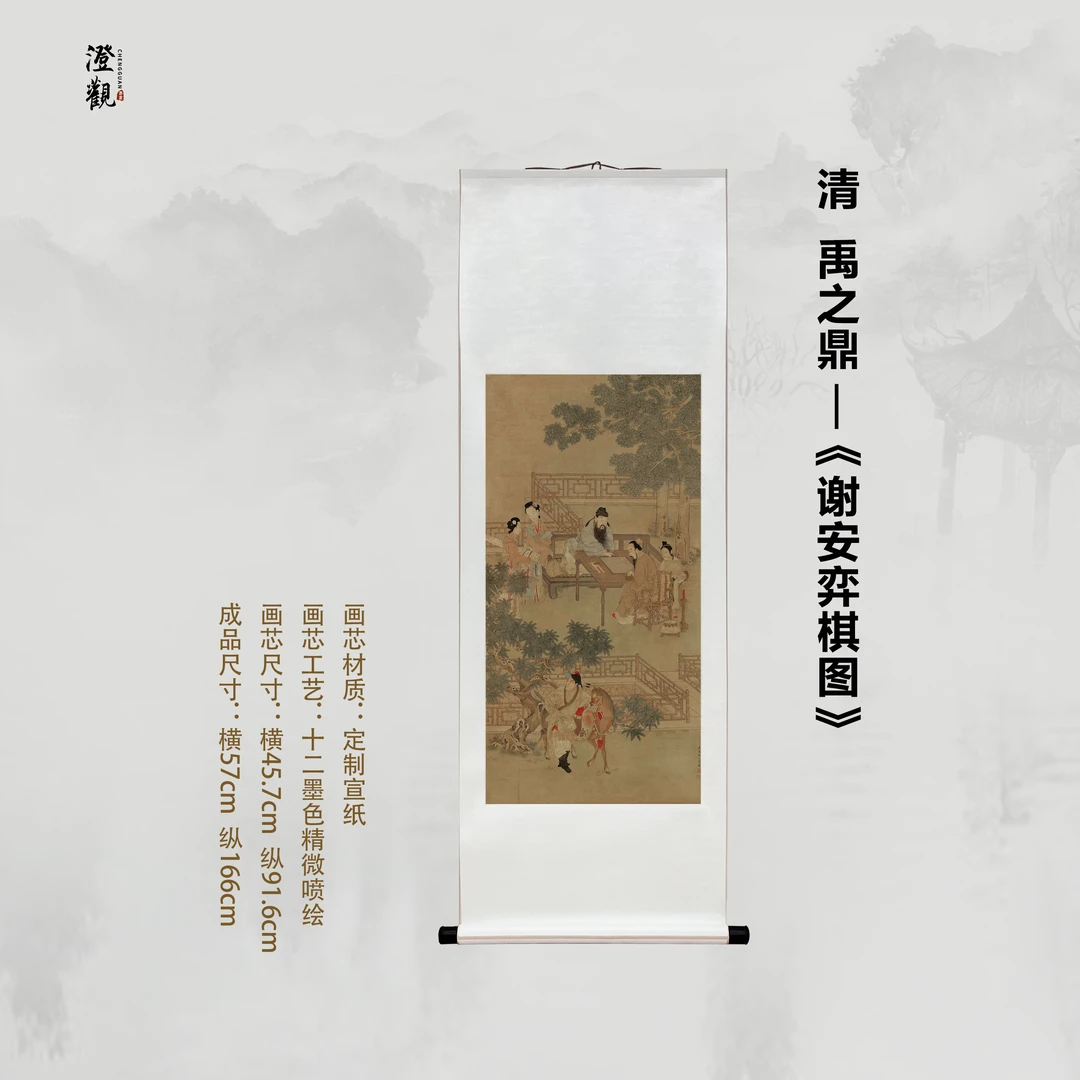
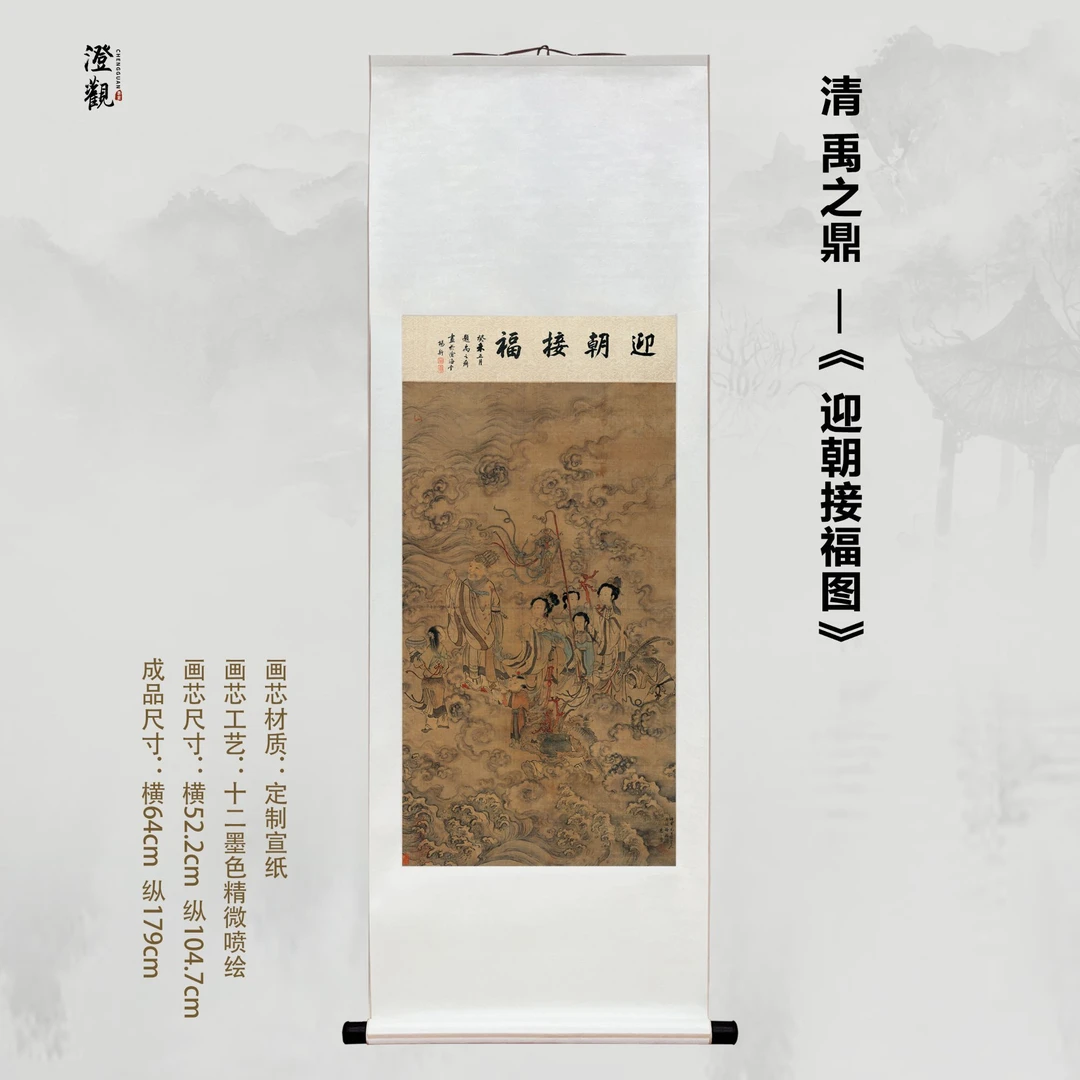
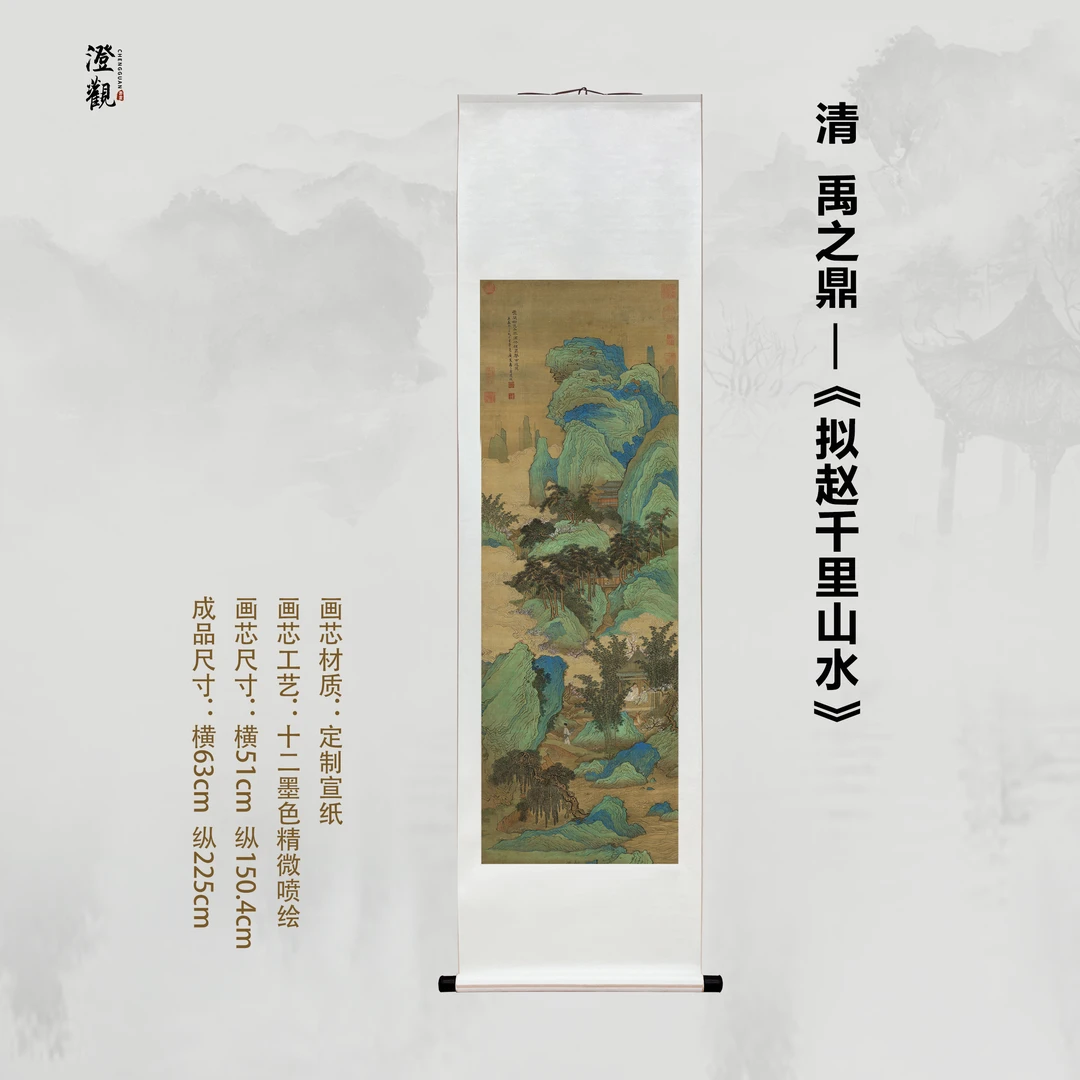
Yu Zhiding was a versatile polymath who drew from several historical lineages. While his portraiture was revolutionary, his broader figure painting followed the traditions of Li Gonglin (Song Dynasty) and Chen Hongshou (late Ming). He was equally adept at Gongbi (meticulous) colorful works and more expressive ink-wash sketches. His brushwork was noted for its refined elegance and "ancient flavor," avoiding the perceived vulgarity of commercial professional painting.
5. Historical Legacy and Major Works
Yu Zhiding’s legacy is preserved in the hundreds of portraits he left behind, which serve as an iconographic archive of the early Qing Dynasty. His masterpiece, "Portrait of Wang Shizhen Releaseing a Dragonfly," is a definitive example of his ability to blend narrative, landscape, and likeness. Today, his works are centerpieces in major global collections:
- The Palace Museum (Beijing)
- The National Palace Museum (Taipei)
- The Nanjing Museum
- The Metropolitan Museum of Art (New York)
— ALL MASTERPIECES LOADED —