Xu Xi: The Master of "Wild Naturalness" in Chinese Art
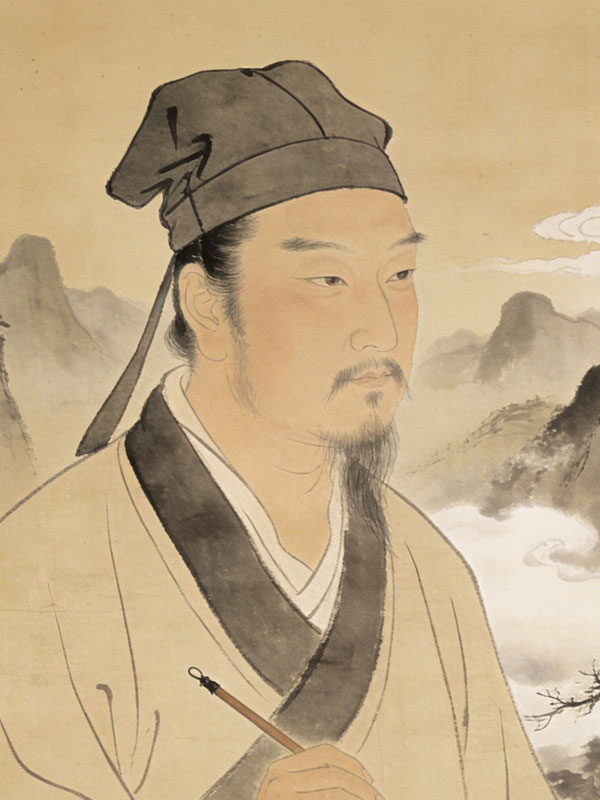
Xu Xi (active mid-10th century AD) was a legendary flower-and-bird painter of the Southern Tang Dynasty during the Five Dynasties and Ten Kingdoms period. Born into a prominent family in Zhongling (modern-day Jiangxi), he was a man of high noble status but chose to live as a retired scholar (Biyi) rather than serving as a professional artist in the Imperial Academy. This independent lifestyle deeply influenced his creative philosophy, allowing him to explore nature's raw beauty beyond the rigid conventions of the court.
He is historically immortalized by the critical phrase "Huang’s wealth, Xu’s wildness" (Huang Jia Fu Gui, Xu Xi Ye Yi), which compares his work to his contemporary rival, Huang Quan. While Huang’s style was meticulous and opulent, suited for imperial halls, Xu Xi’s style was celebrated for its "wild naturalness" (Yeyi). He focused on rustic subjects such as withered lotuses, wild birds, bamboo, and common herbs, infusing them with a sense of unrestrained vitality and scholarly detachment.
Technically, Xu Xi was a pioneer of the ink-wash approach to flower-and-bird painting. Unlike the "outline-and-fill" method favored by the academy, he used bold ink strokes to define the structure and spirit of his subjects first, only then applying light colors to enhance the details. This technique allowed the essence of the ink to shine through, creating a sketch-like realism (Xiesheng) that emphasized the "inner life" of the plant or animal rather than just its outward decorative appearance.
One of the most famous works attributed to his style is "Snowy Bamboo" (雪竹图). In this masterpiece, the artist utilizes negative space and layered ink washes to depict thick snow weighing down bamboo leaves. The vigorous brushwork and the contrast between the cold white snow and the dark, resilient bamboo serve as a metaphor for the scholar's integrity during harsh times. This transition from purely decorative art to symbolic expression is a hallmark of his contribution to Chinese aesthetics.
Xu Xi’s influence on later generations was profound, as he is considered the founding patriarch of the literati style of flower-and-bird painting. His emphasis on spontaneity and the "ink-first" philosophy laid the groundwork for the Song Dynasty masters and the "boneless" (mogu) techniques of later centuries. Even the last ruler of the Southern Tang, Li Yu, was a passionate admirer of his work, recognizing that Xu Xi had successfully captured the soul of the natural world through the simple medium of ink and silk.
— ALL MASTERPIECES LOADED —