Xu Wei (徐渭): The Revolutionary "Madman" and Father of Modern Freehand Painting
Xu Wei (1521–1593), courtesy name Wenqing (文清) and later Wuneng (文长), with pseudonyms like Tianchi Shanren (天池山人) and Qingteng Laoren (青藤老人), was a legendary polymath of the late Ming Dynasty. A painter, poet, calligrapher, dramatist, and military strategist, Xu Wei is primarily celebrated as the founder of the Da Xieyi (Great Freehand) flower-and-bird painting style. His life of extreme brilliance and profound tragedy has led many to describe him as the "Van Gogh of China."
1. A Life of Tragedy and Madness
Xu Wei’s biography is one of the most dramatic in Chinese history. Despite his genius, he failed the civil service examinations eight times. He served as a brilliant military advisor to General Hu Zongxian during the campaigns against the Wokou pirates, but after his patron's downfall, Xu Wei suffered a mental breakdown. He attempted suicide nine times and eventually killed his third wife in a fit of paranoia, leading to seven years in prison. He spent his final years in poverty and isolation, selling his art to survive.
2. The Revolutionary "Da Xieyi" Style
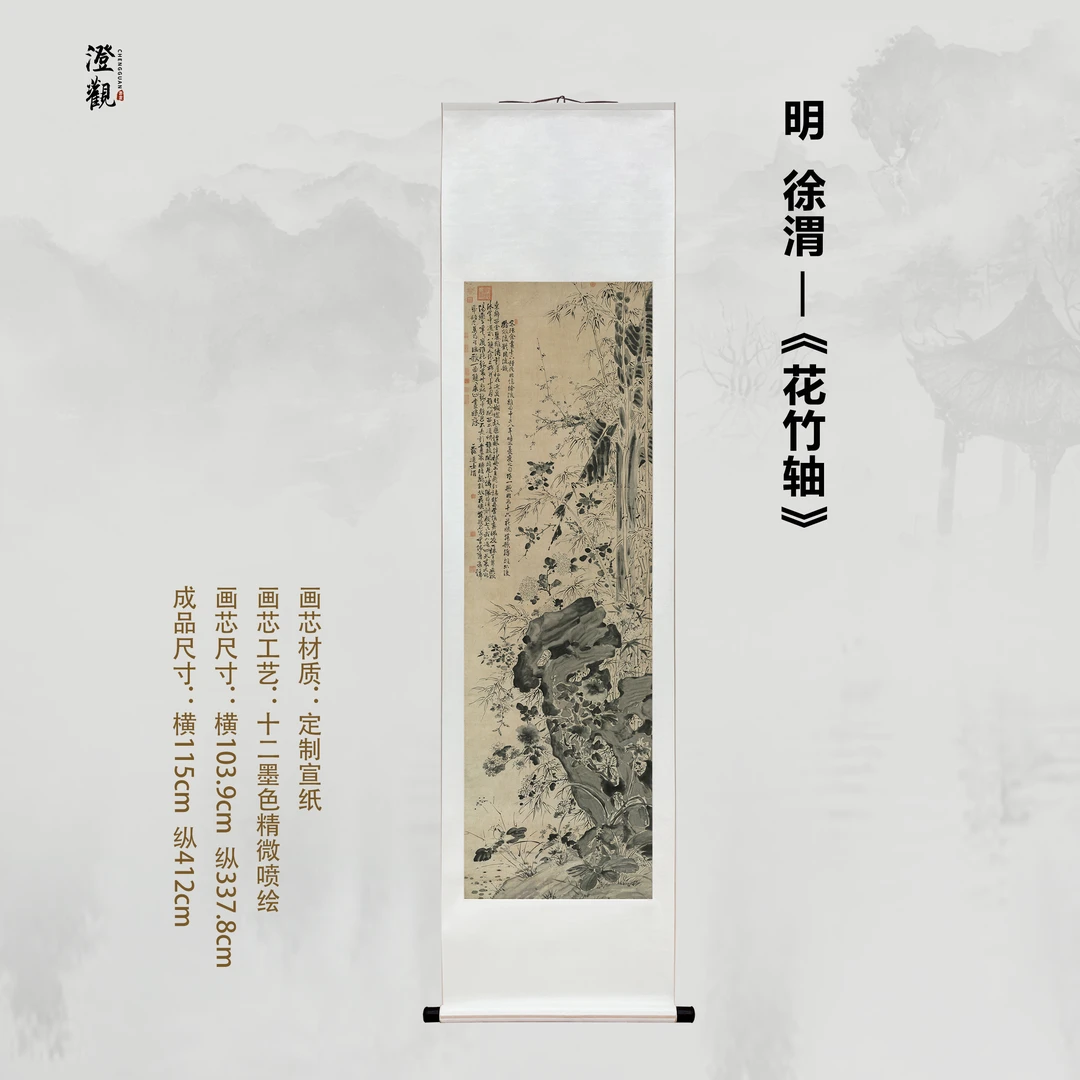
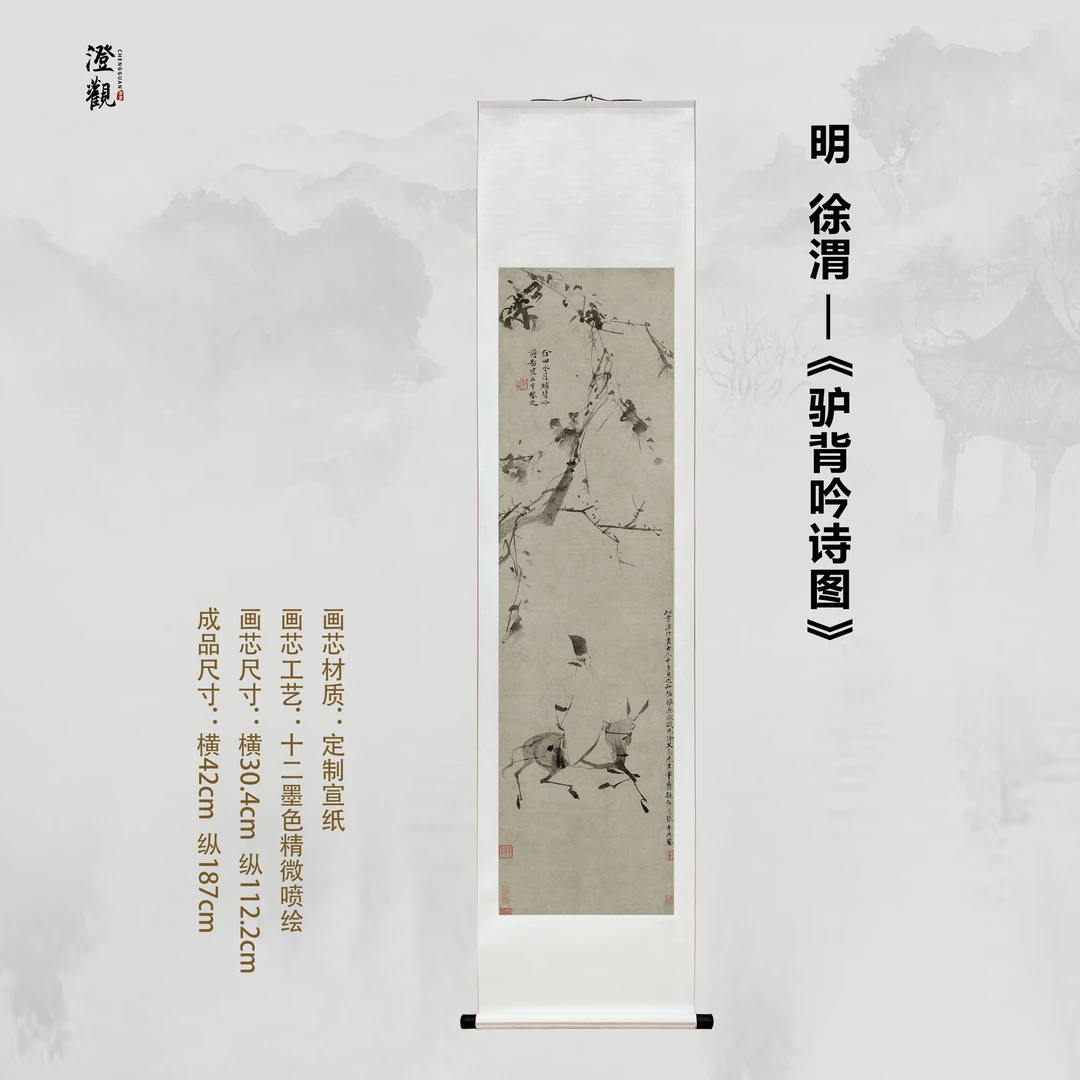
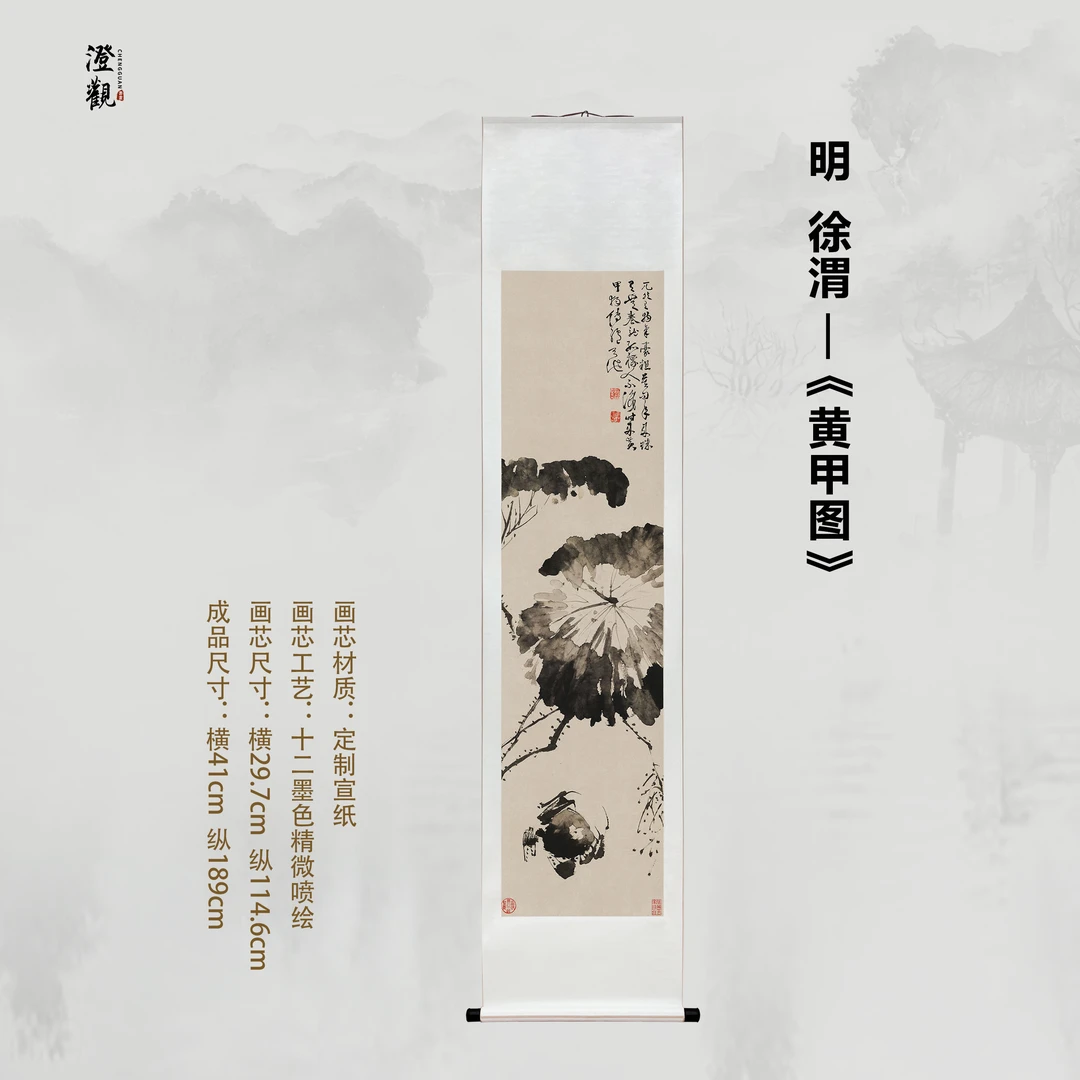
Xu Wei transformed Chinese art by moving away from meticulous representation toward pure emotional expression. He is the undisputed pioneer of the Great Freehand style, characterized by:
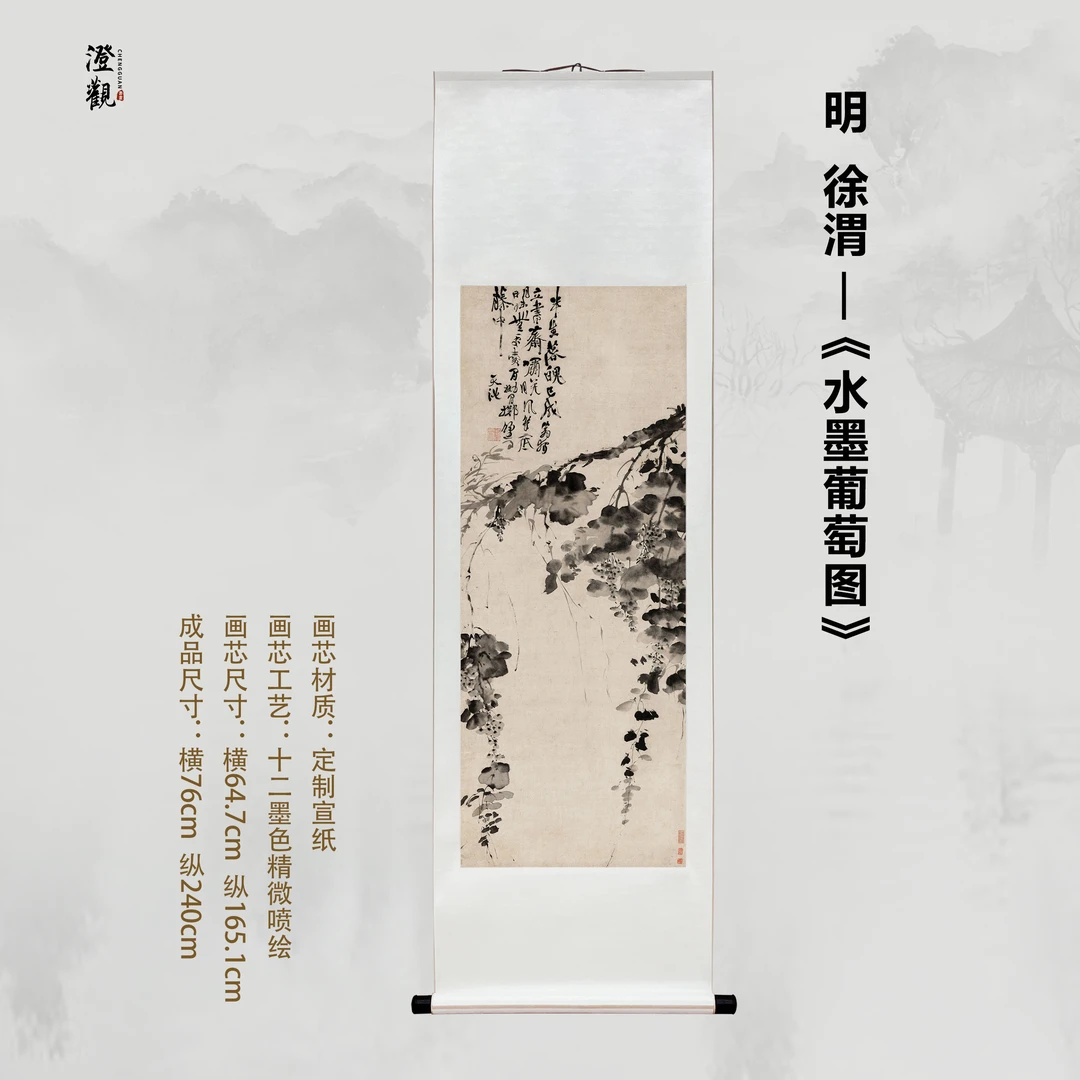
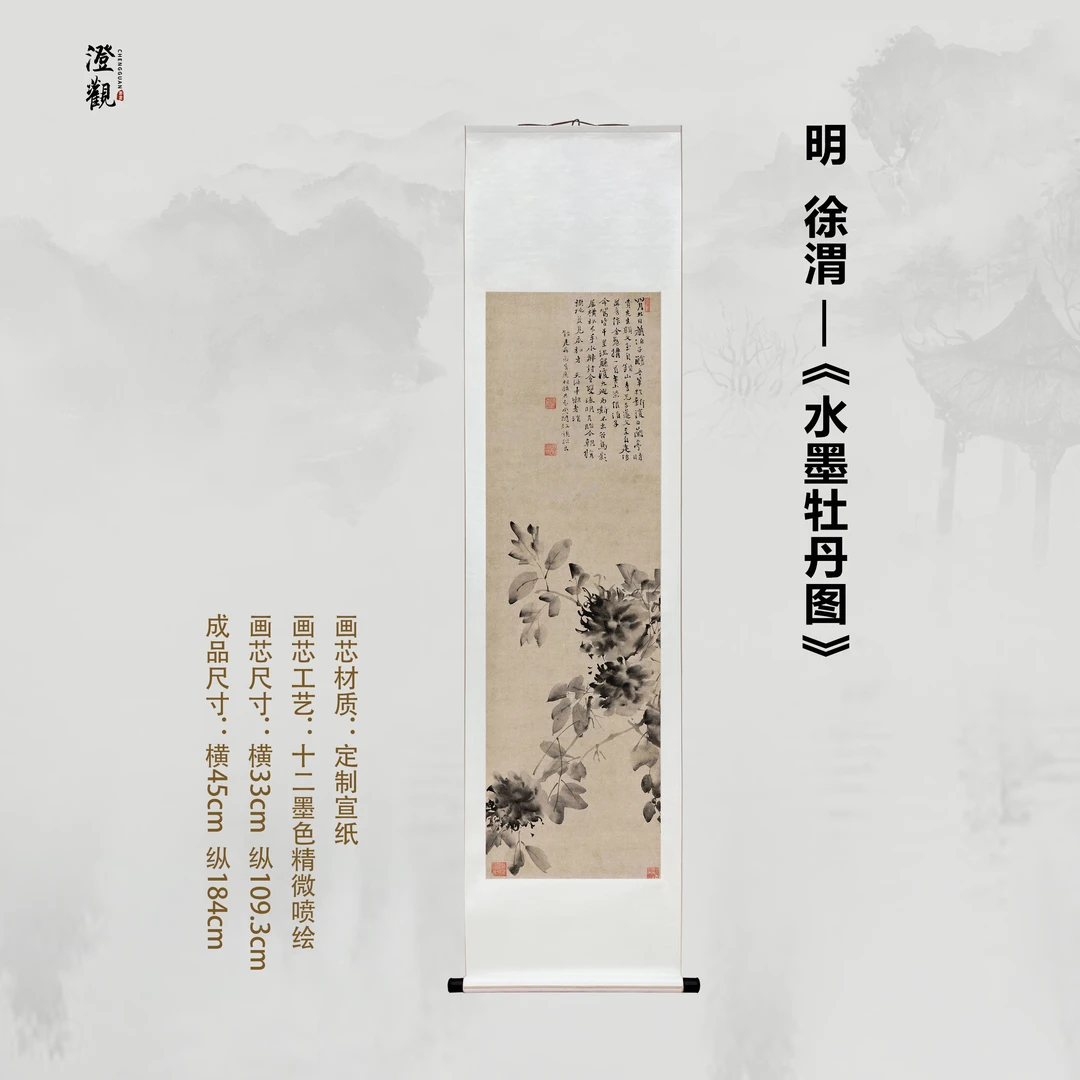
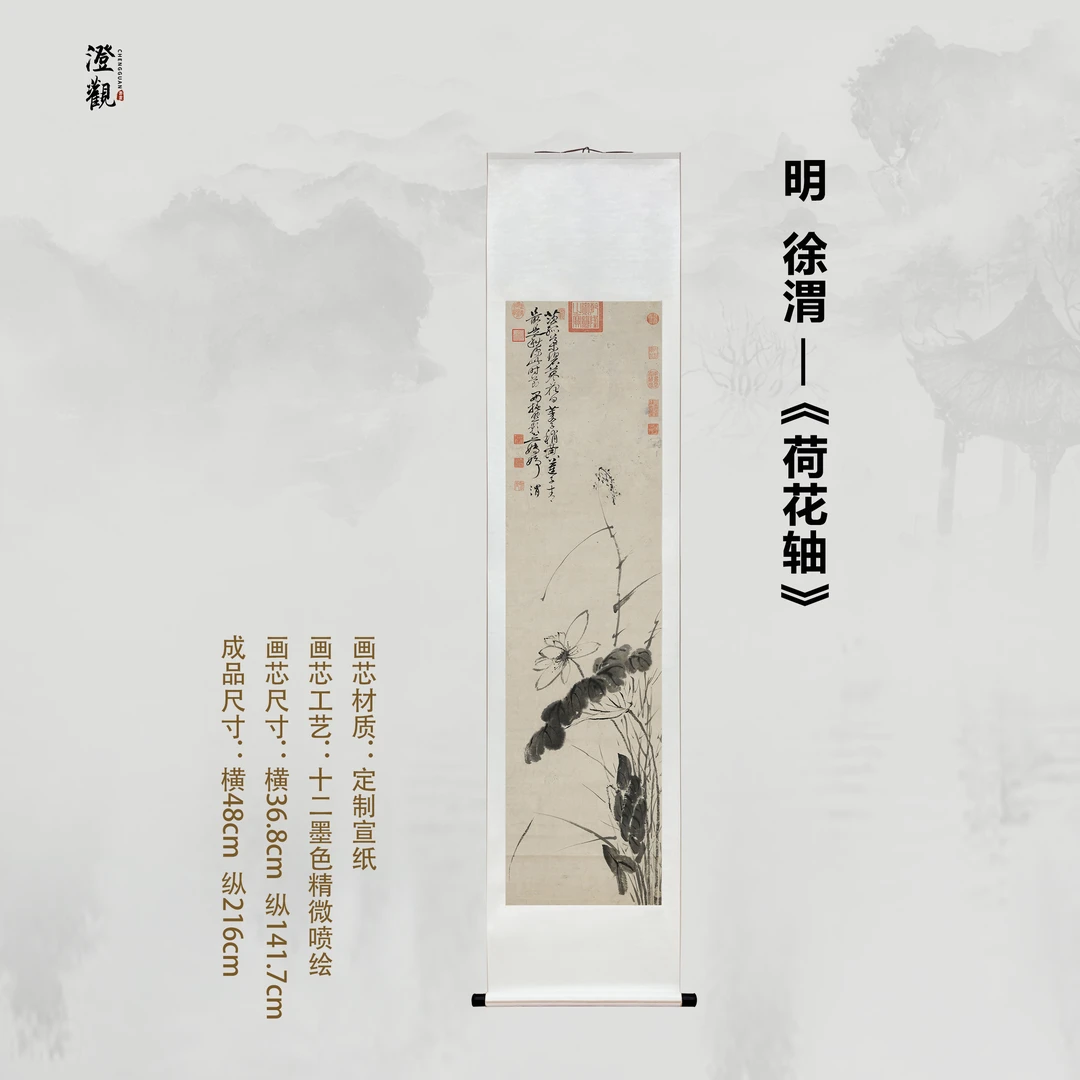
- Splashed-Ink Technique (Pomo): He utilized large, wet washes of ink that seemed spontaneous and explosive, yet were governed by a hidden internal structure.
- Subjectivity: His paintings of grapes, peonies, and bamboo were not intended to look "real" but to reflect his inner turmoil, defiance, and untamed spirit.
- Abstraction: He blurred the lines between calligraphy and painting, treating the brushstrokes as rhythmic, abstract gestures rather than mere outlines of objects.
3. Calligraphy: Wild and Unrestrained
As a calligrapher, Xu Wei was a master of the Kuangcao (Wild Cursive) script. His writing was a visual extension of his painting—chaotic, powerful, and defiant of traditional rules. His characters often seem to dance or clash across the paper, embodying a sense of radical individualism that was centuries ahead of its time. He famously stated that his calligraphy was his greatest achievement, followed by his poetry, prose, and finally his painting.
4. Dramatist and the "Four Cries of a Gibbon"
Beyond the visual arts, Xu Wei was a revolutionary playwright. His masterpiece, "The Four Cries of a Gibbon" (Si Sheng Yuan), is considered a milestone in Ming Dynasty theater. He broke traditional structural rules to create vivid, satirical, and emotionally raw dramas that challenged social conventions and explored the complexities of human nature, further cementing his status as a multi-dimensional genius.
5. Historical Legacy and Influence
Xu Wei’s influence on the next 400 years of East Asian art was monumental. He was the primary inspiration for the "Eight Eccentrics of Yangzhou" and the legendary Bada Shanren. In the 20th century, the great master Qi Baishi famously remarked that he would have been willing to "serve as a dog" just to grind ink for Xu Wei. Today, his works, such as "Grapes" (Moshui Putao) and "Four Seasons of Flowers," are preserved in the Palace Museum and are regarded as the fountainhead of modern Chinese expressionism.