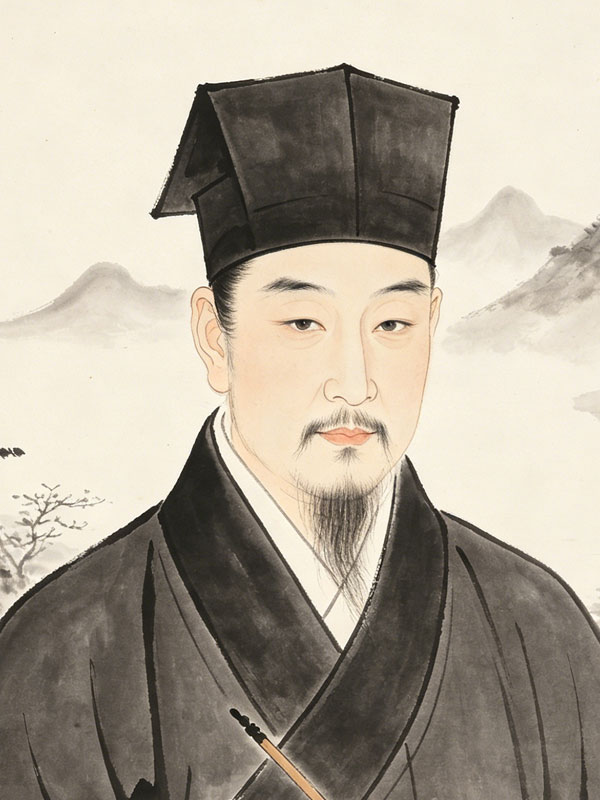
Xu Ben (徐贲): A Master of the Late Yuan and Early Ming Literati Tradition
Xu Ben (1335–1380), courtesy name Zhizhong (幼文) and pseudonym Beiguo Sheng (北郭生), was a pivotal painter, poet, and scholar-official who lived during the transition from the Yuan Dynasty to the early Ming Dynasty. He is best remembered as one of the "Four Heroes of Suzhou" (吴中四杰), a prestigious group of intellectuals who defined the cultural landscape of the 14th century.
1. The Four Heroes of Suzhou
Xu Ben was a central figure in the vibrant intellectual circles of Suzhou. Alongside Gao Qi, Yang Ji, and Zhang Yu, he represented the peak of Wu school erudition. Although he was born in Sichuan, his move to Suzhou allowed him to immerse himself in the literati (Wenren) culture, where painting was viewed as an extension of one’s moral character and poetic soul.
2. Artistic Style: Landscapes of Solitude
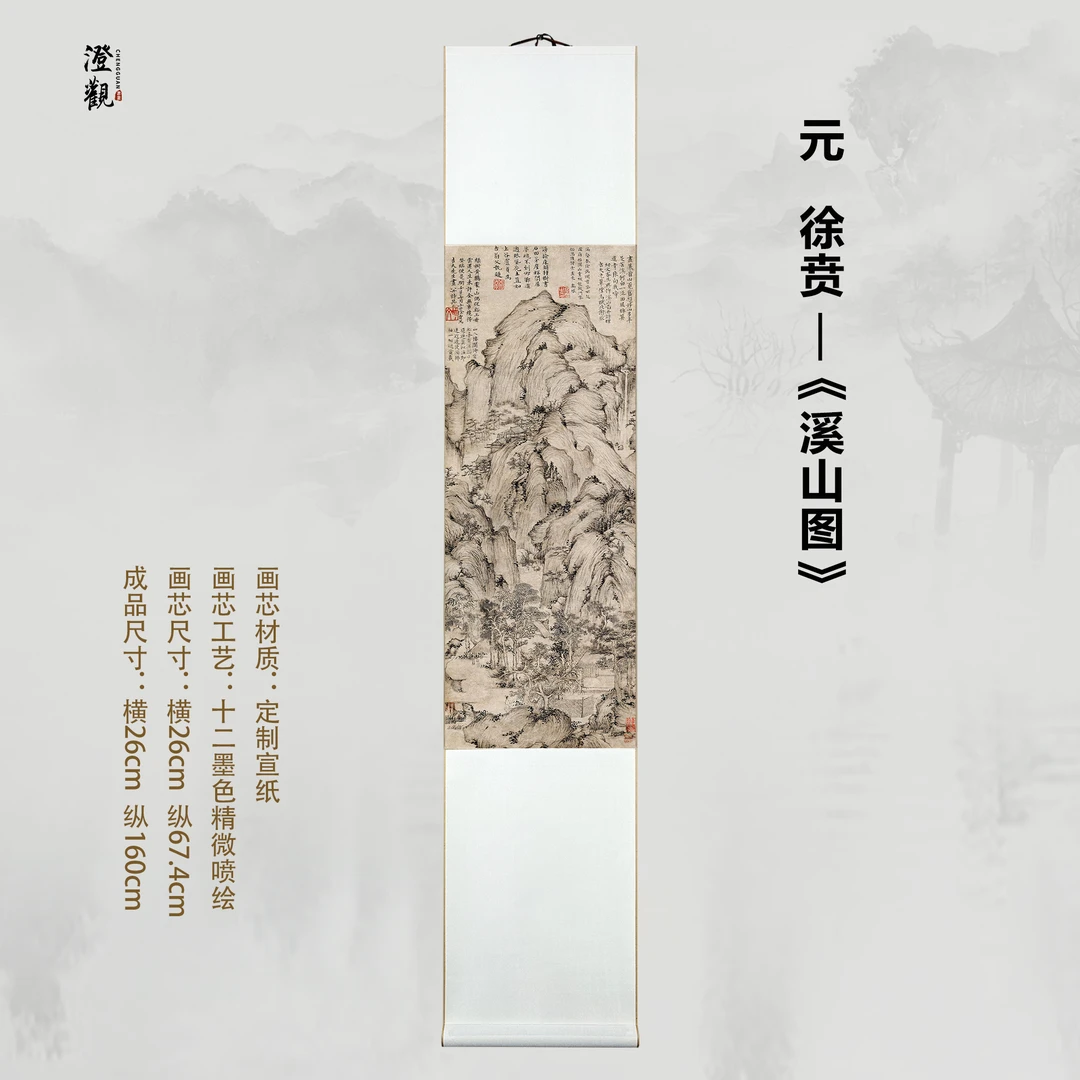
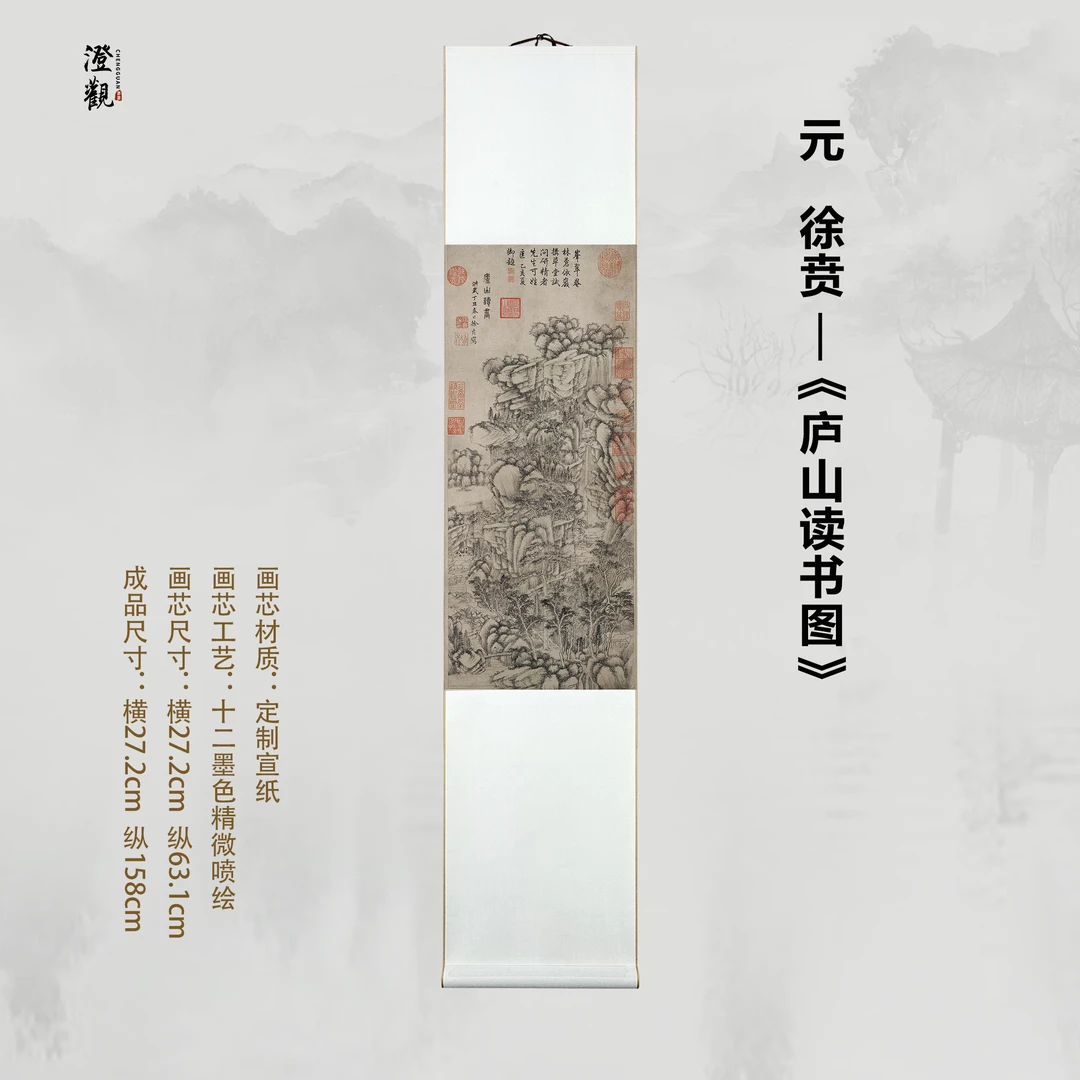
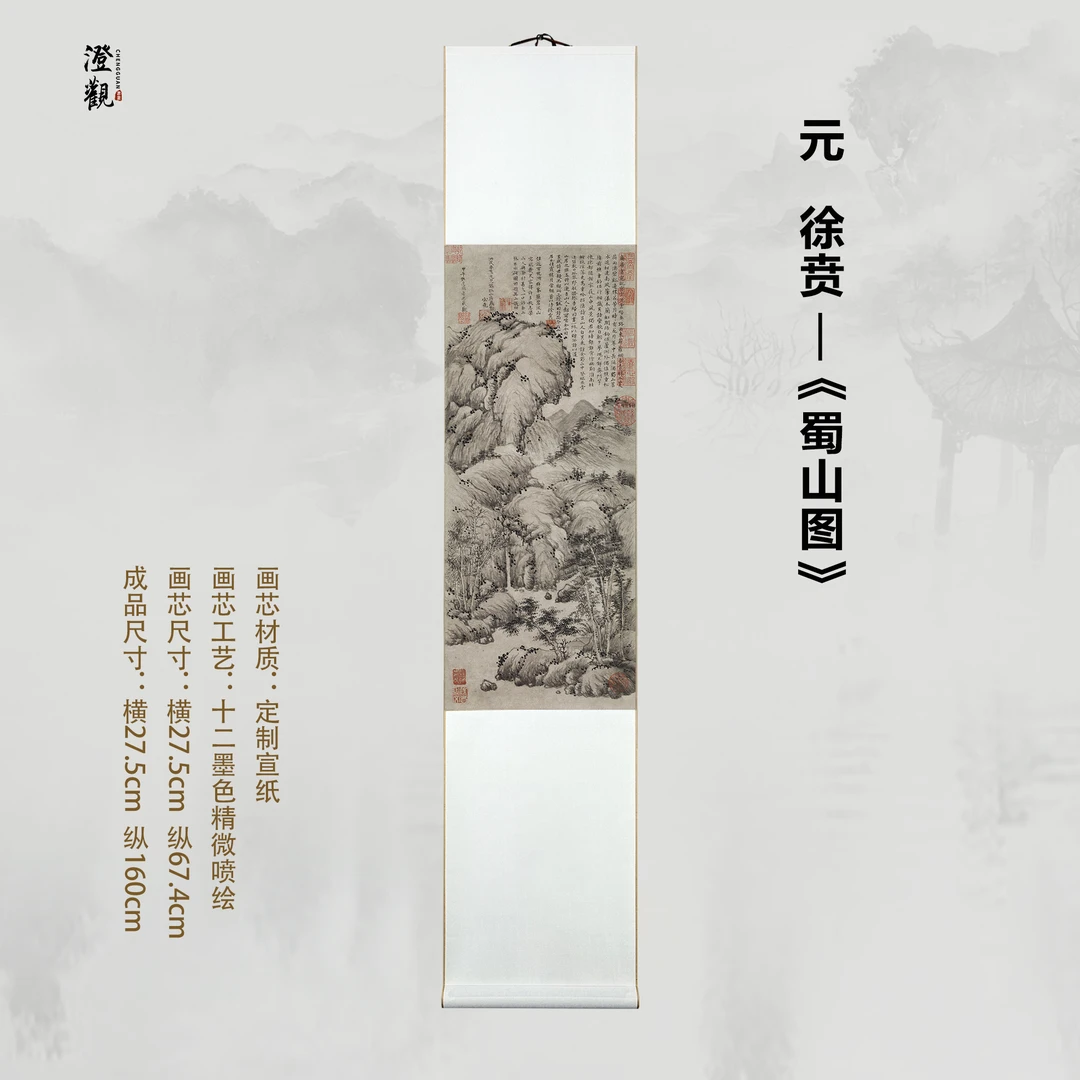
Xu Ben’s landscape paintings are characterized by their refined elegance and adherence to the classical traditions of the 10th-century masters. His primary influences included:
- Dong Yuan and Juran: He adopted the "hemp-fiber" strokes (pima cun) and soft ink washes to depict the rolling hills and moist atmosphere of the Jiangnan region.
- Dry Brush Technique: Much like the "Four Masters of the Yuan," Xu Ben often utilized dry ink and layered textures to create a sense of scholarly reclusion and ancient purity.
- Compositional Clarity: His works often feature sparse trees, secluded pavilions, and misty vistas, evoking a sense of detachment from the mundane world.
3. The Intersection of Poetry and Painting
In true literati fashion, Xu Ben did not view painting as an isolated craft. He was a prolific poet whose verses were often inscribed on his paintings, creating a "triple excellence" of poetry, calligraphy, and painting. His poetic style was noted for its clarity and emotional depth, often reflecting on the beauty of nature and the anxieties of living through a period of violent dynastic change.
4. Political Career and Tragic End
Unlike many recluses who avoided the new Ming administration, Xu Ben entered government service under Emperor Zhu Yuanzhang. He rose to the high-ranking position of Governor of Henan. However, the early Ming court was fraught with political peril. During a military campaign, Xu Ben was implicated in a logistics delay regarding military rations. He was imprisoned and died shortly thereafter, a tragic end shared by many of the Suzhou intellectuals of his generation.
5. Legacy and Historical Impact
Xu Ben’s work serves as a vital stylistic bridge between the expressive freedom of the late Yuan masters and the more structured "Wu School" that would flourish later in the Ming Dynasty. His masterpiece, "Lush Mountains in Summer" (Xiashan Tu), currently housed in the National Palace Museum, remains a definitive example of early Ming literati landscape art, showcasing his ability to blend technical precision with spiritual resonance.
— ALL MASTERPIECES LOADED —