
Xia Gui: The Master of the "Xia Half" and Minimalist Landscapes
Xia Gui (active c. 1195–1224 AD), courtesy name Yuyu, was a towering landscape painter of the Southern Song Dynasty. He is eternally linked with Ma Yuan as one of the "Four Masters of the Southern Song" and served as a painter-in-attendance in the Imperial Painting Academy under Emperor Ningzong. His artistic brilliance earned him the prestigious Golden Belt, marking him as a definitive force in the evolution of the academic style from the grand monumentalism of the north to the poetic intimacy of the south.
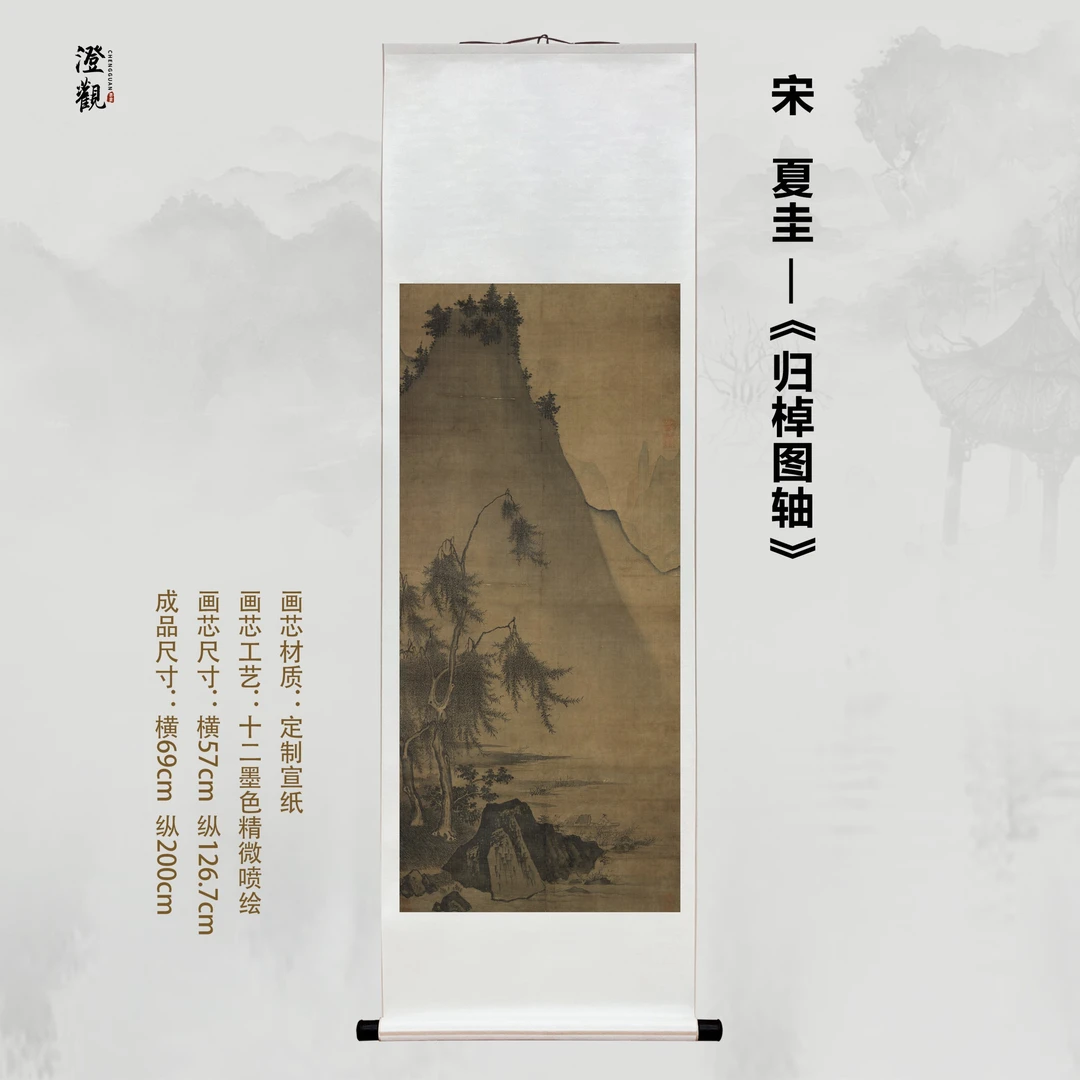
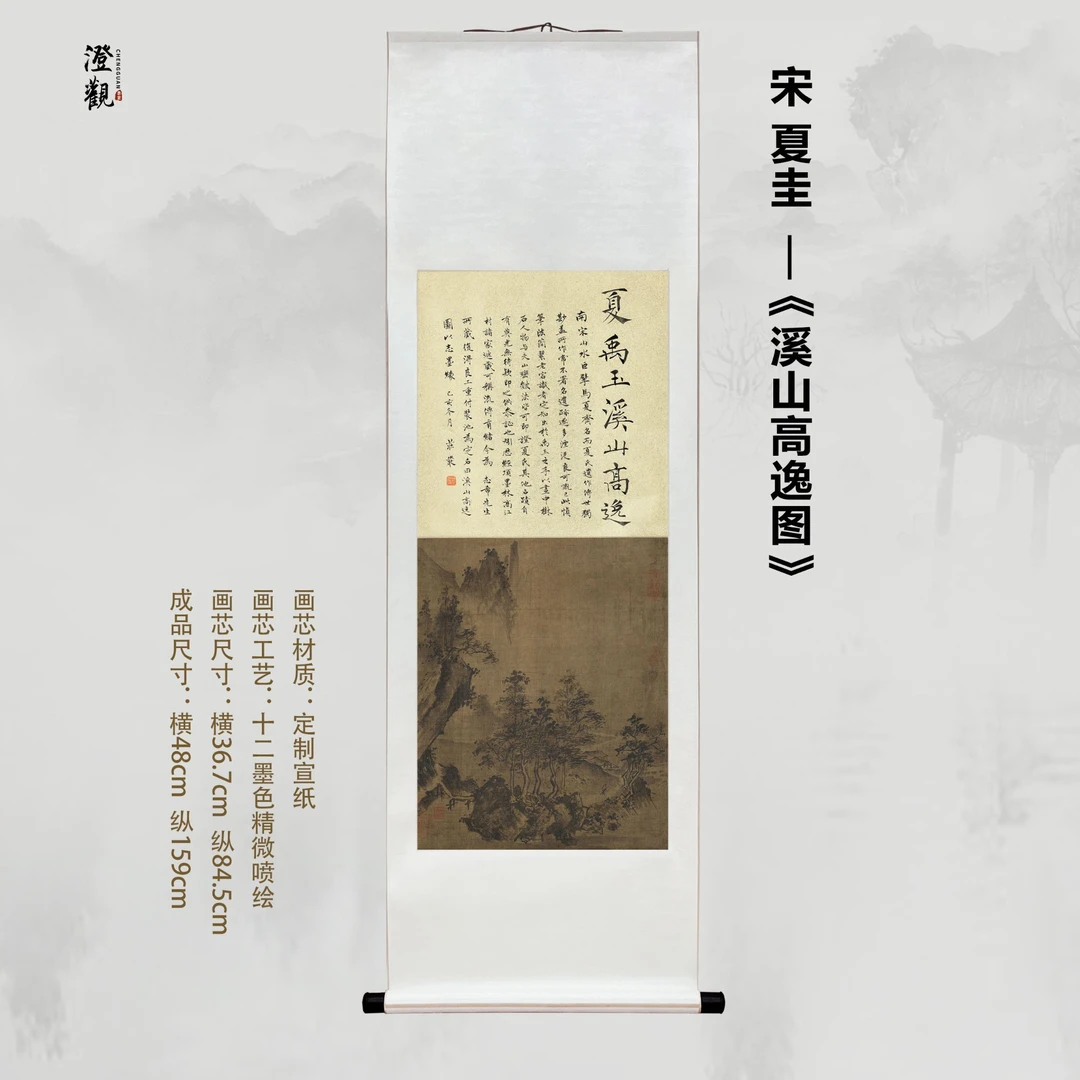
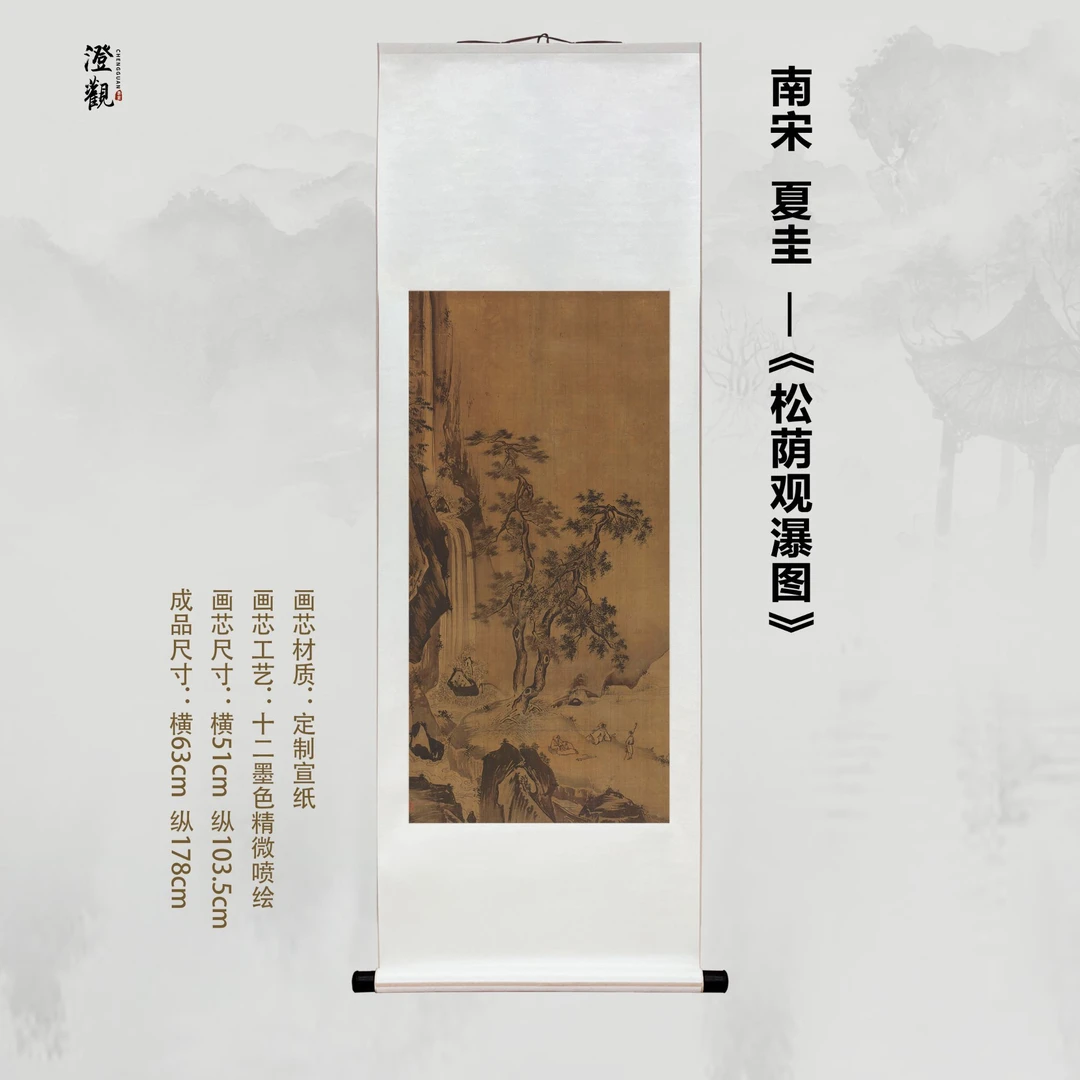
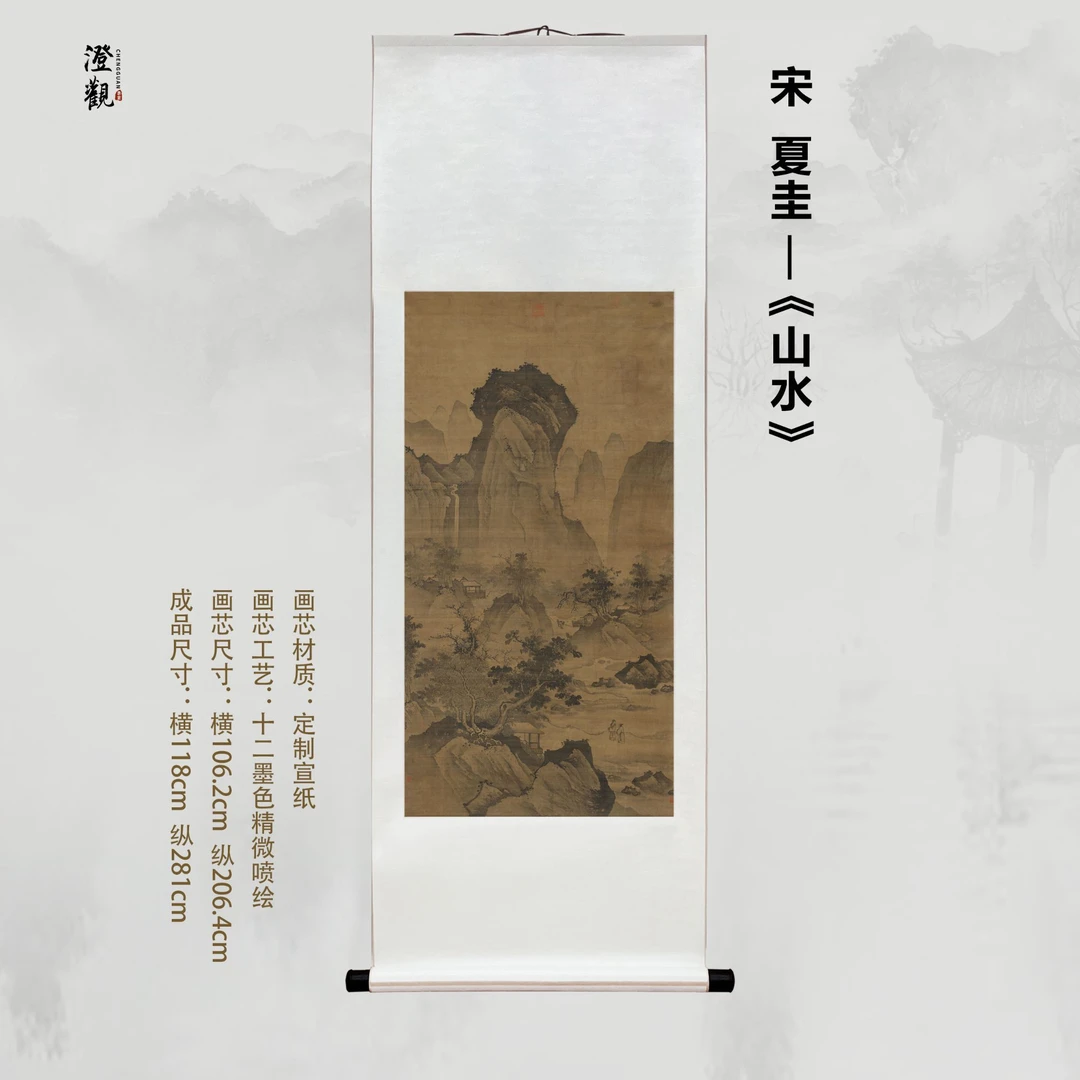
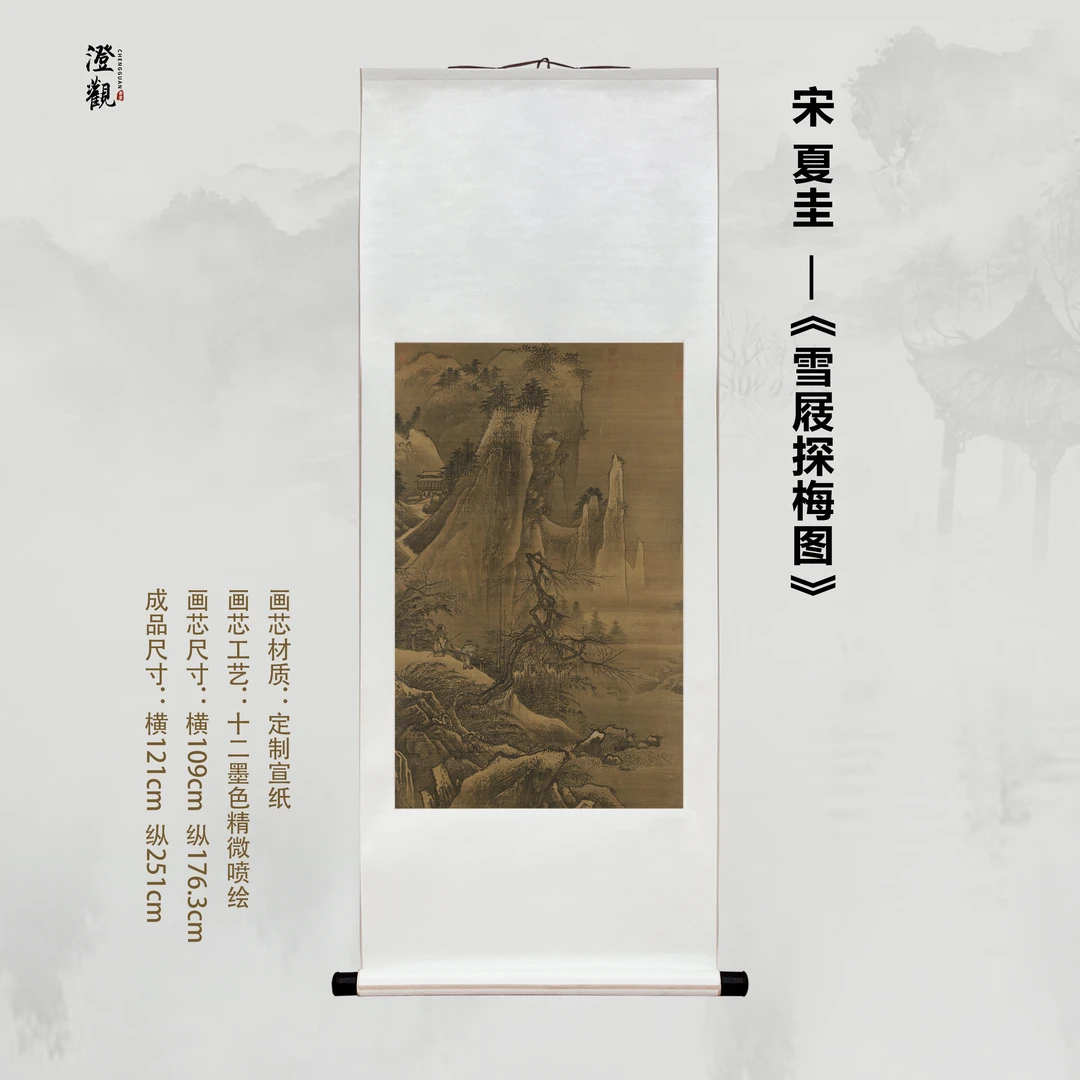
He is most famous for his minimalist spatial strategy, earning him the enduring nickname "Xia Half" (Xia Yibian). Building upon the "One-Corner" style of Ma Yuan, Xia Gui pushed the boundaries of compositional simplicity even further. He often compressed the main landscape elements into one side or the bottom half of the silk, leaving the remaining vast area as a suggestive void. This masterly use of negative space was not merely an absence of ink, but a profound representation of mist, water, and infinite sky, creating a sense of unbound tranquility and deep spiritual distance.
His technical prowess was defined by a mastery of wet ink washes and a refined version of the "Axe-cut stroke" (Fupi Cun). While his strokes were firm and decisive like those of Li Tang, Xia Gui’s brushwork was often brisker and more spontaneous, utilizing a "dripping ink" technique that made his rocks and trees appear moist and atmospheric. He was a peerless expert in depicting distant horizons and the subtle gradations of foggy riverbanks, using varying ink tones to achieve a three-dimensional depth with remarkable economy of brush.
His magnum opus, "Pure and Remote View of Streams and Mountains" (溪山清远图), is considered a world-class masterpiece and a pinnacle of the Southern Song handscroll tradition. Currently housed in the National Palace Museum, this incredibly long scroll features shifting perspectives that take the viewer through a rhythmic journey of jagged cliffs, secluded temples, and expansive waterscapes. The work is celebrated for its dramatic ink contrasts and its ability to convey the rhythmic vitality (Qi Yun) of nature through a series of minimalist vignettes.
The legacy of Xia Gui is most prominent in the Ma-Xia School, which exerted a massive influence on the development of Zen painting (Sumi-e) in Japan and the Zhe School during the Ming Dynasty. His reductive aesthetic—the idea that "less is more"—became a foundational principle in East Asian art, shifting the focus from physical description to emotional resonance. Today, he is remembered as the artist who conquered the void, proving that the most powerful parts of a painting are often the ones left untouched by the brush.
— ALL MASTERPIECES LOADED —