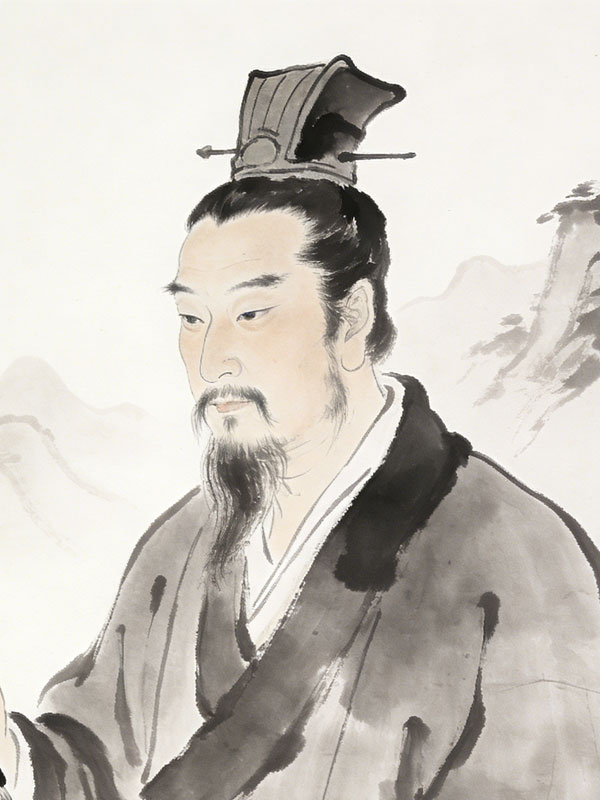
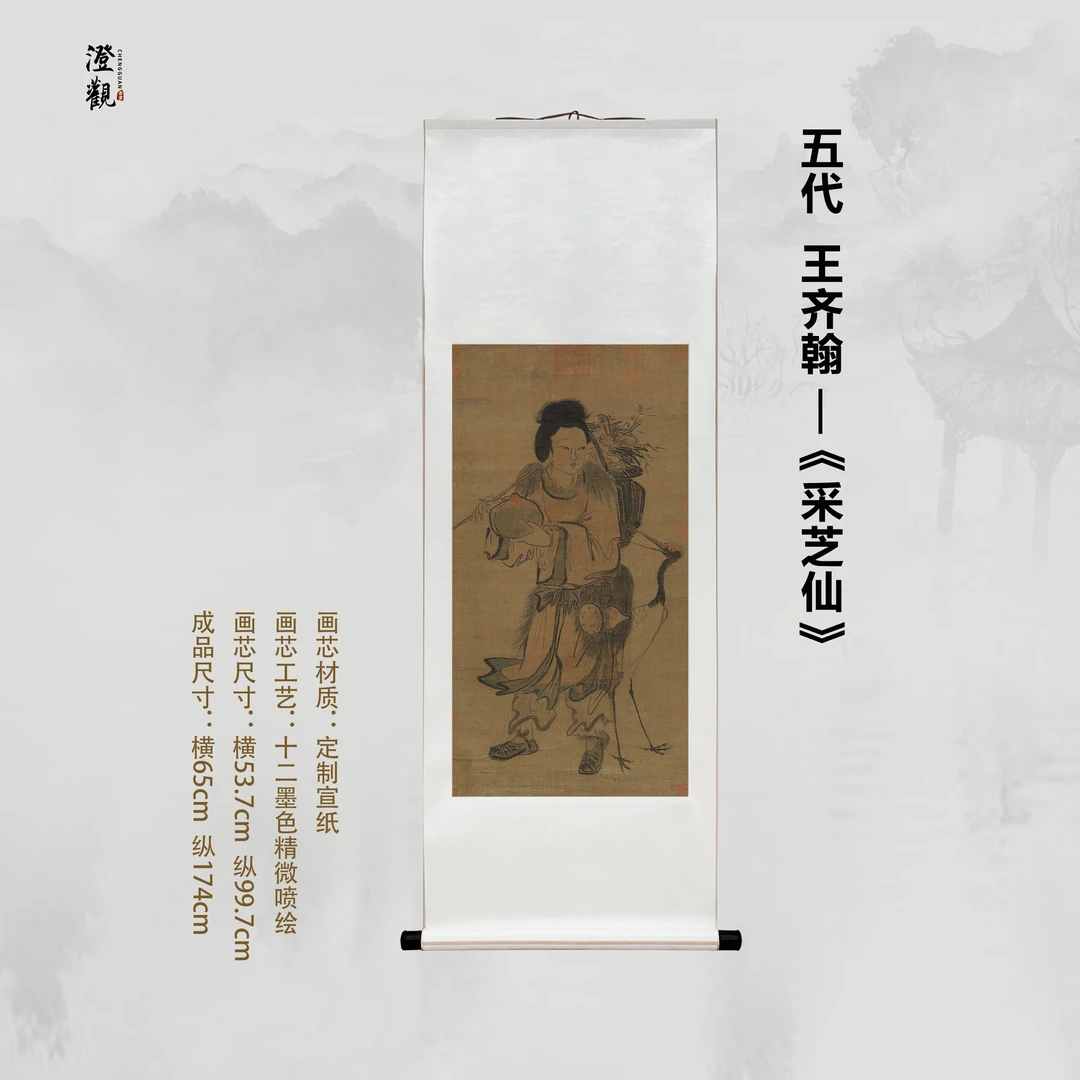
Wang Qihan: The Master of Scholarly Life and Spiritual Figures
Wang Qihan (active mid-10th century AD) was a highly esteemed court painter of the Southern Tang Dynasty during the Five Dynasties and Ten Kingdoms period. A native of Jinling (modern-day Nanjing), he served as a painter-in-attendance in the Hanlin Academy under the patronage of the last two rulers of the Southern Tang, including the famous poet-emperor Li Yu. He was a versatile artist who excelled in figure painting, landscape, and religious subjects, earning a reputation for his ability to blend technical precision with a deep sense of literary atmosphere.
He is historically renowned for his "secularized" approach to portraiture and genre painting. While his predecessors often focused on the grandiosity of the court or the austerity of religious icons, Wang Qihan brought a humanistic touch to his subjects. His brushwork was characterized by fine, firm lines and a subtle use of color, which allowed him to capture the intellectual temperament of scholars and the serene dignity of Buddhist and Taoist deities. His religious murals were once widely found in the temples of Nanjing, praised for their lifelike expressions and graceful proportions.
His most iconic surviving masterpiece is the handscroll "Picking the Ear" (also known as Kan Shu Tu or "The Scholar Collating Books"). This painting is a milestone in Chinese genre painting because it depicts a high-ranking scholar in an unusually informal and private moment—scratching his ear while surrounded by scrolls and a beautiful landscape screen. This work is celebrated for its meticulous detail in rendering the scholar's furniture and accessories, as well as its psychological realism, which reflects the reclusive ideals and sophisticated leisure of the Southern Tang elite.
The historical records, such as the Xuanhe Catalogue of Paintings, highlight Wang Qihan’s prolific output and his high standing in the imperial collection. It is said that Emperor Li Yu held his work in such high regard that he personally inscribed many of Wang’s paintings. His ability to integrate landscape screens within his figure paintings—a "painting within a painting" technique—demonstrated his compositional mastery and influenced the development of indoor setting depictions in the subsequent Song Dynasty.
Wang Qihan’s legacy lies in his contribution to the refinement of figure painting, transitioning from the heavy religious styles of the Tang to the more elegant and introspective styles of the Northern Song. His works served as a cultural bridge, preserving the aristocratic sensibilities of the south while paving the way for the literati art movement. Today, his surviving works are considered national treasures, with "Picking the Ear" residing in the Nanjing Museum, standing as a testament to the cultural zenith of 10th-century China.
— ALL MASTERPIECES LOADED —