Wang Meng (王蒙): The Master of Complexity and Density in Yuan Dynasty Painting
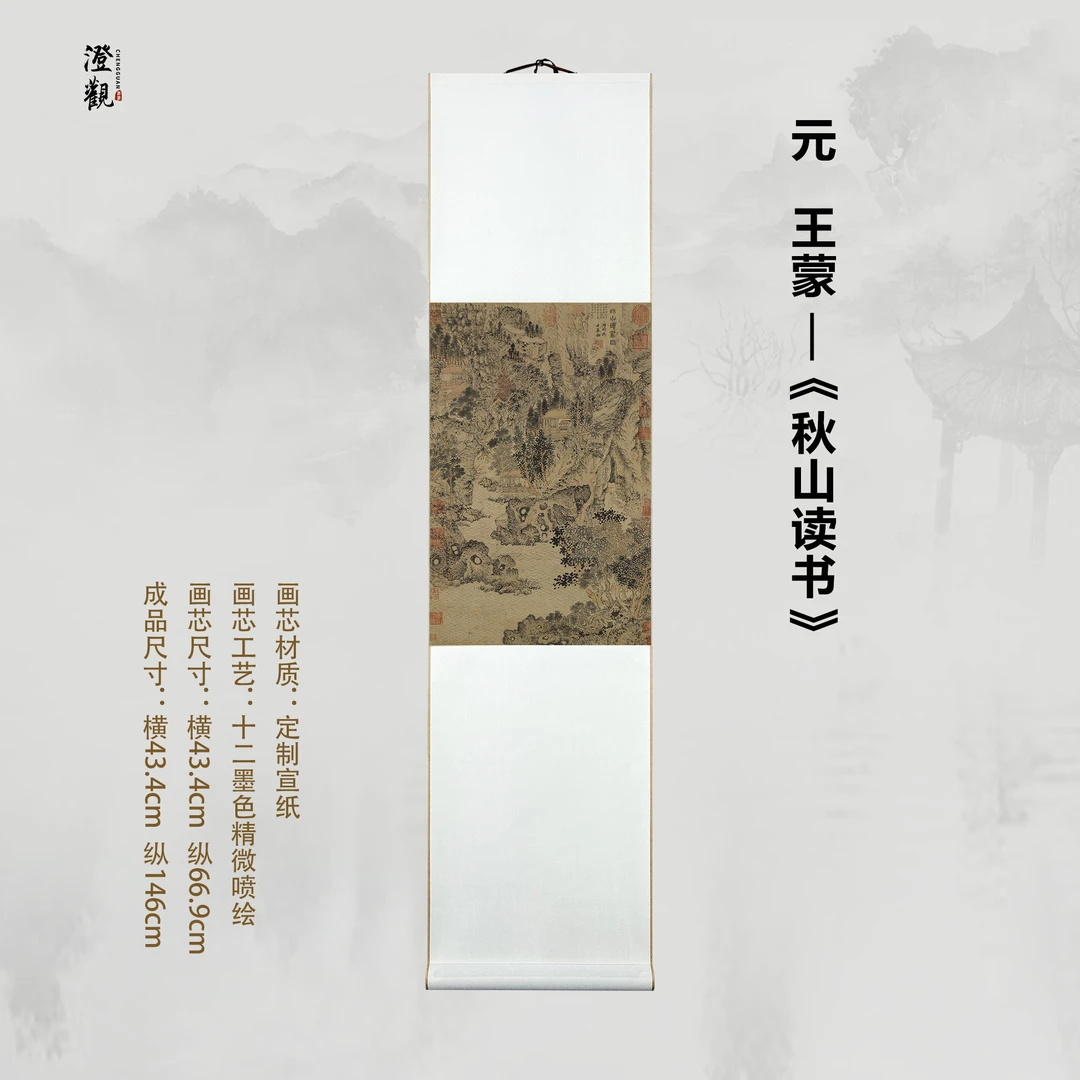
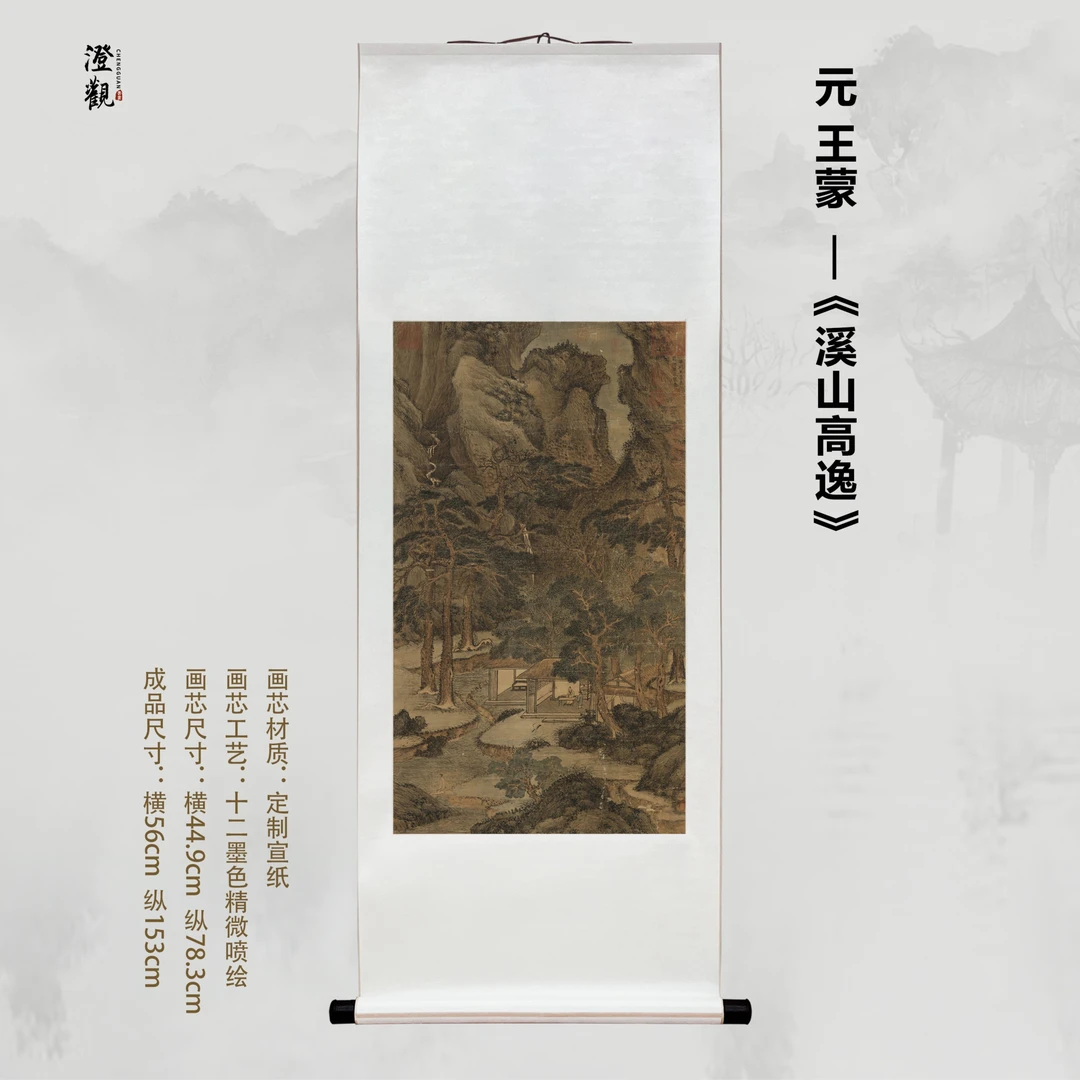
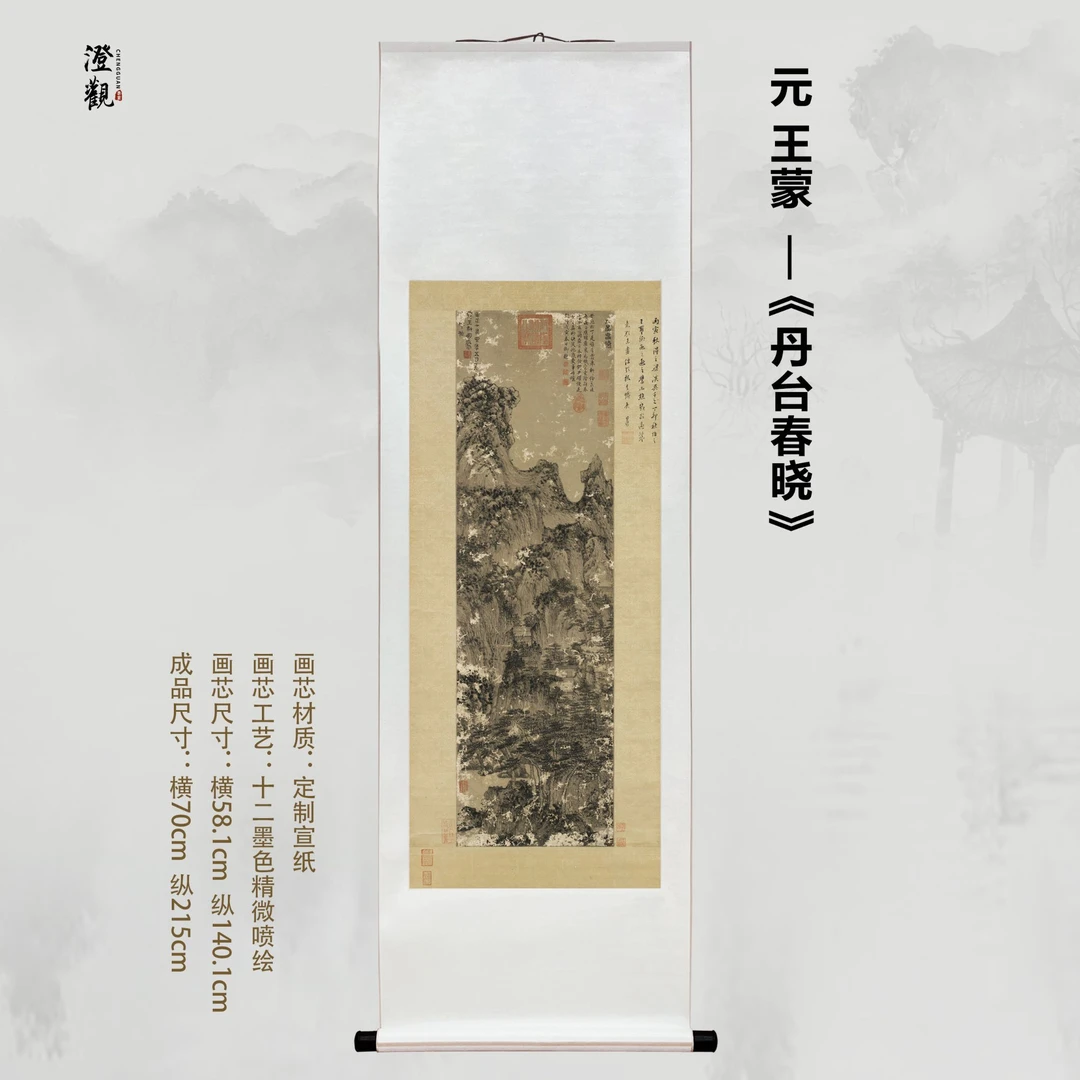
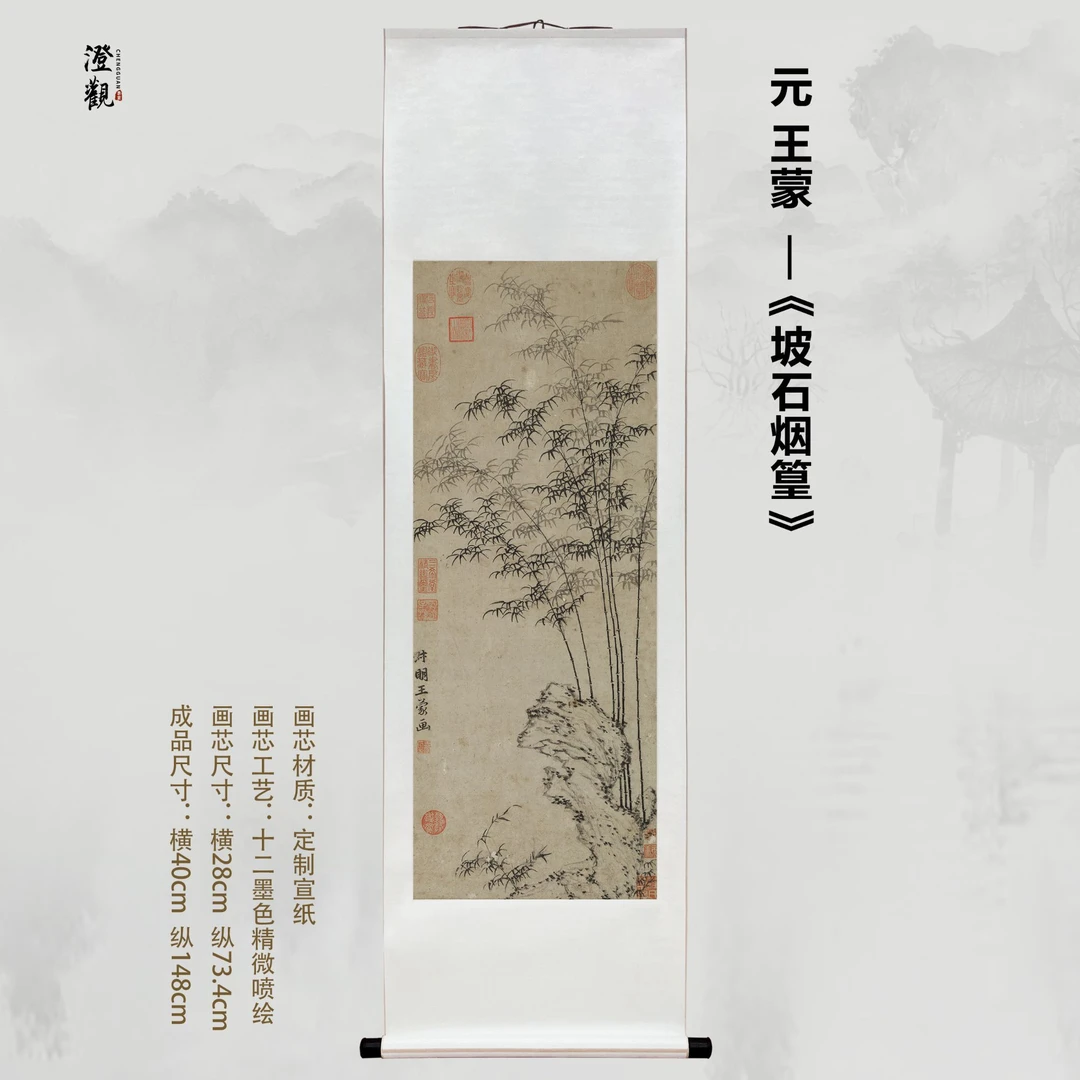
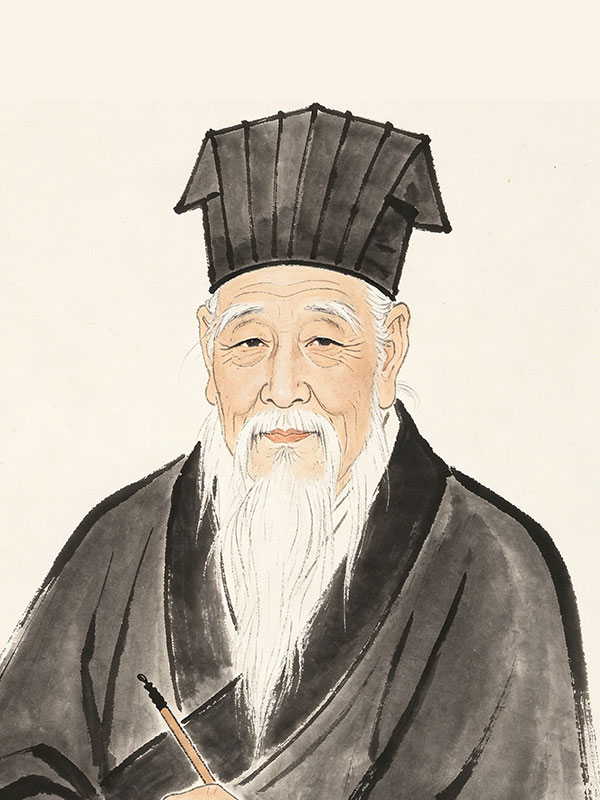
Wang Meng (c. 1308–1385), courtesy name Shuming (叔明), was a legendary Chinese artist recognized as one of the Four Masters of the Yuan Dynasty. Renowned for his intricate and "dense" style, he transformed landscape painting from a mere observation of nature into a profound expression of the artist’s inner psychological world.
1. Illustrious Artistic Lineage
Wang Meng was born into an elite cultural family. He was the grandson of the famous painter Zhao Mengfu and Guan Daosheng. This heritage granted him deep exposure to the Southern Song and Tang Dynasty traditions, which he eventually fused into his own unique Literati painting style. While he held a minor office during the Yuan Dynasty, he eventually chose a life of reclusion at Mount Huanghe (Yellow Crane Mountain).
2. Revolutionary Style and Technique
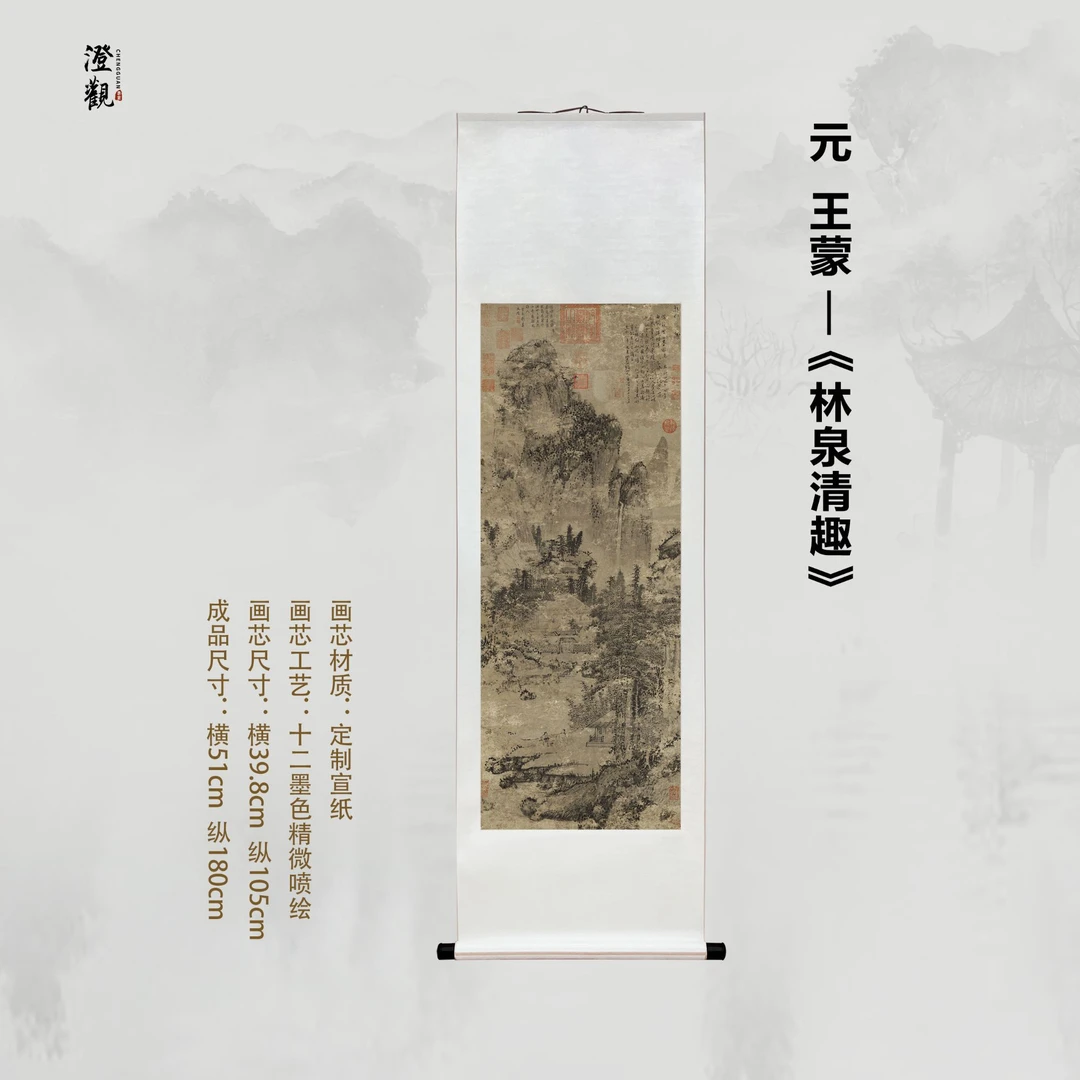
Unlike the minimalist approach of his contemporary Ni Zan, Wang Meng’s work is characterized by extravagance and complexity. His technical innovations include:
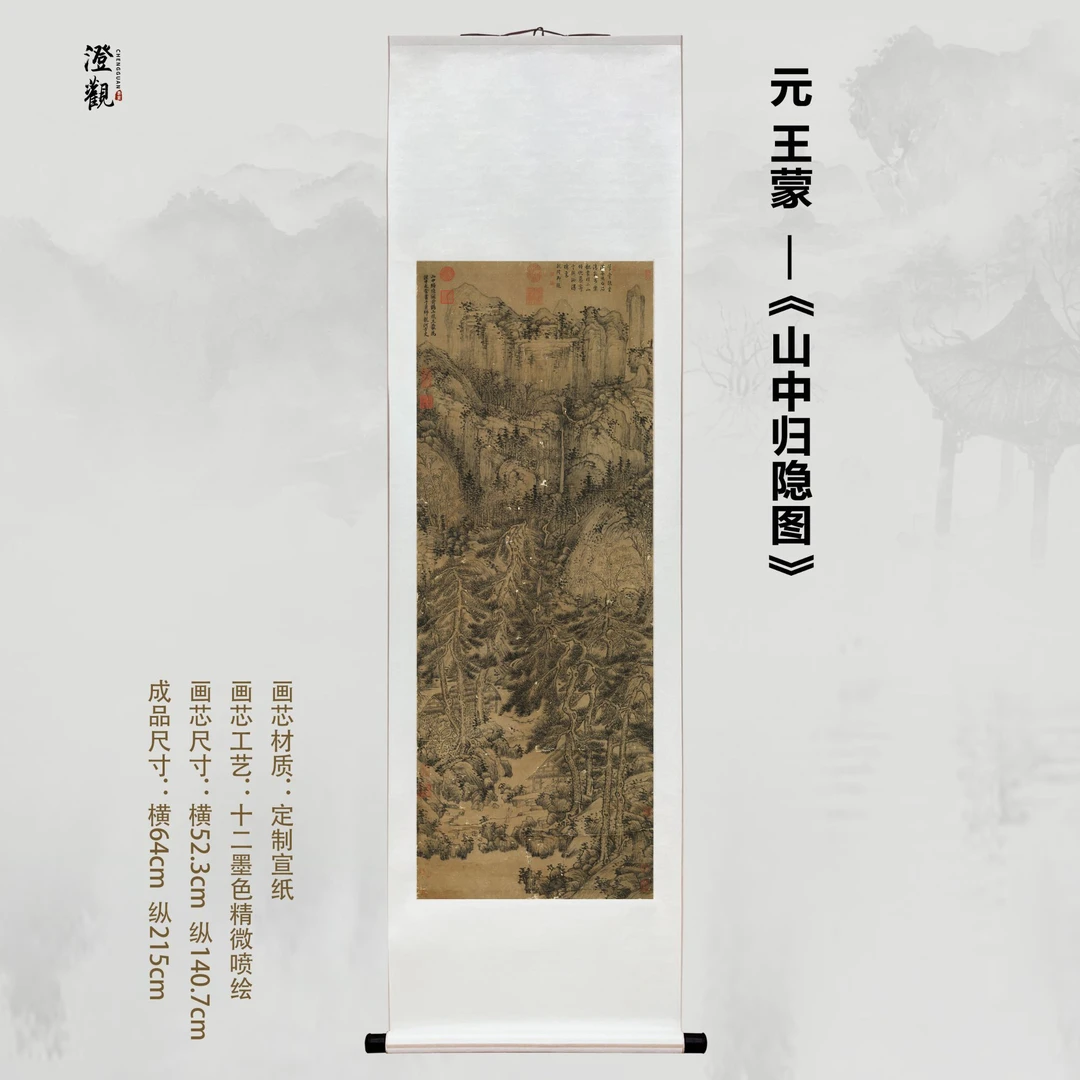
- Ox-hair texture stroke (Niumao cun): A signature technique involving fine, wavy, and tangled strokes that create a sense of vibrating energy and rich texture on mountain surfaces.
- Dense Composition: Known as "dense and crowded" (jieguo), his paintings often fill the entire scroll with towering peaks and thick forests, leaving almost no white space.
- Subjective Expression: His landscapes were not meant to be realistic maps but rather "mind landscapes" reflecting the turbulent spirit of a scholar living through the fall of the Yuan Dynasty.
3. The Masterpiece: "Dwelling in the Qingbian Mountains"
Created in 1366, "Dwelling in the Qingbian Mountains" (青卞隐居图) is widely considered his greatest work. It is famous for its restless energy and distorted perspectives, utilizing a vertical composition that seems to writhe with life. This piece is often cited as a turning point where Chinese ink wash painting moved toward a more expressionistic and personal style.
4. Tragic End and Historical Legacy
Wang Meng’s life ended in political misfortune. During the early Ming Dynasty, he was arrested for his association with the official Hu Weiyong, who was accused of treason. Wang Meng died in prison in 1385. Despite his tragic end, his influence flourished during the Ming and Qing Dynasties, serving as a primary inspiration for the Orthodox School and master artists like Dong Qichang and Shen Zhou.