Wang Hui (王翚): The Great Synthesizer of the Qing Dynasty Orthodox School
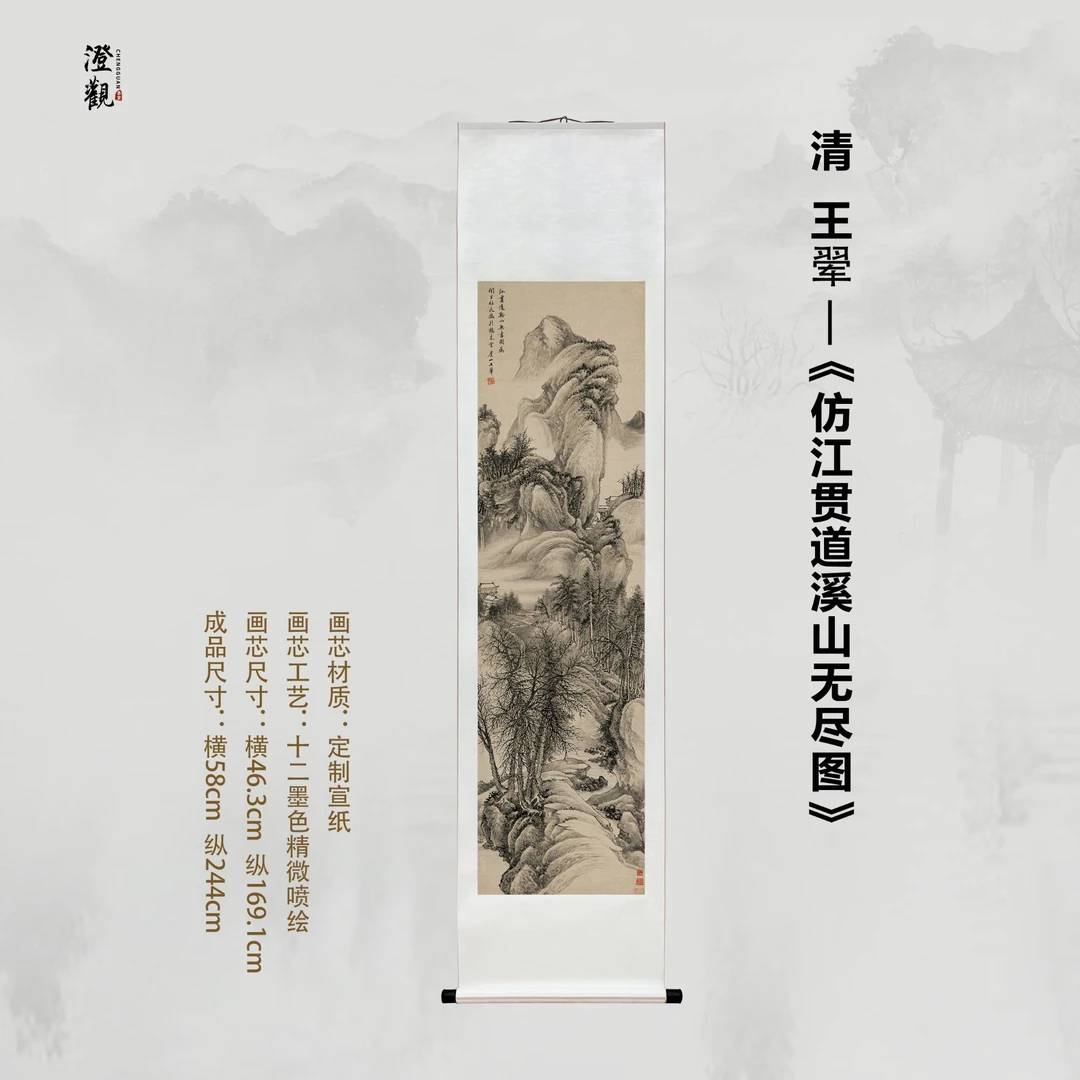
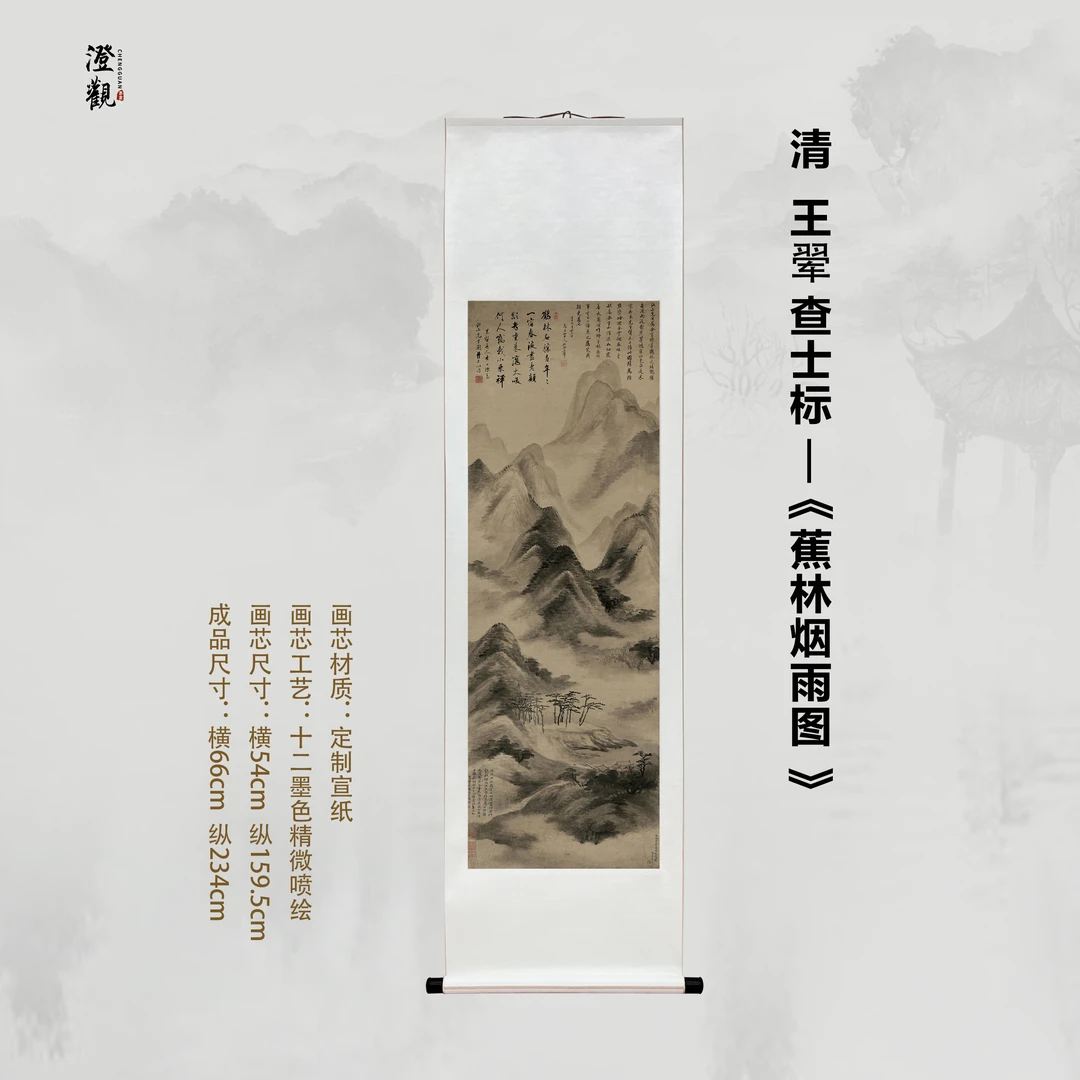
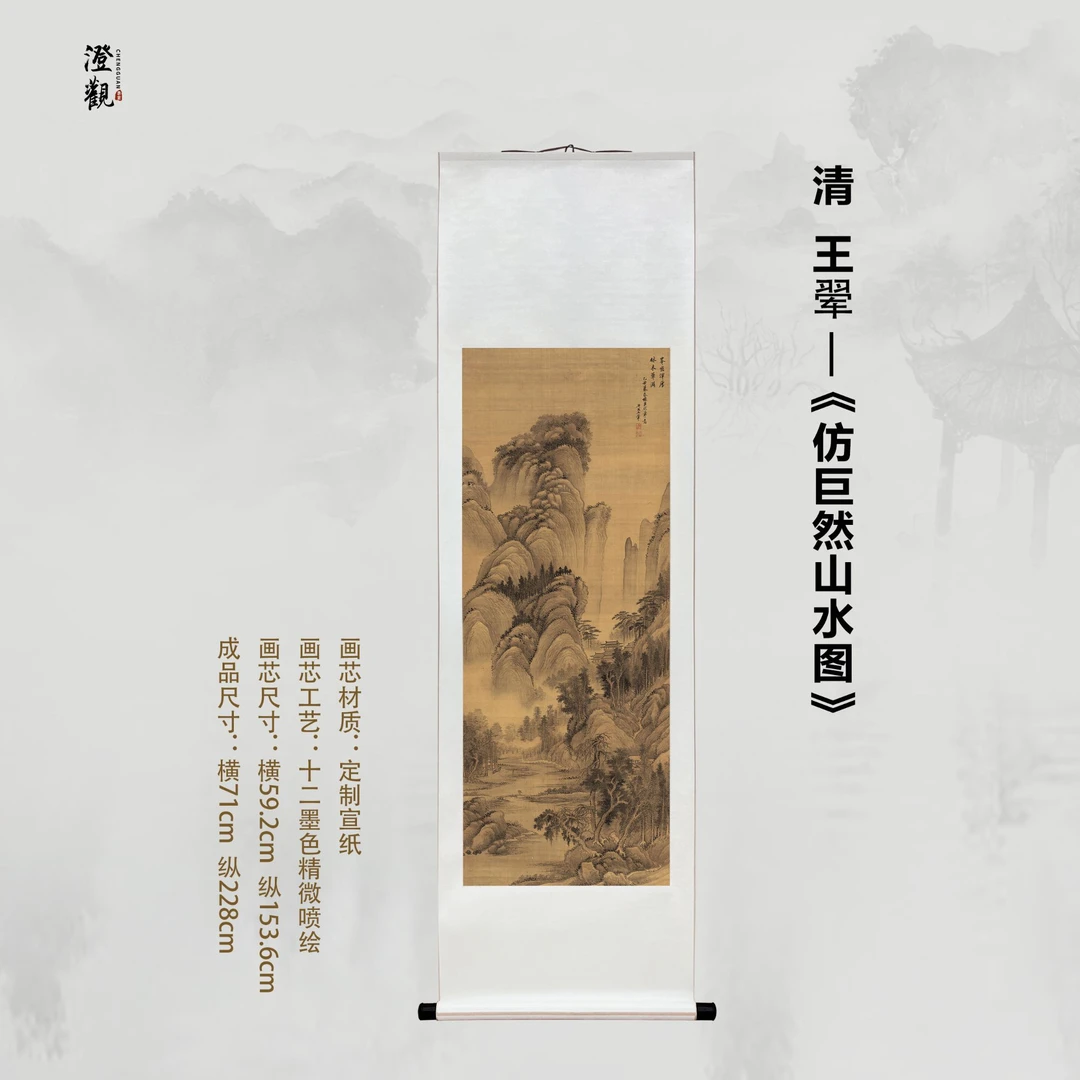
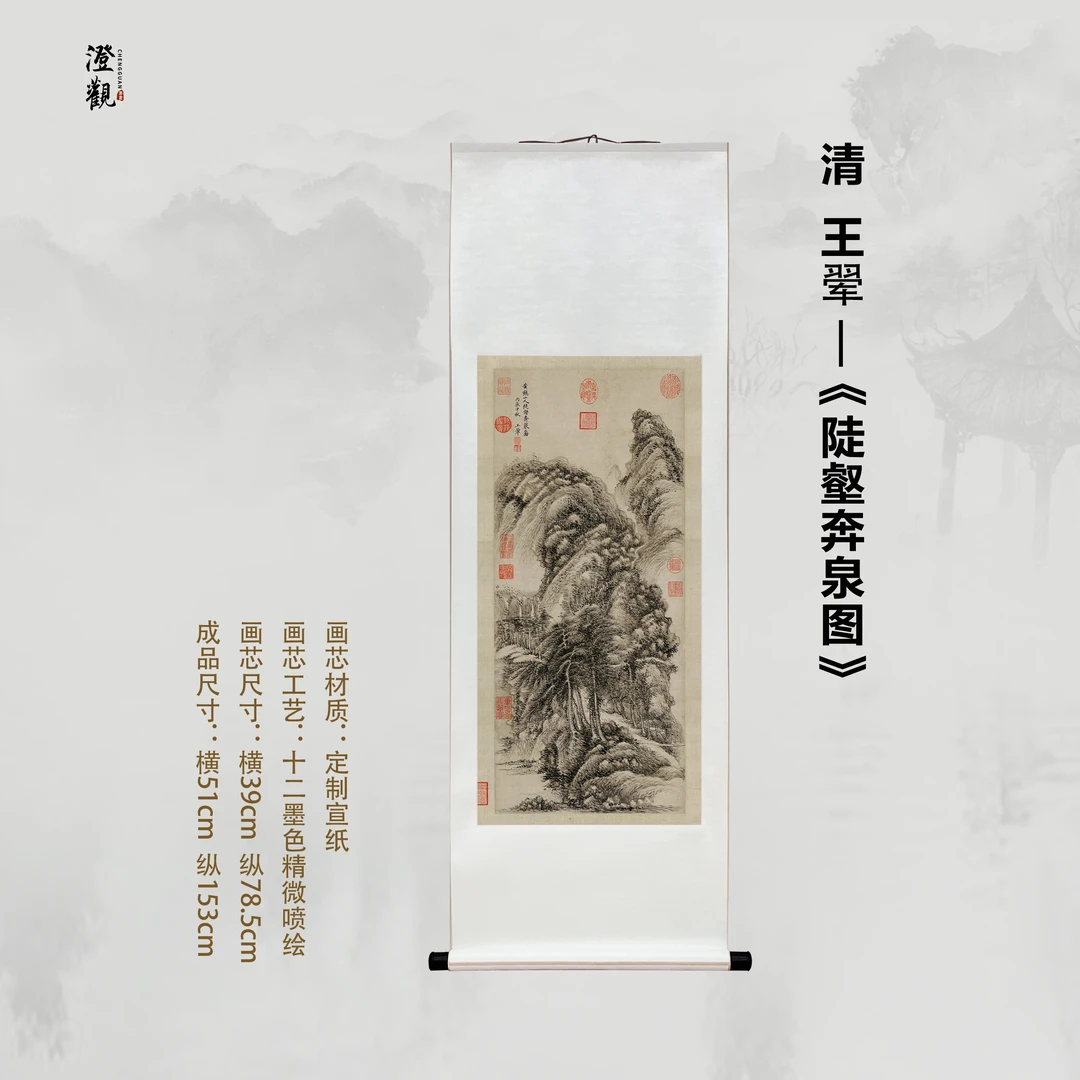
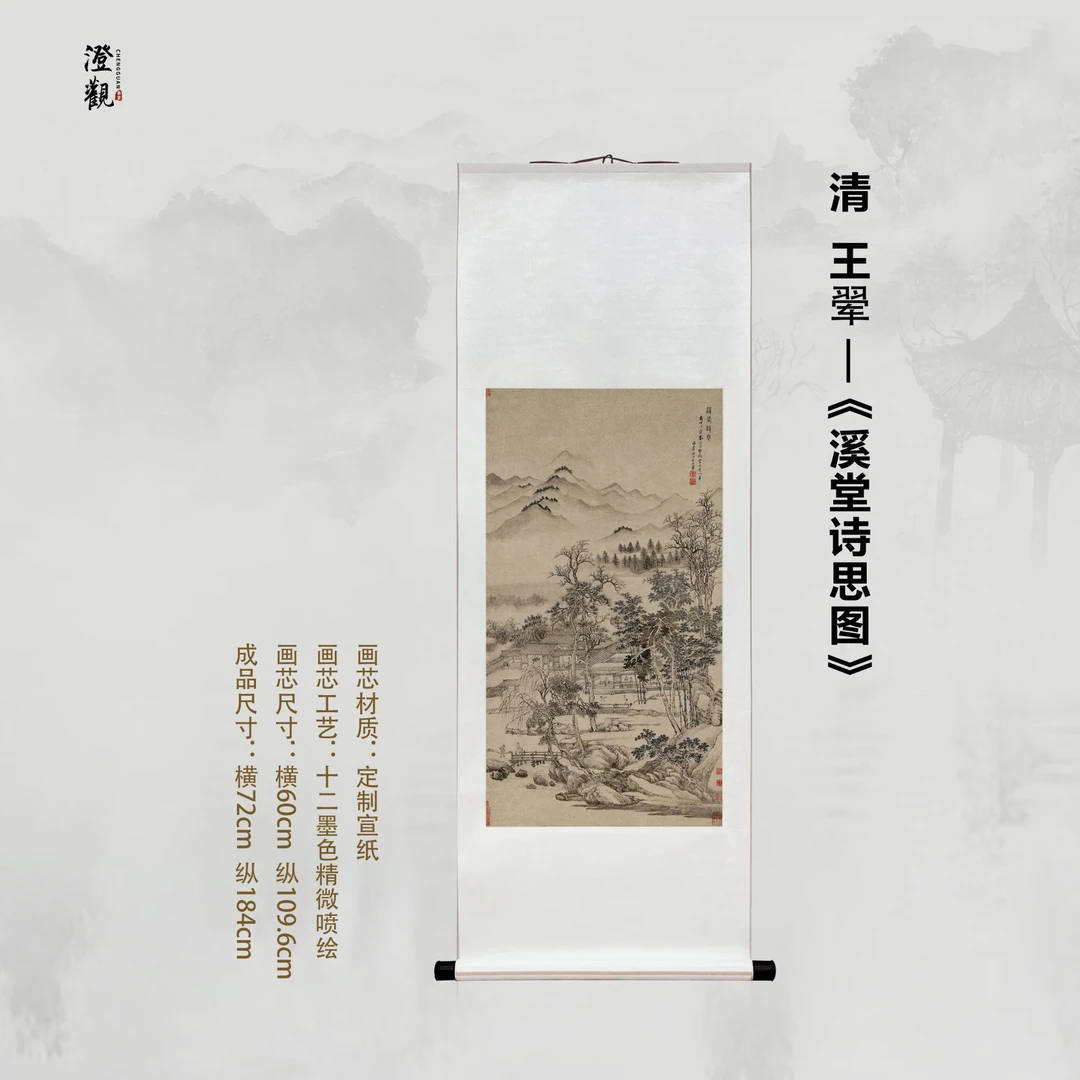
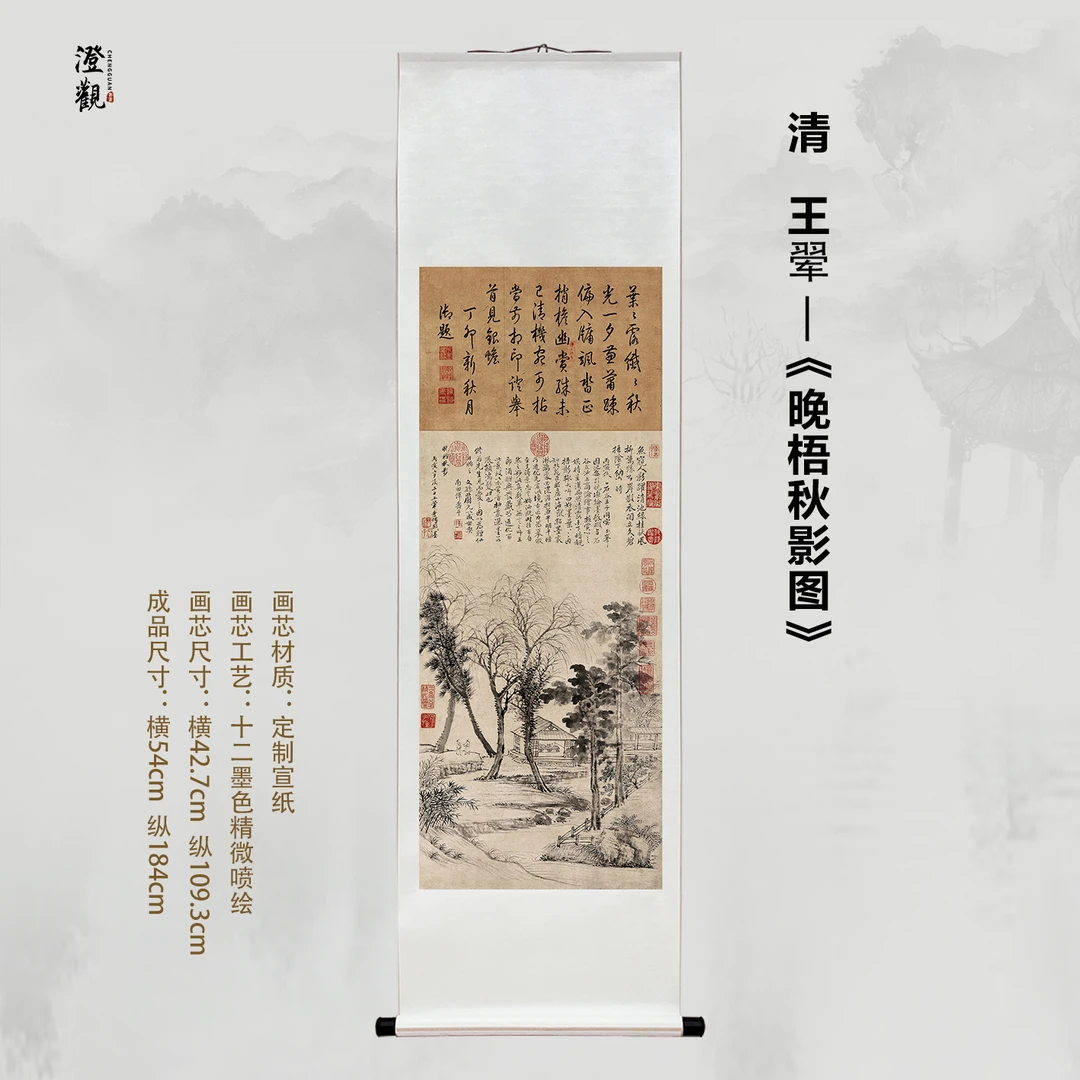
Wang Hui (1632–1717), courtesy name Shigu (石谷) and pseudonyms Gengyan Sanren (耕烟散人) and Qinghui Zhuanshi (清晖主人), was a preeminent landscape painter of the early Qing Dynasty. He is celebrated as one of the "Four Wangs" (四王)—alongside Wang Shimin, Wang Jian, and Wang Yuanqi—who collectively defined the Orthodox School of Chinese painting. Among them, Wang Hui was regarded as the most technically versatile, famously claiming to "integrate the brushwork of the Yuan with the hills and valleys of the Song."
1. The Concept of "Dacheng" (The Great Synthesis)
Wang Hui’s artistic philosophy centered on the concept of Dacheng (大成), or the "Great Synthesis." He believed that a master must master the entire history of Chinese art. Under the mentorship of Wang Shimin and Wang Jian, he gained access to the finest private collections in Jiangnan. His goal was to combine the monumental structures and realistic spatial layouts of the Northern Song masters (like Li Cheng and Fan Kuan) with the calligraphic, expressive brushwork of the Yuan Dynasty (the Four Masters of the Yuan). This synthesis created a style that was both structurally grand and texturally rich.
2. Founder of the Yushan School
A native of Changshu, Jiangsu, Wang Hui founded the Yushan School (虞山画派), named after the local landmark, Mount Yu. Unlike the more conservative members of the Orthodox lineage, Wang Hui’s style was characterized by its meticulous clarity and fluidity. He was a master of "Fang" (imitation/creative reconstruction), where he would recreate the styles of ancient masters not as a mere copyist, but as a way to "commune" with the spirits of the past while asserting his own technical virtuosity.
3. The Southern Inspection Tour (Nanxun Tu)
Wang Hui’s fame reached the highest levels of the imperial court. In 1691, he was summoned to Beijing by the Kangxi Emperor to lead the monumental project of documenting the Emperor’s Southern Inspection Tour. The result was a series of twelve massive handscrolls, each dozens of meters long. This project was a feat of artistic organization and topographical detail, successfully blending realistic reportage with the idealized beauty of traditional landscapes. Upon its completion, the Emperor bestowed upon him the title "The Number One Artist" (Shanshui Qinghui).
4. Stylistic Hallmarks: The "Clear and Radiant"
The aesthetic of Wang Hui is often described as Qinghui (清晖)—clear and radiant. His technical repertoire included:
- Rhythmic Texture Strokes: He utilized various "cun" (texture) strokes with calligraphic precision, giving rocks and mountains a sense of organic life.
- Vibrant Composition: His landscapes are often winding and complex, inviting the viewer on a visual journey through shifting mists, dense forests, and secluded hamlets.
- Atmospheric Perspective: He excelled at using graded ink washes to create a sense of infinite distance, a hallmark of his "Song-Yuan synthesis."
5. Historical Legacy and Global Impact
As the leading figure of the Orthodox School, Wang Hui influenced Chinese painting for over two centuries. His style became the standard for the Qing court and the academic elite. While later modernist critics sometimes criticized the Orthodox School for being too "bound by tradition," modern scholars recognize Wang Hui as a transformative genius who preserved and revitalized the classical canon. His works are now prized centerpieces in global institutions:
- The Palace Museum (Beijing)
- The Metropolitan Museum of Art (New York), which held a major solo exhibition for him in 2008.
- The National Palace Museum (Taipei)