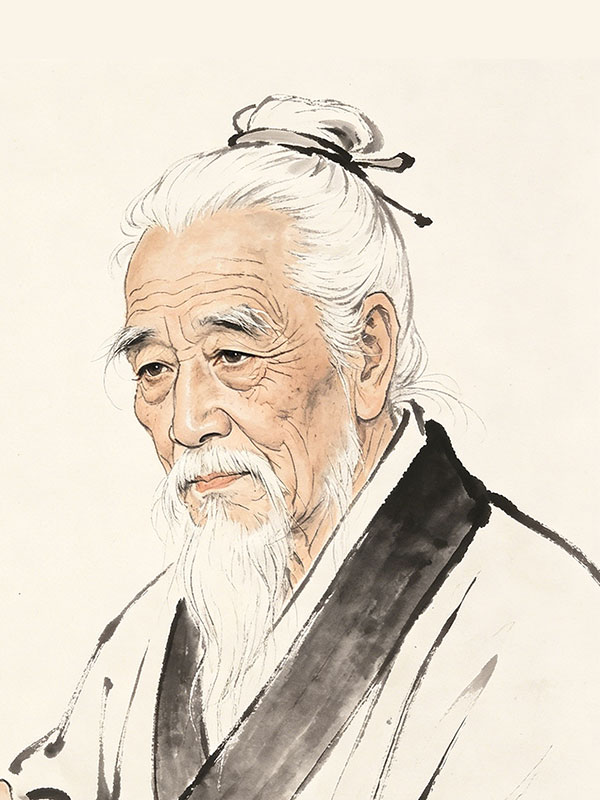
Tang Di (唐棣): The Successor of the Li-Guo Tradition in the Yuan Dynasty
Tang Di (c. 1287–1355), courtesy name Zihua (子华) and art name Xiting (希庭), was a distinguished painter and high-ranking official of the Yuan Dynasty. While the "Four Masters of the Yuan" focused on revolutionary literati styles, Tang Di was the preeminent master of the Li-Guo school (named after Li Cheng and Guo Xi) during his era. He is celebrated for bridging the gap between the monumental Northern Song landscape tradition and the refined Literati sensibilities of the 14th century.
1. Protege of Zhao Mengfu
Tang Di was born in Wuxing (modern-day Huzhou, Zhejiang), a cultural hub of the time. His artistic journey was deeply influenced by the legendary Zhao Mengfu, who recognized Tang’s talent early on. Under Zhao's mentorship, Tang Di studied ancient masters and developed a sophisticated understanding of brush and ink. Unlike many reclusive artists of his time, Tang Di pursued a successful political career, serving as a magistrate and gaining patronage within the Yuan imperial court.
2. Artistic Style: Reviving the Northern Song
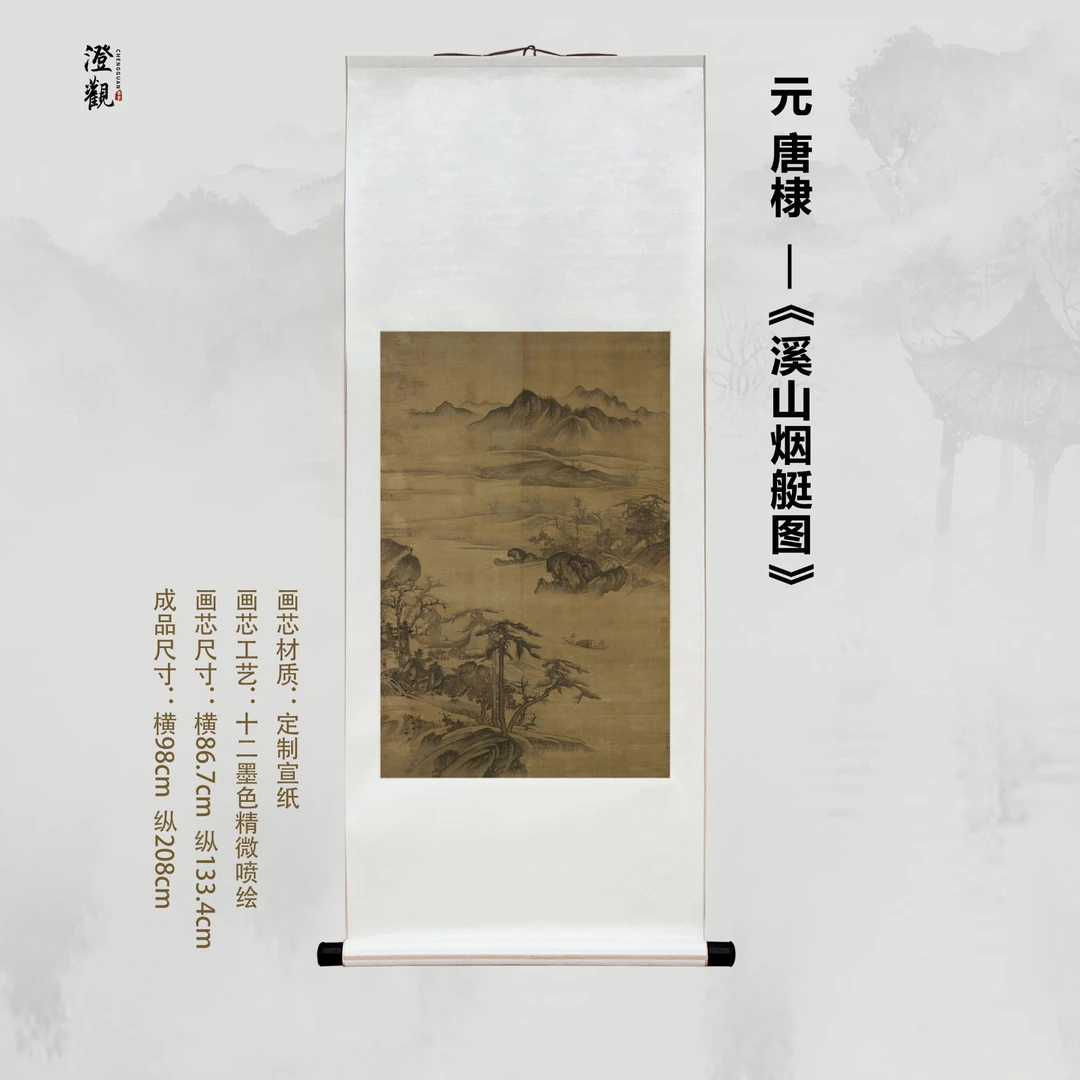
Tang Di is best known for his mastery of the landscape style pioneered by Li Cheng and Guo Xi. His work is characterized by several distinct technical features:
- Crab-claw branches (Xiezhua): He perfected the depiction of wintry, leafless trees with sharp, curving branches that resemble the claws of a crab—a hallmark of the Li-Guo tradition.
- Devil-face stones (Guimian cun): His rocks and mountains were often rendered with fanciful, eroded textures and jagged contours, giving the terrain a dramatic, almost supernatural presence.
- Atmospheric Depth: Tang Di utilized multiple perspectives and delicate ink washes to create a sense of vast, misty distances and monumental scale, typical of the "High Distance" (gaoyuan) composition.
- Sophisticated Ink Work: While he followed Northern Song structures, his brushwork was more fluid and calligraphic, reflecting the influence of his teacher, Zhao Mengfu.
3. Masterpiece: "Fishermen Returning on a Frosty Bank"
His most famous surviving work, "Fishermen Returning on a Frosty Bank" (霜浦归渔图, 1338), currently held in the National Palace Museum, epitomizes his style. The painting features towering, ancient pines and a winding riverbank. It depicts a scene of scholarly reclusion—fishermen returning home in the evening—rendered with meticulous detail and a cool, wintry atmosphere. This work demonstrates his ability to combine narrative detail with grand landscape elements.
4. Theoretical and Cultural Position
Tang Di occupied a unique position in the Yuan art world. While he was a "professional" official-artist, his work was deeply respected by the literati elite. He proved that the academic landscape style of the past could be revitalized with the intellectual depth of the present. He was often commissioned by the Mongol nobility to decorate palaces, making him a key figure in the cross-cultural exchange of the Yuan court.
5. Historical Legacy
Tang Di’s influence extended into the Ming Dynasty, particularly among the artists of the Zhe School (Zhejiang School). His refinement of the Li-Guo tradition provided a blueprint for later painters who sought to depict majestic, dramatic nature without losing the elegance of scholar-painting. Today, he is studied as a master of technical precision and a vital link in the evolution of the monumental landscape.
— ALL MASTERPIECES LOADED —