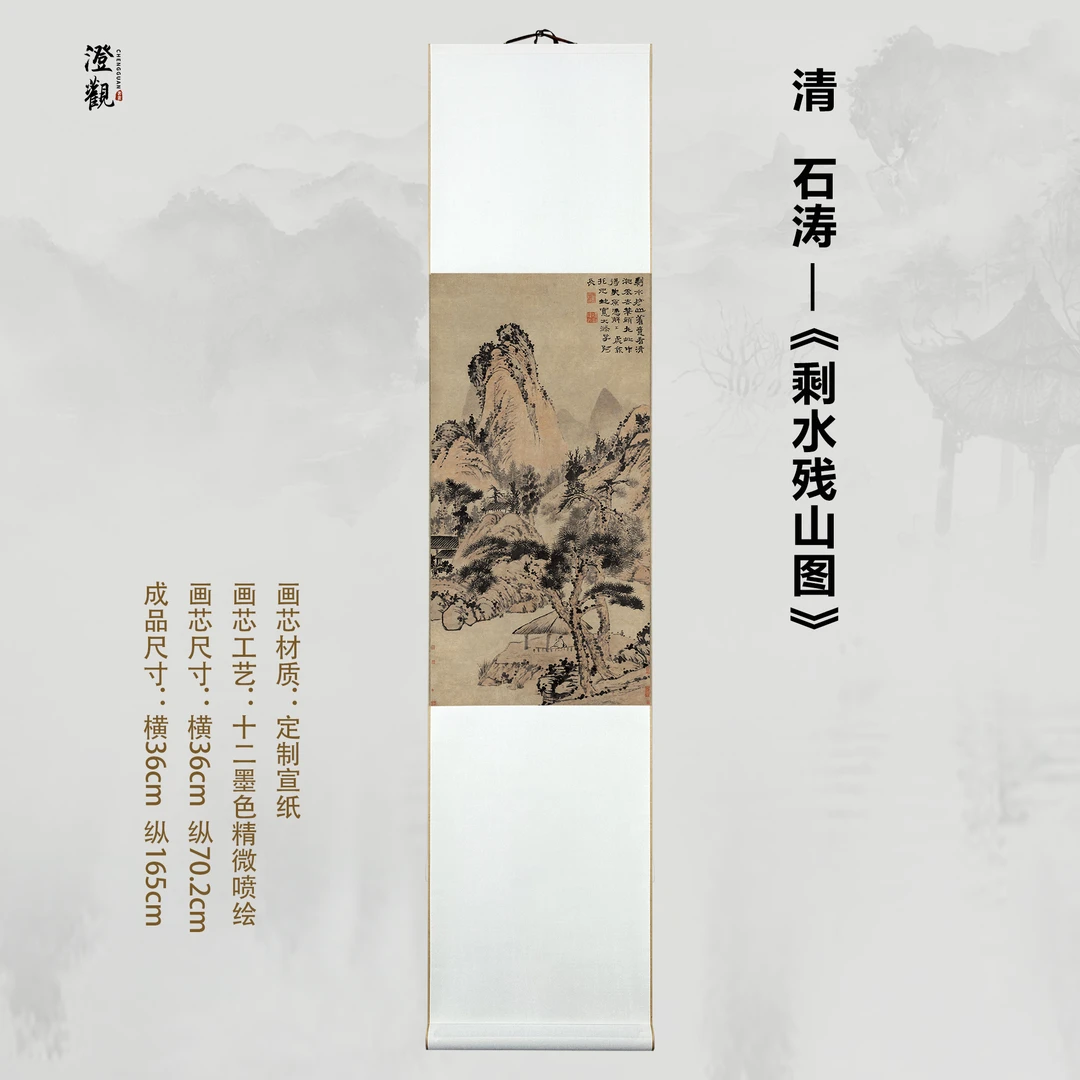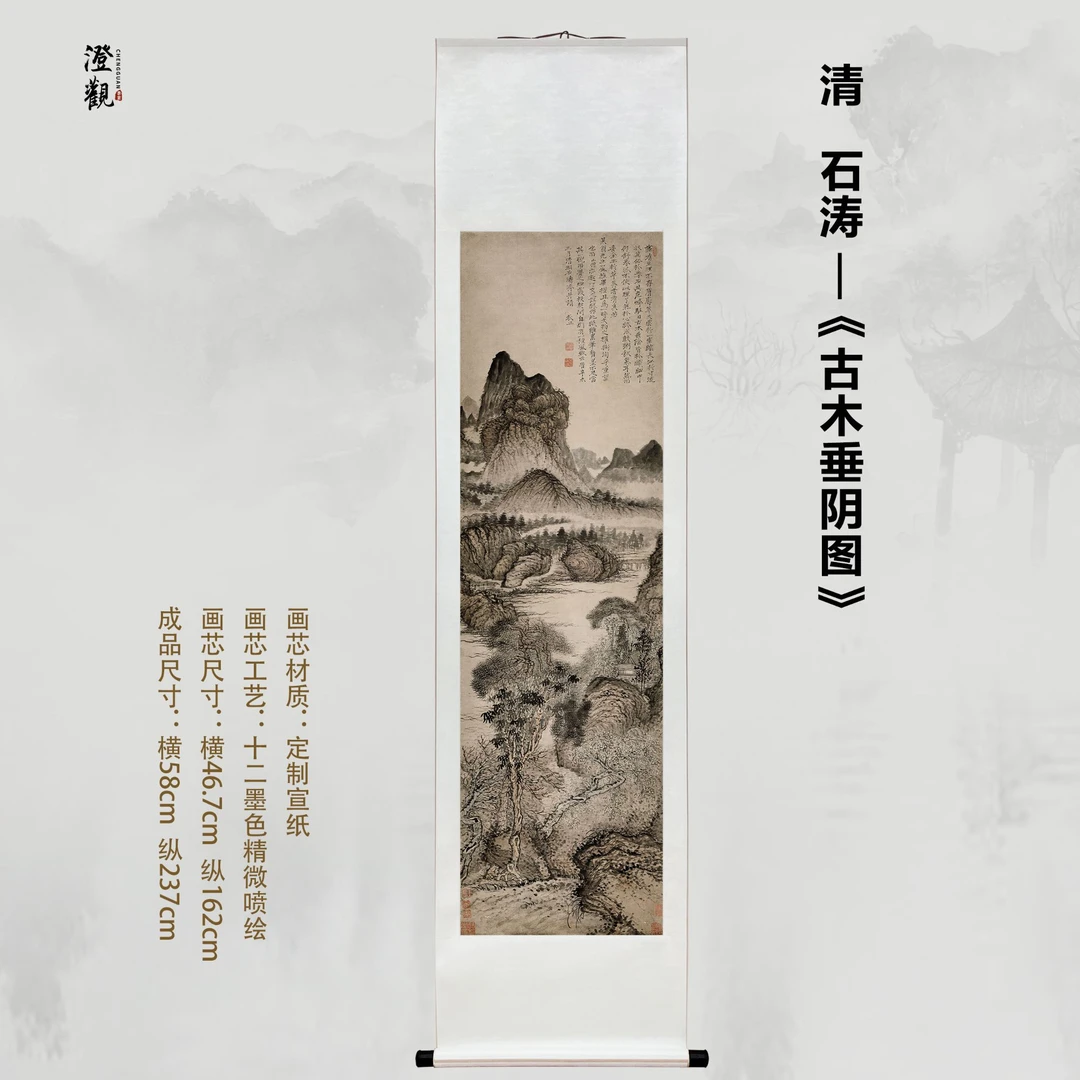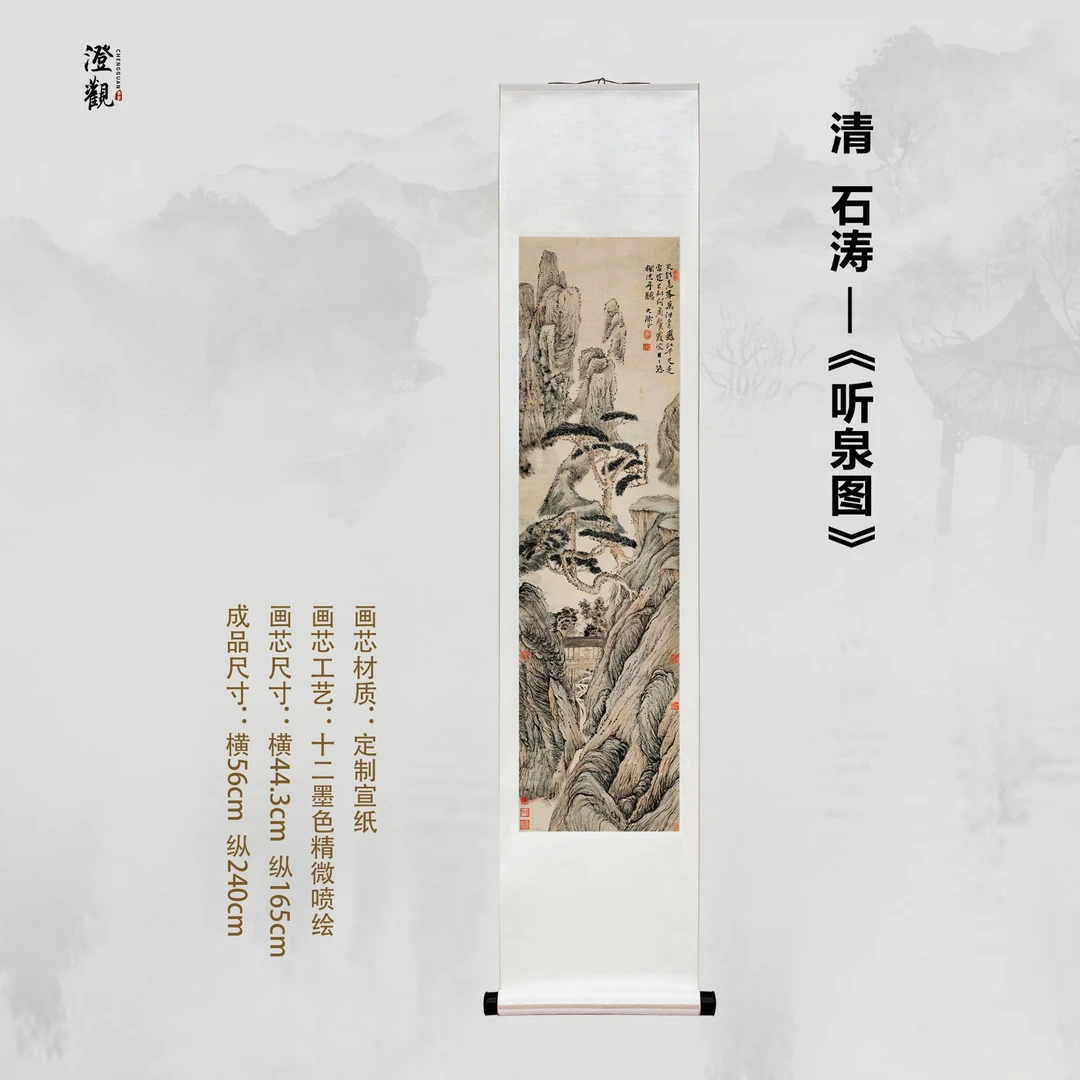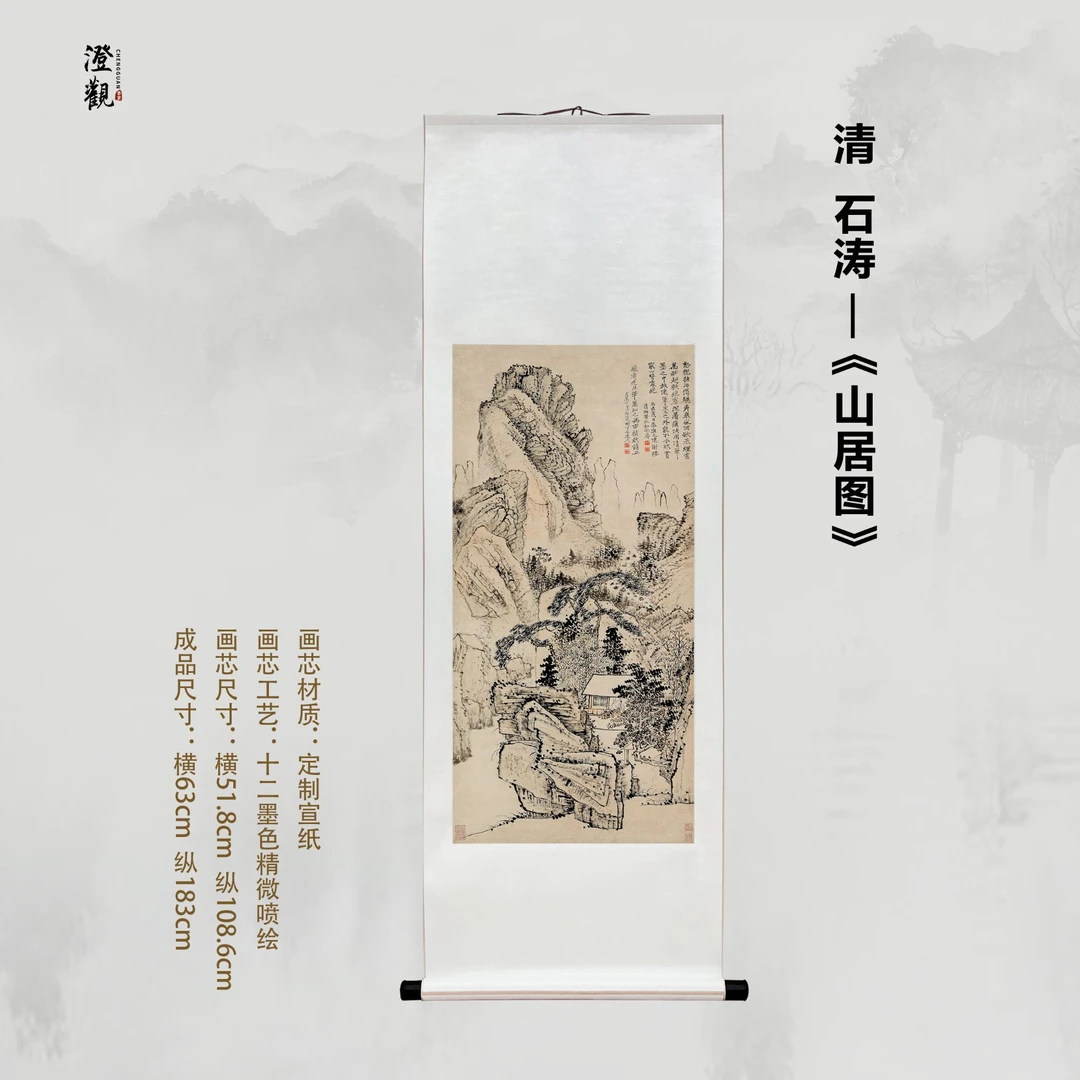
Shitao (石涛): The Revolutionary Individualist and "One-Stroke" Master
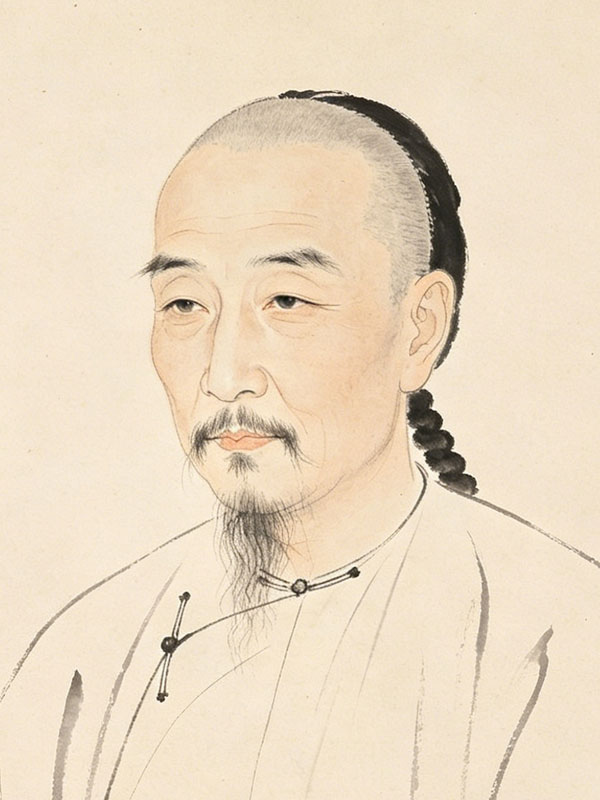
Shitao (1642–1707), born Zhu Ruoji (朱若极) and later known by his monastic name Daoji (道济), was the most radical and influential artist of the early Qing Dynasty. A descendant of the Ming imperial family, he lived his life as a Buddhist monk and later a Taoist priest to escape the political turmoil of the Manchu conquest. Along with Bada Shanren, he is celebrated as one of the "Four Monk Masters" (Si Seng) and the ultimate champion of individualist painting.
1. The Theory of "One-Stroke" (Yihua)
Shitao was not only a painter but a profound art theorist. In his famous treatise, "The Bitter-Gourd Monk's Remarks on Painting" (Kugua Heshang Huayu Lu), he introduced the revolutionary concept of Yihua (一画), or the "One-Stroke" method.
- Cosmic Connection: He argued that a single brushstroke is the origin of all existence and the foundation of all technical methods.
- Unity of Being: For Shitao, the "One-Stroke" was a way for the artist to connect their internal spirit with the primordial energy (Qi) of the universe.
2. "No Method is the Best Method"
Shitao was a fierce critic of the Orthodox School (the "Four Wangs"), which he believed was stifled by the mindless imitation of ancient masters. He famously declared, "The method that is no method is my method" (无法之法,乃为至法).
- Rejection of "Fang": While he studied the past, he refused to be a slave to it, insisting that "Searching for the Extraordinary Peaks" (Sanjun Dahe) in nature was more important than copying old scrolls.
- Self-Expression: He believed that art must be a direct expression of the artist's unique personality and lived experience, a precursor to modern subjectivism.
3. Stylistic Innovation: Ink and Color
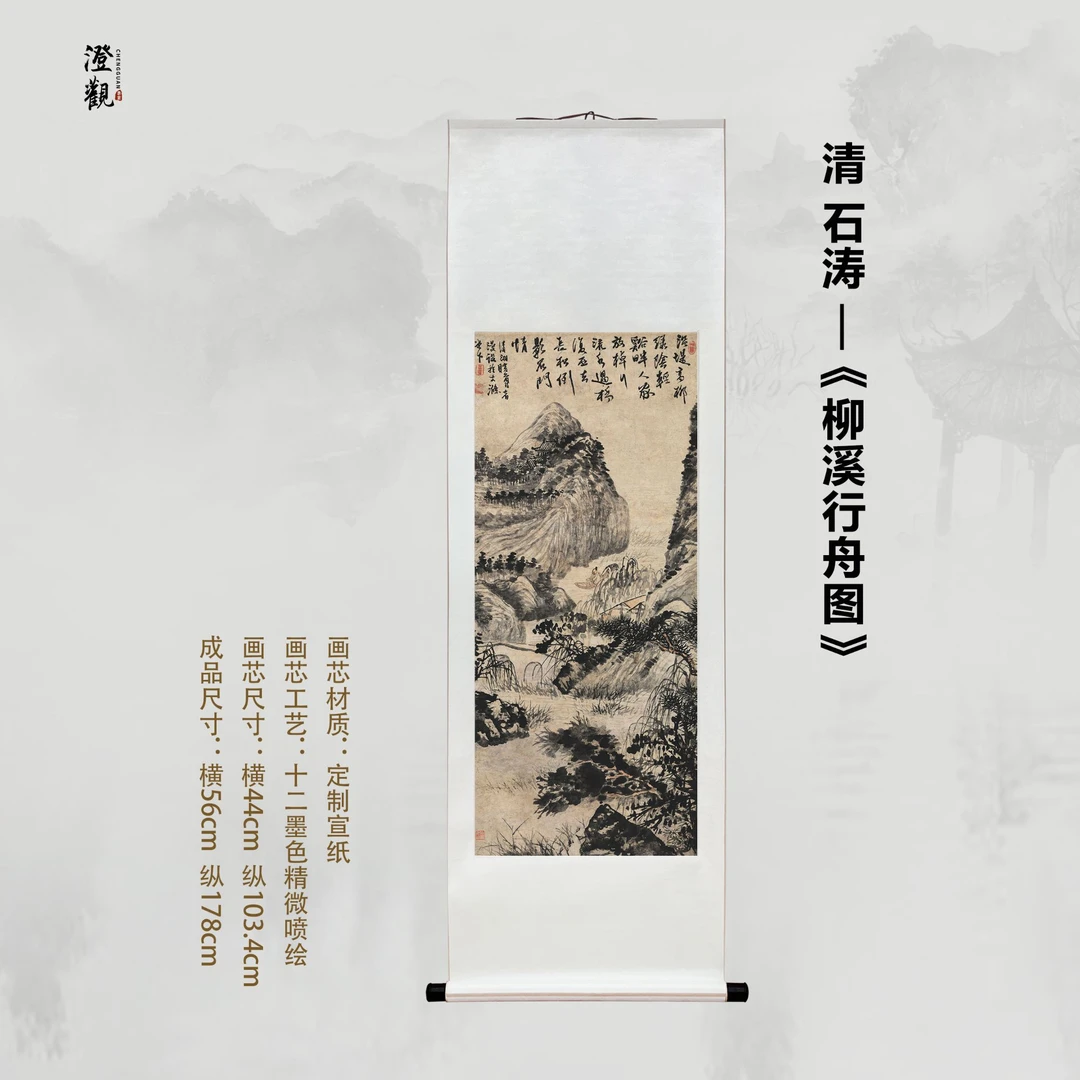
Shitao’s visual style was incredibly versatile and unpredictable. Unlike the standardized brushwork of his contemporaries, his technique changed according to his mood and the subject:
- Splashed-Ink (Pomo): He utilized bold, saturated ink washes and "dots" to create texture and atmosphere.
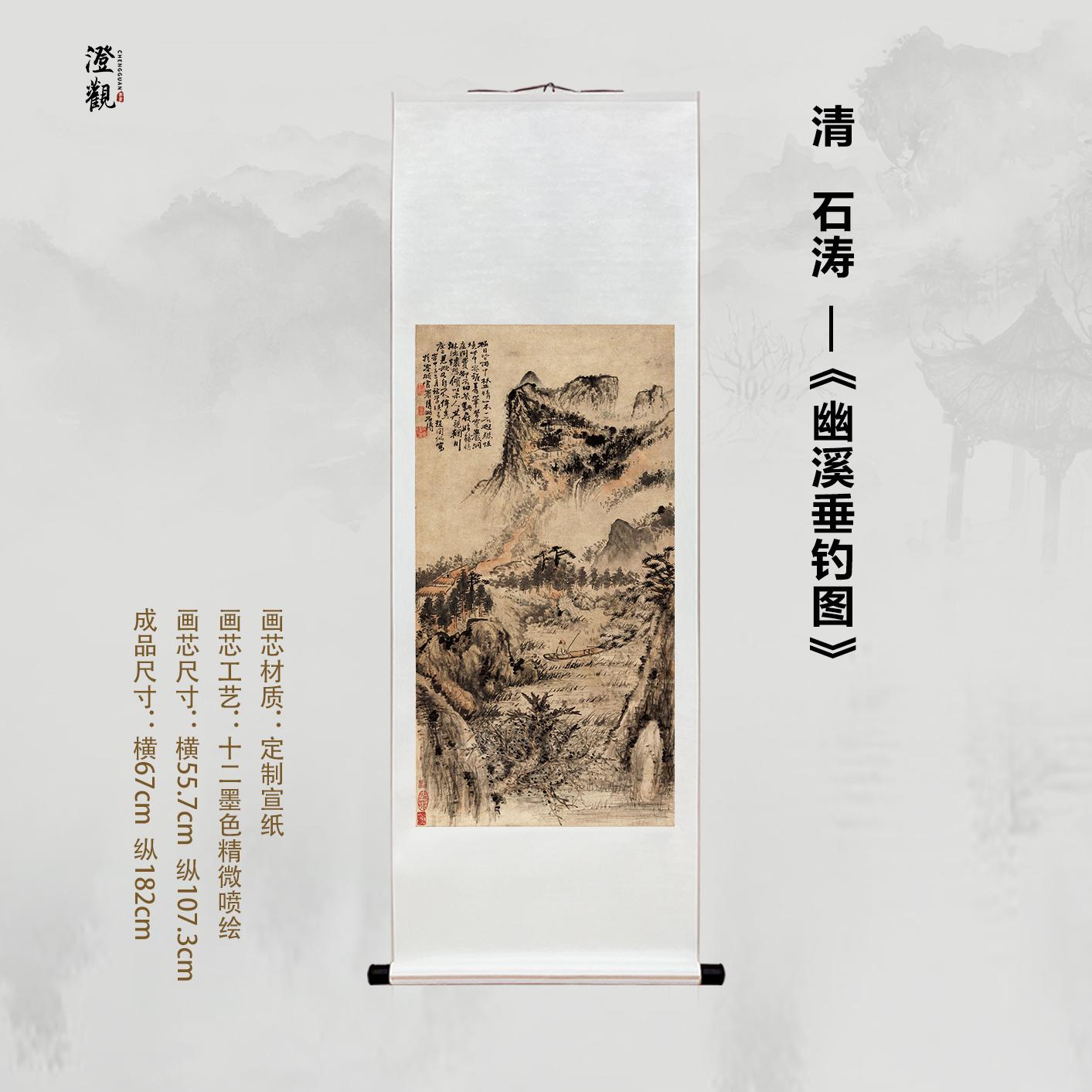
- Vibrant Color: He was a master of using unexpected colors—such as bright pinks, yellows, and oranges—to depict the changing light on Mount Huang (Huangshan).
- Dynamic Composition: His landscapes often featured asymmetrical, daring layouts that defied traditional balance, creating a sense of wild, untamed nature.
4. The Traveler and Mount Huang
Shitao spent much of his life wandering across China, particularly the scenic regions of Anhui and Jiangsu. He had a deep, spiritual bond with Mount Huang, which he visited multiple times. His depictions of the mountain’s distorted pines and sea of clouds are considered some of the most expressive landscapes in Chinese history. His work captured the "strange and marvelous" (qi) qualities of nature that moved beyond mere physical representation.
5. Historical Legacy and Global Impact
Shitao’s influence on modern Chinese art is unparalleled. In the 20th century, masters like Zhang Daqian, Fu Baoshi, and Pan Tianshou looked to him as the ultimate source of creative liberation. His focus on originality and the "internal logic" of the brush made him a hero to Chinese modernists. Today, his works are priceless treasures in institutions such as the Palace Museum (Beijing), the Metropolitan Museum of Art (New York), and the Guimet Museum (Paris).