Shen Quan (沈铨): The Master of Naturalism and the Nagasaki Connection
Shen Quan (1682–c. 1760), courtesy name Nanpin (南苹) and pseudonym Hengzhai (衡斋), was a highly influential **flower-and-bird painter** of the mid-Qing Dynasty. While he was a respected professional artist in China, he achieved international immortality through his historic residency in **Japan**, where he fundamentally transformed the course of Japanese art history.
1. The Historic Mission to Nagasaki
In 1731, Shen Quan was invited by the Tokugawa Shogunate to travel to Nagasaki. During this era of Japan's "Sakoku" (national seclusion), such an invitation was a rare honor. He remained in Japan for nearly three years, teaching Chinese painting techniques to local artists. This cross-cultural exchange was a pivotal moment, as it introduced realistic naturalism to a Japanese art world that had been dominated by the more stylized Kano and Tosa schools.
2. Artistic Style: The "Shen Nanpin" Aesthetic
Shen Quan’s style was a sophisticated revival of the Ming Dynasty court style, specifically the traditions of Lü Ji. His work is characterized by:
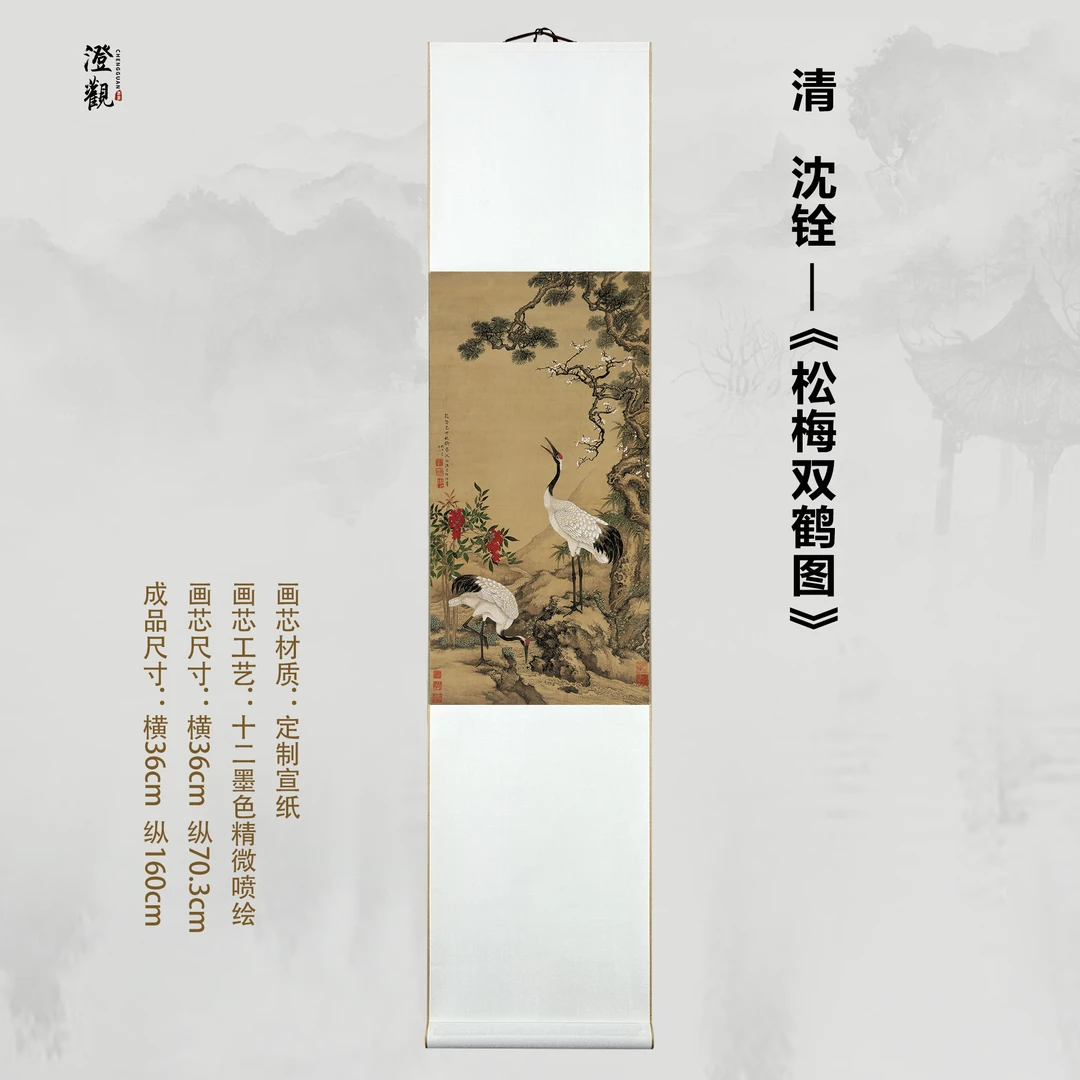
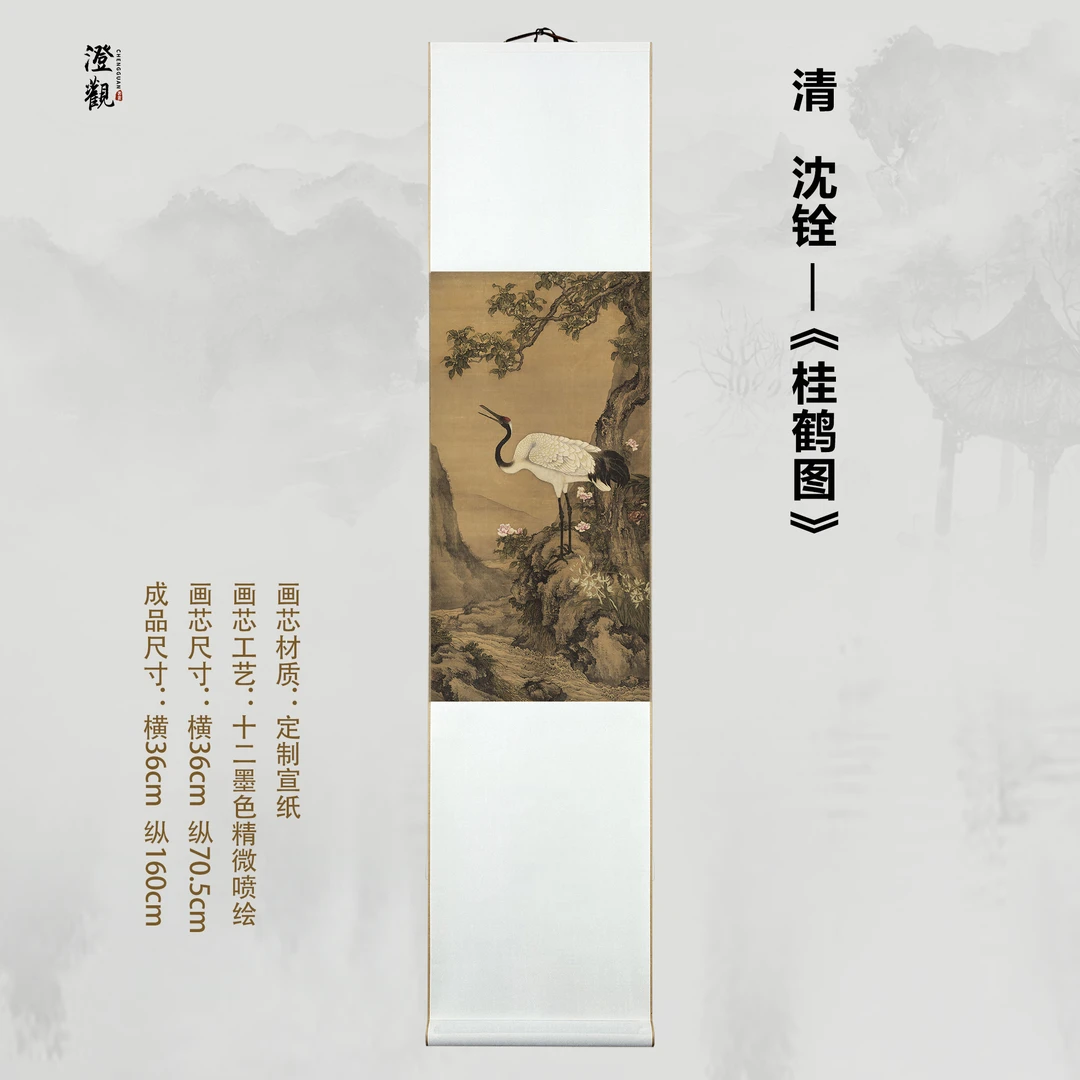
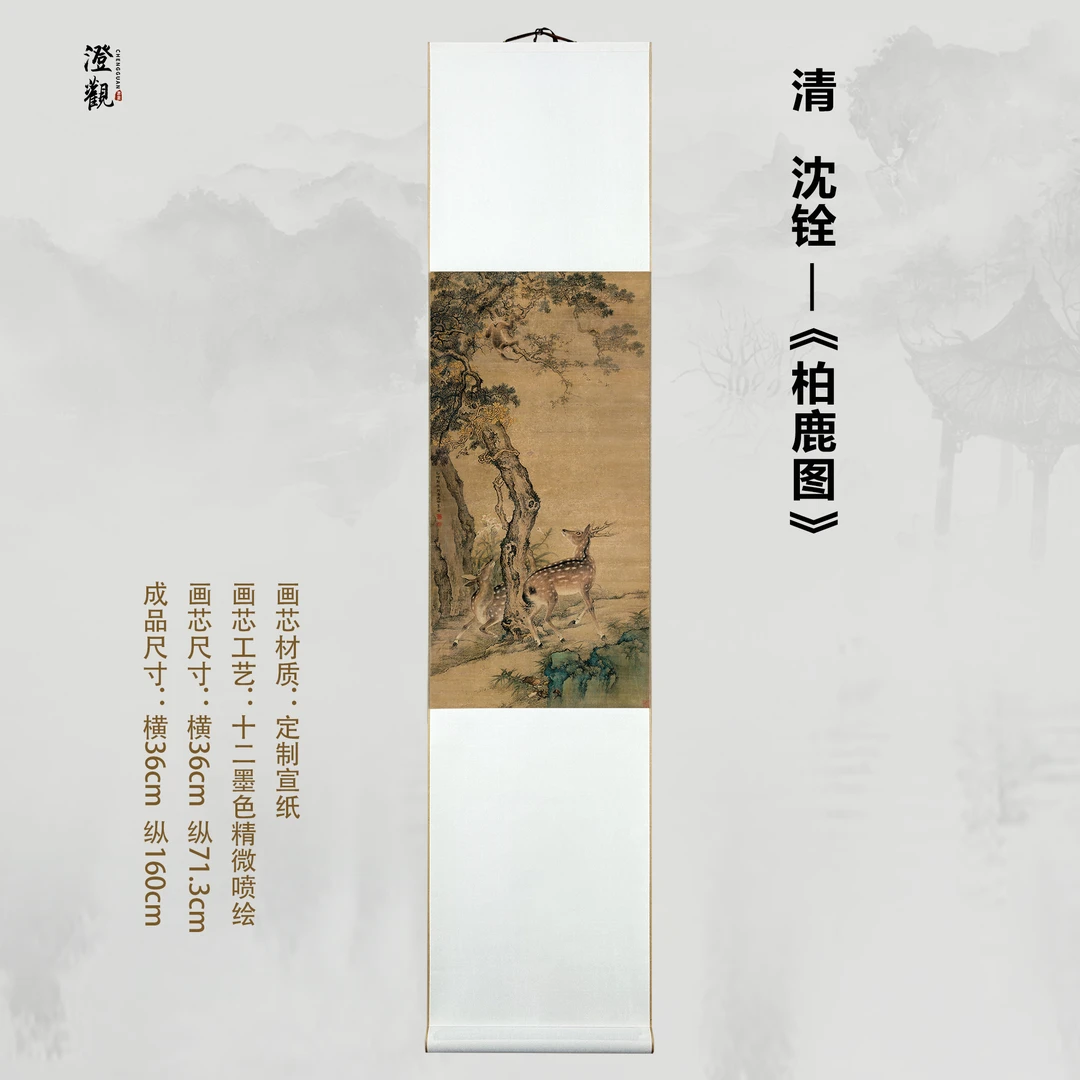
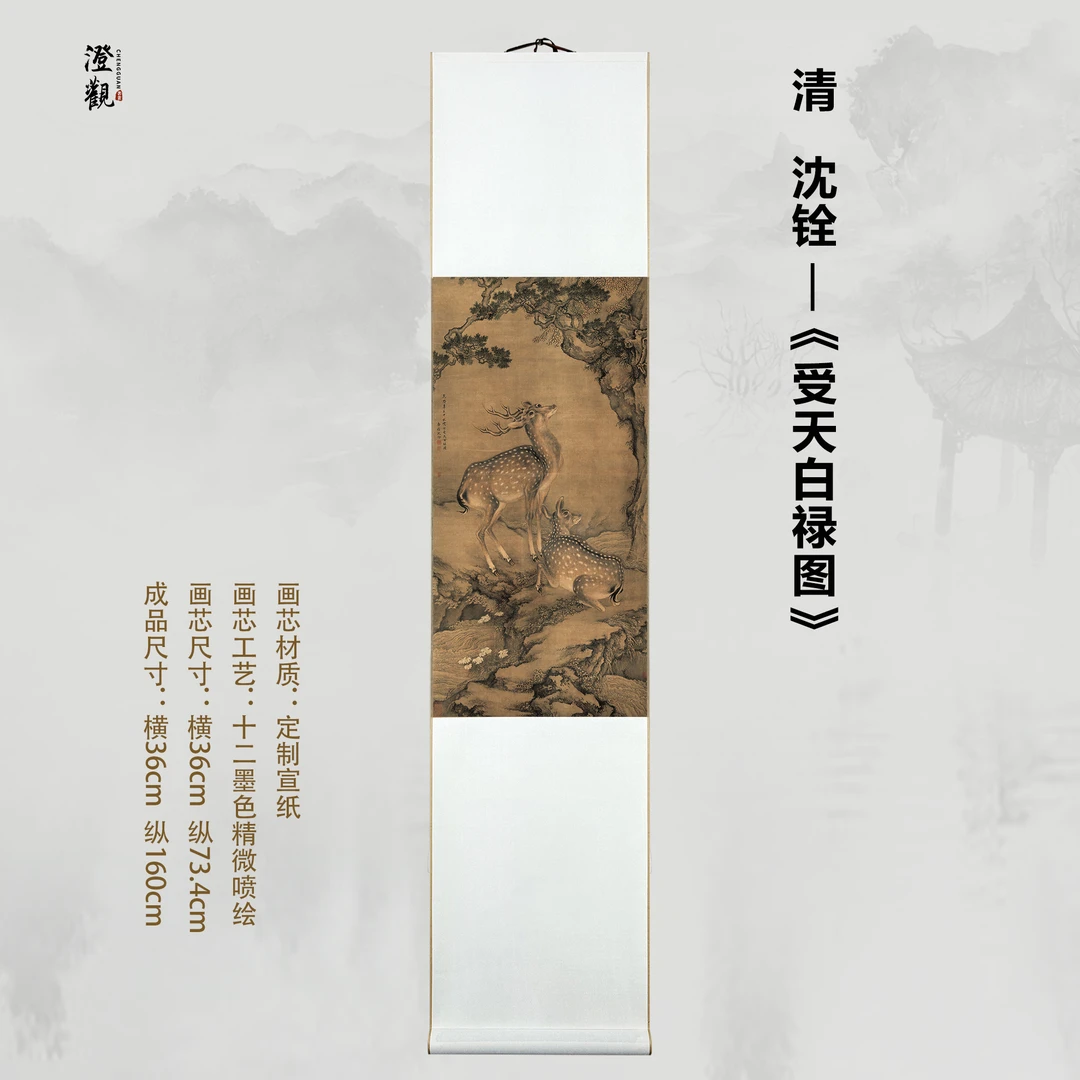
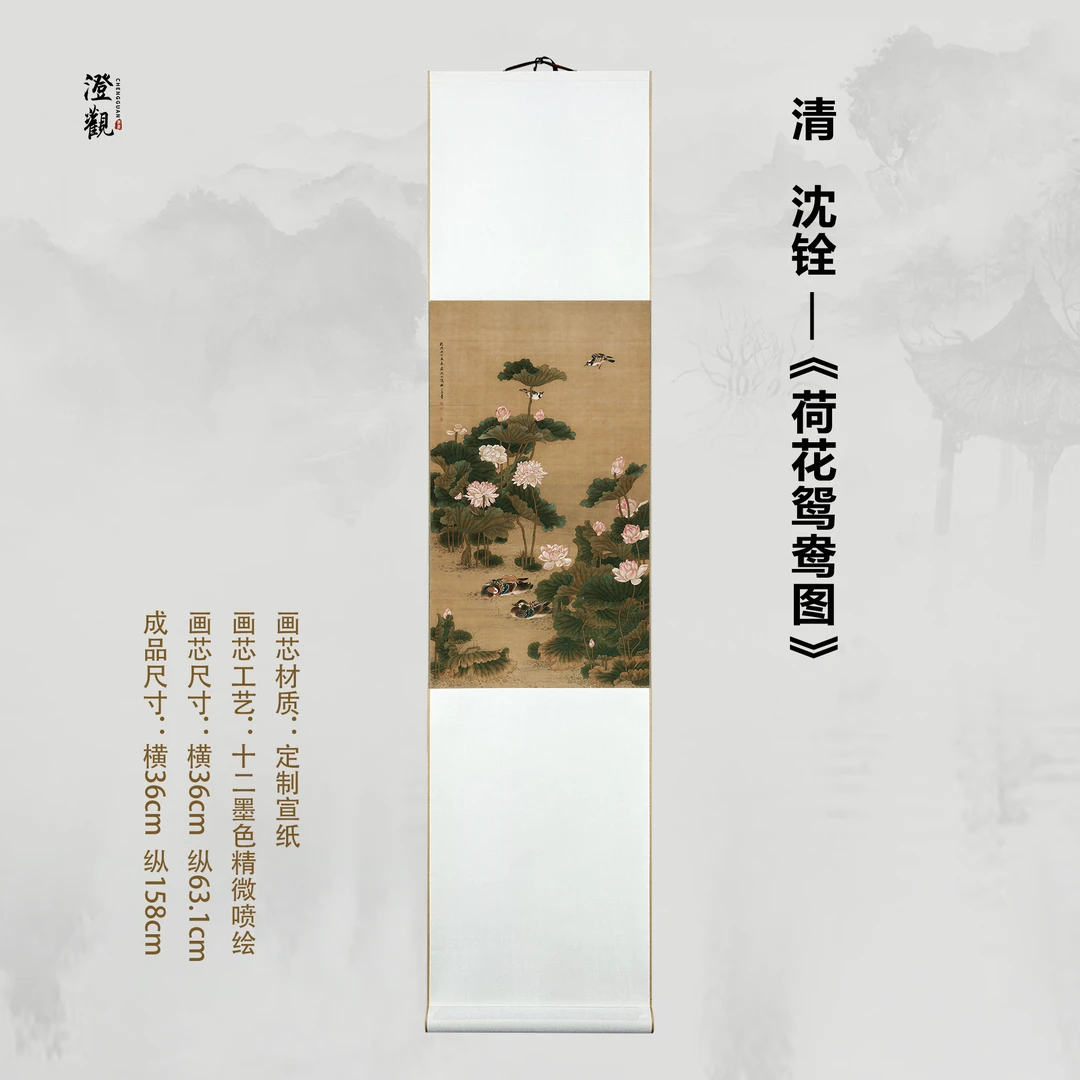
- Gongbi (Meticulous) Realism: He utilized extremely fine brushwork to achieve anatomical accuracy in his depictions of animals and birds. His paintings of cranes, deer, and monkeys were noted for their lifelike textures and spiritual vitality.
- Vibrant Mineral Colors: He employed rich, high-quality mineral pigments that gave his works a jewel-like brilliance and a sense of three-dimensional volume.
- Auspicious Symbolism: Most of his subjects carried congratulatory meanings, such as longevity (cranes and pines) or official success (monkeys and bees), making his work highly popular among the elite in both China and Japan.
3. Founder of the Nanpin School
During his stay in Nagasaki, Shen Quan founded what became known as the Nanpin School (Nagasaki School). He taught several Japanese disciples, most notably Kumashiro Yūhi, who helped disseminate his "Shen Nanpin style" throughout the country. His emphasis on observation from life (shasei) provided a new intellectual framework for Japanese artists who were beginning to explore empirical science and Western influences.
4. Influence on Japanese Art (Maruyama-Shijō)
The impact of Shen Quan on Japanese art cannot be overstated. He was a primary influence on Maruyama Ōkyo, the founder of the Maruyama School, and the later Shijō School. By blending Chinese decorative elegance with a new scientific realism, Shen Quan’s work paved the way for the development of modern Japanese painting (Nihonga). Even after he returned to China, his paintings continued to be imported into Japan, where they were highly prized by shoguns and daimyo.
5. Historical Legacy and Major Works
In China, Shen Quan is remembered as a master of the Zhejiang professional tradition. His works are prized for their technical perfection and auspicious beauty. Today, his masterpieces, such as "Hundred Birds Protecting the Phoenix" and various scrolls of "Deer in an Autumn Forest," are preserved in prestigious institutions including:
- The Palace Museum (Beijing)
- The Tokyo National Museum
- The National Palace Museum (Taipei)
- The British Museum (London)