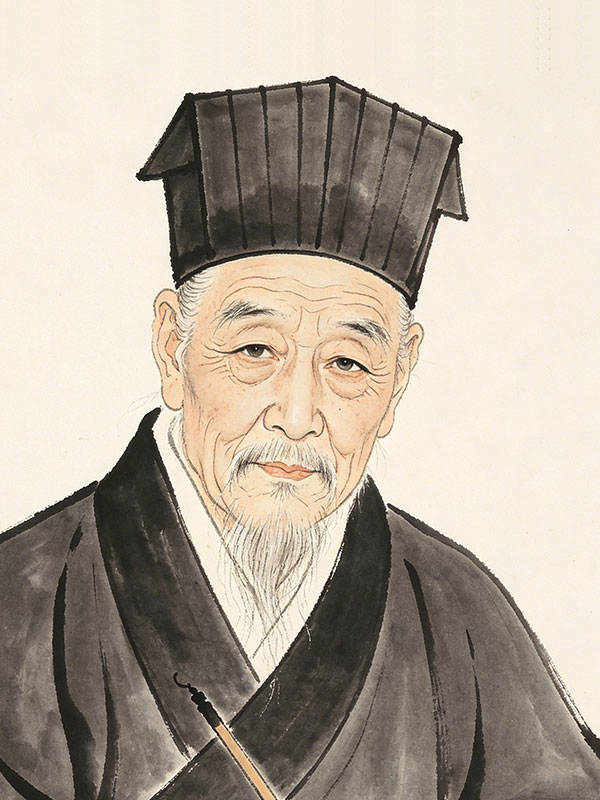
Sa Dula (萨都剌): The Poet-Painter of the Yuan Frontier and Court
Sa Dula (c. 1272–1355), courtesy name Tianxi (天锡) and pseudonym Yanmen (雁门), was a towering intellectual figure of the Yuan Dynasty. While primarily celebrated as one of the era's greatest poets, he was also an accomplished literati painter and a high-ranking scholar-official. As a member of the Semu (Central Asian) ethnic group—likely of Uyghur or Arab descent—Sa Dula remains a profound symbol of the multi-ethnic cultural synthesis that defined the Yuan Empire.
1. A Cross-Cultural Scholar-Official
Sa Dula’s life was marked by extensive travel and political service. Born in Yanmen (modern-day Shanxi), he passed the imperial examinations and served in various administrative posts across China, from the northern frontiers to the southern Jiangnan region. His identity as a Semu intellectual who mastered Han Chinese Confucian classics allowed him to bridge the gap between the Mongol ruling class and the traditional Chinese literati, earning him deep respect in both circles.
2. The "Yanmen Style" of Poetry and Painting
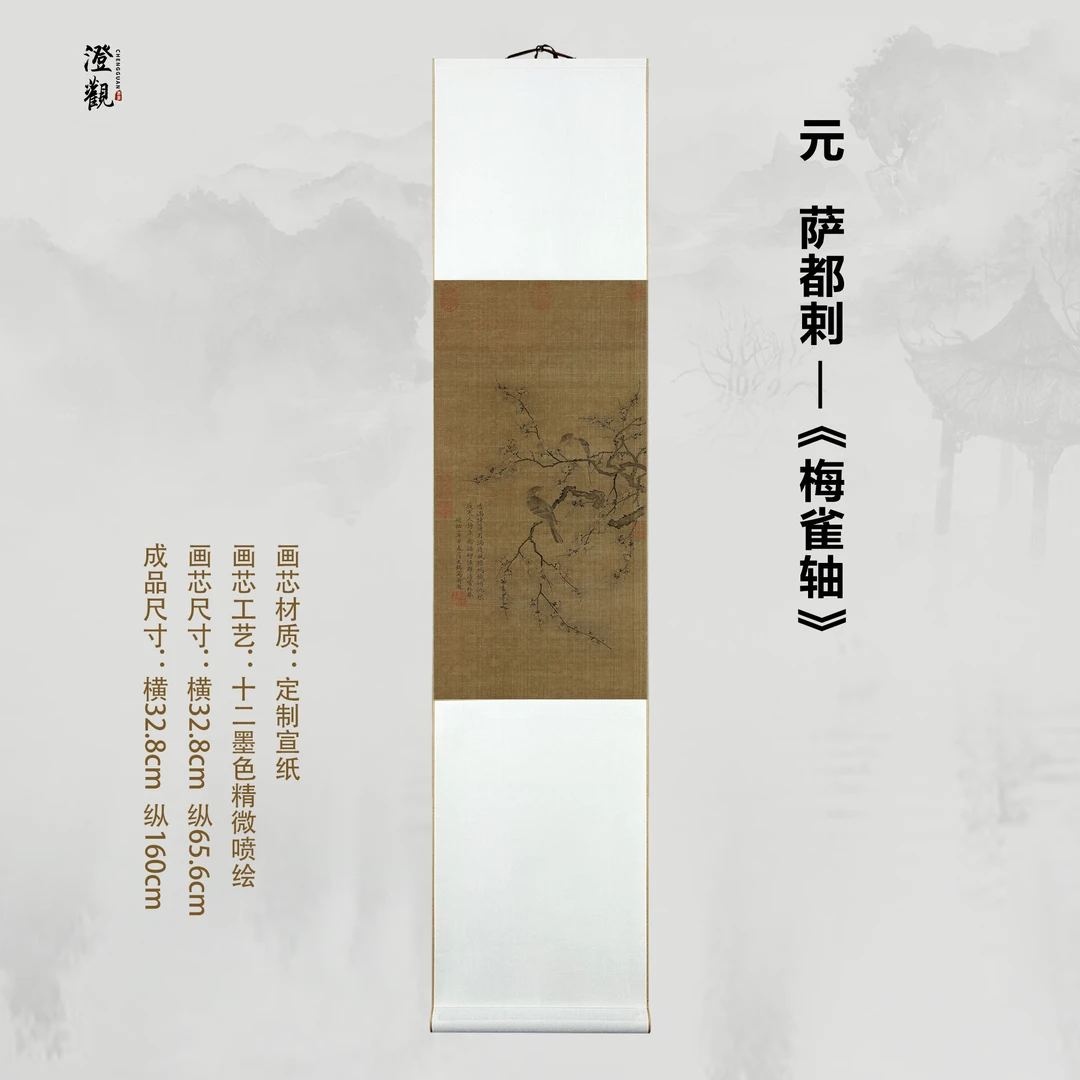
In the Chinese tradition of "Poetry in Painting, Painting in Poetry," Sa Dula was a master of both. His literary work, collected in the "Yanmen Ji" (Yanmen Collection), often served as the thematic foundation for his visual art. His paintings were characterized by:
- Ink Bamboo (Mo Zhu): Like many Yuan scholars, he excelled at painting bamboo, using it as a symbol of moral integrity and resilience. His strokes were described as vigorous and rhythmic, reflecting his assertive personality.
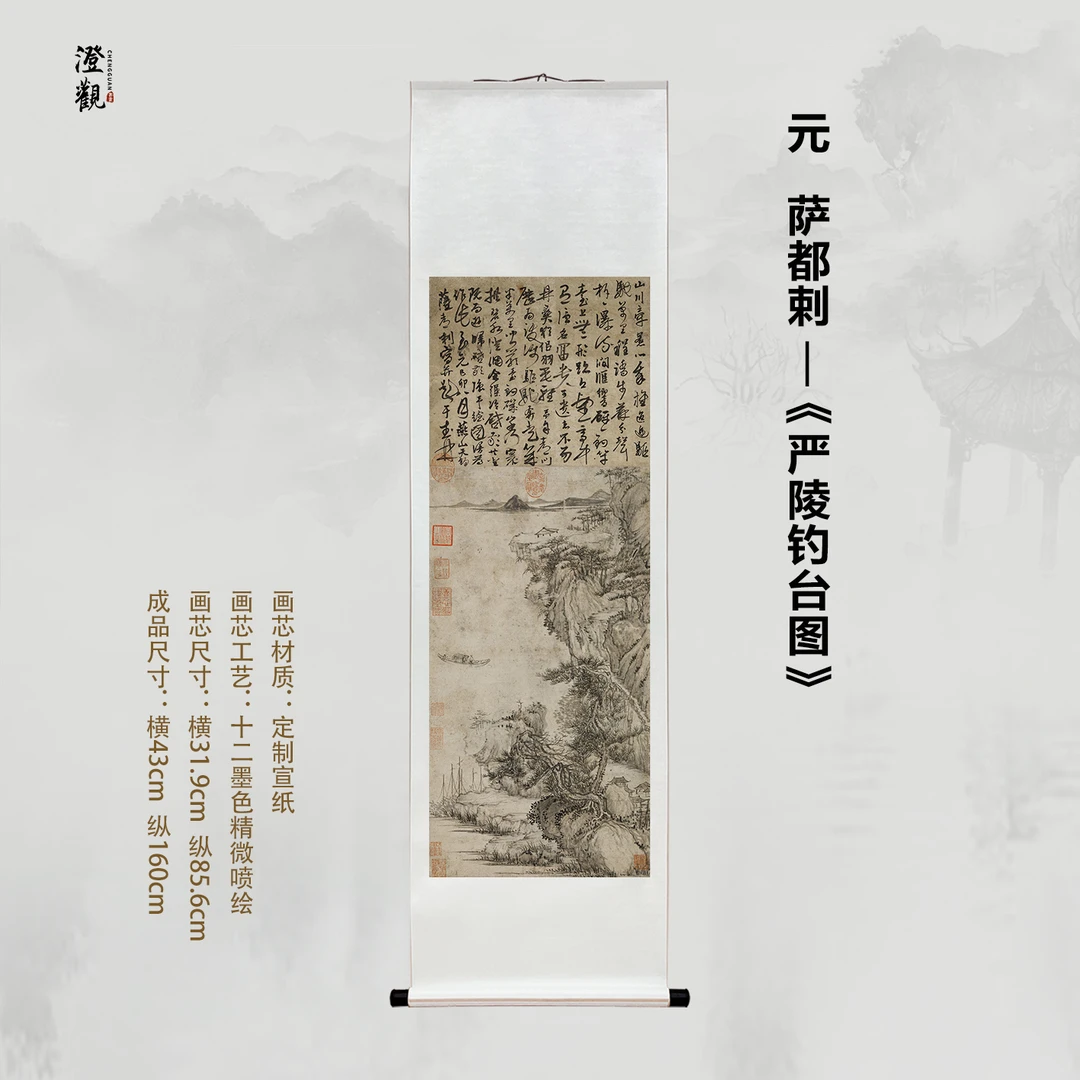
- Landscape Painting (Shanshui): His landscapes were deeply influenced by the literati aesthetic of Zhao Mengfu. He favored a style that emphasized inner spirit over mere physical likeness, often depicting the rugged beauty of the northern frontiers or the mist-covered mountains of the south where he served.
3. Artistic Philosophy: Sincerity and Reclusion
Despite his high official status, Sa Dula’s art reflected a deep longing for reclusion and nature. His brushwork avoided the "vulgarity" of professional craftsmanship, instead striving for "Pingdan" (plainness and tranquility). He believed that painting was a form of self-expression (xingling), a way for the artist to transmit their personal character and emotional state onto the silk or paper.
4. Integration of Calligraphic Line
A hallmark of Sa Dula’s artistic output was his calligraphic mastery. He treated the painted line with the same discipline as regular and running script. Whether depicting a mountain ridge or a bamboo leaf, his use of center-tip brushwork (zhongfeng) provided his works with a sense of structural strength and historical "archaic flavor" (guyi).
5. Historical Legacy and Cultural Impact
Sa Dula is remembered as a vital contributor to the "Yuan Style" of landscape and figure painting. His ability to articulate the nostalgia and displacement of the era through his art made him a favorite among later Ming and Qing dynasty critics. Today, his work is studied not only for its aesthetic value but also as a historical record of the cosmopolitan nature of Yuan society, where ethnic boundaries were transcended through the shared language of the scholar-arts.
— ALL MASTERPIECES LOADED —