Qiu Ying (仇英): The Meticulous Master of Ming Dynasty Professional Painting
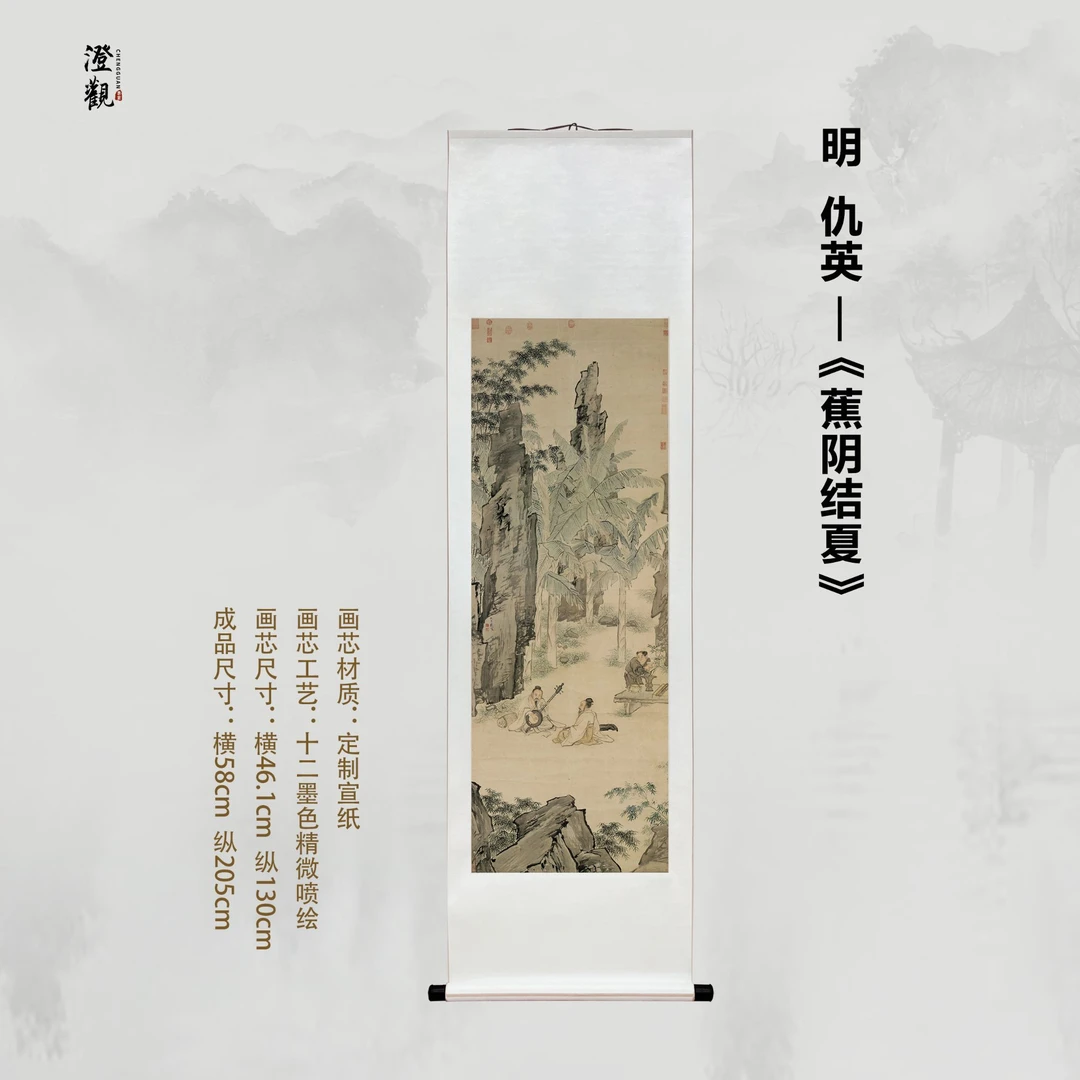
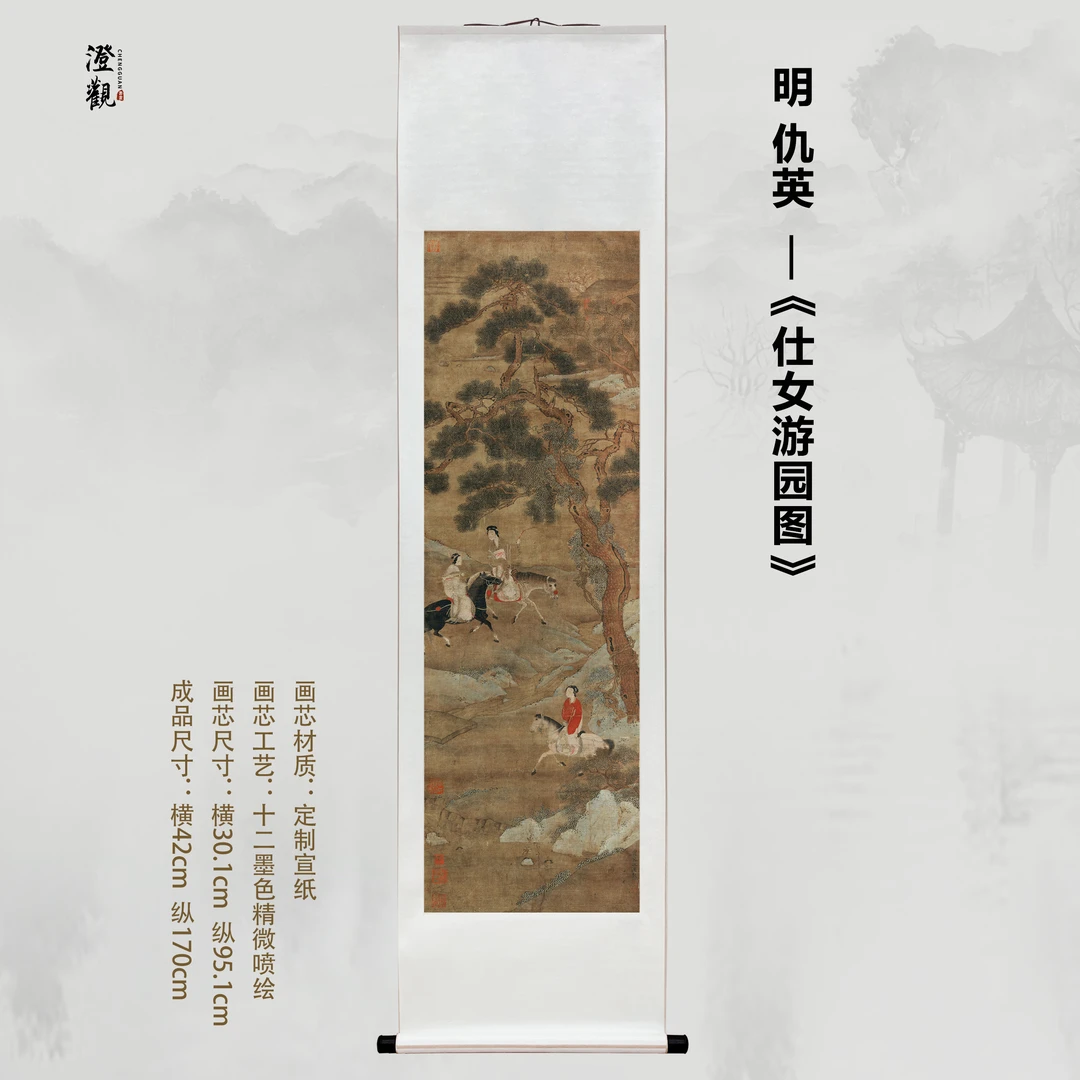
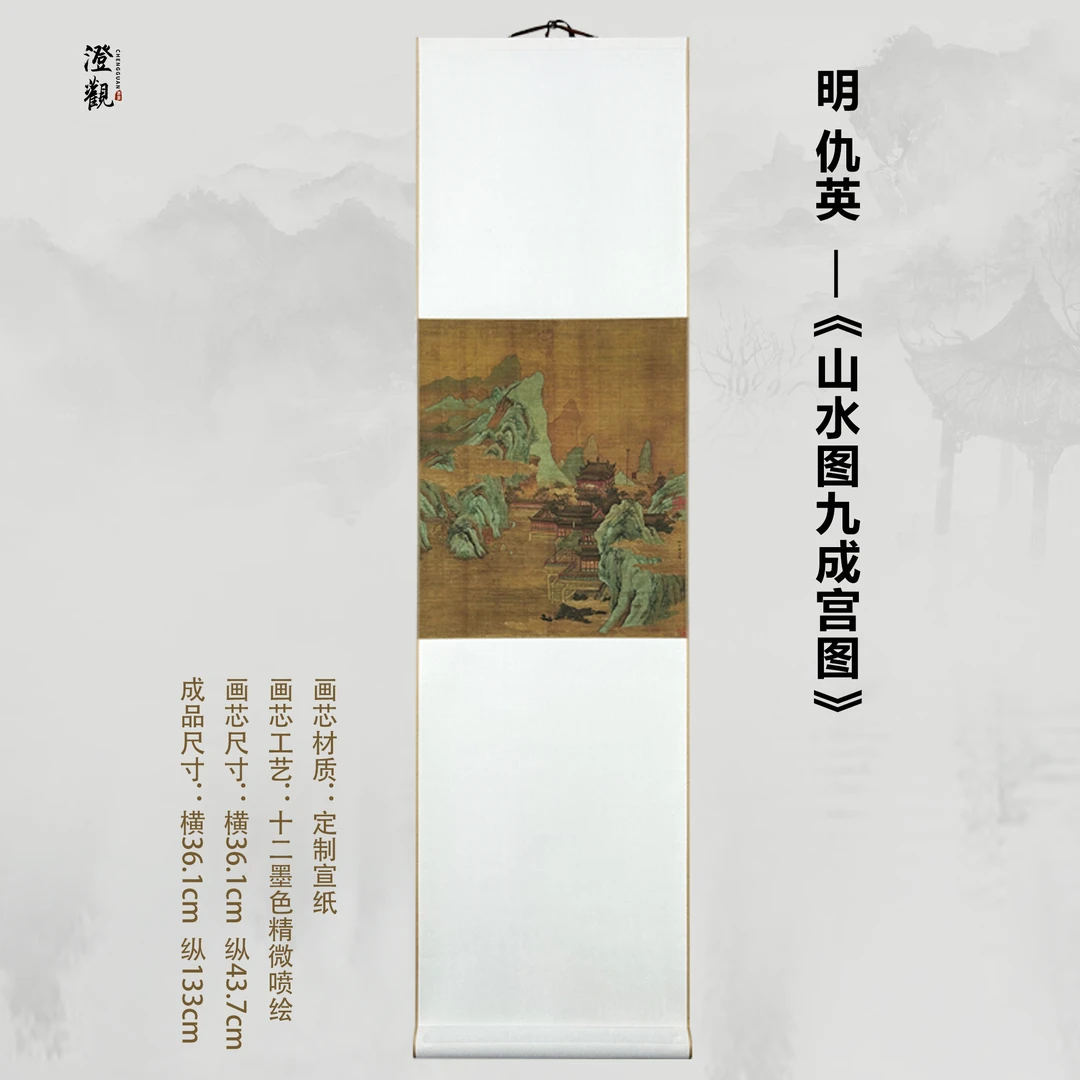
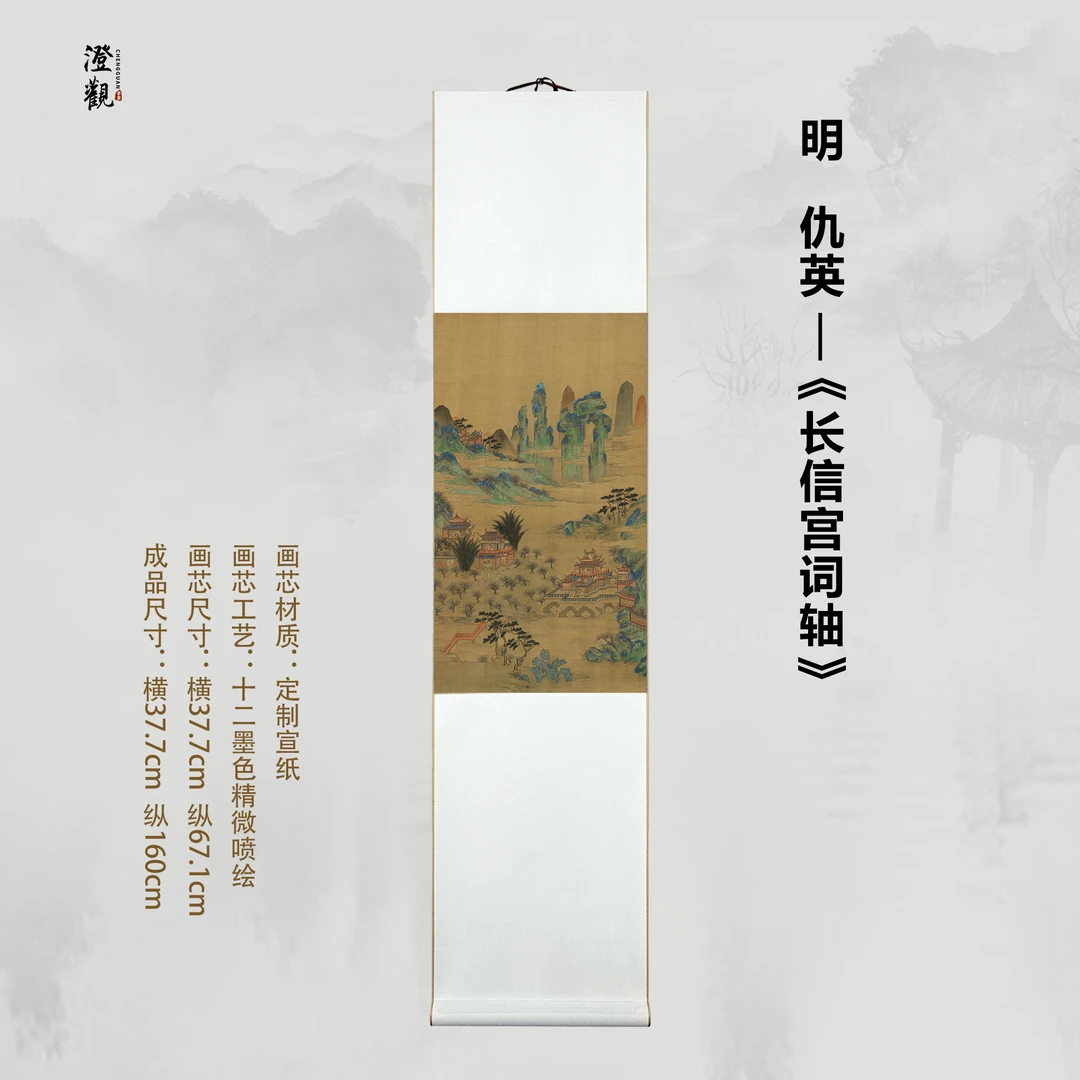
Qiu Ying (c. 1494–1552), courtesy name Shifu (实父) and pseudonym Shizhou (十洲), was a towering figure of the Ming Dynasty art world. Despite his humble origins, he is immortalized as one of the "Four Masters of the Ming" (明四家), alongside Shen Zhou, Wen Zhengming, and Tang Yin. Qiu Ying stands out in this group as the only professional painter (huagong), as opposed to a traditional scholar-official, proving that technical genius could command the highest respect of the literati elite.
1. From Lacquerer to Fine Artist
Born into a poor family in Taicang, Qiu Ying began his career as a lacquer craftsman. His innate talent was discovered by the famous artist Zhou Chen, who took him as a disciple. Under Zhou's tutelage, Qiu Ying mastered the rigorous techniques of the Song Dynasty academy. His background as a craftsman provided him with a unique patience and precision that allowed him to create works of staggering detail, a quality that set him apart from the more spontaneous styles of the Suzhou scholar-amateurs.
2. Mastery of the Blue-and-Green Style (Qinglu Shanshui)
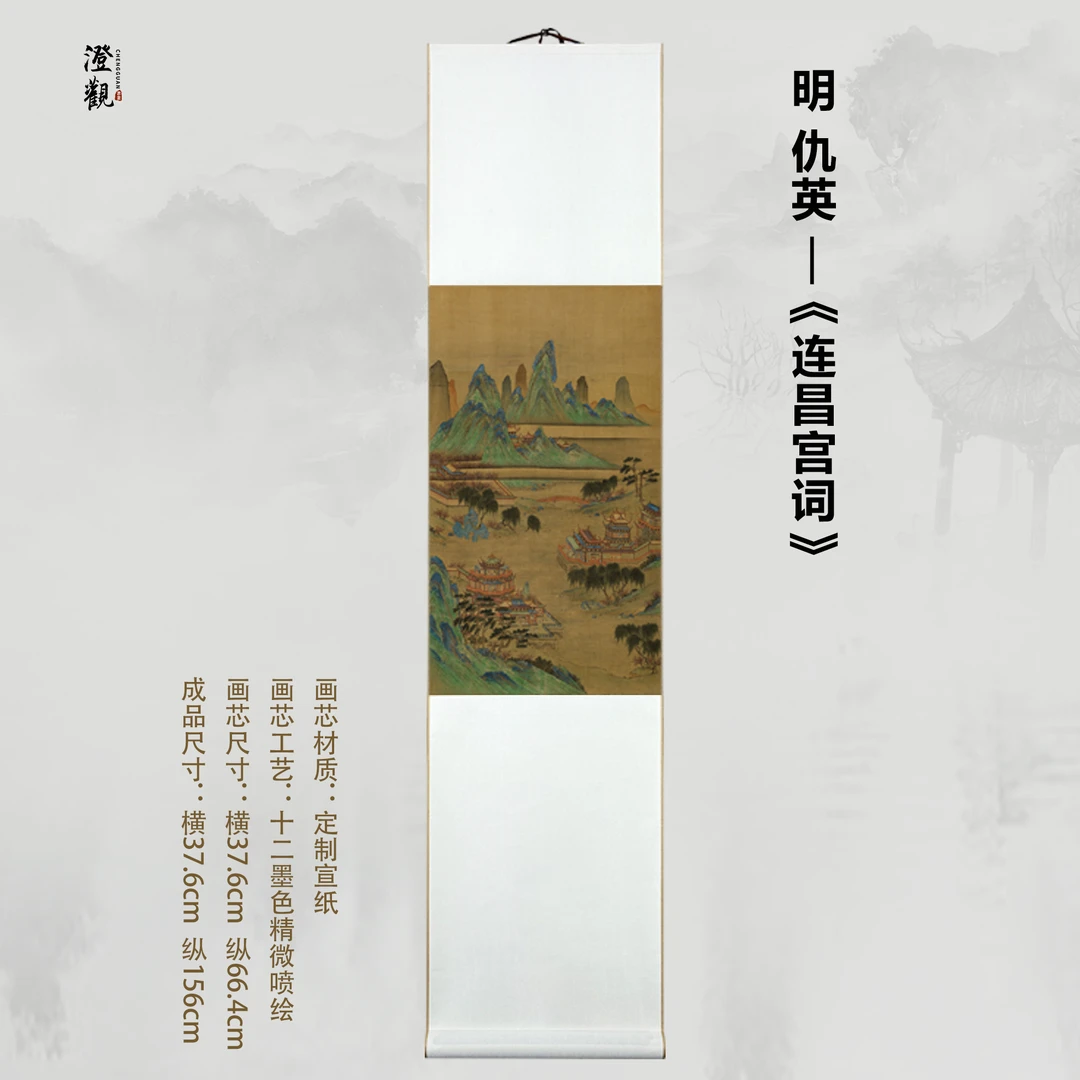
Qiu Ying is arguably the greatest reviver of the Blue-and-Green landscape tradition during the Ming period. He utilized expensive mineral pigments like malachite and azurite to create vibrant, jewel-like vistas. His style was characterized by:
- Technical Perfection: He achieved a level of Gongbi (meticulous) detail that was unparalleled, depicting every leaf, shingle, and figure with crystalline clarity.
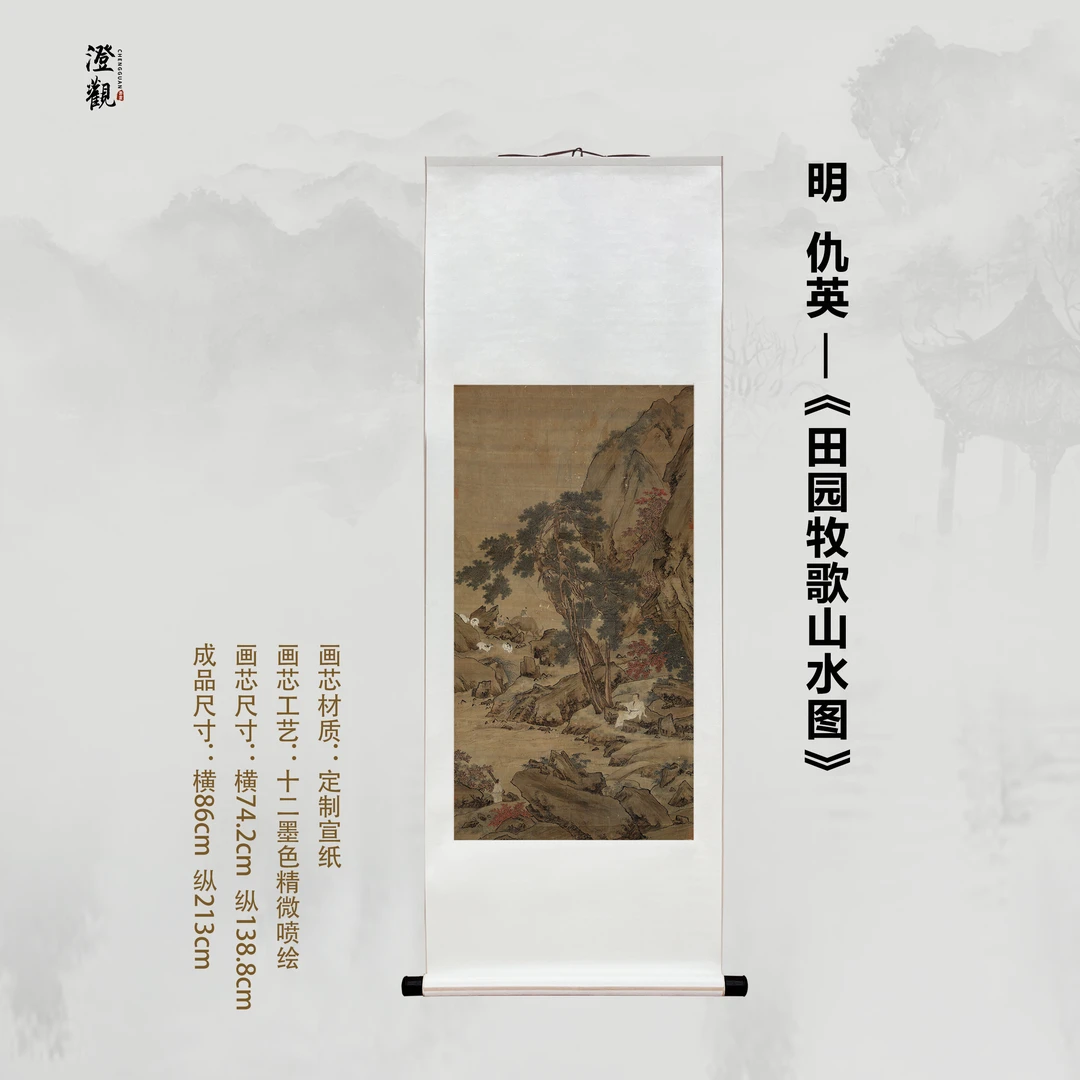
- Archaic Elegance: He drew deep inspiration from the Tang and Northern Song masters, blending their structural grandeur with the refined, lyrical sensibilities of the Wu School.
- Atmospheric Depth: Despite the heavy use of color, his landscapes maintain a sense of ethereal lightness and poetic space.
3. Figures, Palaces, and Narrative Scrolls
Beyond landscapes, Qiu Ying was a master of figure painting (Renwu) and architectural painting (Jiehua). He was particularly famous for his:
- Court Ladies (Meiren): His depictions of elegant women are noted for their delicate features and flowing garments, setting the standard for beauty in late Ming art.
- Historical Narratives: He excelled at creating long handscrolls that told complex stories, such as his famous version of "Spring Morning in the Han Palace" (Han Gong Chun Xiao Tu).
- Utopian Vistas: His work often depicted Daoist paradises and scholarly retreats, such as his celebrated "Peach Blossom Spring" (Taoyuan Tu).
4. Patronage and the Literati Connection
Though not a scholar himself, Qiu Ying was highly sought after by the greatest connoisseurs and collectors of his time. He spent much of his career living and working in the homes of wealthy patrons like Xiang Yuanbian, the most significant collector of the Ming Dynasty. This access allowed him to study and copy ancient masterpieces, which refined his taste and allowed him to bridge the gap between professional craftsmanship and literati aestheticism.
5. Historical Legacy and Global Influence
Because Qiu Ying’s works were so technically perfect and commercially successful, he became one of the most frequently forged artists in Chinese history. However, his authentic works are considered national treasures and are held in institutions like the Palace Museum and the Metropolitan Museum of Art. His influence extended far beyond China, significantly impacting the development of Japanese Yamato-e and Ukiyo-e traditions, where his meticulous use of color and narrative detail were deeply admired.