Ma Yuan: The Master of Poetic Space and One-Corner Composition
Ma Yuan (c. 1160–1225 AD), courtesy name Qinshan, was a preeminent court painter of the Southern Song Dynasty and is celebrated as one of the "Four Masters of the Southern Song" alongside Li Tang, Liu Songnian, and Xia Gui. Born into a prestigious family of artists that served the imperial court for five generations, Ma Yuan reached the height of his career during the reigns of Emperors Guangzong and Ningzong. His artistic brilliance earned him the Golden Belt, the highest honor for a court painter, marking him as a definitive voice of the Imperial Painting Academy in Hangzhou.
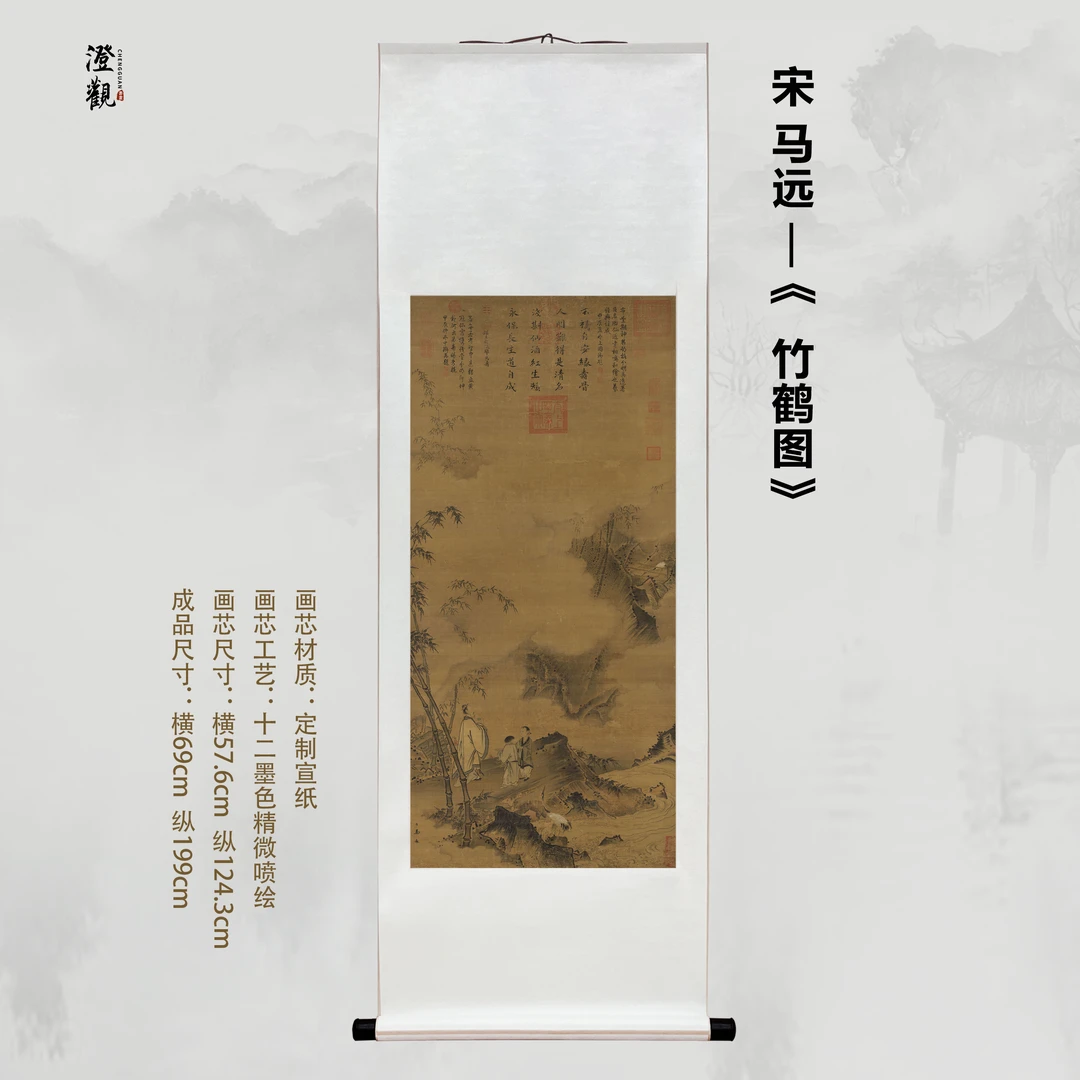
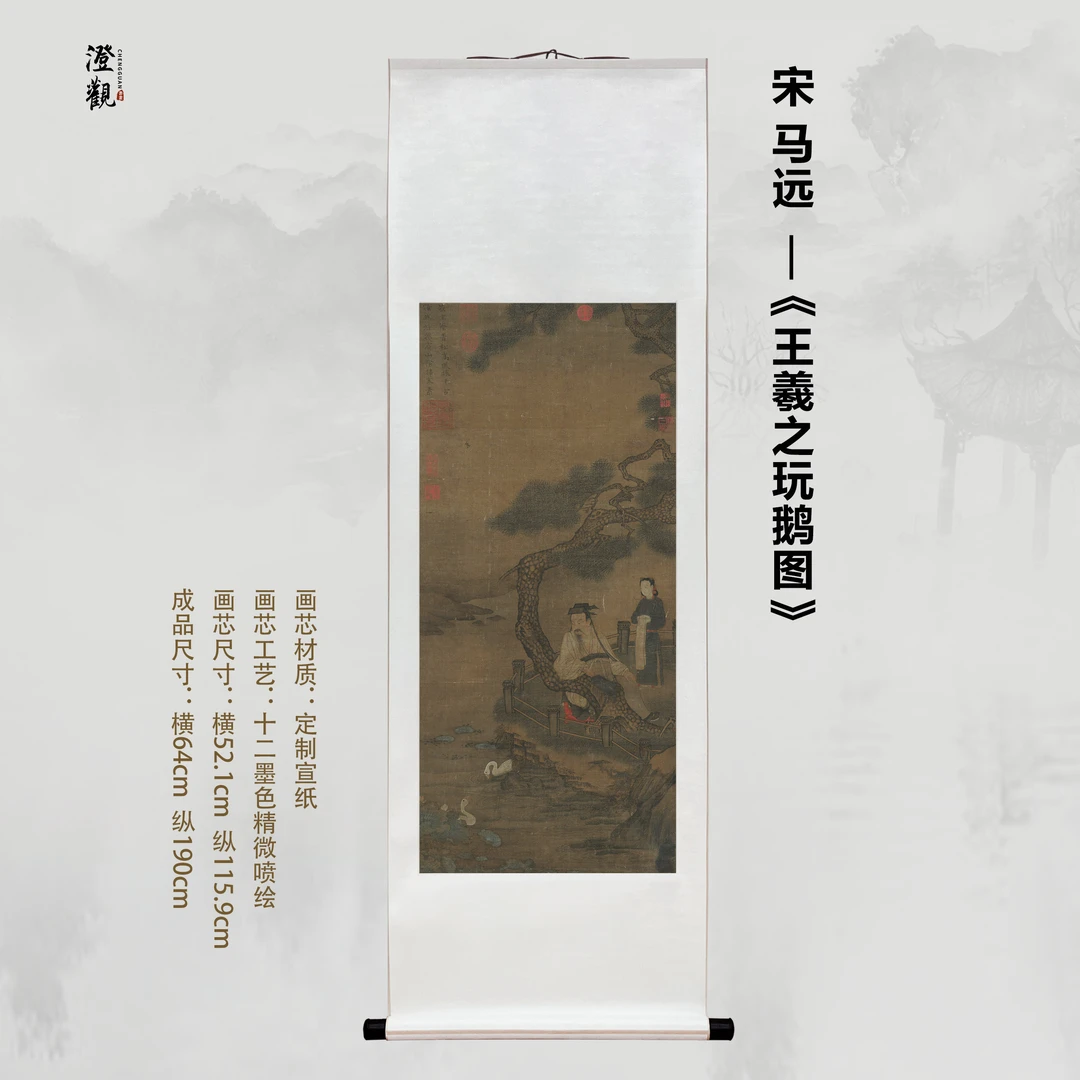
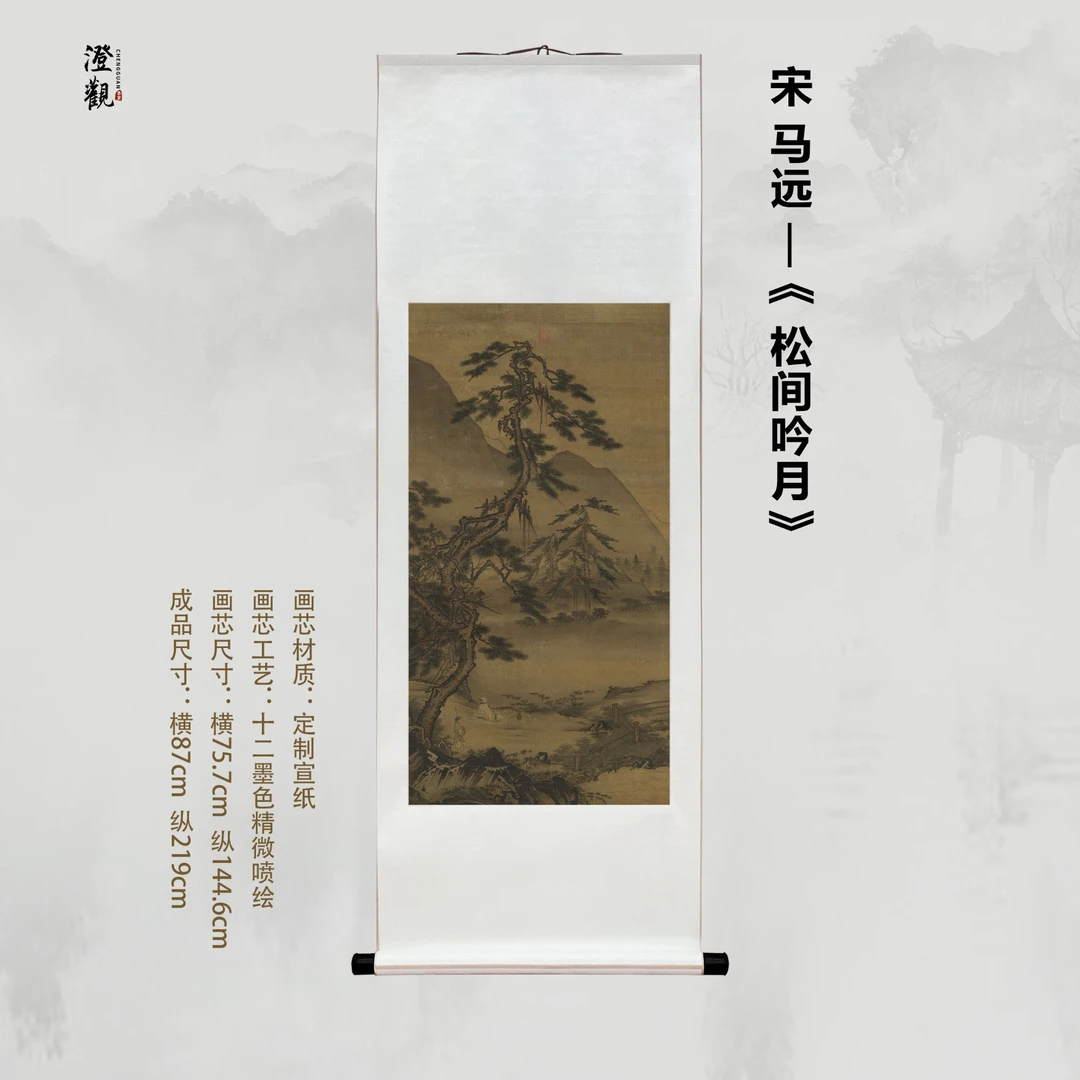
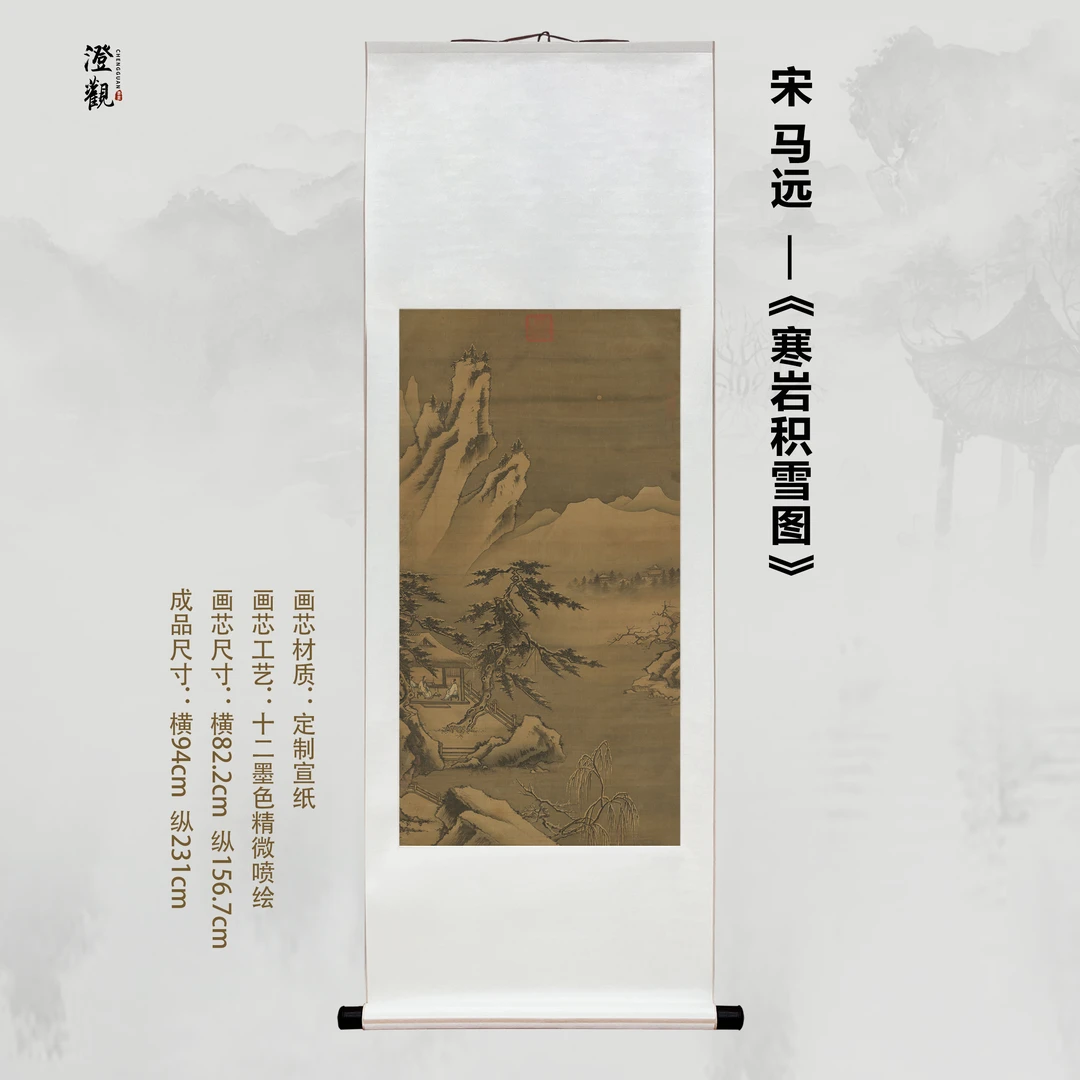
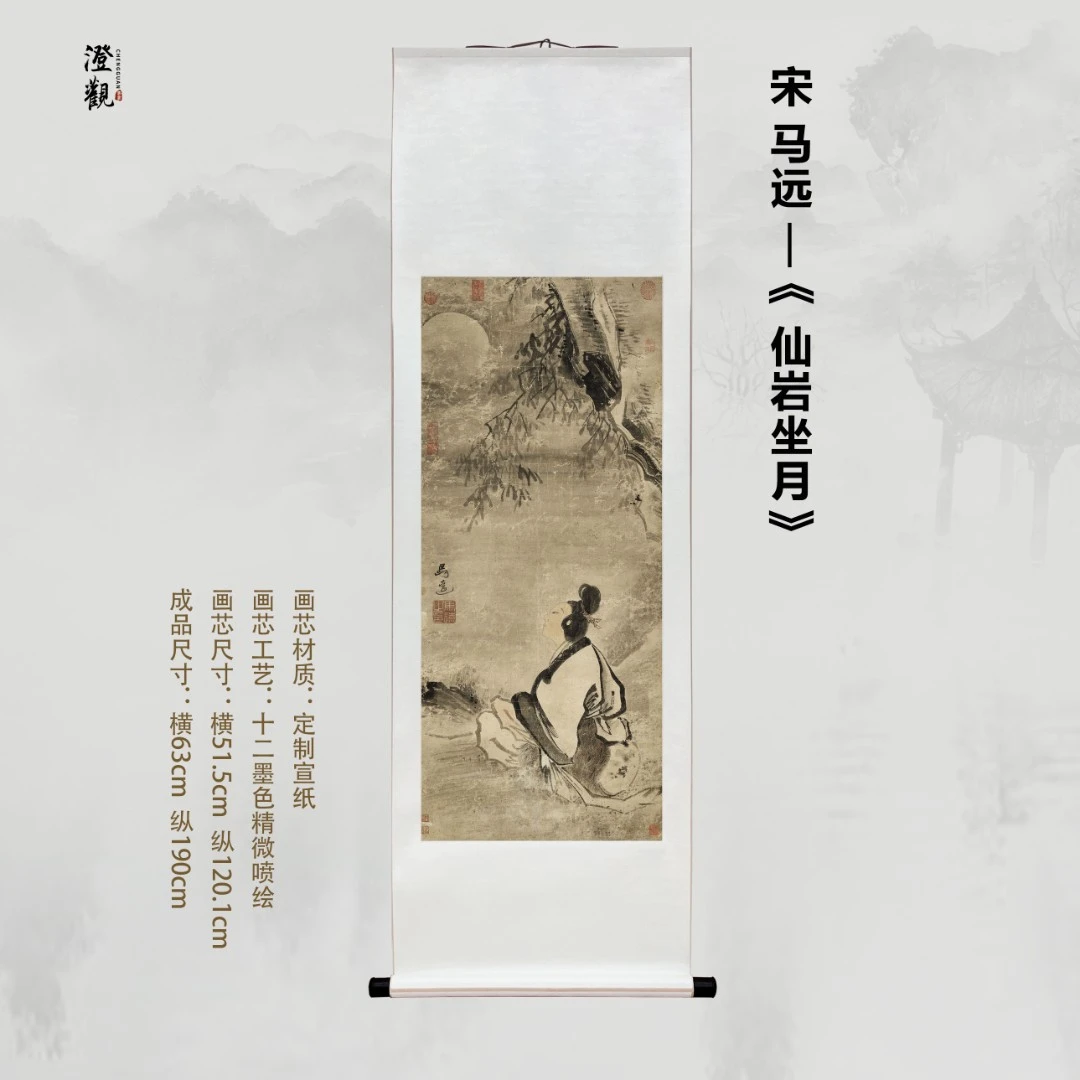
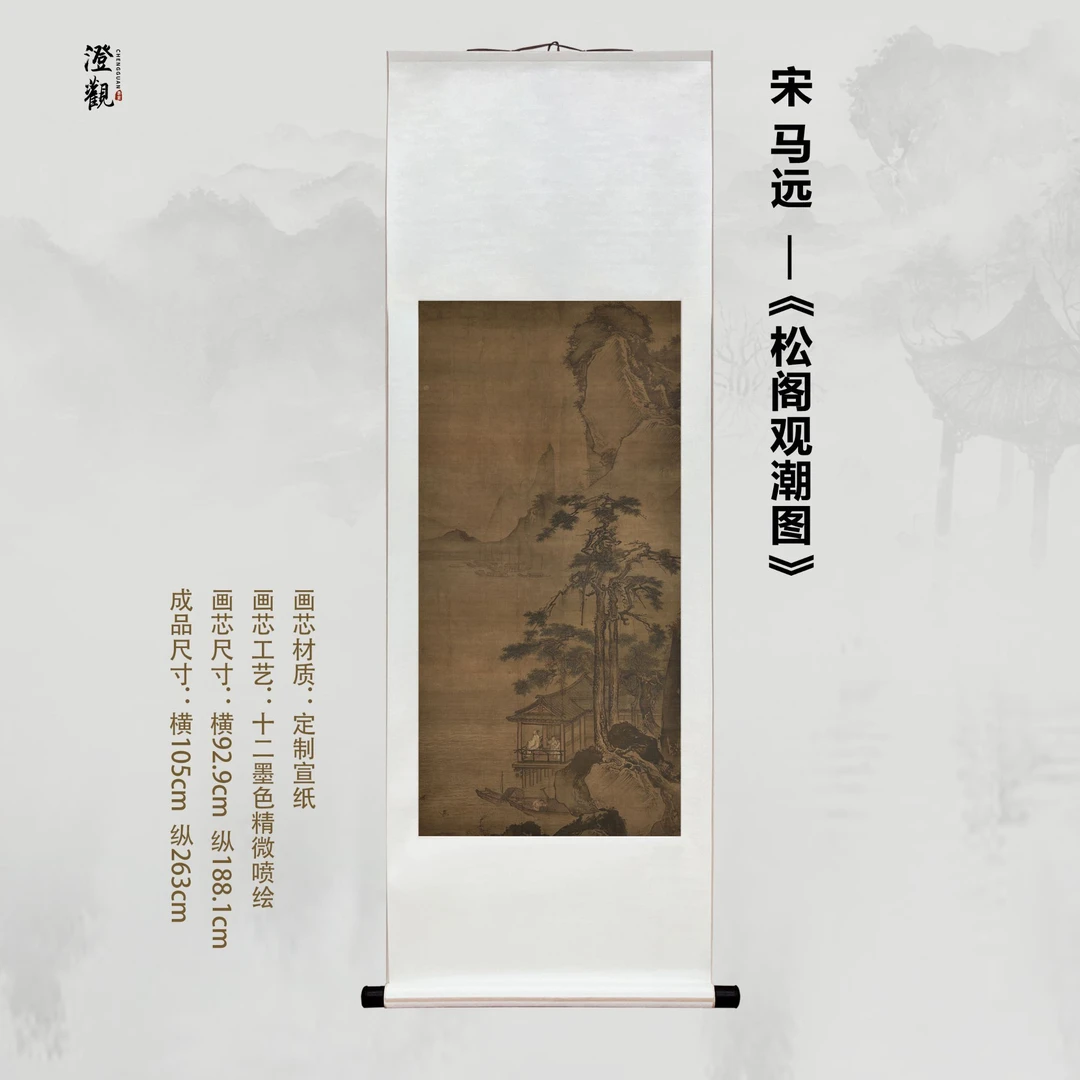
He is most famous for his revolutionary approach to spatial arrangement, which earned him the enduring nickname "One-Corner Ma" (Ma Yijiao). Unlike the monumental, wall-to-wall landscapes of the Northern Song, Ma Yuan pushed the main subjects—such as a solitary scholar, a gnarled pine, or a jagged cliff—into one corner or side of the silk. The rest of the painting was left as negative space (the "void"), filled with mist or distant, ethereal mountain silhouettes. This asymmetrical composition created a profound sense of poetic distance and quiet contemplation, inviting the viewer to complete the scene with their own imagination.
Technically, Ma Yuan perfected the "Large Axe-cut stroke" (Da Fupi Cun), a technique using the side of the brush to create sharp, angular, and sculptural textures on rocks and mountains. His lines were firm and decisive, often compared to the strength of iron wire. He was particularly skilled at depicting plum trees and pines, which he rendered with drag-and-sweep strokes to suggest ancient, weather-beaten resilience. His brushwork was not merely descriptive but carried a lyrical rhythm that balanced the harshness of the rocks with the softness of the mist.
His masterpiece, "On a Mountain Path in Spring" (山径春行图), currently in the National Palace Museum, is a perfect distillation of his style. It depicts a scholar walking through a landscape where birds flutter and willow branches sway in the breeze, accompanied by a poetic inscription from Empress Yang. Another significant work, "Dancing and Singing" (踏歌图), showcases his ability to blend peasant life with grand landscapes, depicting villagers returning from work under towering, misty peaks. These works reveal his mastery of atmospheric perspective and his deep connection to the romantic spirit of the southern landscape.
The legacy of Ma Yuan is inextricably linked with that of Xia Gui, forming the influential "Ma-Xia School." Together, they defined the lyrical and intimate style of landscape painting that would dominate the Southern Song and eventually exert a profound influence on Zen painting in Japan (Sumi-e). His innovative use of space and emotional depth transformed the way nature was perceived in art, moving from a physical record toward a spiritual experience. Today, his works are considered global masterpieces, representing the pinnacle of sophisticated elegance in the history of Chinese painting.