Liu Songnian: The Master of Courtly Precision and Garden Landscapes
Liu Songnian (active c. 1174–1224 AD) was a preeminent court painter of the Southern Song Dynasty, recognized as one of the "Four Masters of the Southern Song" alongside Li Tang, Ma Yuan, and Xia Gui. A native of Qiantang (modern-day Hangzhou), he lived near the Anmen gate of the imperial palace, which earned him the prestigious nickname "Anmen Liu." Serving under three successive emperors—Xiaozong, Guangzong, and Ningzong—he reached the peak of the Imperial Painting Academy, where his exceptional skill was rewarded with the highest honors, including the Golden Belt.
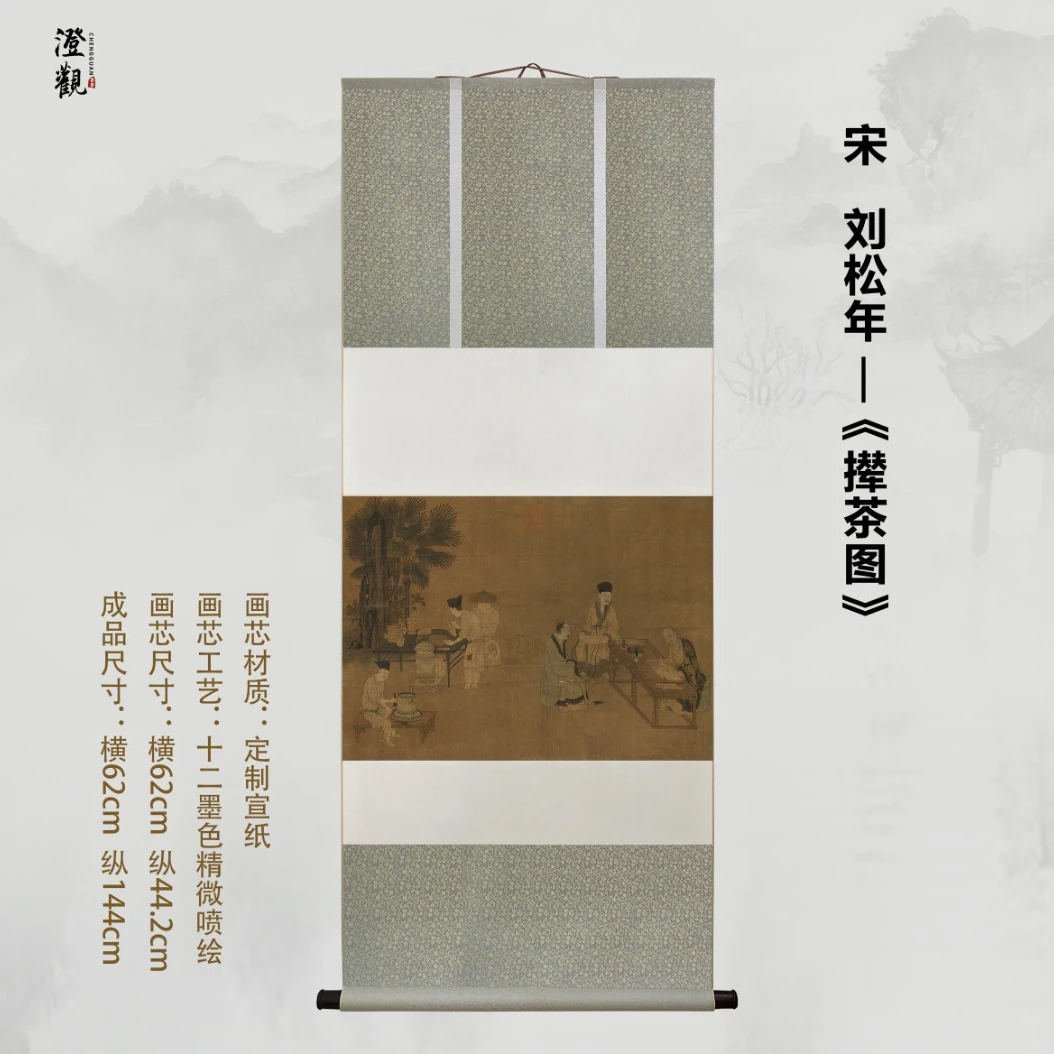
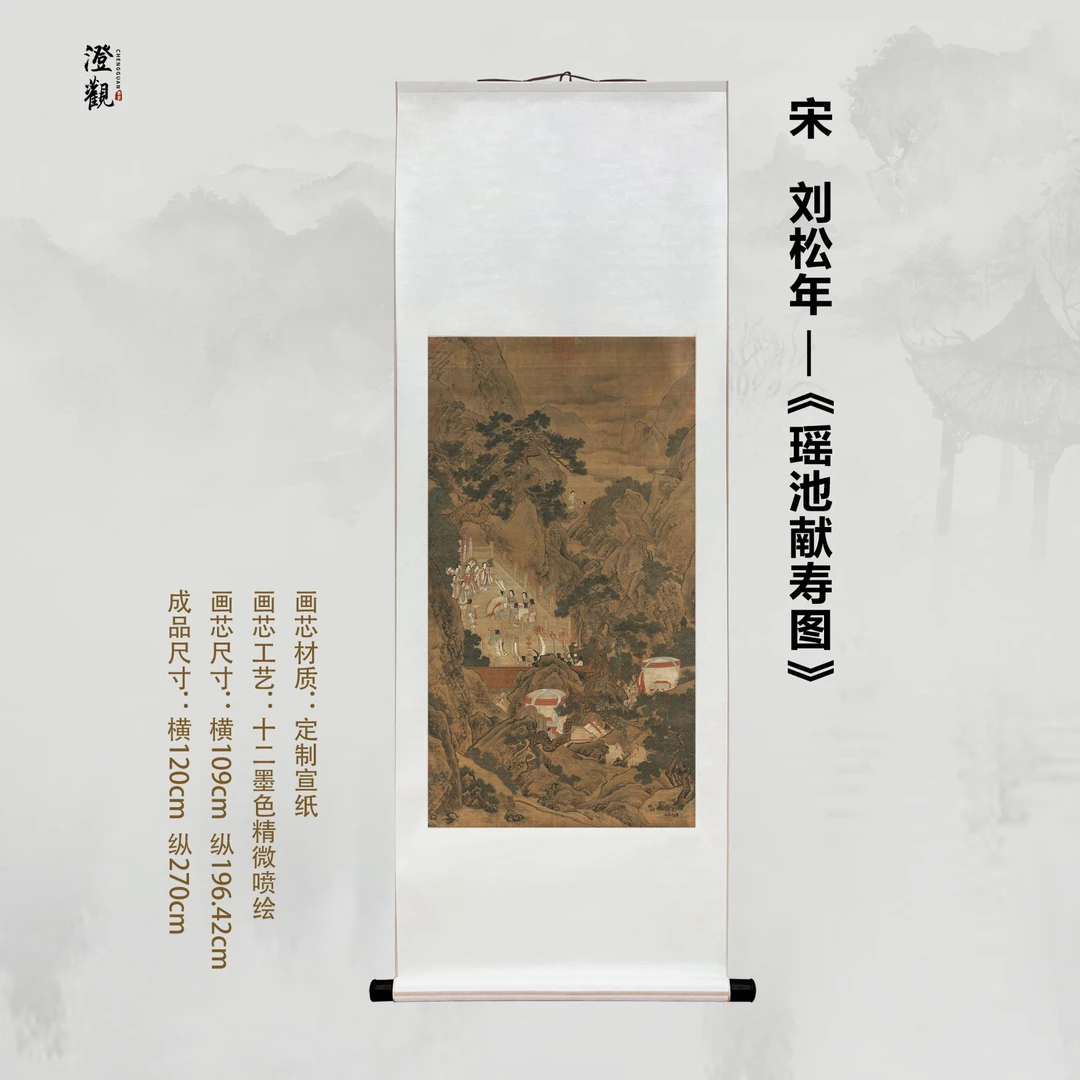
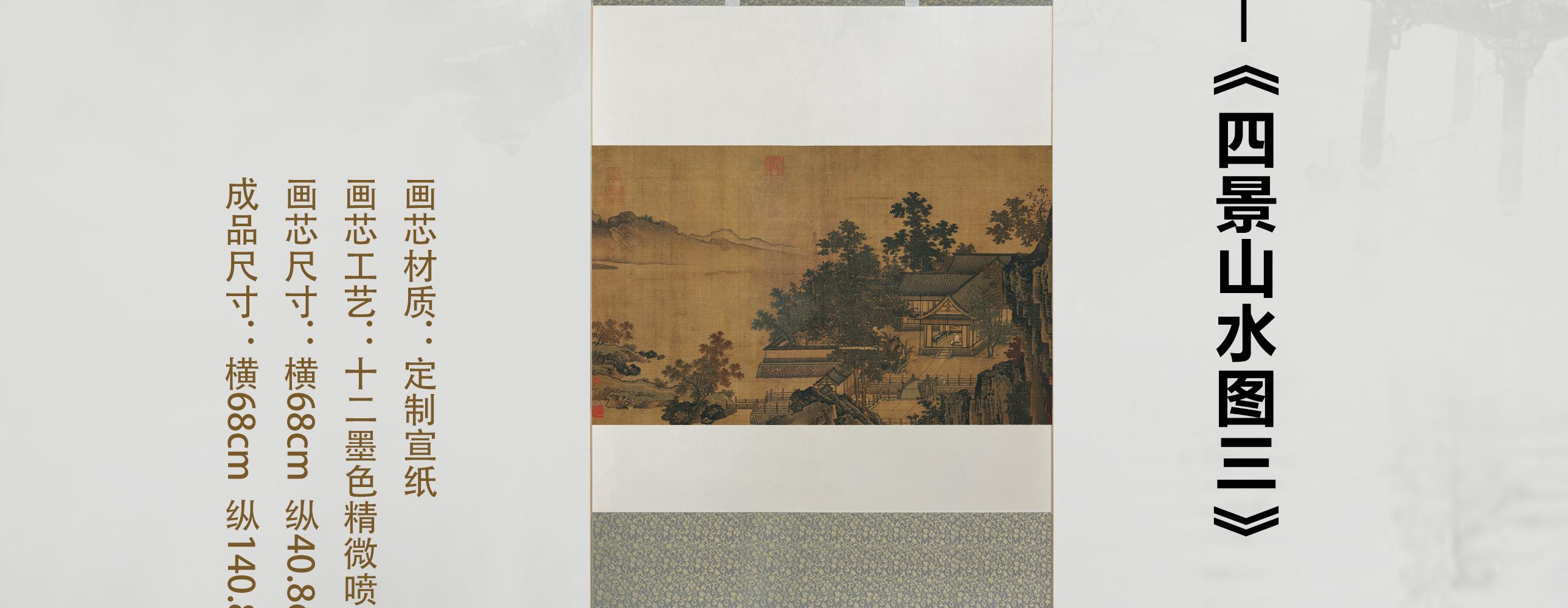
He is celebrated for his exquisite refinement and the transition he led from the rugged "axe-cut" style of Li Tang toward a more meticulous and elegant aesthetic. His brushwork was remarkably delicate and firm, characterized by a clean, scholarly atmosphere. Unlike the vast, untamed wilderness of the Northern tradition, Liu Songnian excelled in depicting refined garden landscapes and architectural marvels. He was a master of Jiehua (ruled-line painting), using precision instruments to render imperial palaces, pavilions, and bridges with perfect spatial logic and stunning detail.
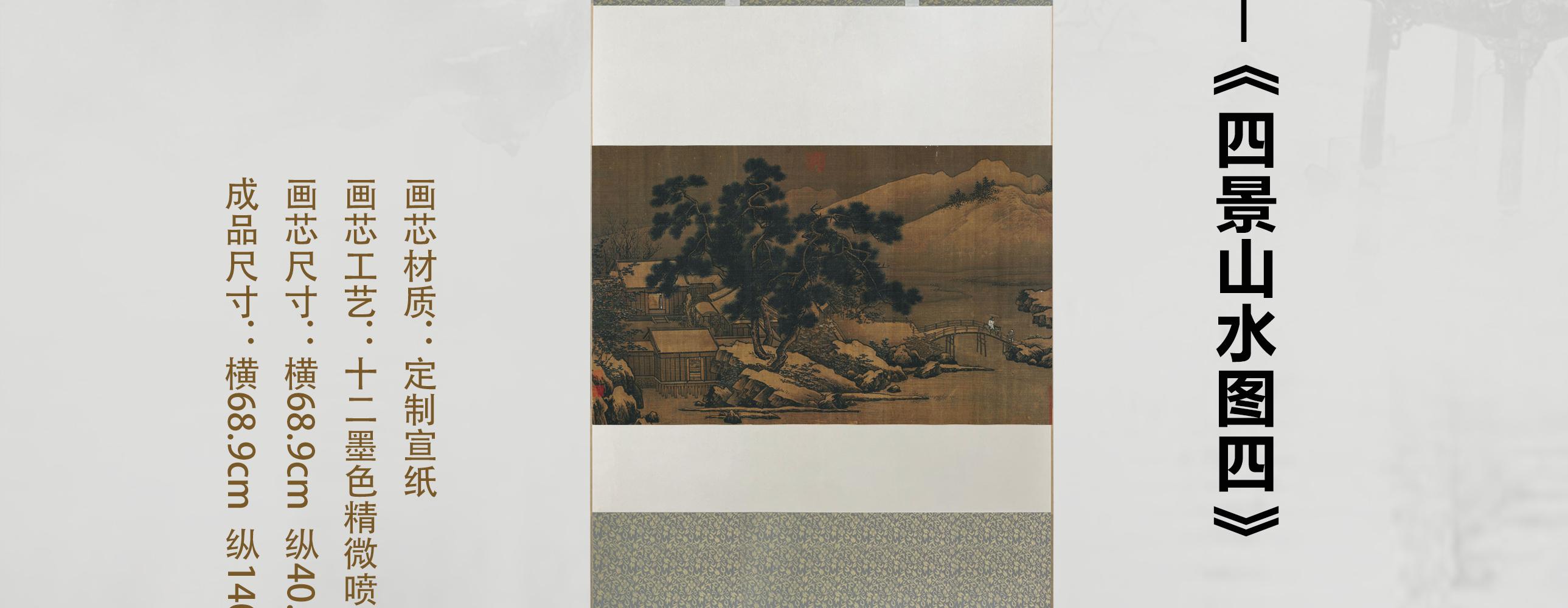
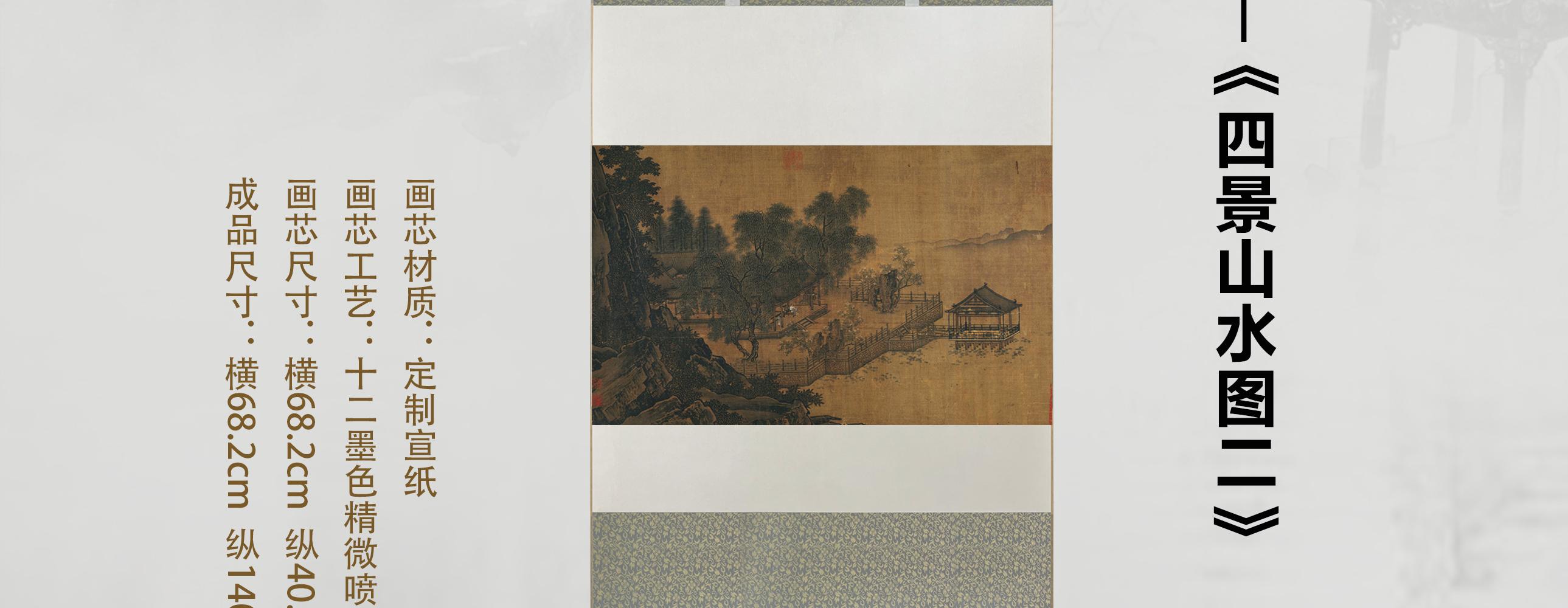
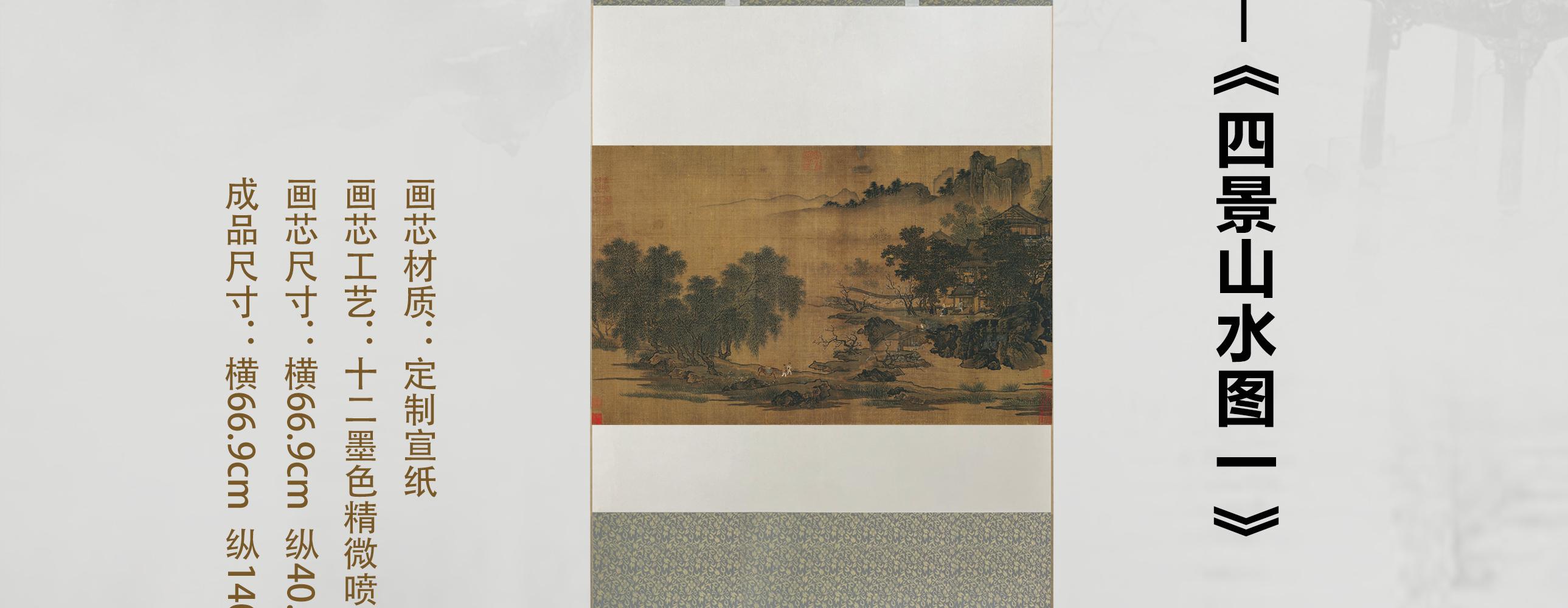
One of his most significant contributions was his ability to perfectly integrate human figures into their natural surroundings. His figures are not merely incidental but are depicted with distinct personalities and historical accuracy. His famous series, "The Four Landscapes" (四景山水图), now in the Palace Museum, captures the shifting moods of the four seasons in the private gardens of Hangzhou. Through his brush, the lush greenery of spring and the stark serenity of winter become intimate backdrops for the sophisticated leisure of the Southern Song elite.
In addition to his secular work, Liu Songnian was a master of Buddhist iconography. His surviving "Luo Han" (Arhat) paintings are considered some of the finest examples of Song religious art. In these works, he abandoned traditional stereotypical depictions in favor of realistic portrayals, showing the holy figures in contemplative poses within deep mountain forests. His use of vibrant mineral colors and fine, hair-like lines to render the textures of rocks and tree bark demonstrated his technical mastery and his deep understanding of the spiritual essence of his subjects.
The legacy of Liu Songnian is defined by his role as the premier chronicler of the Southern Song’s cultural peak. His style, often referred to as "refined and spirited," set a new standard for the academic tradition that would persist through the Ming and Qing dynasties. His ability to balance monumental structure with intimate detail made his work a primary model for later courtly painters and garden designers alike. Today, he remains a symbol of the aristocratic dignity and artistic brilliance of 12th-century China, with his works treated as priceless treasures in museums worldwide.