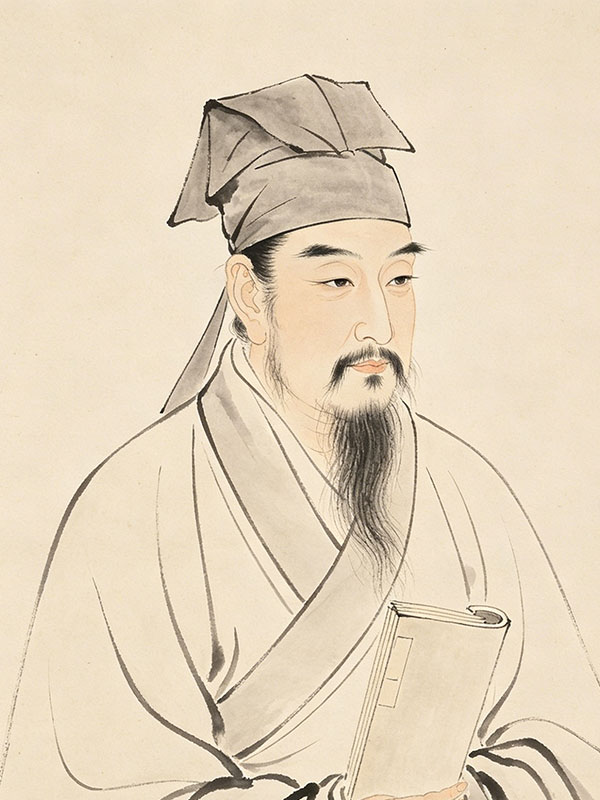
Li Cheng: The Scholarly Visionary of Wintry Forests and Level Distance
Li Cheng (919–967 AD), courtesy name Xianxi, was a towering figure in the transition from the Five Dynasties to the early Northern Song Dynasty. As a descendant of the Tang imperial family (the Li clan), he was born into an era of political fragmentation, which profoundly influenced his reclusive and scholarly temperament. He is historically revered as the primary architect of the Northern Landscape tradition, providing the foundational aesthetic that would dominate Chinese art for centuries.
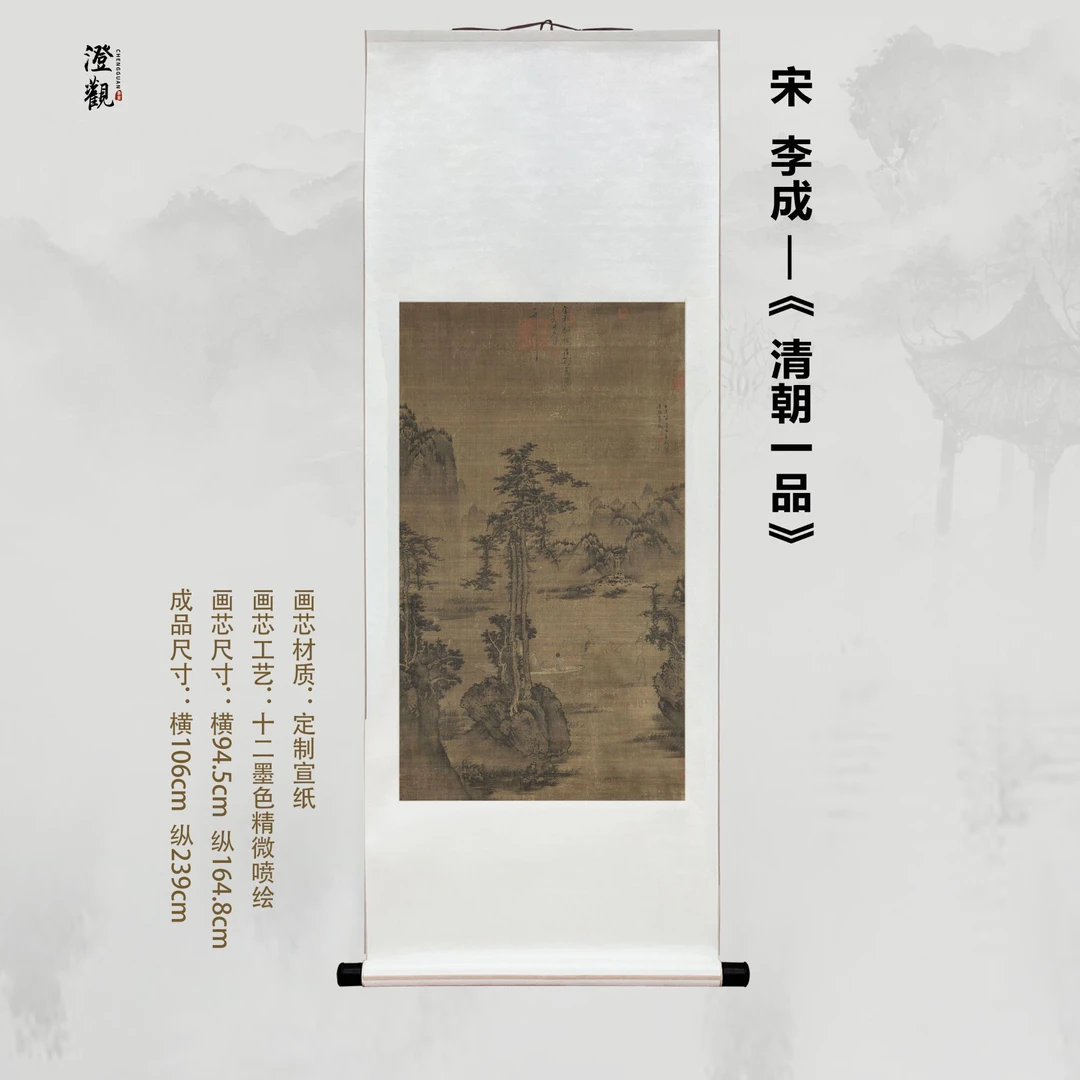
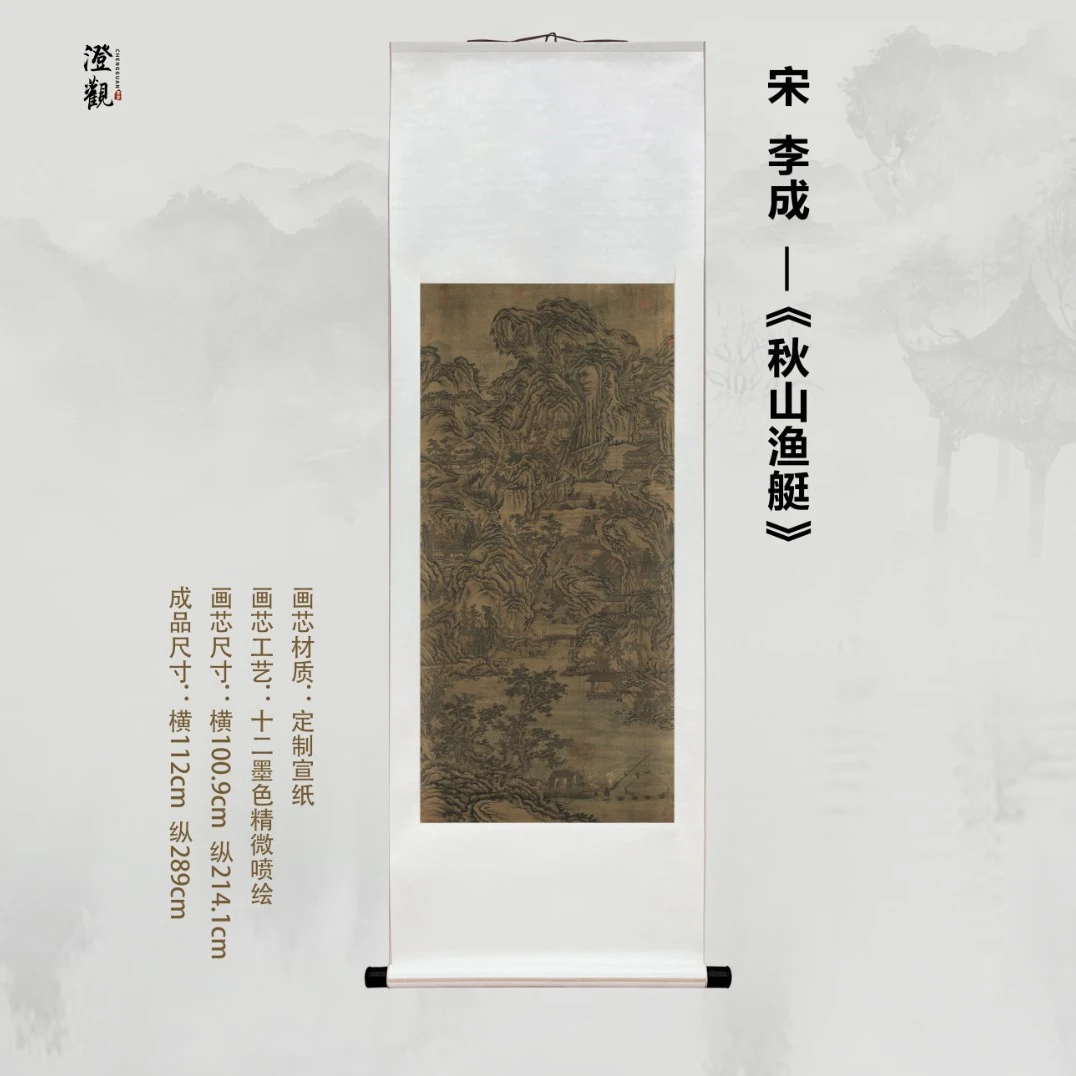
He is most celebrated for his unique ink-wash technique and his mastery of atmospheric perspective. Unlike many of his contemporaries who focused on towering, craggy peaks, Li Cheng was the pioneer of the "Level Distance" (Ping Yuan) perspective, capturing the vast, misty plains and rolling horizons of northern China. He was famously said to be as "sparing with ink as if it were gold" (Xi Mo Ru Jin), using multiple layers of subtle grey washes to create a sense of infinite light and air within the silk.
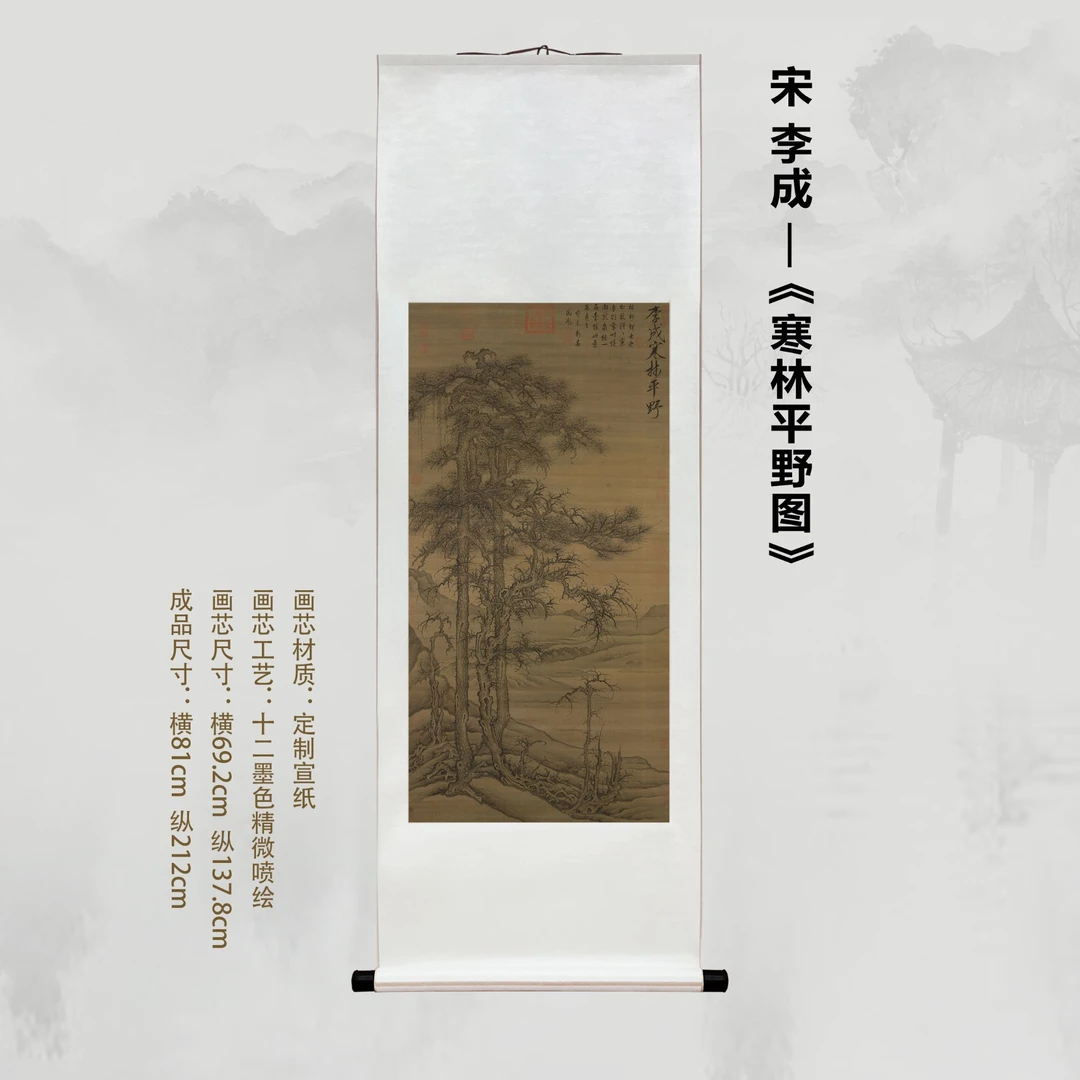
His depiction of "Wintry Forests" (Han Lin) became a canonical subject in Chinese art history. He perfected the "Crab-claw branches" (Xie Zhua) technique—sharp, interlocking, and downward-curving twigs that suggest the resilience and isolation of nature in the cold. His landscapes often feature withered trees, distant mountain silhouettes, and secluded temples, evoking a melancholy beauty and a lonely, lofty spirit that reflected the intellectual depth of the scholar-official class.
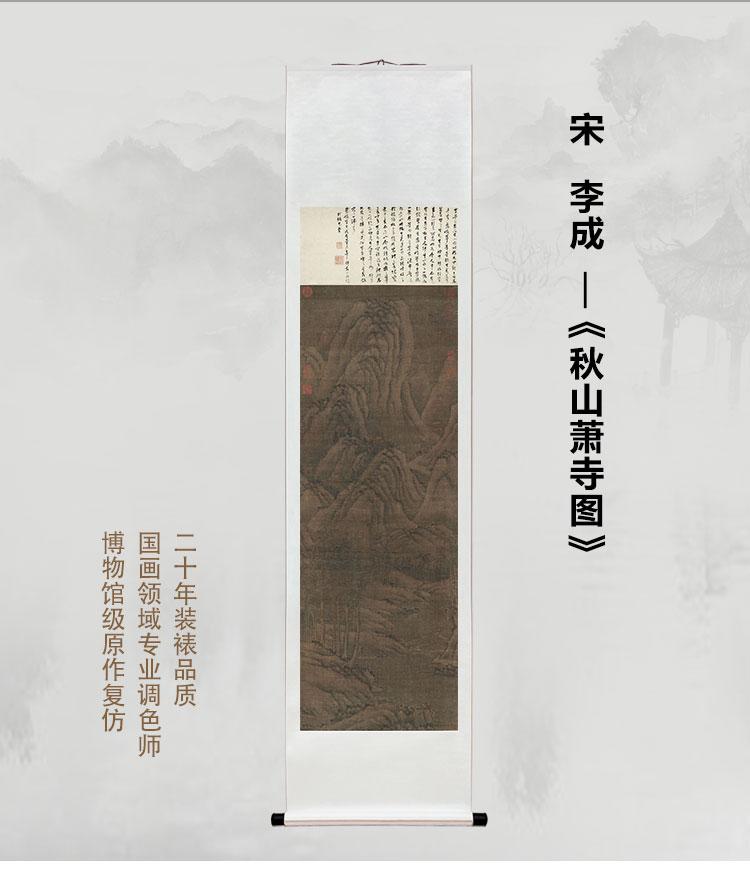
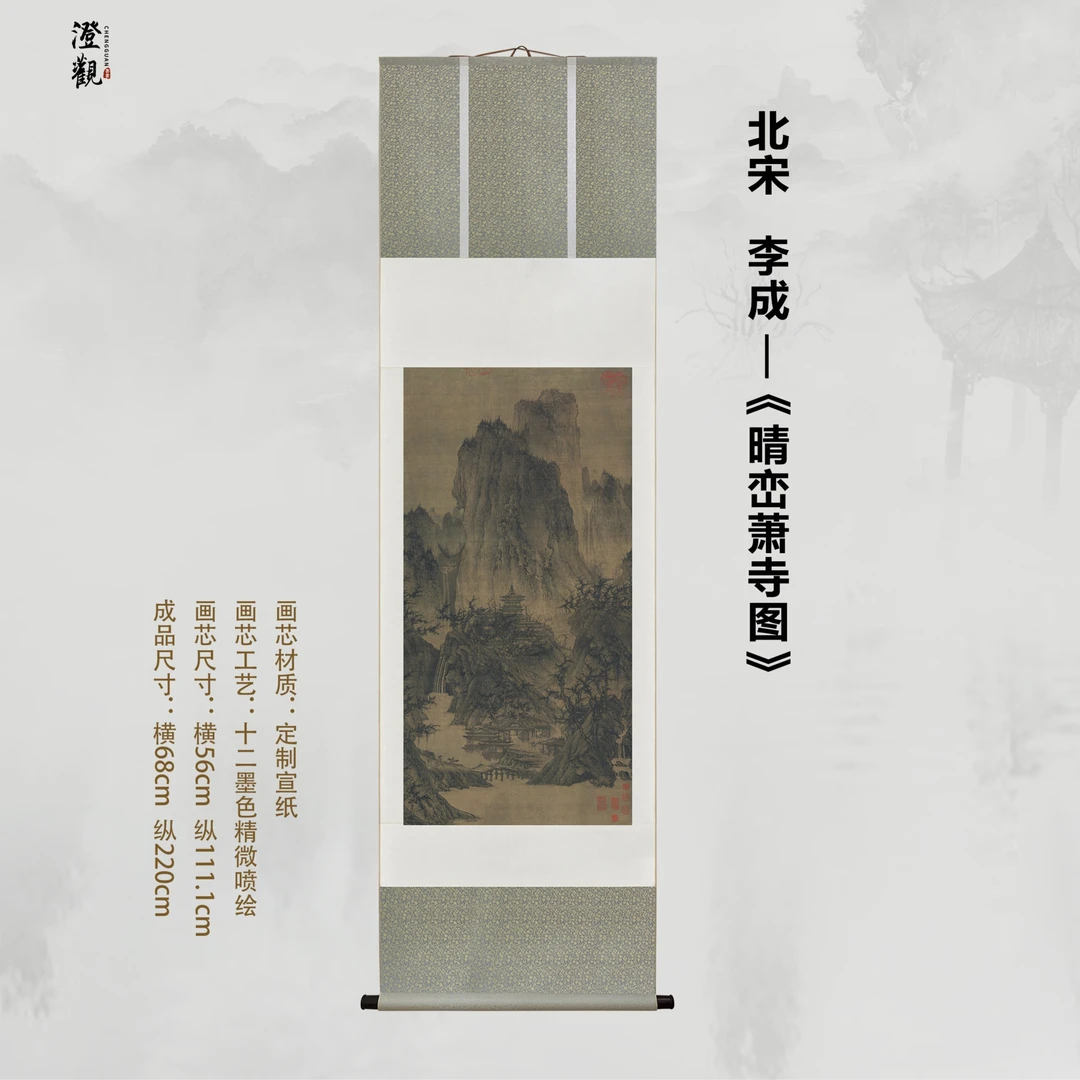
One of his most iconic attributed works, "A Solitary Temple Amid Clearing Peaks" (晴峦萧寺图), currently in the Nelson-Atkins Museum of Art, demonstrates his peerless ability to balance monumental scale with intricate detail. The painting is a masterpiece of rhythmic vitality, where the architecture seems to emerge naturally from the swirling mists. Because he was a high-minded scholar who refused to sell his work to the wealthy and powerful, his original paintings became legendary rarities even during the Song Dynasty, leading him to be deified by later art critics as a "divine" painter.
The legacy of Li Cheng is most prominently seen in the Li-Guo School, a stylistic lineage he co-founded alongside the later master Guo Xi. He was ranked at the absolute pinnacle in the "Xuanhe Catalogue of Paintings" and was considered one of the "Three Great Masters of the Early Song" alongside Fan Kuan and Guan Tong. Today, he is remembered as the "Master of Ten Thousand Generations," an artist who captured the silent, eternal essence of the northern landscape with a sophistication and elegance that remains a benchmark for Chinese painting.
— ALL MASTERPIECES LOADED —