Guo Xi: The Visionary of Northern Song Monumentalism and Atmospheric Theory
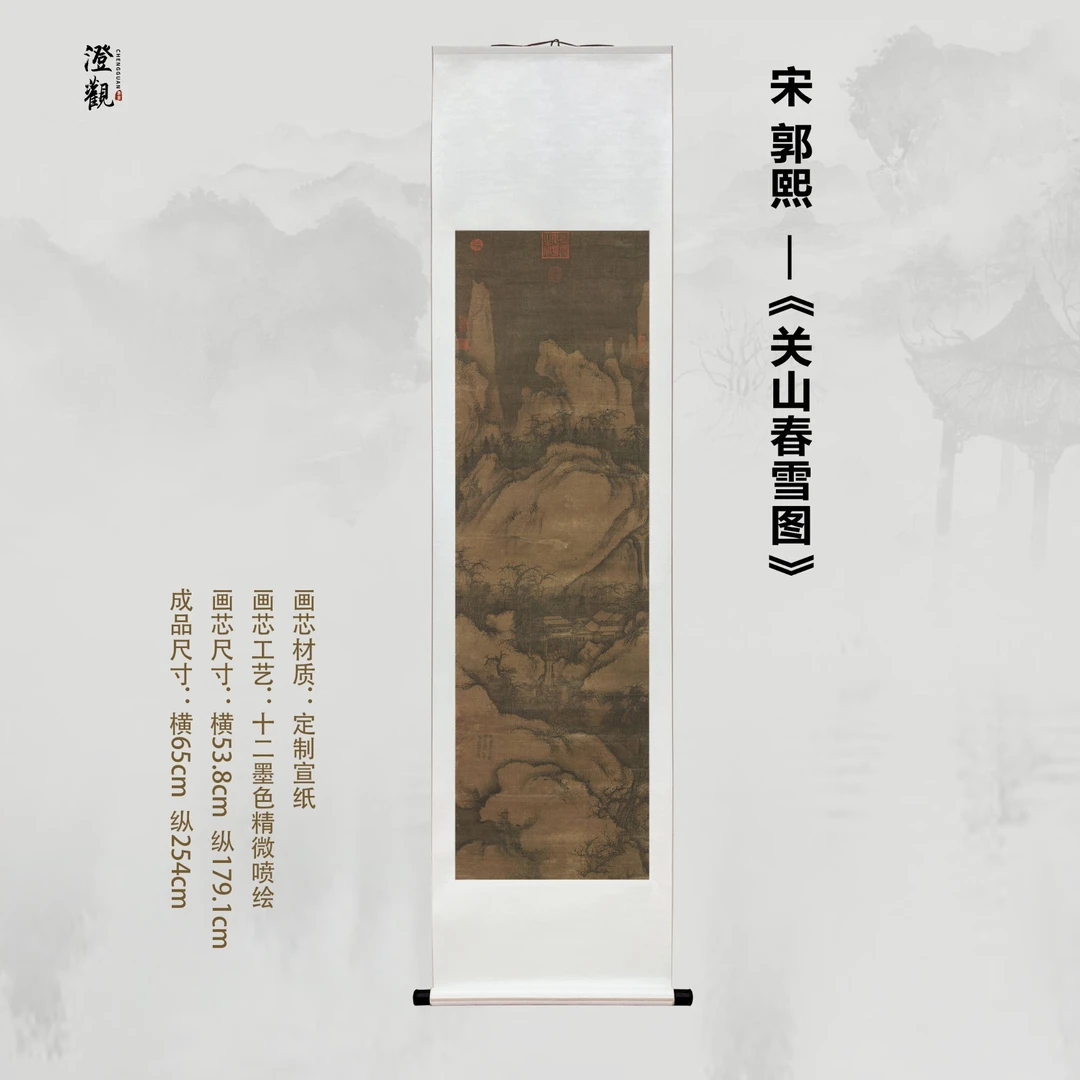
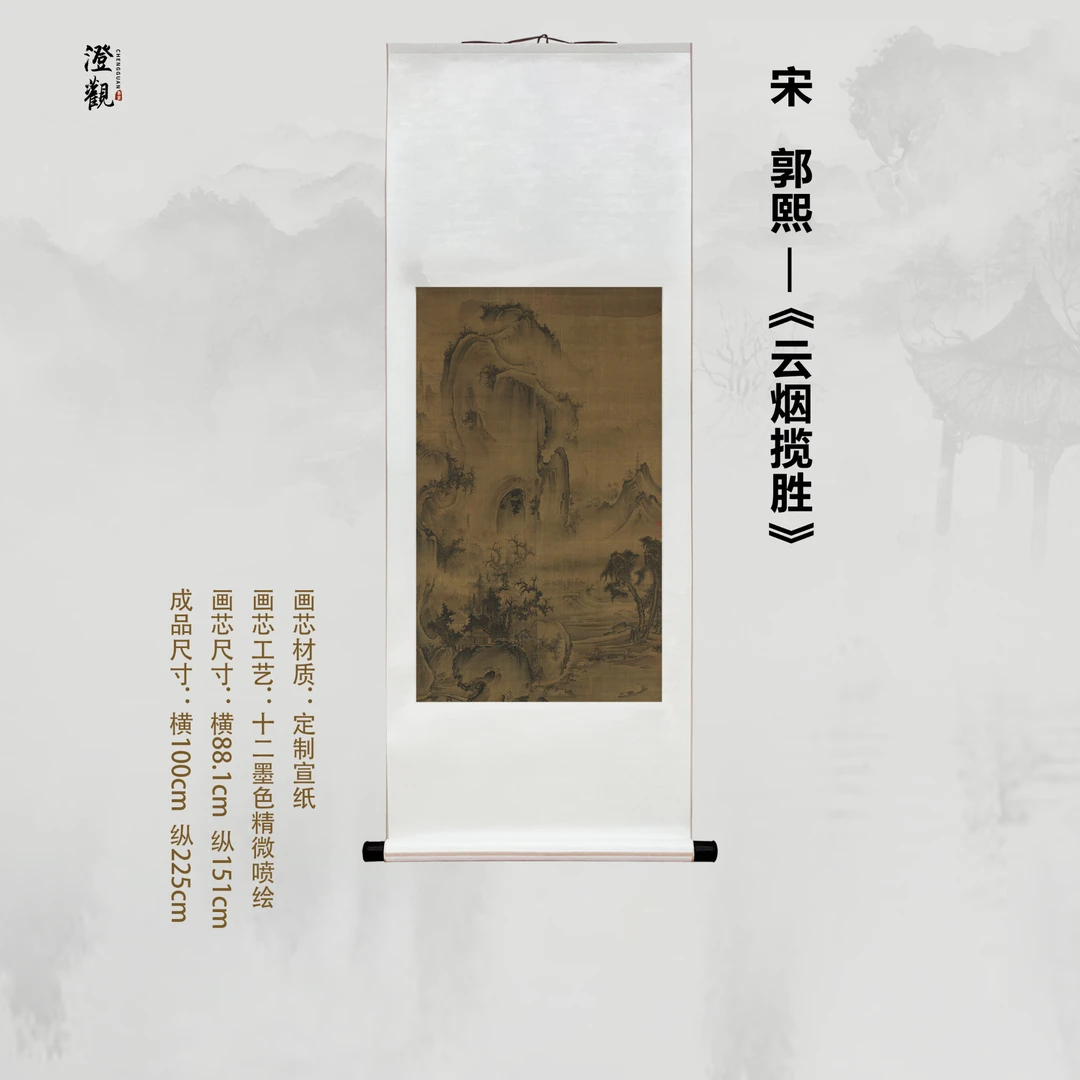
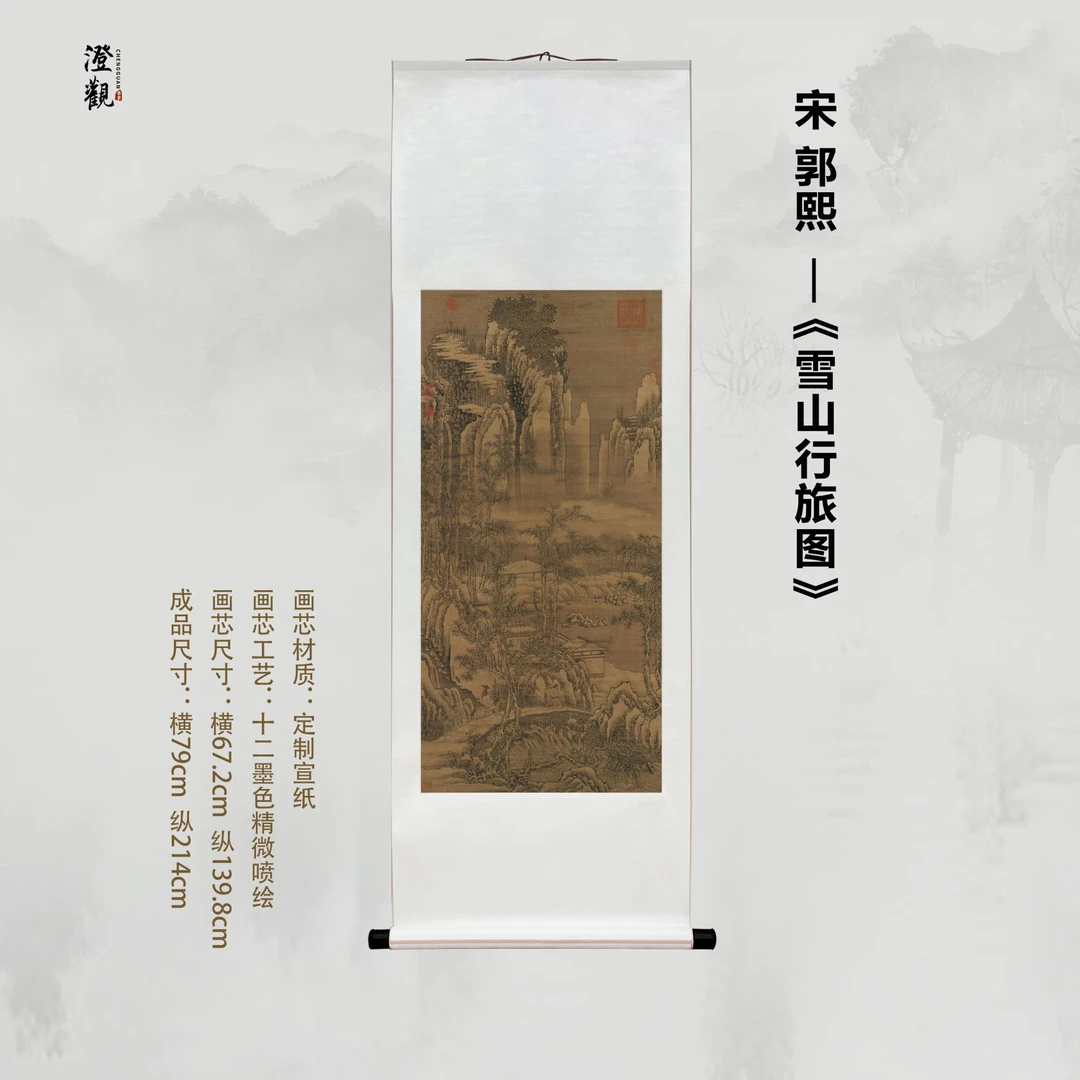
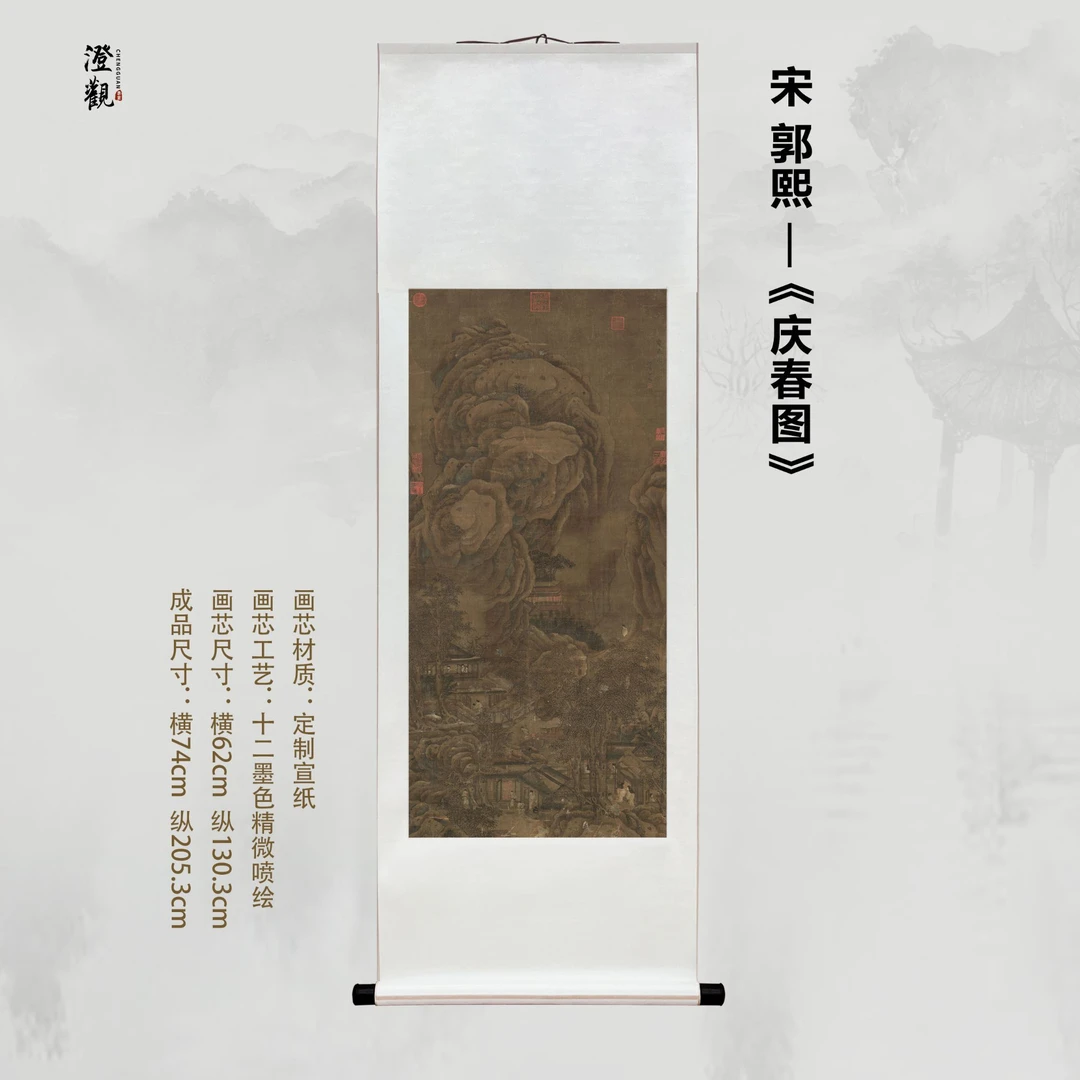
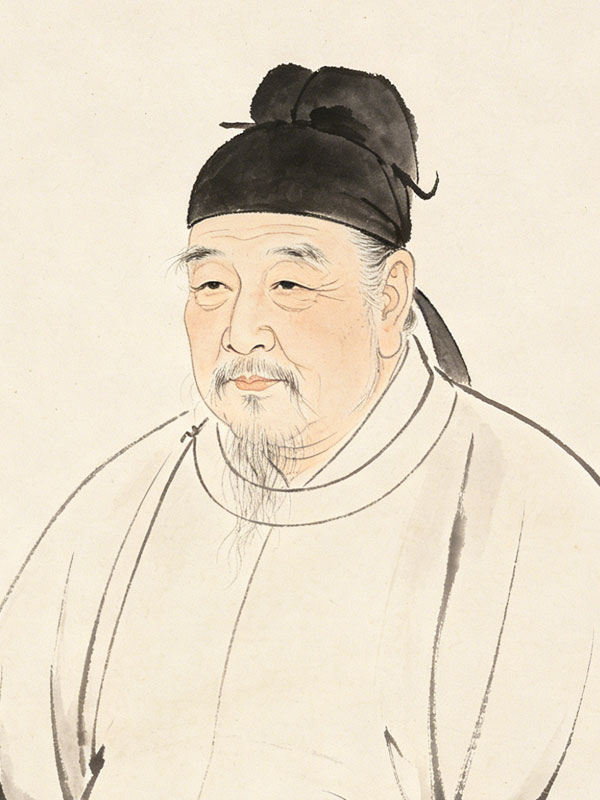
Guo Xi (c. 1020–1090 AD), courtesy name Hepu, was the preeminent court painter of the Northern Song Dynasty and is considered the last great master of the monumental landscape tradition that began in the Five Dynasties. Serving under Emperor Shenzong, he rose to the highest rank in the Imperial Painting Academy. He is famously paired with Li Cheng to form the "Li-Guo School," a stylistic lineage that defined the orthodox standard for Chinese landscape painting for centuries.
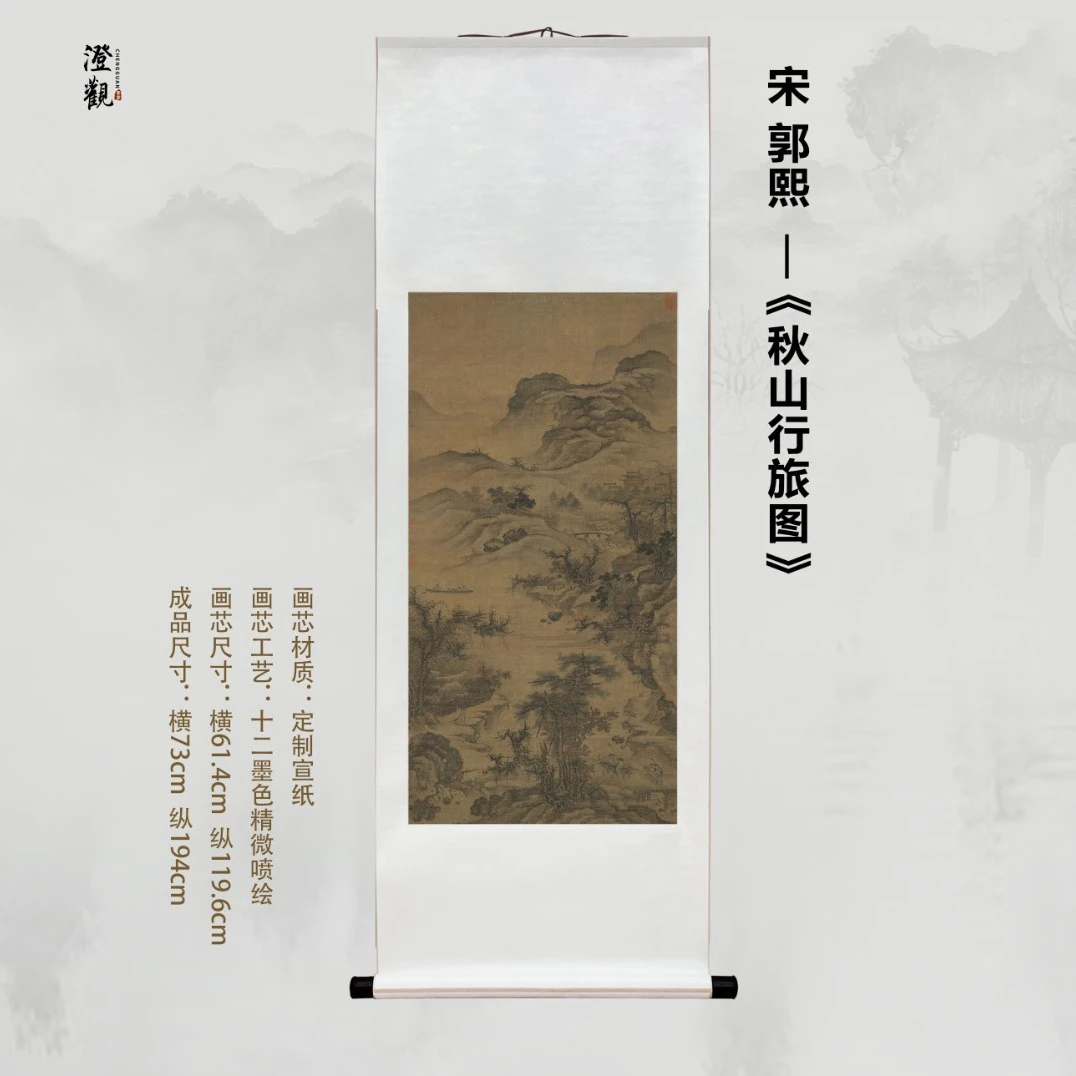
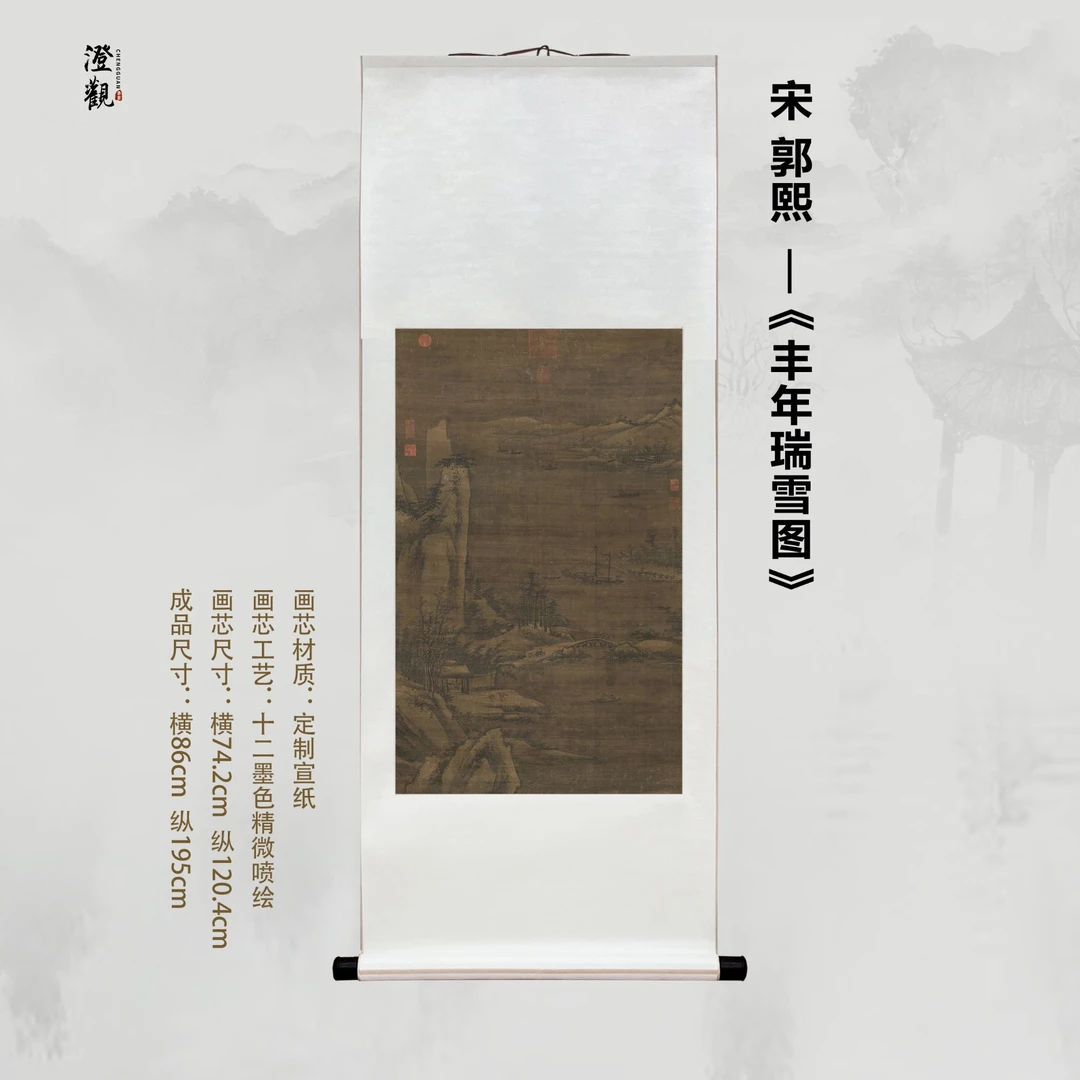
He was a pioneer of technical innovation, best known for his "Curling Cloud" texture strokes (Juanyun Cun), which gave rocks and mountains a rhythmic, almost organic vitality. His trees are equally iconic, often depicted with "Crab-claw" branches (Xiezhua)—sharp, intertwined twigs that suggest the resilience of nature in winter. Unlike earlier masters who focused on static grandeur, Guo Xi introduced dynamic movement and temporal change into his work, capturing the shifting moods of light, mist, and the four seasons with unparalleled sensitivity.
His undisputed masterpiece, "Early Spring" (早春图), dated 1072, is a "National Treasure" in the National Palace Museum and one of the most famous paintings in Chinese history. The work is a complex symphony of ink, featuring an "S-curve" composition that leads the eye from the deep, misty valleys to the towering central peak. It serves as a philosophical microcosm, representing the awakening of the universe and the harmonious order of the Song Empire. His use of layered ink washes to create atmospheric perspective allows the viewer to feel the "dampness" of the spring air.
Beyond his brushwork, Guo Xi was a profound art theorist. His ideas were compiled by his son, Guo Si, into the seminal treatise "Linquan Gaozhi" (Lofty Record of Forests and Springs). In this text, he formulated the famous "Three Distances" (San Yuan) theory: High Distance (Gao Yuan), Deep Distance (Shen Yuan), and Level Distance (Ping Yuan). He also argued that a great landscape should be "feasible to travel through and wonderful to dwell in" (Keju Keyou), elevating landscape painting from a visual object to a spiritual sanctuary for the scholar-official.
The legacy of Guo Xi is immeasurable. During his lifetime, his murals covered the imperial palaces and temples of Kaifeng, and his style became the academic canon. Although his fame dipped slightly during the Southern Song, he was rediscovered and deified by the Yuan Dynasty masters and later Zhe School painters of the Ming. Today, he is remembered as the artist-philosopher who mastered the "totality of nature," providing a visual language for the sublime majesty of the Chinese heartland.