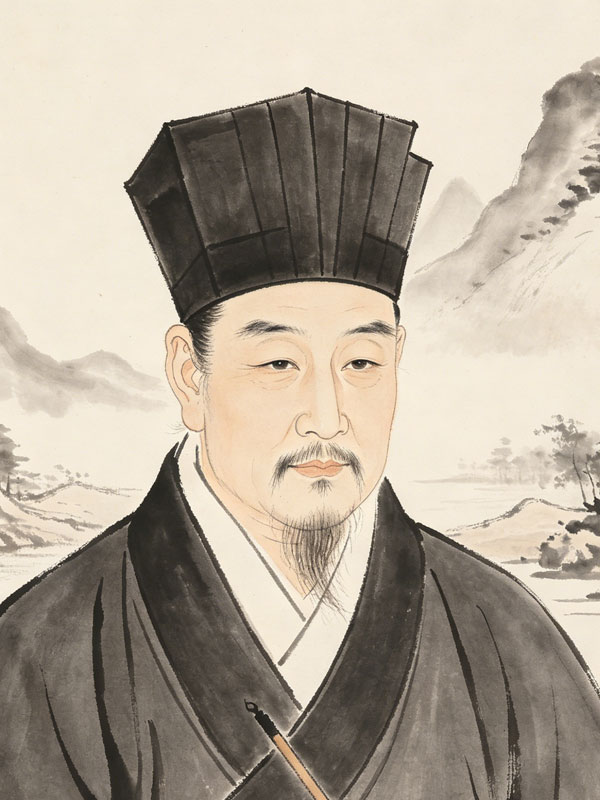
Gao Kegong (高克恭): The Master of Misty Peaks and Early Yuan Literati Art
Gao Kegong (1248–1310), courtesy name Yanjing (彦敬) and pseudonym Fangshan (房山), was a towering figure in the early Yuan Dynasty art world. Of Central Asian (Semu) descent—specifically of Uyghur ancestry—Gao was a brilliant example of a non-Han intellectual who fully assimilated into and eventually led the Chinese literati cultural movement. He was often ranked alongside the legendary Zhao Mengfu as one of the two most influential painters of his generation.
1. Distinguished Political and Social Status
Unlike many Yuan artists who lived in reclusion, Gao Kegong was a prominent scholar-official who achieved great political success. He served in several high-ranking positions, eventually rising to the post of Minister of Justice (Xingbu Shangshu). His high social standing allowed him to interact with the most elite intellectuals of the time, and he was known for his upright character and deep appreciation for Han classical culture.
2. The Reviver of the "Mi-Style" Clouds
Gao Kegong is most famous for his mastery of misty landscapes and his revival of the techniques established by Mi Fu and Mi Youren (the "Two Mis") of the Song Dynasty. His style is defined by:
- Mi-style Dots (Midian): He utilized horizontal, blurred ink dots to represent lush vegetation and the moist, heavy atmosphere of the Jiangnan region.
- Cloud and Mist Depiction: He was a master at using negative space and soft ink washes to portray rolling clouds and mountains emerging from the fog, creating a sense of ethereal mystery.
3. Synthesis of Northern and Southern Traditions
While his early work leaned heavily on the Mi family, Gao’s mature style achieved a brilliant synthesis of different traditions. He successfully combined the impressionistic "Mi-style" with the more structural and rhythmic hemp-fiber strokes (pima cun) associated with Dong Yuan and Juran. This fusion gave his mountains a sense of solidity and skeletal structure that was often missing in earlier cloud-focused paintings.
4. Excellence in Bamboo Painting
In addition to his landscapes, Gao Kegong was a celebrated painter of ink bamboo. His bamboo works were noted for their elegant posture and rhythmic vitality, following the tradition of Wang Tingyun. His bamboo was often described as having "scholar’s bones"—a metaphor for moral integrity and refined grace.
5. Historical Legacy: "Nan Zhao Bei Gao"
During the early Yuan period, the art world was characterized by the phrase "Nan Zhao Bei Gao" (Zhao in the South, Gao in the North), highlighting his status as the northern counterpart to Zhao Mengfu. His work provided a critical stylistic bridge that helped move Chinese landscape painting away from the rigid academicism of the Southern Song toward the expressive and subjective literati style of the "Four Masters of the Yuan."
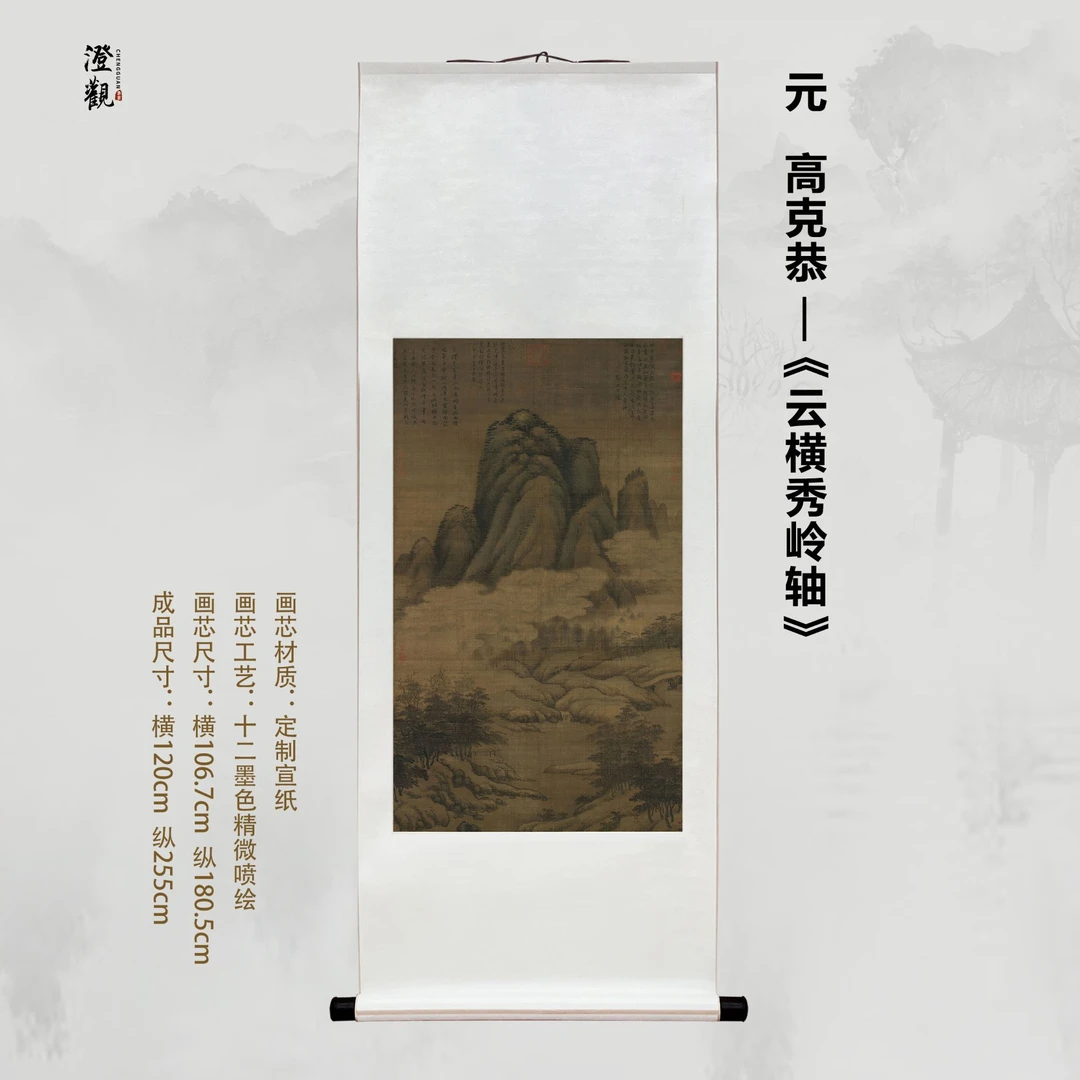
Today, his masterpiece "Clouds Encircling Luxurious Peaks" (Gaofeng Yunqi), preserved in the National Palace Museum, stands as a definitive example of his ability to capture the monumentality and moisture of the natural world.
— ALL MASTERPIECES LOADED —