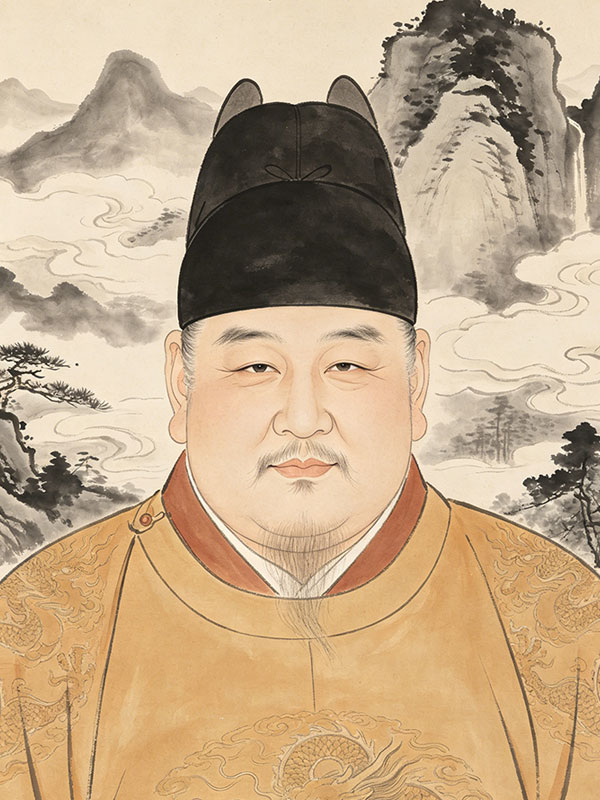
Zhao Ji: The Imperial Visionary of the Slender Gold and Song Realism
Zhao Ji (1082–1135 AD), world-renowned as Emperor Huizong of the Northern Song Dynasty, remains one of history’s most paradoxical figures—a disastrous political leader whose reign ended in the fall of his empire, yet an unrivaled artistic genius who defined the pinnacle of Chinese aesthetics. As a monarch, he treated the entire empire as a creative canvas, elevating the status of artists to that of high-ranking officials and transforming the Imperial Painting Academy into the most prestigious institution of its kind in the world.
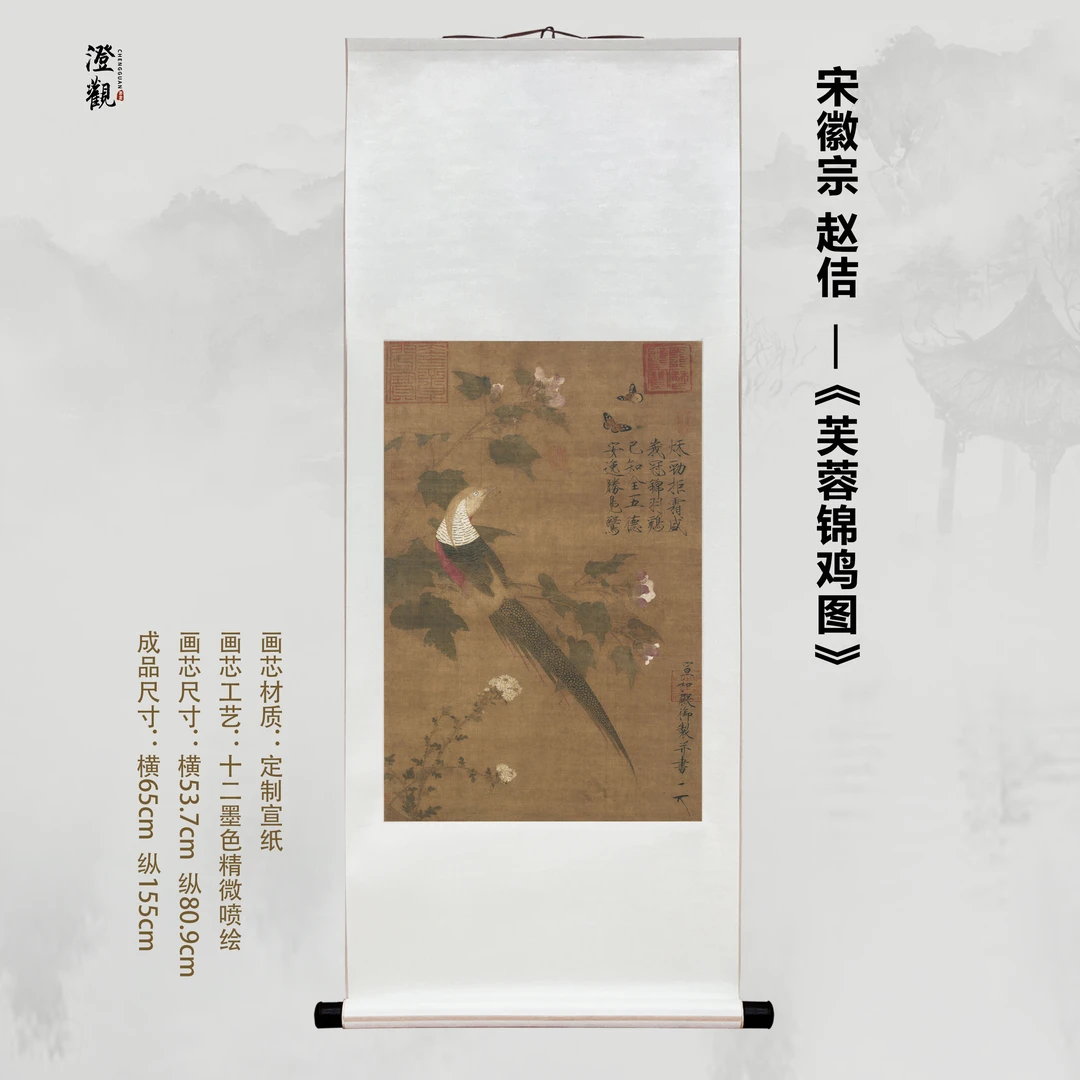
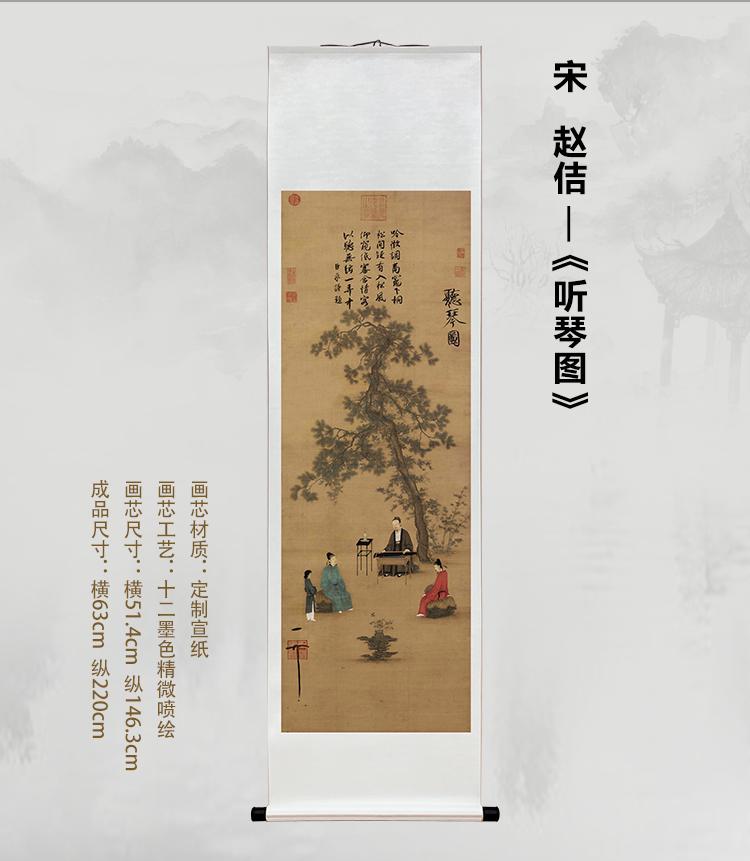
He is immortalized in the history of Chinese calligraphy for inventing the "Slender Gold" script (Shoujin Ti). This unique style is characterized by its high-tensile strength, sharp, decisive turns, and elegant, bone-like strokes that resemble twisted gold wire. Unlike the softer, rounded styles of his predecessors, Zhao Ji’s writing was lean, crystalline, and aristocratic, reflecting a level of technical precision that remains nearly impossible for later calligraphers to perfectly replicate.
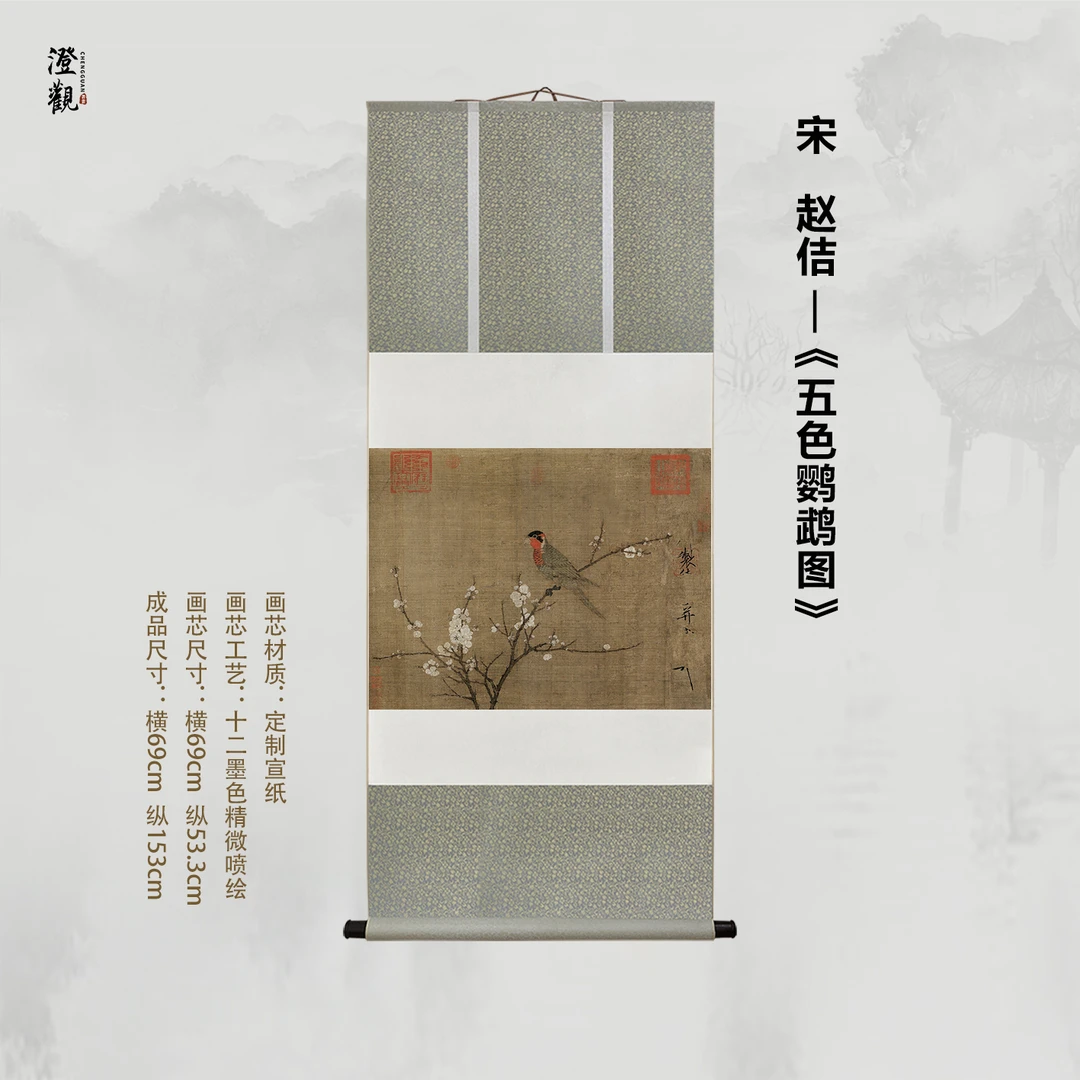
In the realm of flower-and-bird painting, Zhao Ji demanded absolute scientific accuracy and meticulous realism, a philosophy deeply rooted in the Five Dynasties academic tradition of Huang Quan. He was a master of the Gongbi technique, using fine, hair-like outlines and vibrant mineral pigments to capture the physical reality of his subjects. Legend has it that he was so obsessed with detail that he once reprimanded a court painter for depicting a peacock stepping with the wrong leg, insisting that artists must observe the laws of nature with the rigor of a scholar.
His masterpiece, "Auspicious Cranes" (瑞鹤图), is a quintessential example of his poetic and political symbolism. The painting depicts eighteen cranes circling the roofs of the imperial palace against a cerulean sky, a work intended to serve as a divine omen of his peaceful and prosperous rule. Beyond his own brushwork, he was a prolific collector and connoisseur, commissioning the "Xuanhe Catalogue of Paintings", a monumental record that preserved the history of Chinese art from the Tang and Five Dynasties for future generations.
Zhao Ji’s most lasting institutional legacy was his integration of poetry, calligraphy, and painting—the "Three Perfections." He famously used poetic lines as the themes for imperial examinations, forcing painters to move beyond literal representation toward intellectual and atmospheric expression. Although he died in captivity following the Jurchen invasion, his artistic standard remained the "gold standard" of Chinese high culture, influencing every subsequent dynasty and ensuring his immortality as the ultimate philosopher-king of the brush.
— ALL MASTERPIECES LOADED —