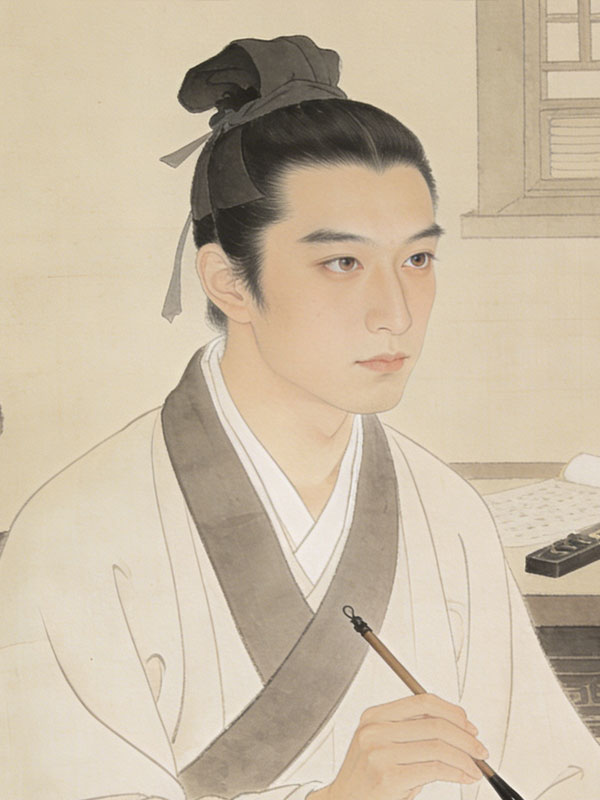
Dong Yuan: The Patriarch of the Southern Landscape School
Dong Yuan (c. 934–962 AD), courtesy name Shuyu, was a towering figure in Chinese art history and a prominent court painter during the Southern Tang Dynasty. Originally from Zhongling (modern-day Jiangxi), he served as an assistant director of the imperial parks in Nanjing. His life in the lush, humid Jiangnan region profoundly shaped his artistic vision, leading him to move away from the jagged, towering peaks favored by northern painters toward a softer, more atmospheric depiction of nature.
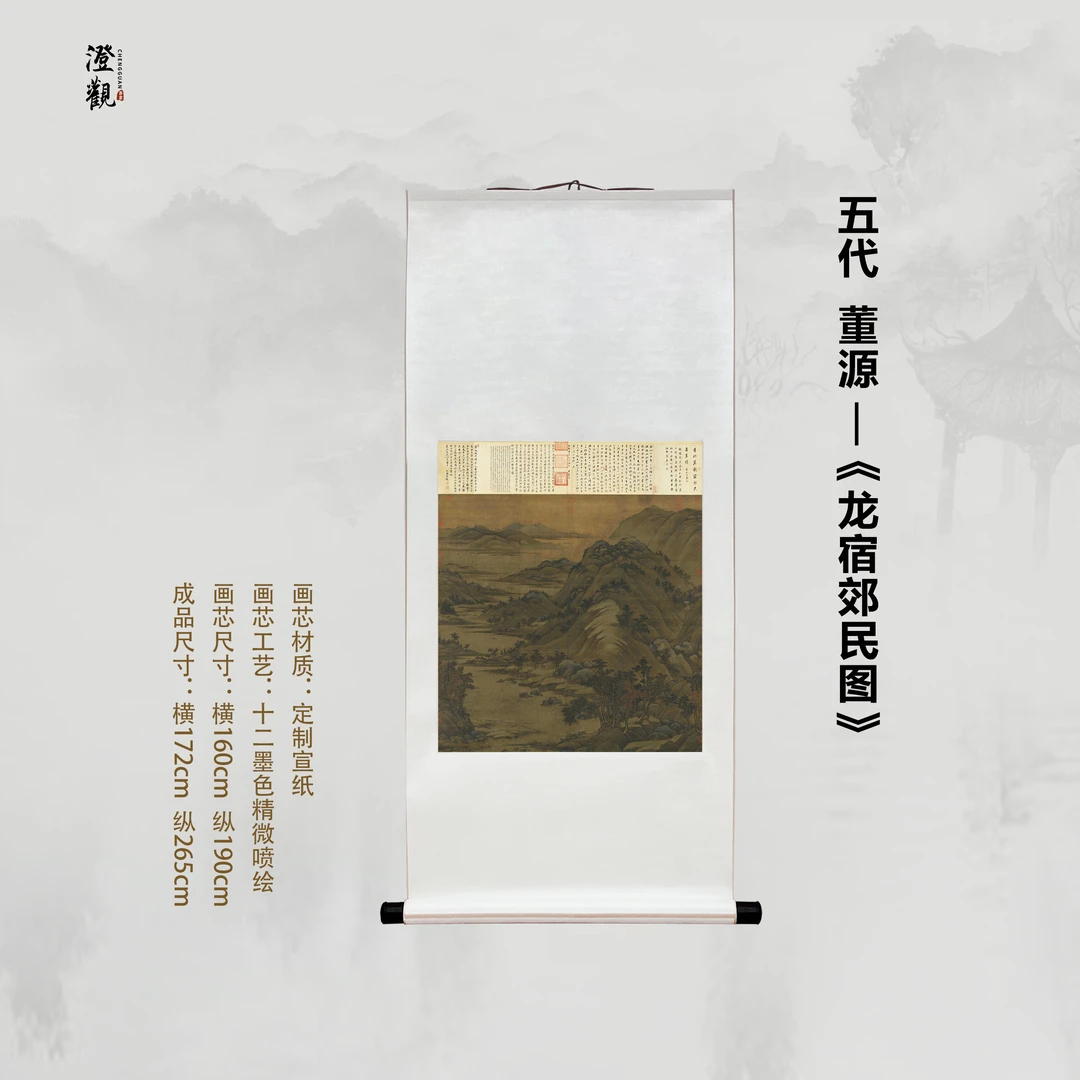
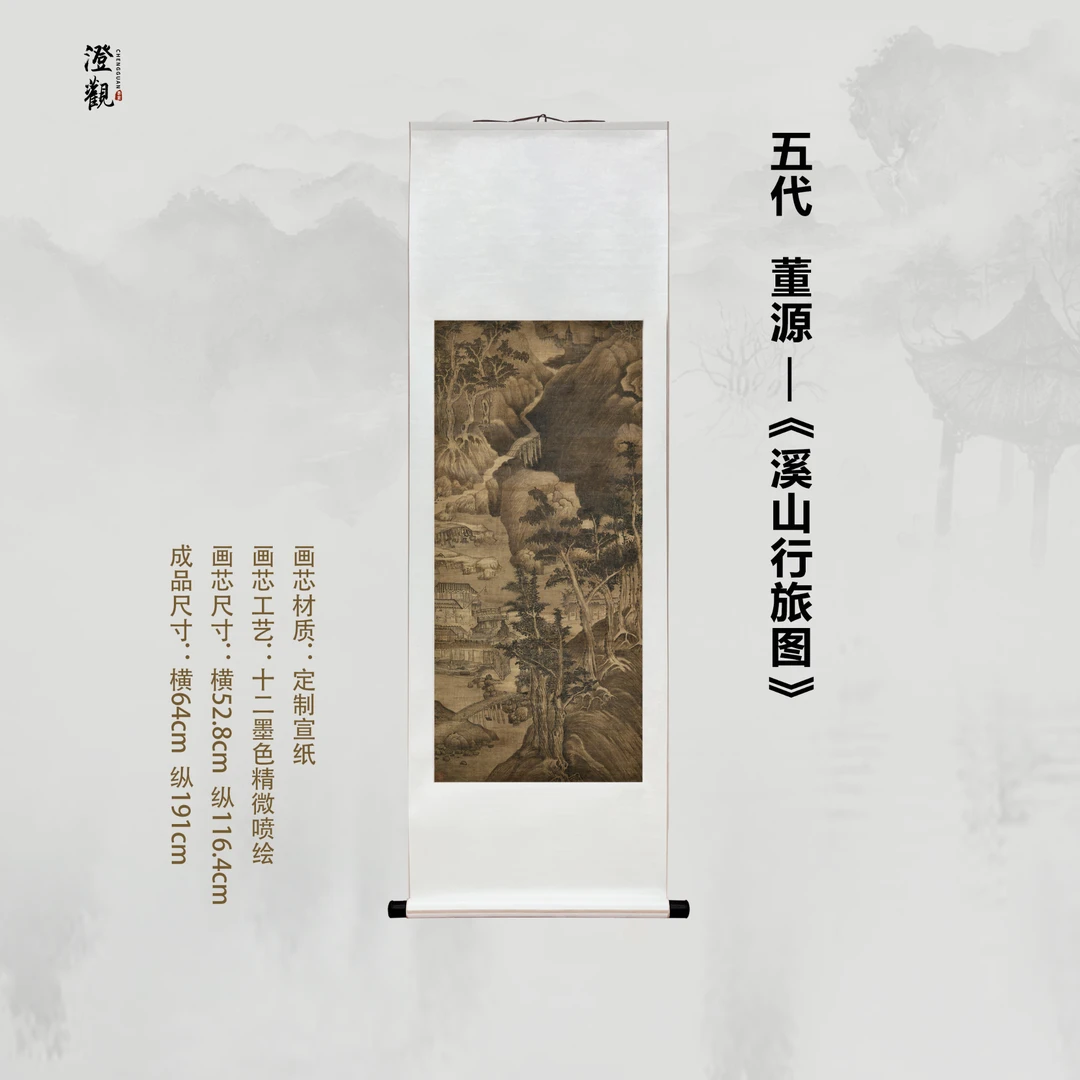
He is historically revered as the founding father of the Southern Landscape School (Nan Zong). Unlike the "monumental" style of the North, Dong Yuan’s landscapes are characterized by rolling hills, wide rivers, and a sense of tranquil vastness. He pioneered a revolutionary approach to naturalism that emphasized "plainness and naturalness" (Pingdan Tianzhen), a quality that would later become the ultimate aesthetic ideal for the literati painters of the Song, Yuan, and Ming dynasties.
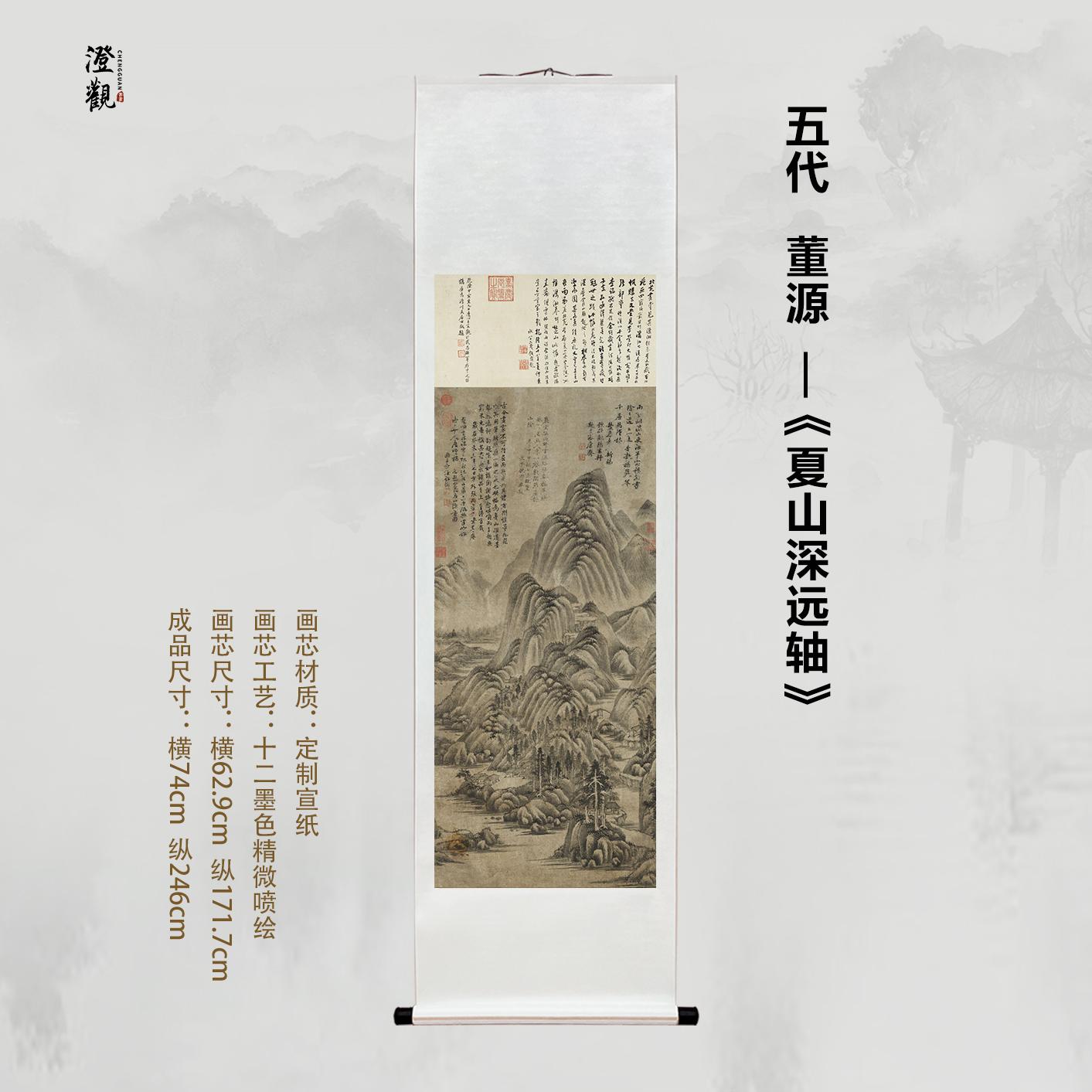
Technically, Dong Yuan was a master of texture and light. He is credited with inventing the "hemp-fiber stroke" (Pima Cun), a technique using long, wavy brushstrokes to replicate the soft, earthen texture of southern mountains. He also utilized "alum-head" (Yantou) rock formations and intricate dotting techniques (Dian) to represent lush vegetation and distant trees. His use of ink wash was exceptionally subtle, allowing him to capture the misty, humid air of the Yangtze River delta, where mountains seem to dissolve into the clouds.
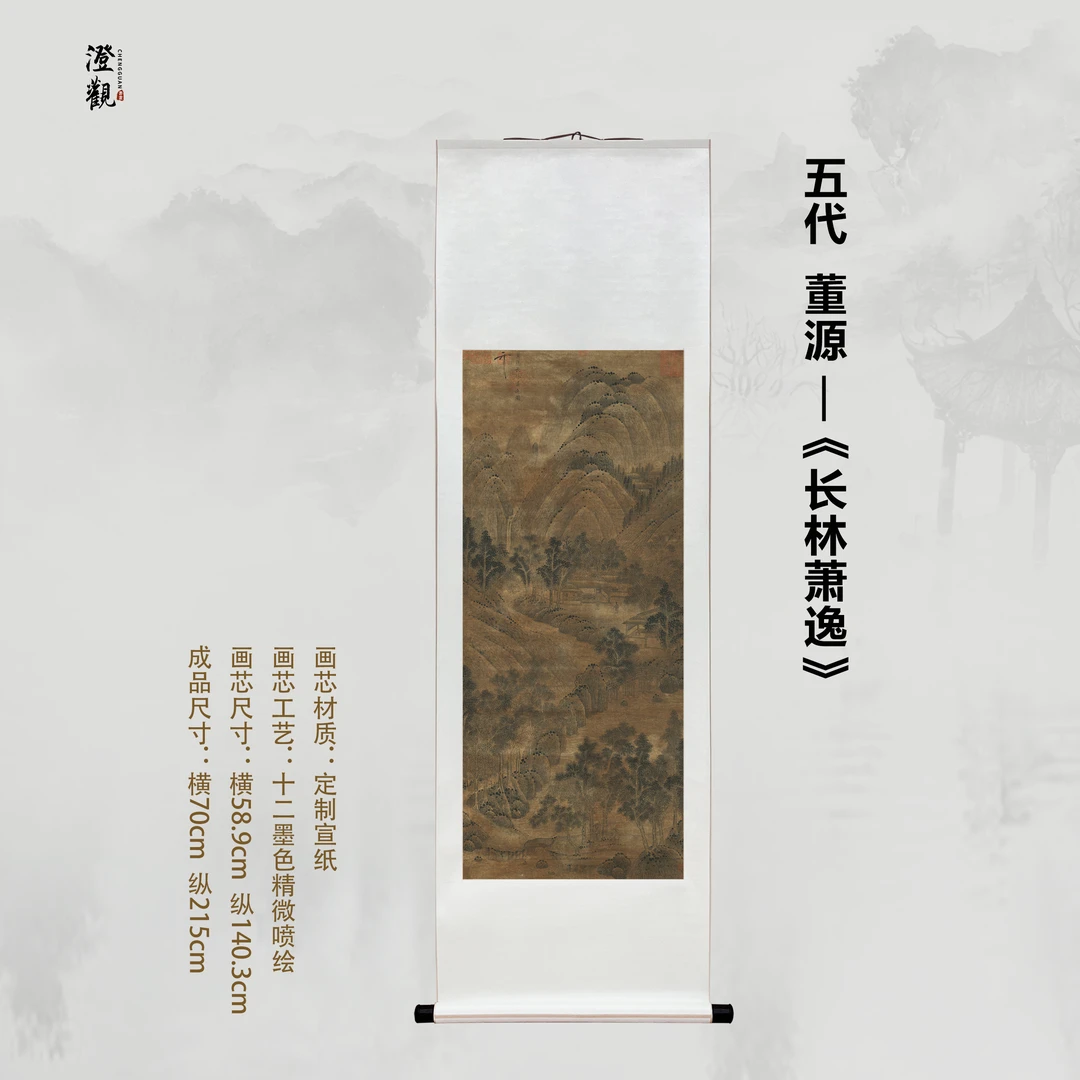
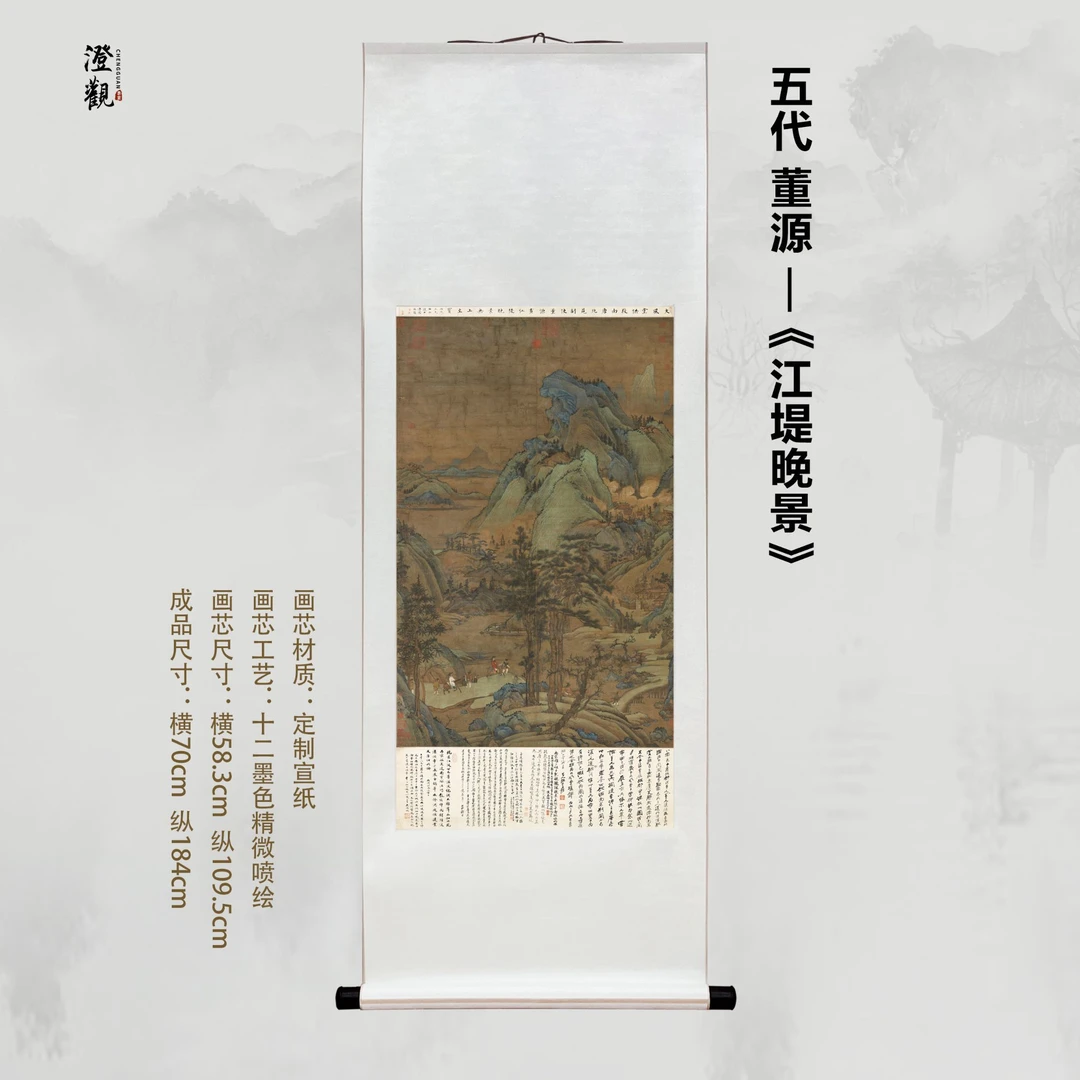
His most iconic masterpieces, such as "The Xiao and Xiang Rivers" (潇湘图) and "Summer Mountains" (夏山图), demonstrate his monumental horizontal compositions. These handscrolls invite the viewer to "travel" through a continuous landscape of marshy banks, fishing villages, and distant horizons. The 11th-century polymath Shen Kuo famously praised his work, noting that his paintings should be viewed from a distance to fully appreciate the shimmering vitality of the scenes, which appear blurred and impressionistic upon close inspection.
The legacy of Dong Yuan is immeasurable, as he provided the stylistic foundation for the "Four Masters of the Yuan Dynasty." In the Ming Dynasty, the influential critic Dong Qichang elevated him to the highest rank of his Northern and Southern School theory, placing Dong Yuan at the very pinnacle of scholarly painting. Today, his surviving works, housed in the Palace Museum in Beijing and the Shanghai Museum, are regarded as national treasures that define the spiritual essence of the southern Chinese landscape.
— ALL MASTERPIECES LOADED —