Ding Guanpeng (丁观鹏): The Master of Synthesis in the Qianlong Court
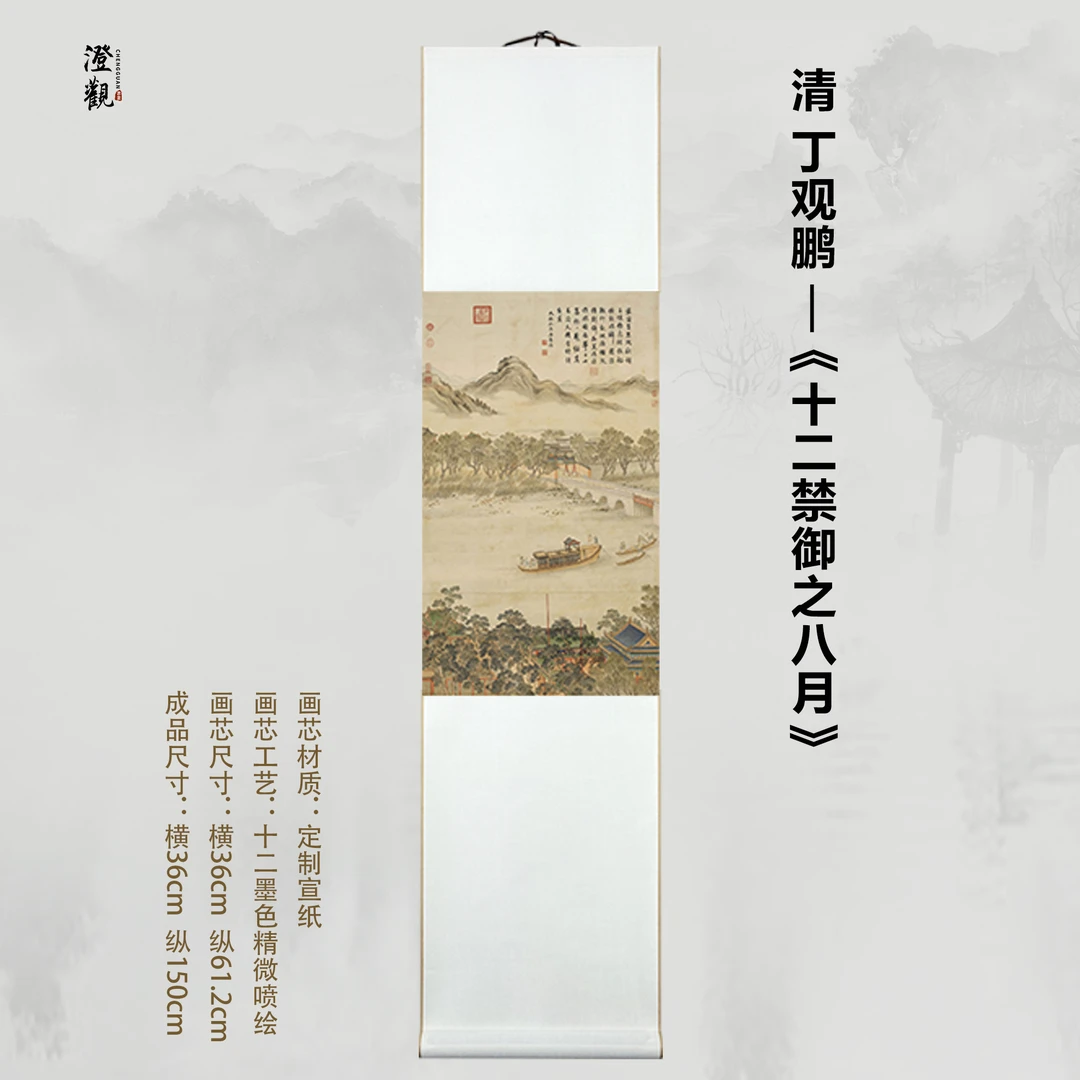
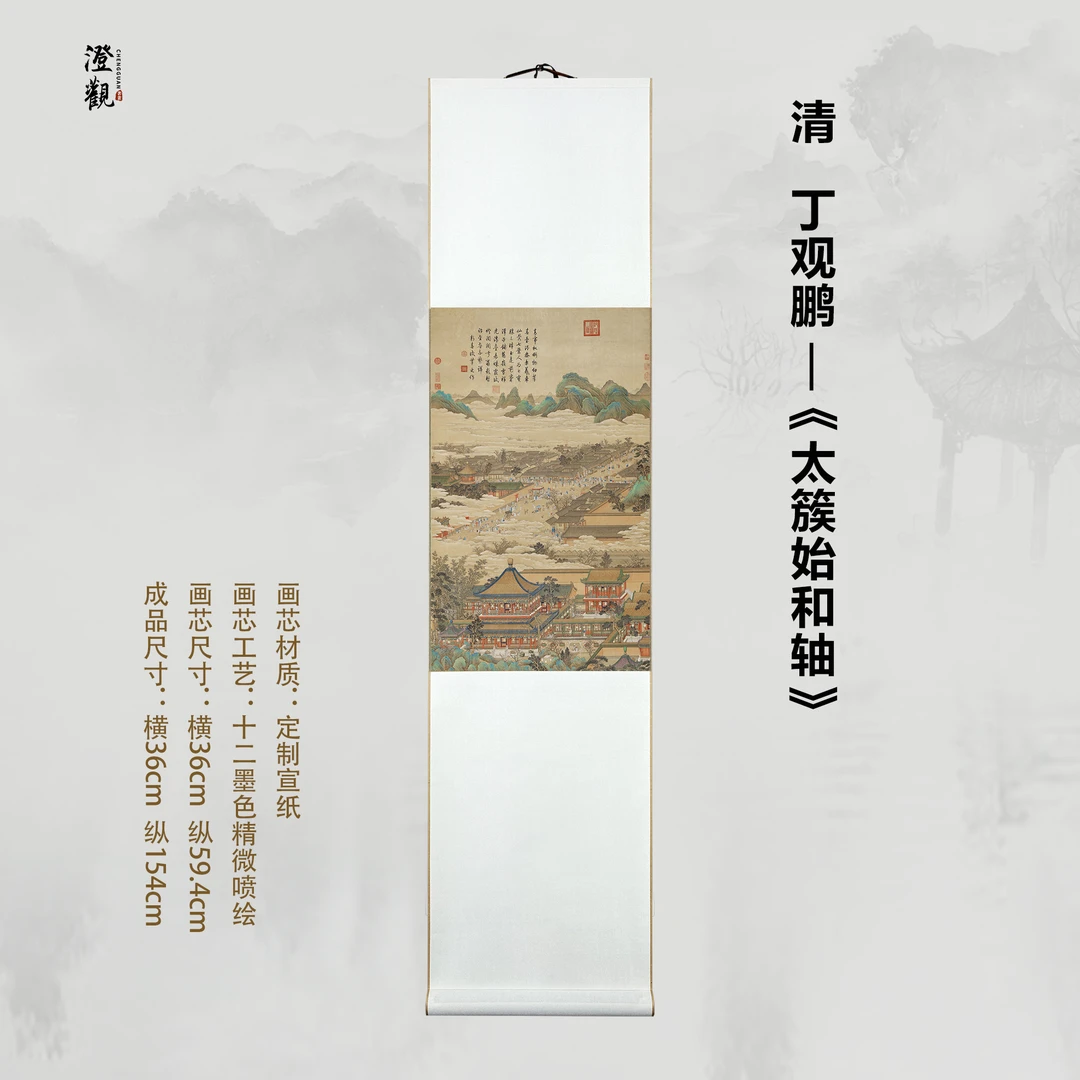
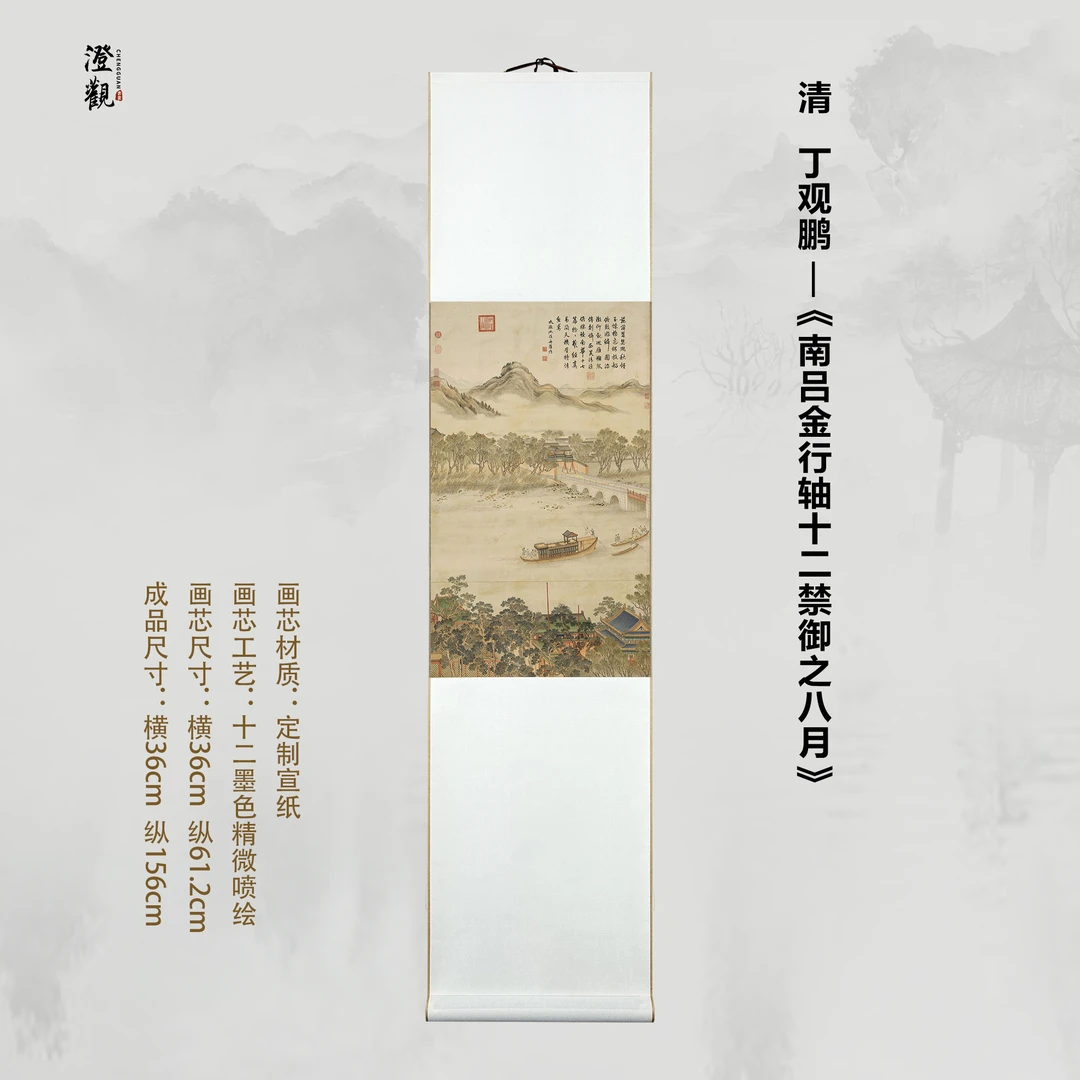
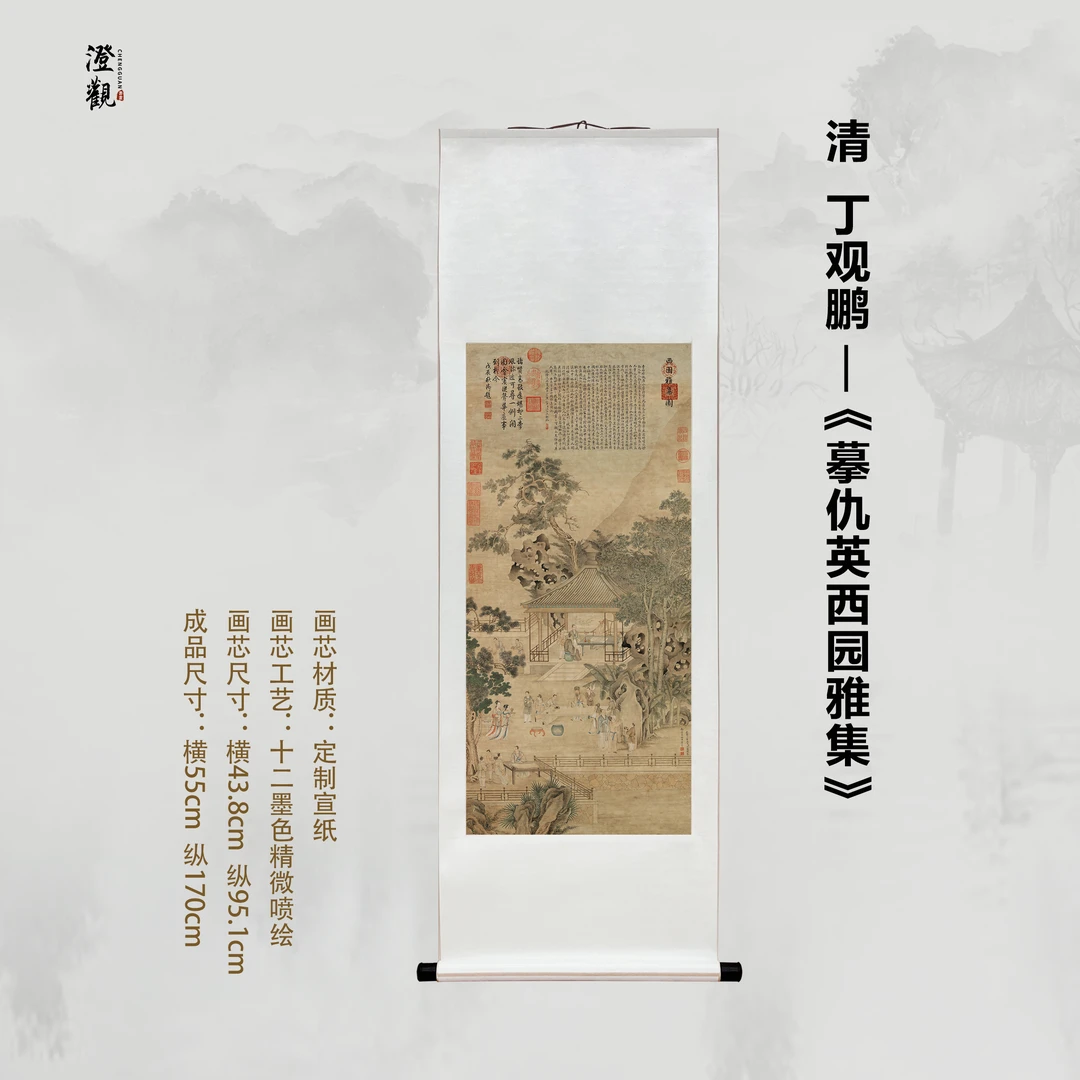
Ding Guanpeng (active 1726–1770) was a preeminent court painter of the mid-Qing Dynasty, serving primarily during the Qianlong reign. A native of Beijing, he was a highly favored artist within the Imperial Painting Academy (Huayuan), known for his extraordinary ability to blend traditional Chinese brushwork with the Western artistic techniques that were filtering into the Forbidden City at the time.
1. Favorite of the Qianlong Emperor
Ding Guanpeng’s career was defined by the high praise of the Qianlong Emperor, who was a prolific art patron. Ding was ranked as a first-class painter within the court and was frequently commissioned to create works that documented imperial life, religious devotion, and the grandeur of the Qing Empire. The Emperor so admired Ding’s skill that he often inscribed imperial poems directly onto Ding’s paintings, a mark of supreme honor.
2. Integration of Western Techniques
One of the most significant aspects of Ding Guanpeng’s art was his exposure to and adoption of Western styles. He worked closely with European Jesuit painters at court, most notably Giuseppe Castiglione (Lang Shining).
- Linear Perspective: Ding was one of the first Chinese masters to successfully incorporate one-point perspective into traditional compositions, giving his architectural and interior scenes a newfound sense of spatial depth.
- Chiaroscuro (Light and Shadow): He adopted Western methods of shading and modeling to create three-dimensional volume in his figures, making them appear more lifelike and "solid" than those in traditional two-dimensional Chinese painting.
3. Mastery of Religious and Figure Painting
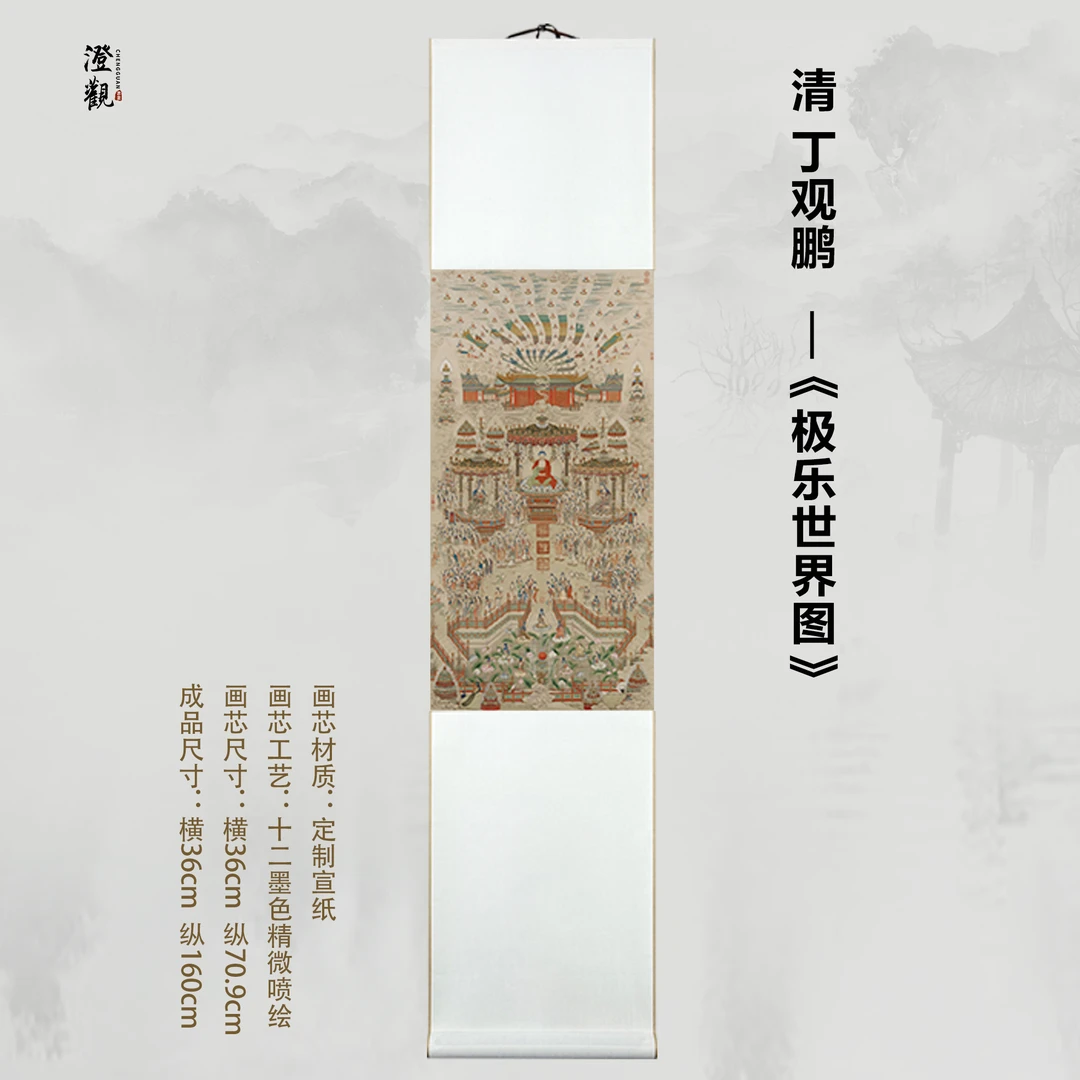
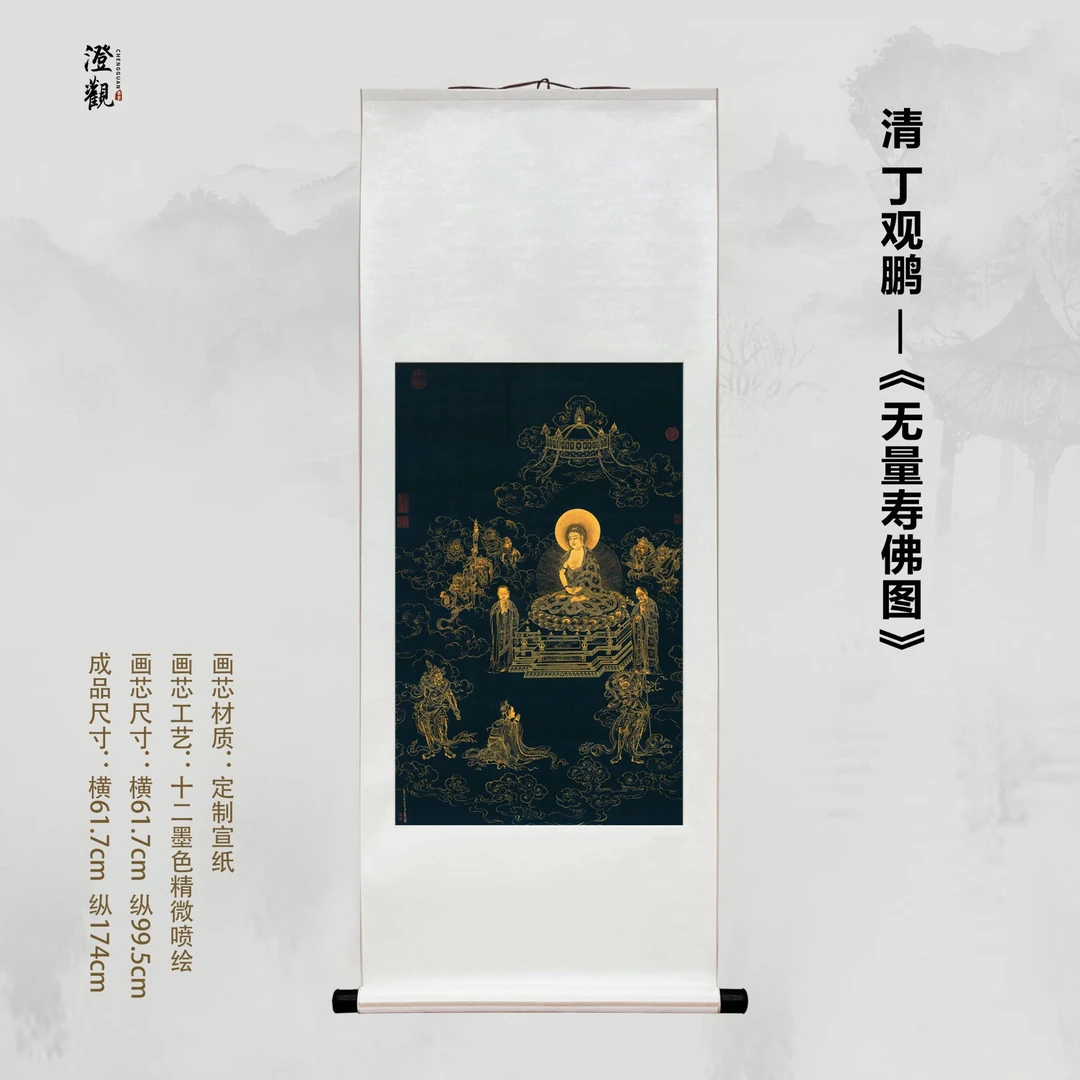
Ding Guanpeng was a specialist in Buddhist and Daoist figure painting. His work in this genre is considered a pinnacle of 18th-century religious art.
- Luo Han (Arhats): He is famous for his depictions of Luohans and other Buddhist deities. His style was a modern evolution of the Song Dynasty master Li Gonglin, utilizing refined Baimiao (fine-line drawing) but adding rich colors and Western-influenced volume.
- The Buddha Preaching: His masterpiece, "The Buddha Preaching" (Fajie Yuanqi Tu), is a sprawling, meticulously detailed scroll that showcases his ability to organize hundreds of figures in a harmonious and grand composition.
4. Technical Precision and "Baimiao"
Despite his Western influences, Ding remained a master of the classical Chinese line. His Baimiao technique—using pure ink lines without color—was noted for its fluidity, strength, and elegance. He often "translated" ancient masterpieces into his contemporary style, a process of creative copying that allowed him to pay homage to the past while asserting the technical perfection required of a court professional.
5. Historical Legacy and Museum Collections
Ding Guanpeng’s work represents the "High Qing" court style: a sophisticated, polished, and technically brilliant synthesis of East and West. His paintings served as a visual testament to the cosmopolitanism of the Qianlong court. Today, his most significant works are preserved in the world’s leading museums of Chinese art, including:
- The Palace Museum (Beijing)
- The National Palace Museum (Taipei)
- The Metropolitan Museum of Art (New York)