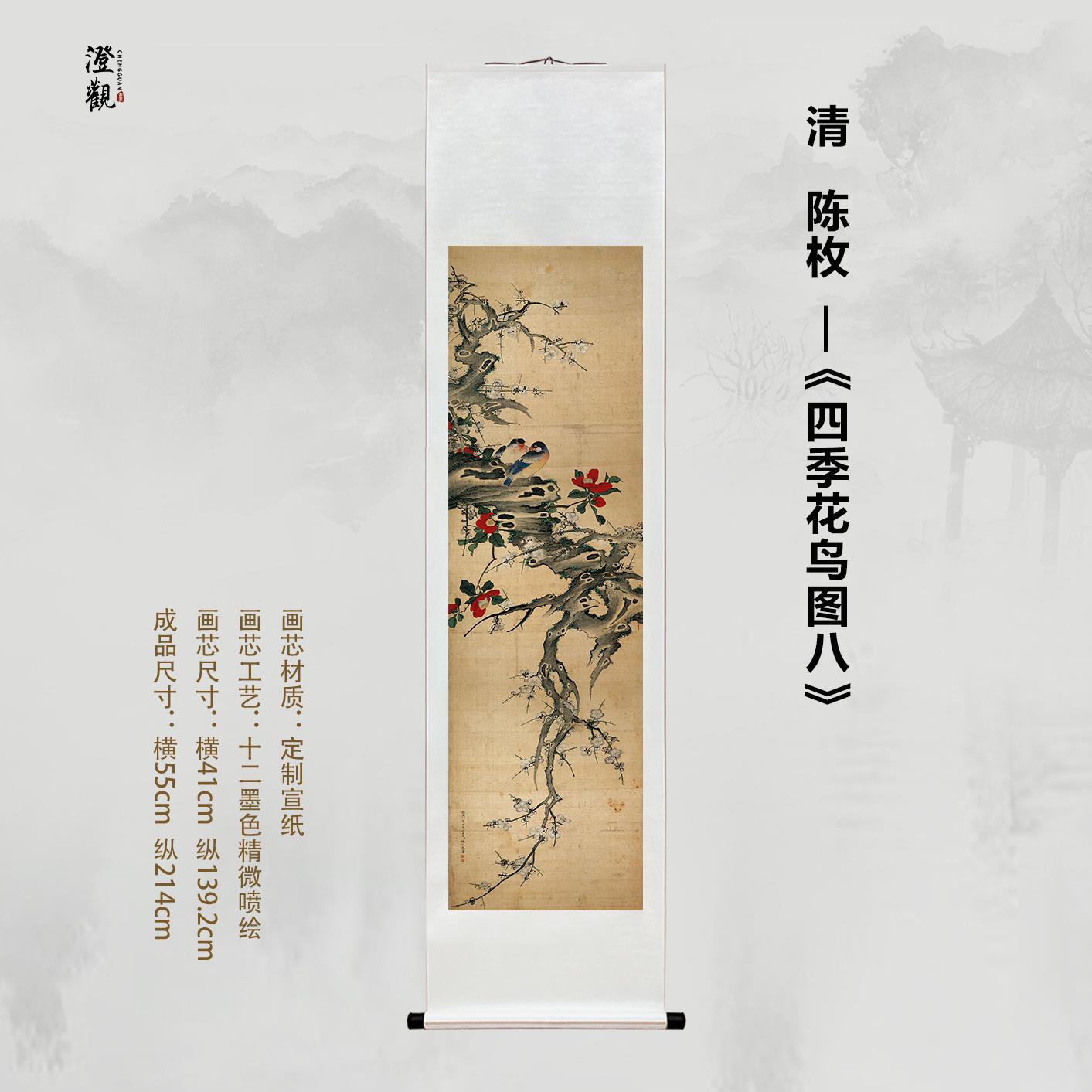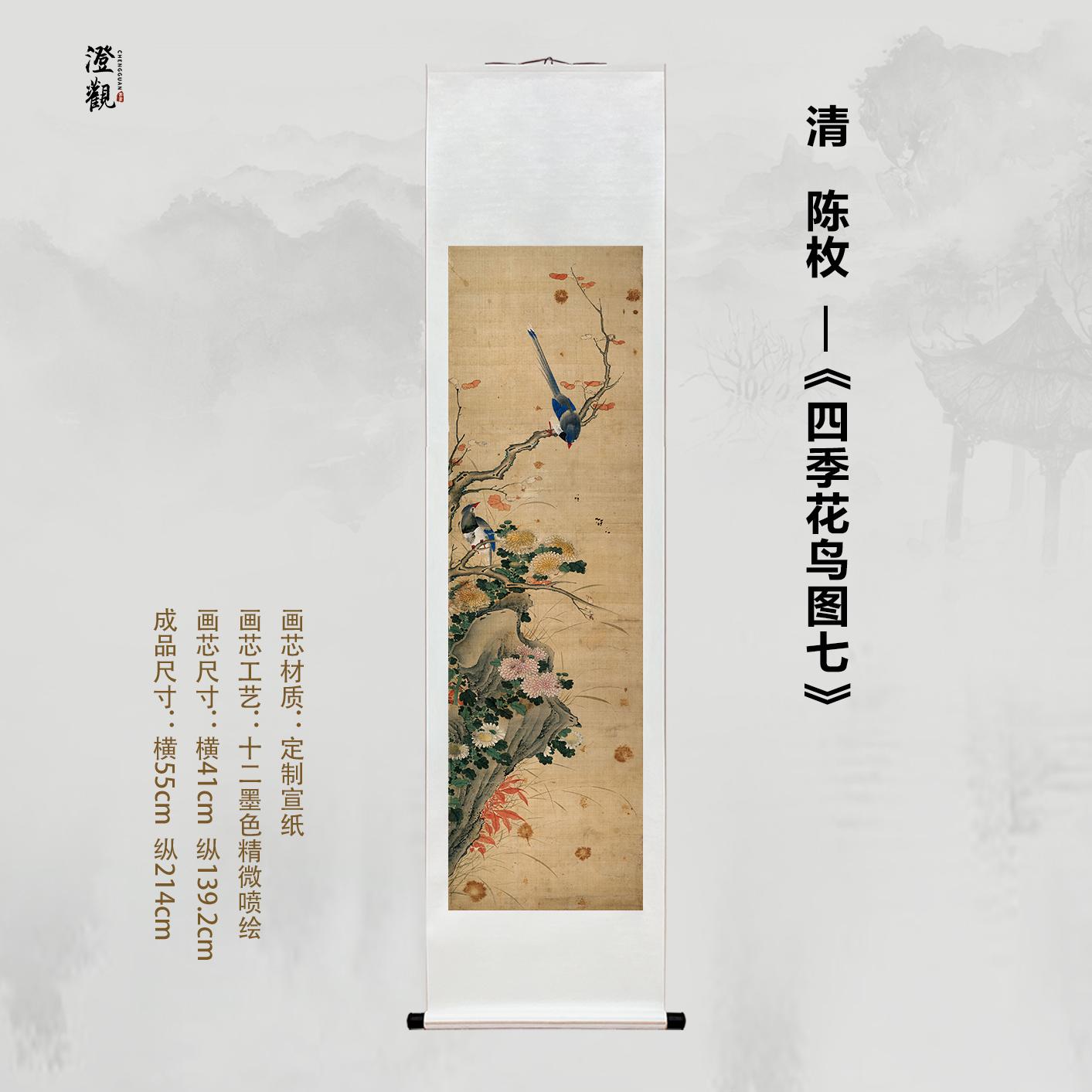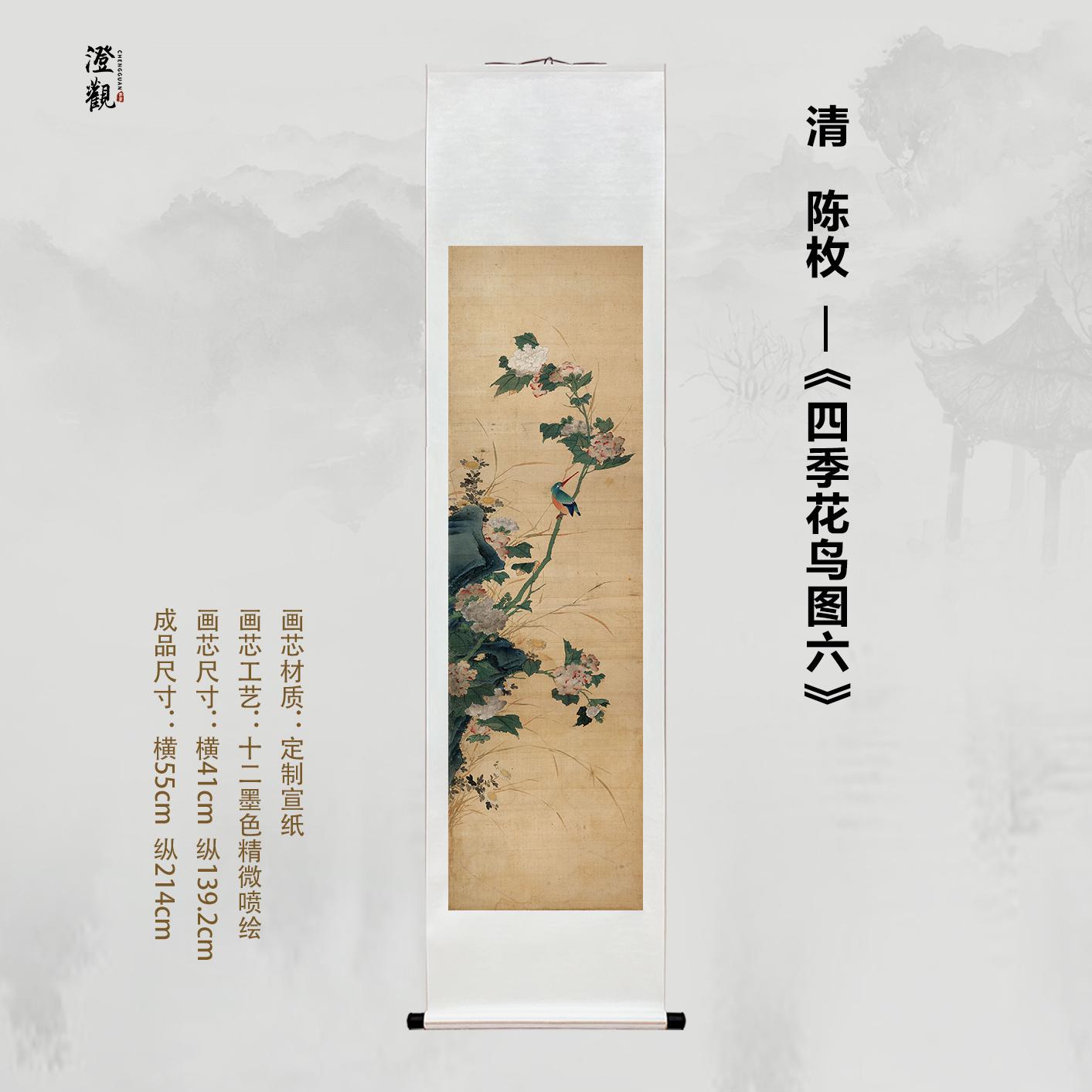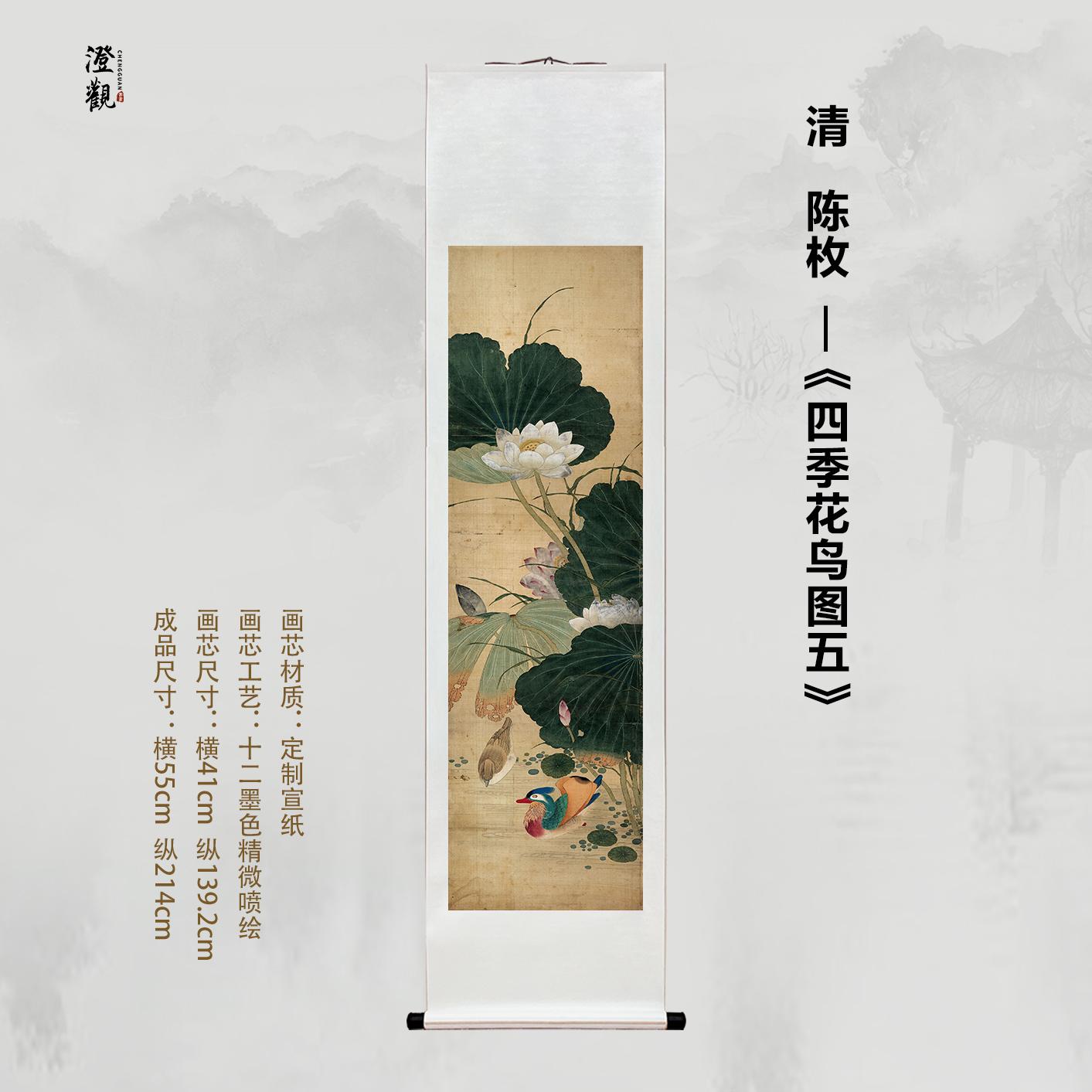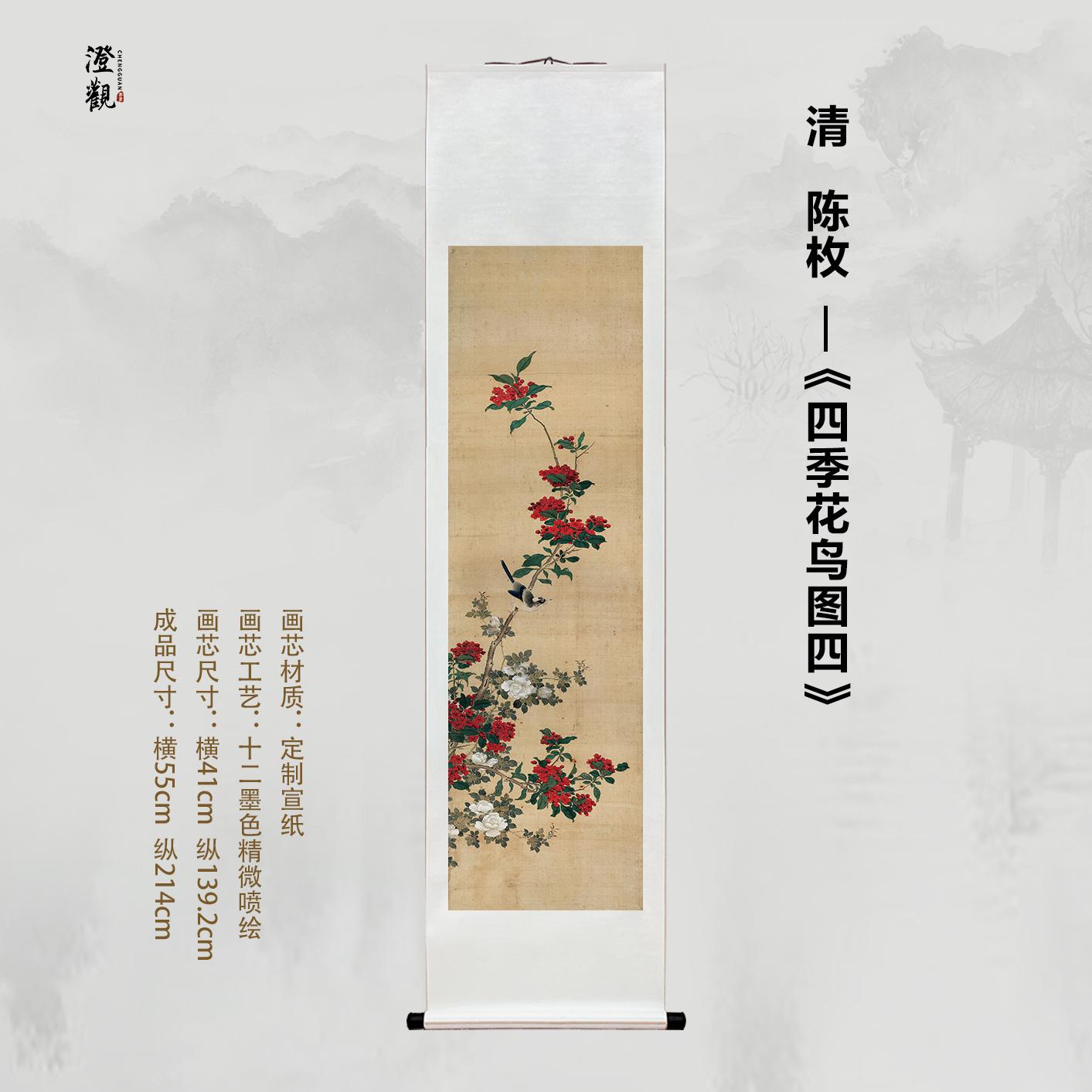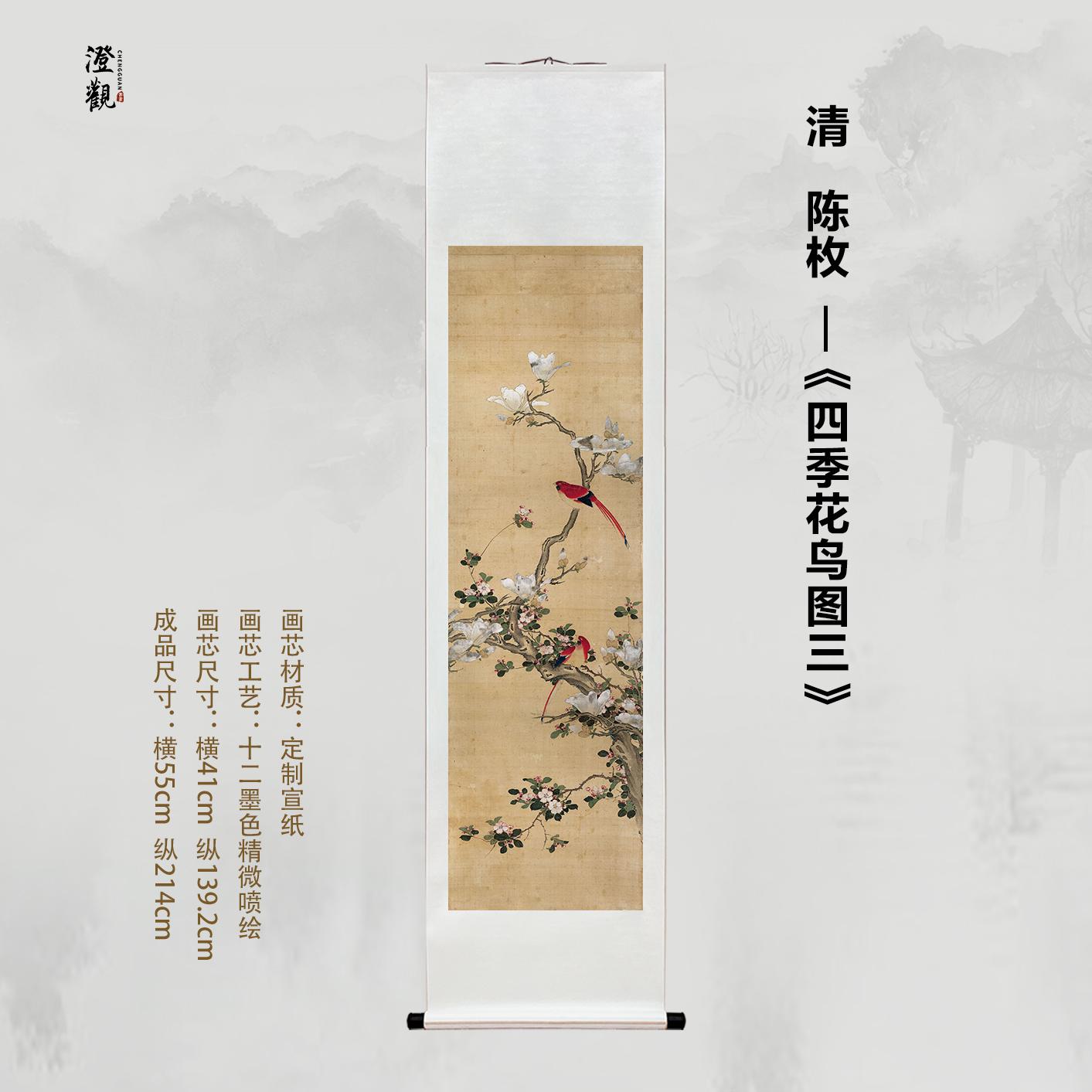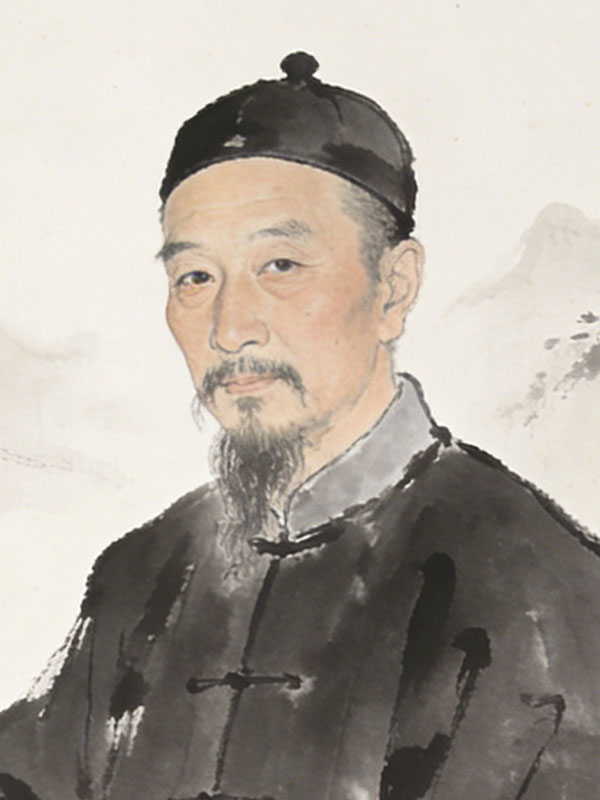
Chen Mei (陈枚): The Master of Qing Dynasty Courtly Elegance
Chen Mei (c. 1694–1745), courtesy name Zaihe (载和) and pseudonym Yanting (砚庭), was a preeminent court painter of the mid-Qing Dynasty. A native of Louxian (modern-day Songjiang, Shanghai), he achieved high status within the Imperial Painting Academy (Huayuan) during the Yongzheng and Qianlong reigns, becoming a key figure in the "High Qing" artistic synthesis of Eastern and Western styles.
1. Imperial Patronage and Court Status
Chen Mei’s career was marked by significant imperial favor. He was recruited to the palace in Beijing during the Yongzheng reign, where he served in the Imperial Manufacturing Office (Zao Ban Chu). His technical virtuosity was so highly regarded that he was eventually promoted to the rank of "First-Class Painter" and granted the title of Magistrate of Neiqiu, a rare administrative honor for a court artist.
2. The Synthesis of East and West
Living in the Forbidden City, Chen Mei worked alongside European Jesuit missionaries, most notably Giuseppe Castiglione (Lang Shining). This exposure allowed him to incorporate Western artistic techniques into traditional Chinese painting:
- Linear Perspective: He utilized vanishing points to create a realistic sense of spatial depth in his architectural and interior scenes.
- Chiaroscuro: He adopted subtle shading and modeling to give his figures and buildings a three-dimensional, "solid" quality, a departure from the flatter perspectives of earlier dynasties.
- Refined Realism: Despite these innovations, he remained grounded in the Chinese literati aesthetic, ensuring that his works maintained the elegance and spirit expected of imperial art.
3. Masterpiece: "Monthly Pleasures of the Twelve Months"
Chen Mei’s most iconic work is the "Monthly Pleasures of the Twelve Months" (Yue-man Qing-you Tu 月曼清游图). This series of twelve leaves (now in the Palace Museum) is a pinnacle of 18th-century figure painting:
- Court Ladies (Meiren): The series depicts the refined activities of palace women—such as viewing plum blossoms, appreciating the moon, or playing in the snow—throughout the lunar year.
- Palace Architecture: It showcases his mastery of Jiehua (boundary painting), with meticulously detailed renderings of imperial pavilions and gardens.
- Social Idealism: The work serves as an idealized record of courtly life, emphasizing harmony, beauty, and the splendor of the Qing Empire.
4. Collaboration on the "Qingming Shanghe Tu"
Chen Mei was one of the primary contributors to the Qianlong version of the legendary scroll "Along the River During the Qingming Festival" (Qingming Shanghe Tu 清明上河图). Collaborating with four other court painters (including Sun Hu and Jin Kun), Chen Mei helped create a topographically updated and vibrant panorama of 18th-century urban life. This version remains a testament to the commercial vitality and architectural sophistication of the Qing "Prosperous Age."
5. Historical Legacy and Collections
Chen Mei’s work represents the "Orthodox" court style of the 18th century—a polished, technically perfect, and visually grand aesthetic. His ability to modernize traditional subjects with Western perspective made him a bridge between the classical past and a more "global" Qing future. Today, his masterpieces are primarily preserved in the Palace Museum (Beijing), the National Palace Museum (Taipei), and various international collections.