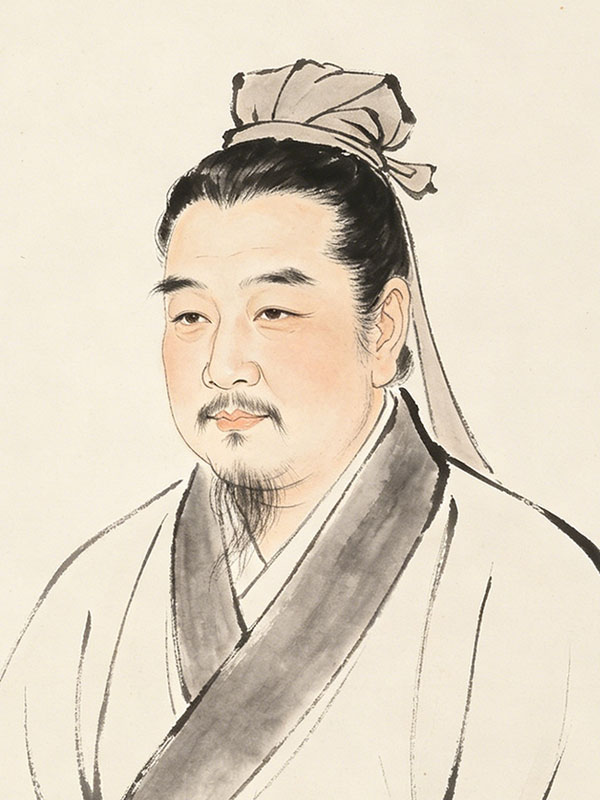
Chen Lin: The Master of the Ancient Style and Literati Revival
Chen Lin (c. 1260–1320 AD), courtesy name Zhongmei, was a pivotal painter who lived during the transition from the late Southern Song to the early Yuan Dynasty. Originally from Hangzhou, he was the son of a court painter, which provided him with a rigorous foundation in academic techniques. However, his historical significance lies in his departure from late Song decorative styles to embrace the "Return to the Ancients" (Fugu) movement, a shift that he led alongside his close friend and mentor, Zhao Mengfu.
His artistic repertoire was exceptionally broad, covering landscapes, figures, and flower-and-bird painting. Chen Lin is particularly remembered for his ability to synthesize the meticulous realism of the Song Academy with the calligraphic brushwork of the emerging literati style. He sought inspiration from the Five Dynasties and Tang masters, aiming to capture the "Ancient Spirit" (Gu Yi) by prioritizing internal character and structural strength over mere superficial beauty.
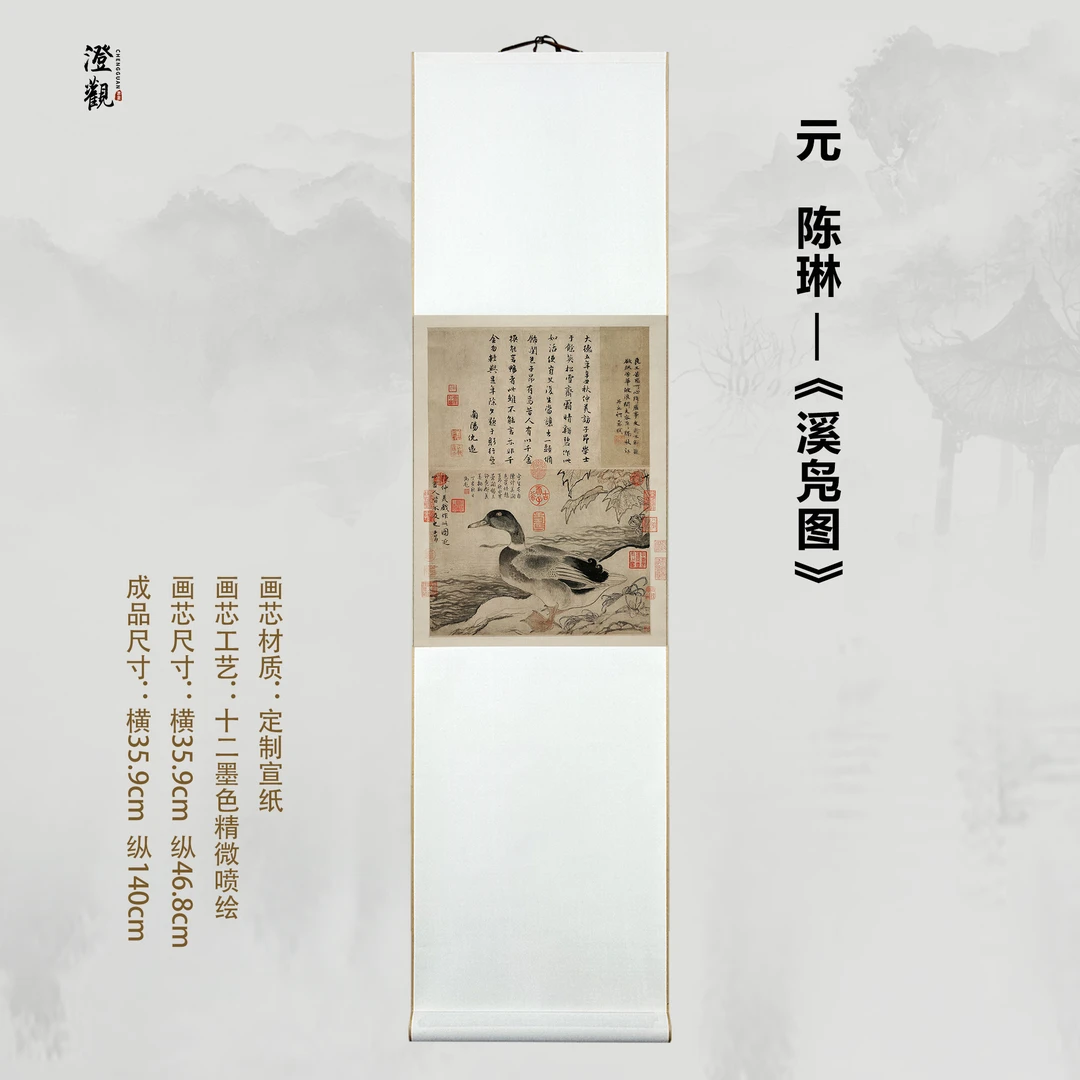
One of the most famous artistic anecdotes in Chinese history involves Chen Lin and Zhao Mengfu. It is recorded that while Chen was painting his masterpiece, "Duck by a Riverbank" (溪凫图), Zhao Mengfu sat beside him and personally retouched the work. This collaboration symbolizes the spiritual lineage between the two masters. The painting itself is a landmark in the flower-and-bird genre, utilizing vigorous ink strokes and a simplified composition to evoke a sense of unspoiled nature and scholarly detachment.
In his landscape paintings, Chen Lin often drew upon the traditions of Dong Yuan and Zhao Gan from the Southern Tang (Five Dynasties) period. He favored soft, layered ink washes and used textural strokes to create atmospheric, misty scenes of the Jiangnan region. By integrating the academic discipline of his youth with the spontaneous expression of the literati, he helped bridge the gap between professional and amateur painting traditions, a development that defined the future of Chinese art for centuries.
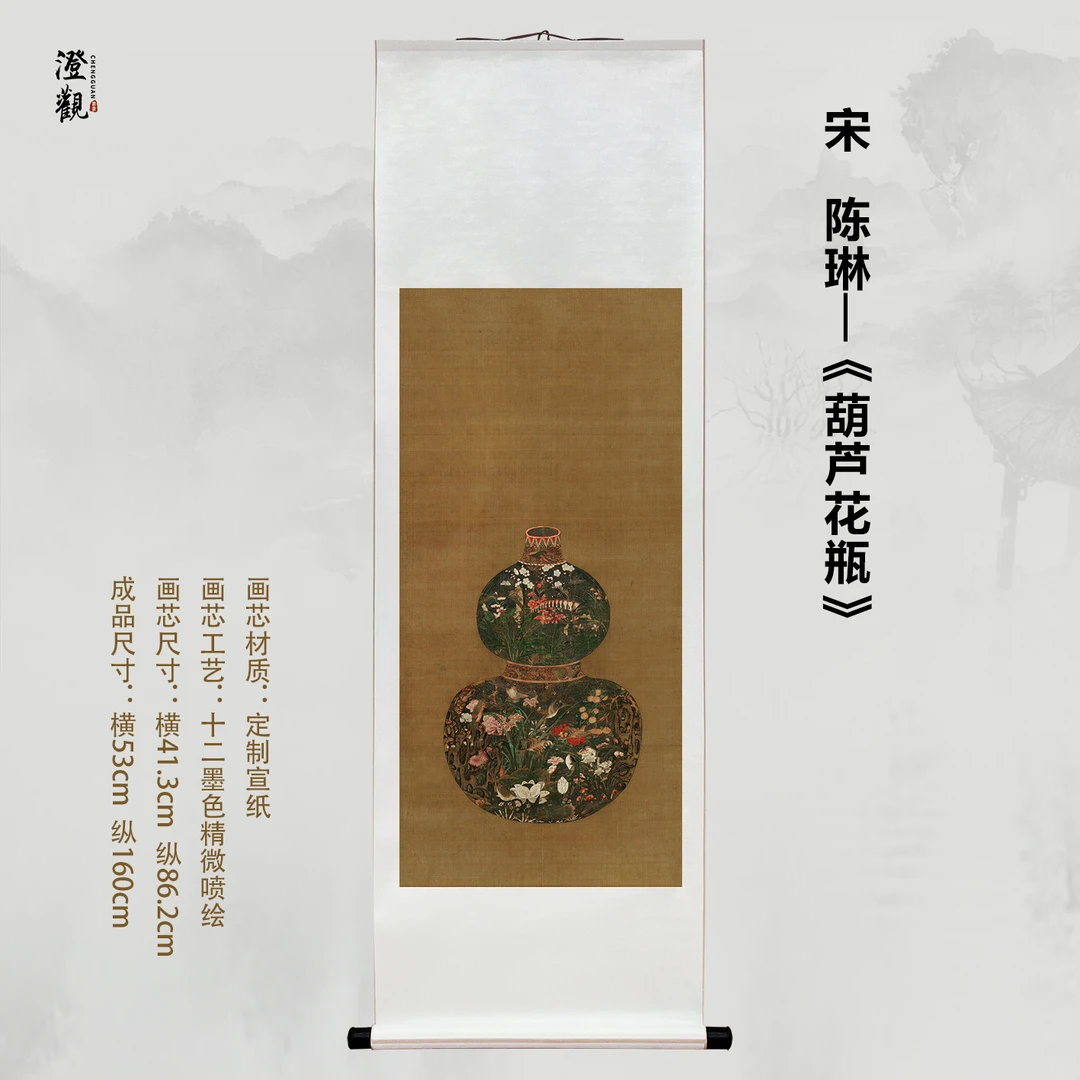
The legacy of Chen Lin is defined by his role as a foundational figure for the Yuan Dynasty's artistic revolution. Although his surviving works are rare, they are treated as exquisite rarities of immense historical value. His influence can be seen in the works of the Four Masters of the Yuan Dynasty, who further developed the ink-centered philosophy he championed. Today, his masterpieces are housed in world-class institutions like the National Palace Museum, representing the intellectual depth and technical brilliance of a man who looked backward to move Chinese art forward.
— ALL MASTERPIECES LOADED —