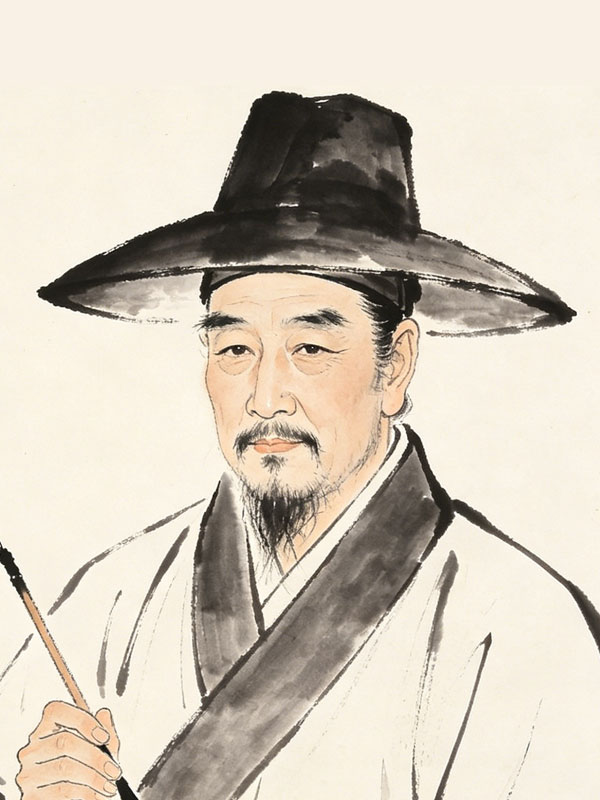
Bayan Buqa (巴颜布哈): The Scholar-General and Mongol Painter of the Yuan Dynasty
Bayan Buqa (active mid-14th century), also known by his Han Chinese name Ba Yan (巴延) and courtesy name Zhonghe (中和), was a high-ranking Mongol official, military commander, and distinguished painter during the late Yuan Dynasty. He represents a unique group of Mongol nobility who deeply assimilated into Han Chinese culture, achieving mastery in the "Three Perfections" of poetry, calligraphy, and painting.
1. A Life of Military and Political Prominence
Bayan Buqa was not a professional artist but a scholar-official of elite status. He held several prestigious positions, including the Duke of Liang (梁国公), and served as a high-ranking military commander during the turbulent final years of the Yuan Dynasty. His dual identity as a warrior-statesman and a refined artist is a testament to the cultural synthesis that occurred among the Mongol ruling elite, who embraced the literati (Wenren) lifestyle as a form of self-cultivation.
2. Artistic Style: The Li-Guo Tradition
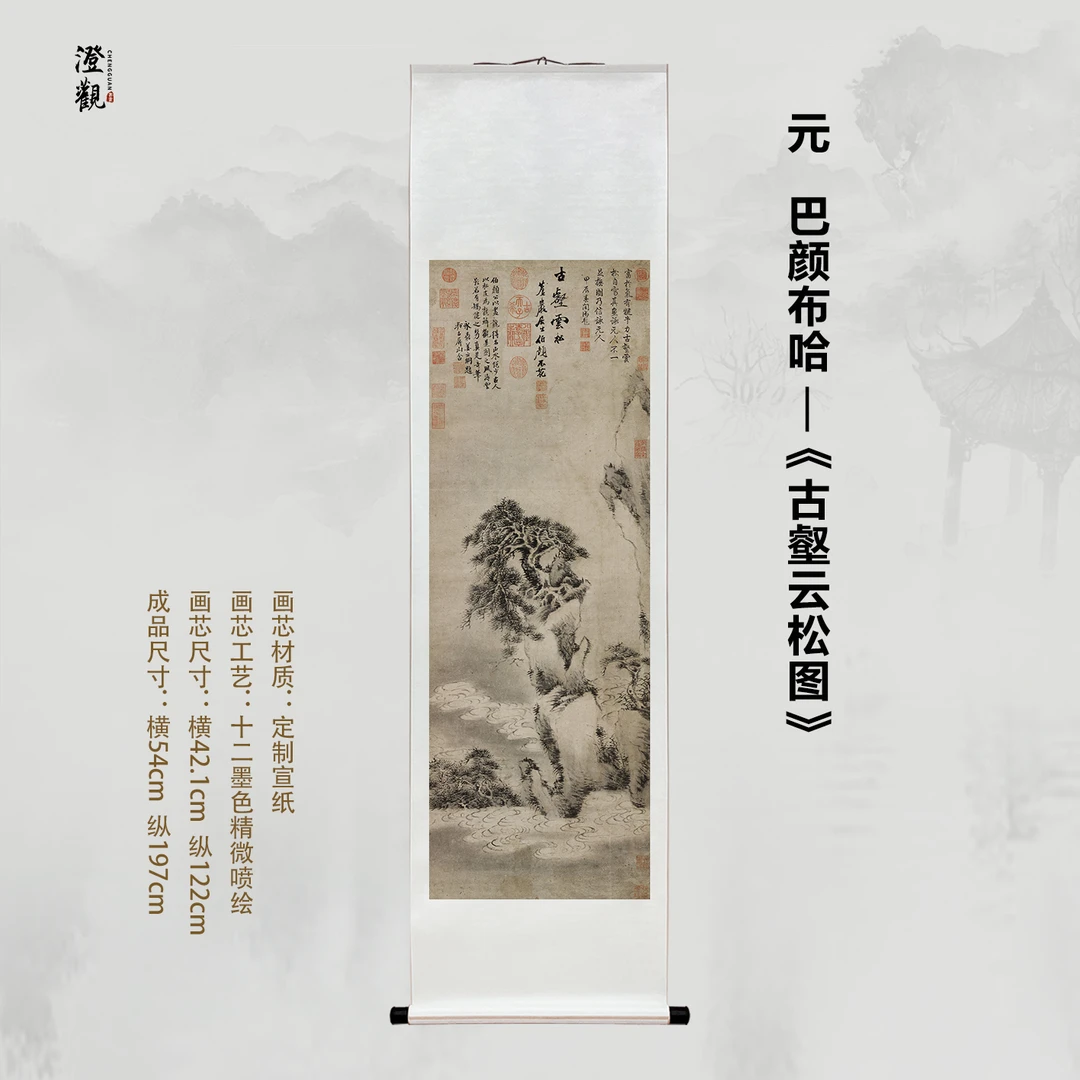
In his landscape paintings, Bayan Buqa was a staunch follower of the Northern Song classical tradition, specifically the styles of Li Cheng and Guo Xi. His landscapes are characterized by:
- Structural Grandeur: His works often feature monumental peaks and complex geological formations, reflecting the strength and stability associated with his military background.
- Crab-claw Branches: He utilized the intricate, twisting brushwork typical of the Li-Guo school to depict wintry, leafless trees, creating a sense of austere beauty and ancient desolation.
- Vigorous Ink Wash: His use of ink was bold and powerful, favoring strong contrasts and layered washes that gave his mountains a palpable sense of volume and mass.
3. Mastery of Bamboo and Rocks
Like many Yuan literati, Bayan Buqa excelled in the depiction of ink bamboo and rocks. For a Mongol general, the bamboo served as a poignant symbol of moral integrity and flexibility under pressure. His bamboo paintings were noted for their calligraphic precision, with leaves executed in swift, decisive strokes that mirrored the sharpness of a blade, blending martial energy with scholarly grace.
4. The "Mongol Literati" Phenomenon
Bayan Buqa is a primary figure in the study of intercultural exchange during the Yuan Dynasty. His work proves that the literati aesthetic was not exclusive to Han Chinese scholars but was shared by the Mongol and Semu elite. He often engaged in elegant gatherings (yaji) with famous Han artists and poets, where they would collaborate on scrolls and exchange inscriptions, further blurring the lines between the ruling class and the conquered intelligentsia.
5. Historical Legacy and Survival
Because he was often engaged in military campaigns (including suppressing the Red Turban Rebellions), his surviving output is relatively small compared to full-time painters. However, his works are highly valued for their historical rarity and artistic merit. His paintings, such as "Snowy Mountains" or various "Ink Bamboo" scrolls, are occasionally found in major museum collections, serving as vital artifacts of the multicultural brilliance of the 14th-century Yuan court.
— ALL MASTERPIECES LOADED —