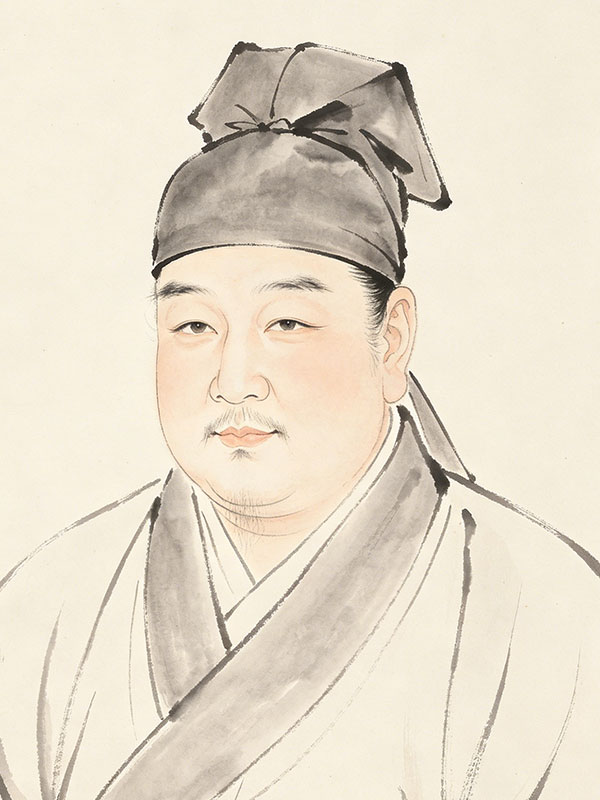
Cui Bai: The Revolutionary Master of Naturalism and Movement
Cui Bai (active mid-11th century AD), courtesy name Zixi, was a transformative court painter of the Northern Song Dynasty. Originally from Anhui, he served in the Imperial Painting Academy during the reign of Emperor Shenzong. Although he lived after the Five Dynasties, his historical significance lies in his bold rebellion against the rigid "Huang Family Style" (Huang Quan) that had dominated Chinese flower-and-bird painting for over a century since the Five Dynasties period.
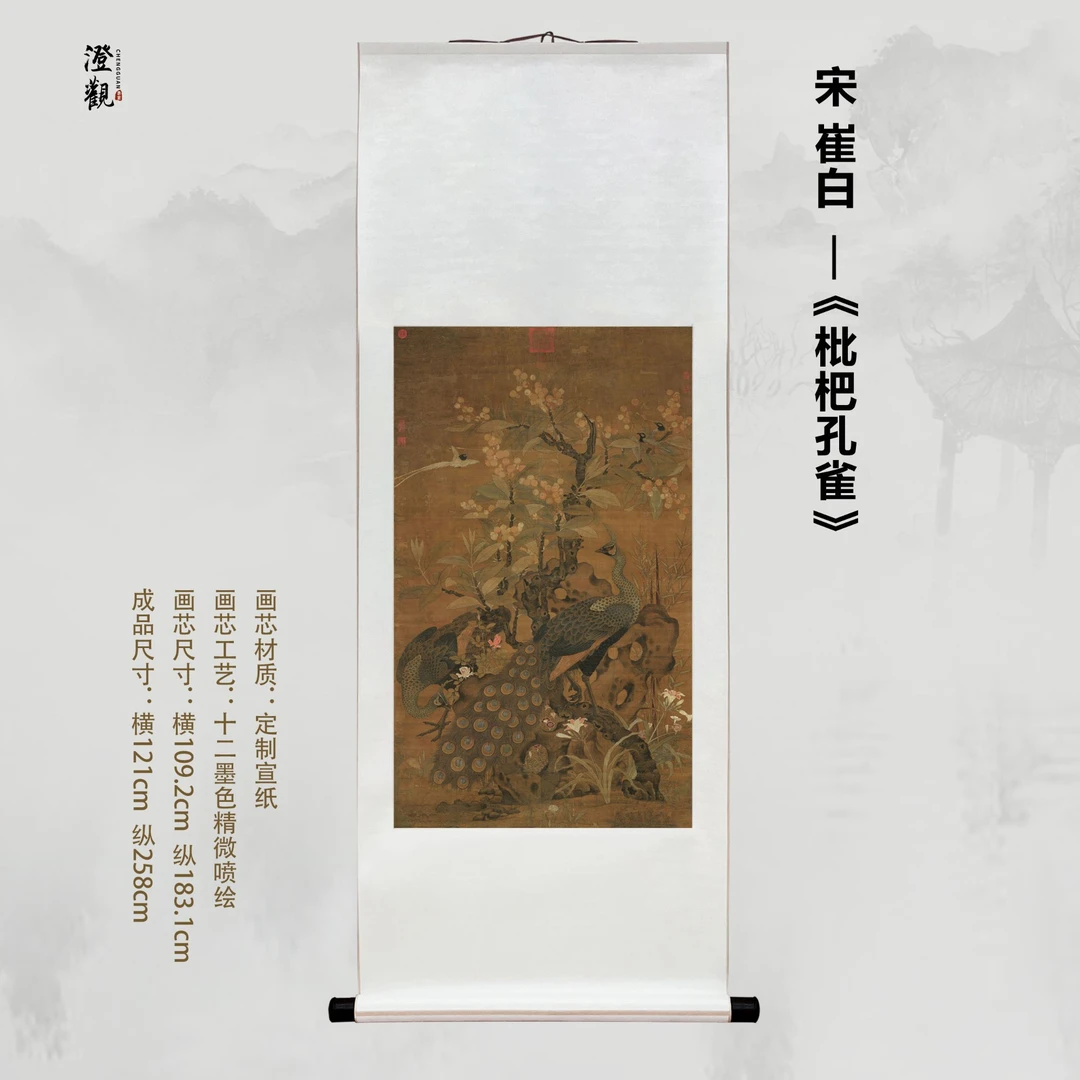
He is celebrated as a visionary reformer who introduced a sense of naturalism and vitality that was previously unseen in palace art. While the traditional academic style favored by the Five Dynasties courts was meticulous, static, and opulent, Cui Bai embraced a more expressive and spontaneous approach. He favored "sketching from life" (Xiesheng), observing animals and plants in their wild, untamed states. His brushwork moved away from heavy, formal outlines, opting instead for delicate ink washes and rhythmic lines that captured the shimmering essence of life.
His undisputed masterpiece, "Magpies and Hare" (双喜图), dated 1061, is a milestone in Chinese art history. Currently housed in the National Palace Museum, this painting depicts a dramatic encounter between two magpies and a lone hare on a windy autumn day. The painting is a marvel of narrative tension; the birds cry out from a swaying branch while the hare looks back in surprise. Cui Bai’s ability to render the physicality of the wind—visible in the leaning grass and the ruffled feathers—marked a departure from the "studio-bound" feel of earlier works toward a true ecological realism.
Technically, Cui Bai was a master of composition and texture. He frequently utilized asymmetrical arrangements to create a sense of vast, open space, a technique that would later influence the Southern Song landscape masters. His depiction of withered lotuses, reeds, and wild ducks was infused with a melancholy beauty that reflected the scholarly ideals of his time. By integrating calligraphic strength with scientific observation, he bridged the gap between professional court painting and the literati art movement championed by figures like Su Shi.
The legacy of Cui Bai is defined by the liberation of Chinese painting from decorative formality. His "Cui Style" became the new standard of excellence in the Song court, directly influencing Emperor Huizong and the future of the Imperial Academy. Today, he is remembered as the artist who rekindled the soul of nature on silk, proving that the true power of art lies not in its perfect stillness, but in its rhythmic movement and emotional truth.
— ALL MASTERPIECES LOADED —