Yuan Ceramics and the Continuing Evolution of Porcelain
|
The Yuan Dynasty was a period of continued evolution in the development of porcelain, with potters making advancements in the use of materials, glaze formulations, and firing techniques. The Yuan period laid the groundwork for the eventual innovations of the Ming and Qing eras, and it shows the continued development of pottery traditions that had been developed over centuries in China. 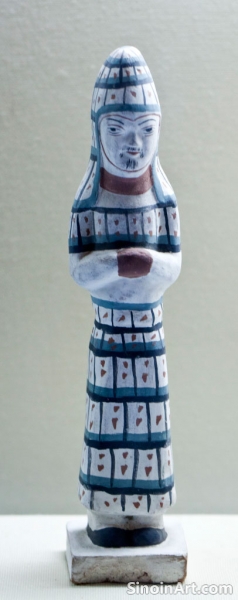 The development of a finer kaolin clay resulted in a whiter and more translucent porcelain body, which allowed for the greater vibrancy of underglaze decoration techniques. 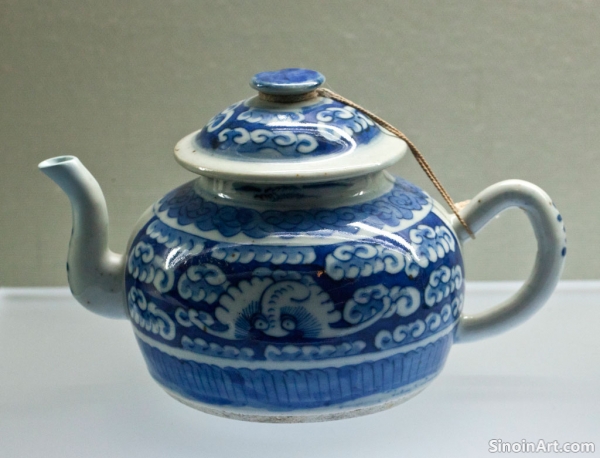 The introduction of new glazes and pigments, such as cobalt for blue and white porcelain and copper for underglaze red, expanded the range of decorative possibilities and the beauty and depth of colour.  The higher firing temperatures achieved during the Yuan Dynasty resulted in a harder, more durable porcelain that was better suited for export and long-term use. The increased durability of porcelain made it a more valuable and marketable trade commodity. The continuing evolution of porcelain during the Yuan Dynasty laid the groundwork for the technical and artistic achievements of later periods in Chinese ceramic history, and is essential to understanding the ongoing development of Chinese ceramics over time. |
Tag : Yuan porcelain evolution, Chinese pottery history, ancient ceramics, porcelain techniques, Ming influence
Related information
- The Cobalt Connection: The Sourcing and Impact of Blue Pigment in Yuan Porcelain
- Collecting and Preserving Yuan Dynasty Porcelain: Challenges and Considerations
- Trade and Export: Yuan Dynasty Porcelain on the Global Stage
- The Role of the Imperial Court in Yuan Dynasty Porcelain Production
- The Role of Minorities in Yuan Dynasty Porcelain Production and Trade
This article delves into the importance of cobalt in Yuan porcelain, highlighting its import from Persia, its impact on color, and the technological skill needed to harness its full potential in ceramic production.
This article discusses the challenges and considerations associated with collecting and preserving Yuan Dynasty porcelain, highlighting issues of authentication, ethical acquisitions, and proper conservation.
This article explores the significant role Yuan porcelain played in international trade. It highlights its export routes, its demand in the Islamic world, and its impact as a cultural ambassador.
This article examines the role of the Yuan Dynasty imperial court in porcelain production, exploring how its patronage and unique aesthetic preferences shaped the styles and scale of ceramic creation during the era.
This article explores the often overlooked role of minority groups in the production and trade of Yuan Dynasty porcelain, acknowledging their likely contributions to various stages of the process and their influence on the diverse cultural landscape of the period.