
Deep within the vaults of the Palace Museum in Beijing lies one of the most fragile and precious artifacts of Chinese history: the original A Thousand Li of Rivers and Mountains. Unlike stone sculptures or bronze vessels, this silk masterpiece is exceptionally sensitive to light and humidity. Consequently, it is only exhibited once every few decades, making each unveiling a national event.
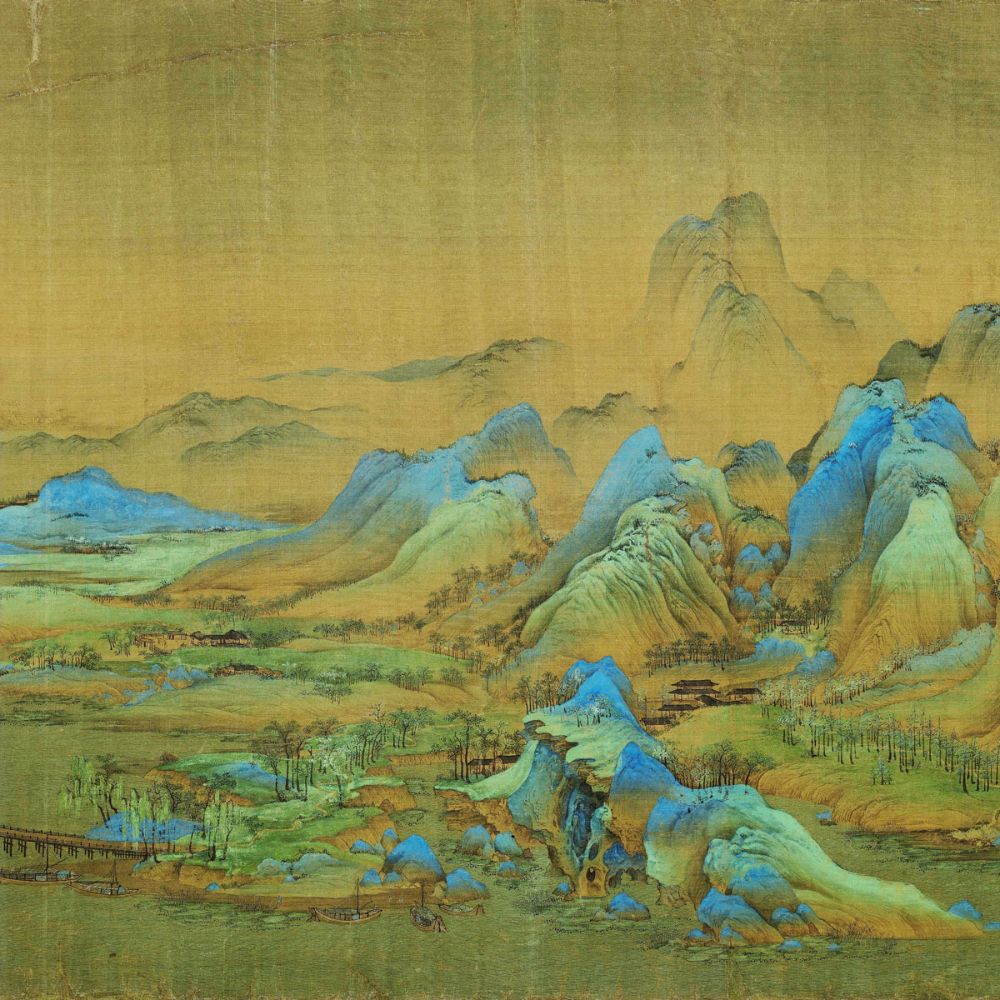
The reason for this extreme caution lies in the mineral pigments. While azurite and malachite are stunningly vibrant, they are heavy. Over time, the layers of paint can flake off the silk if the scroll is unrolled too frequently. Therefore, the "rest" periods between exhibitions are vital for the painting's survival for future generations.
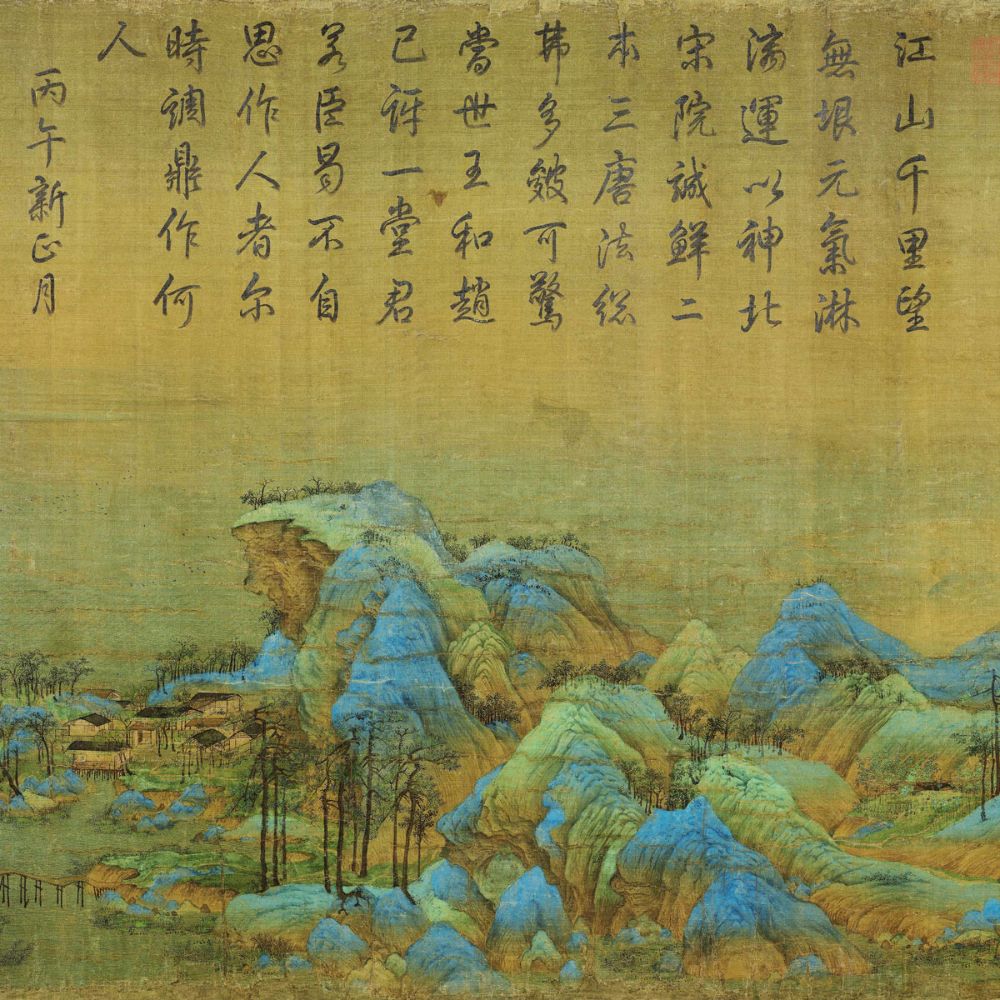
In 2017, when the scroll was last exhibited, thousands of people waited in line for hours just for a few minutes of viewing time. This phenomenon, known as the "Wang Ximeng Sprint," demonstrated the profound connection the Chinese people feel toward this work. It is viewed not just as art, but as a piece of the nation's DNA.
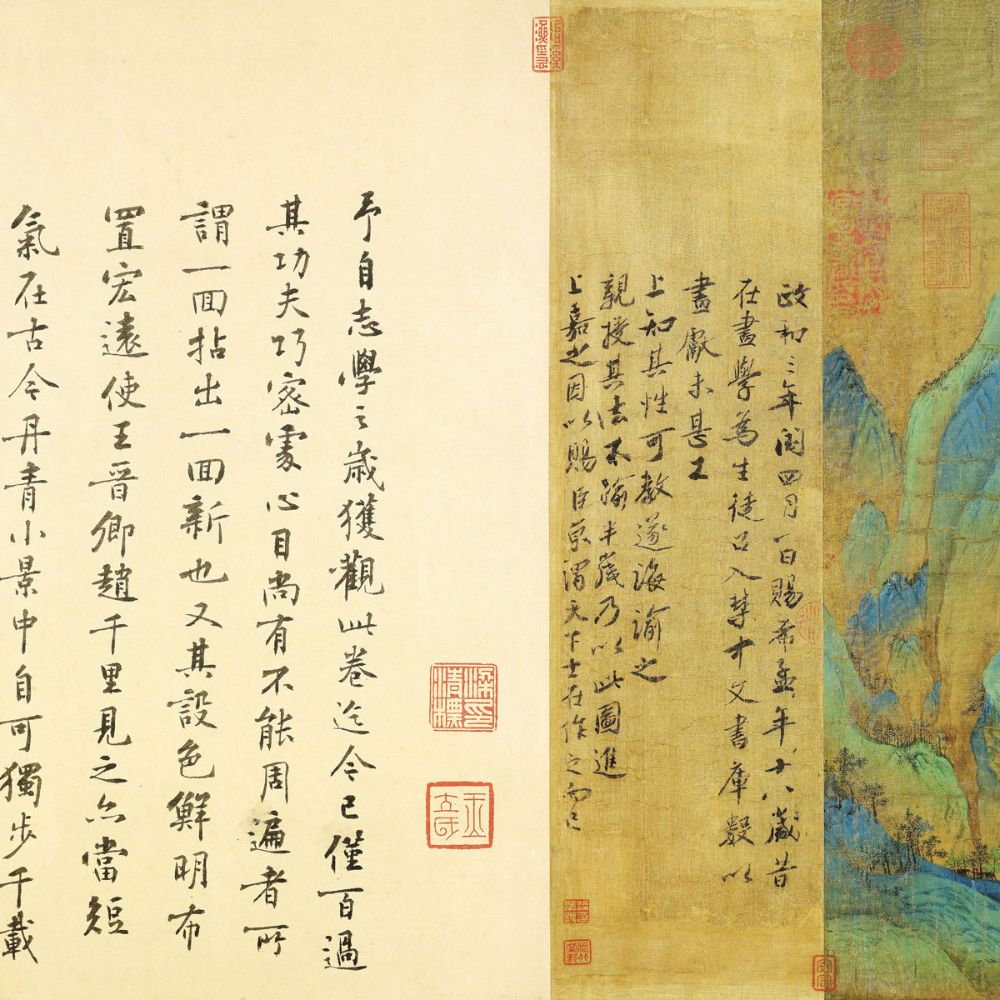
For those who cannot visit the Palace Museum during these rare windows, the museum has invested heavily in digital high-definition scanning. These efforts allow the public to explore the scroll’s intricate details—down to the individual fishermen and birds—without risking the physical integrity of the silk.
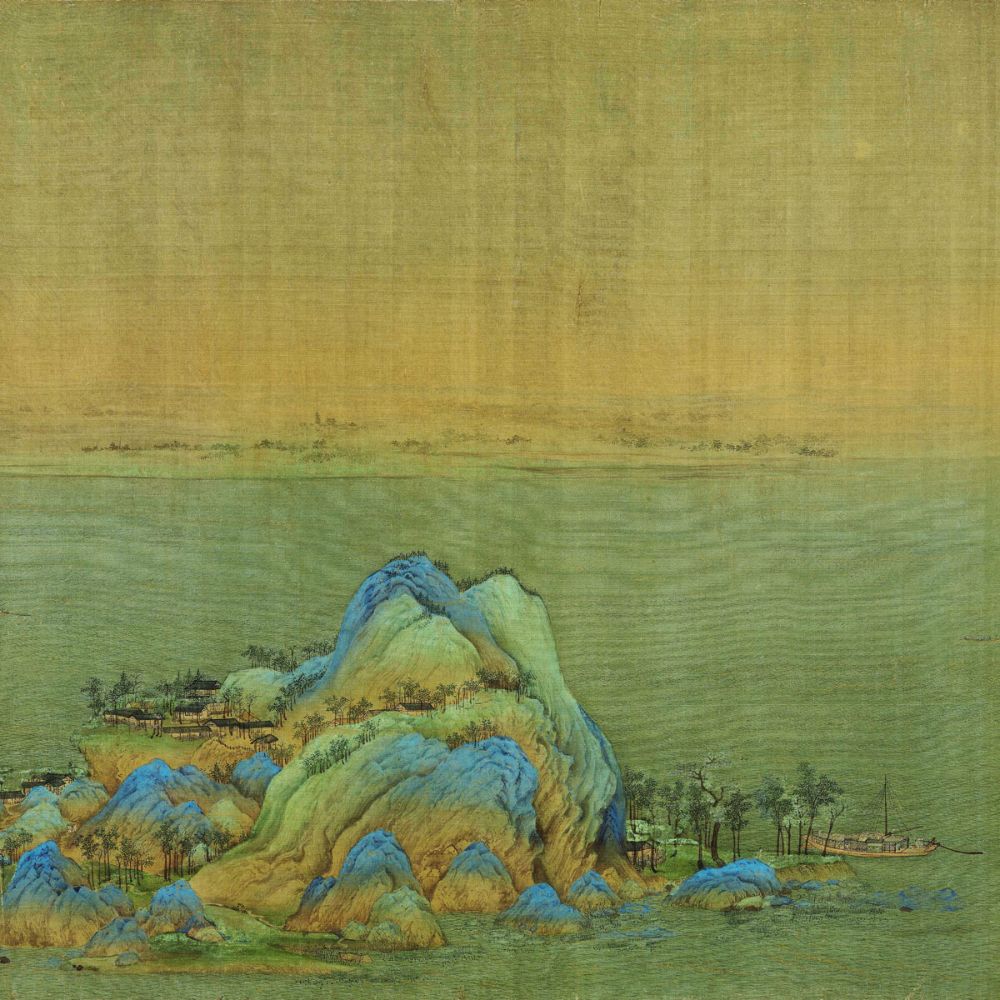
Owning a high-fidelity reproduction is often the only way for art lovers to enjoy the scroll’s majesty daily. Modern printing technology has reached a point where even the texture of the 900-year-old silk can be replicated, providing a "private museum" experience in your own home.