
In the annals of art history, Wang Ximeng is often compared to Western prodigies like Mozart or Keats. His contribution to Chinese culture, A Thousand Li of Rivers and Mountains, was completed when he was just 18 years old. This fact remains one of the most compelling mysteries in the world of fine art: how could a teenager possess such profound technical skill and philosophical depth?
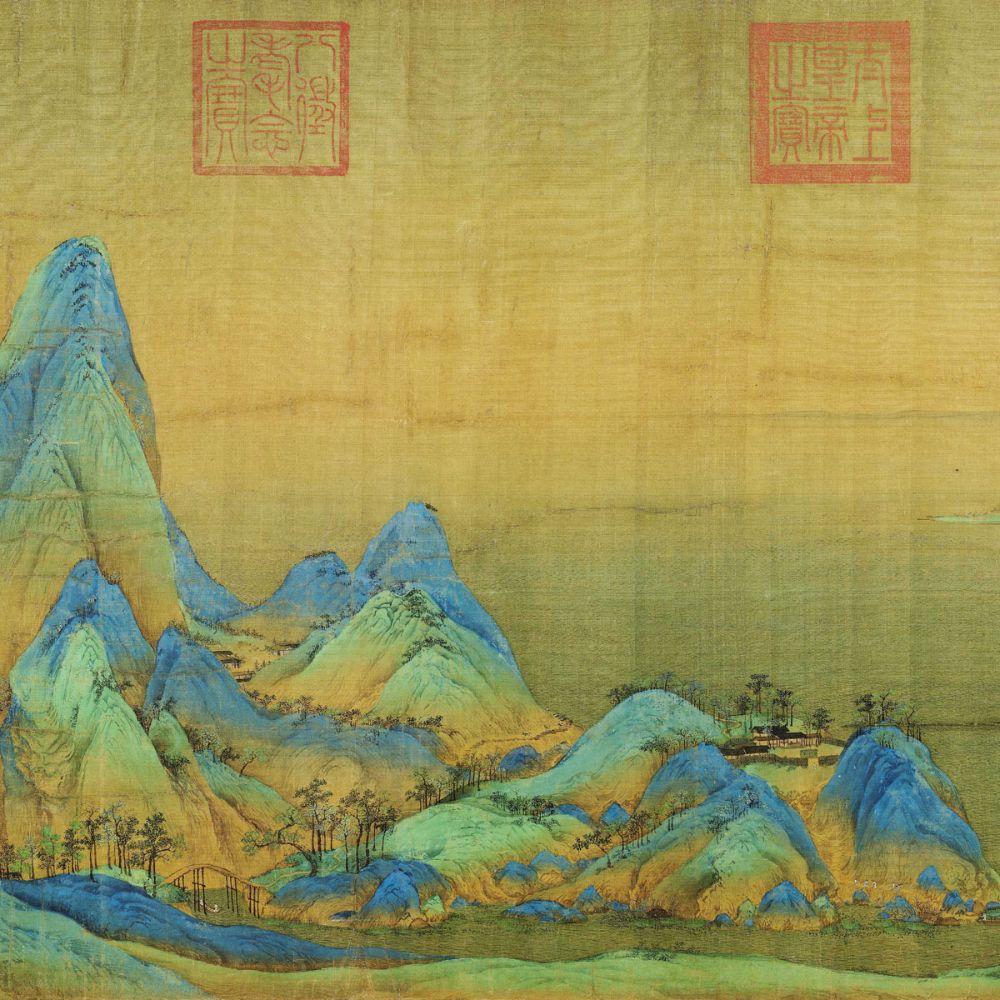
Records suggest that Emperor Huizong, a renowned artist and patron himself, recognized Wang’s raw talent. He personally guided the young artist, teaching him the secrets of composition and color. The result was a painting that surpassed the works of seasoned court painters, blending meticulous detail with a vast, sweeping vision of the Chinese landscape.
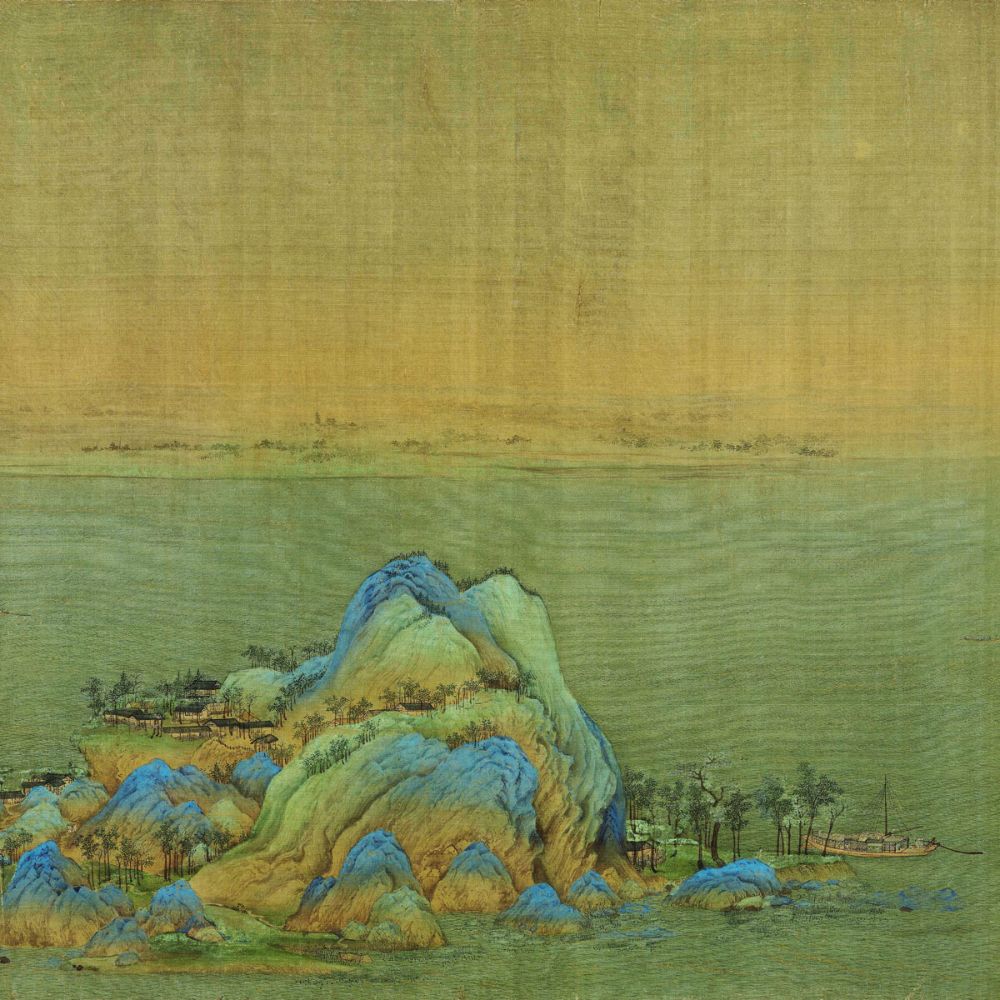
The painting's longevity is as remarkable as its creation. Despite being over 900 years old, the silk scroll retains its structural integrity and color brilliance. The use of heavy mineral pigments ensures that the blues and greens do not fade, allowing modern audiences to see exactly what the Emperor saw nearly a millennium ago.
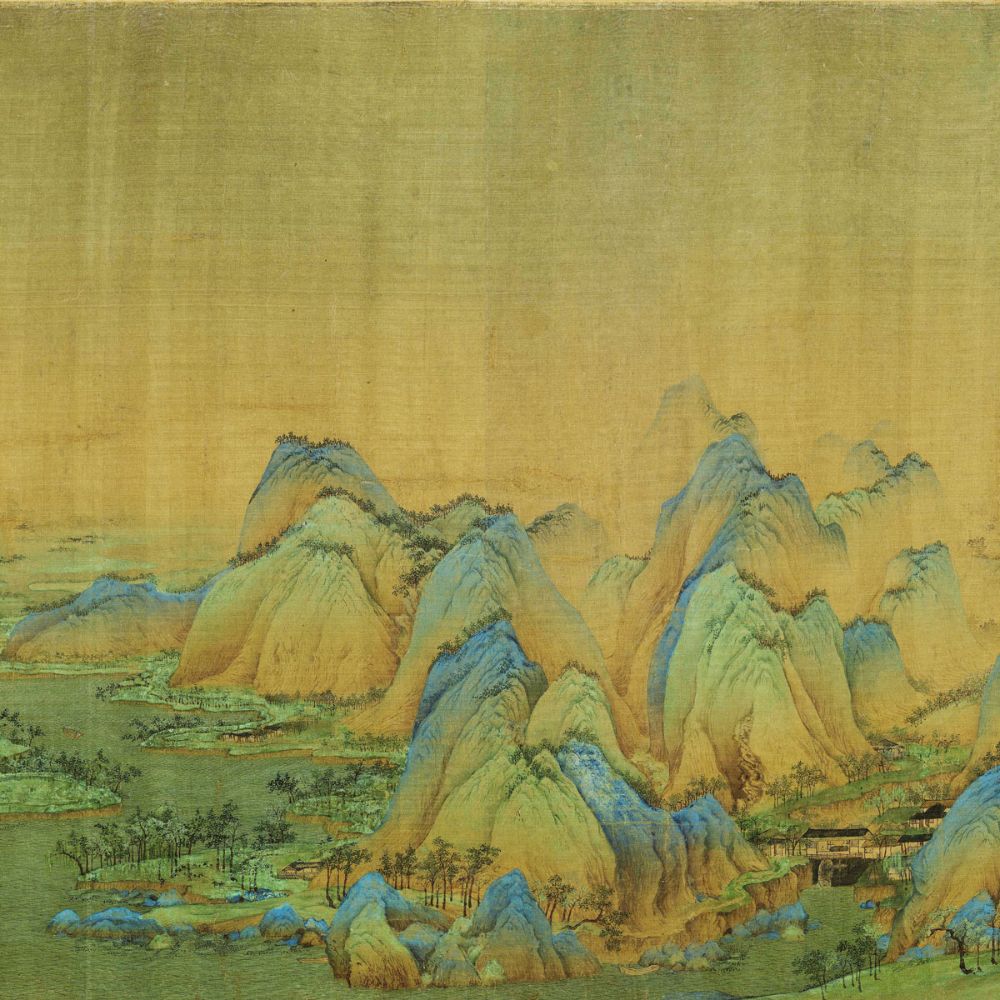
Sadly, Wang Ximeng disappeared from history shortly after the scroll was finished. Some say he died of exhaustion, while others believe he left the court to live as a hermit among the mountains he loved so much. This "vanishing" has made the scroll a sacred object, representing a fleeting moment of perfection captured by a young soul.
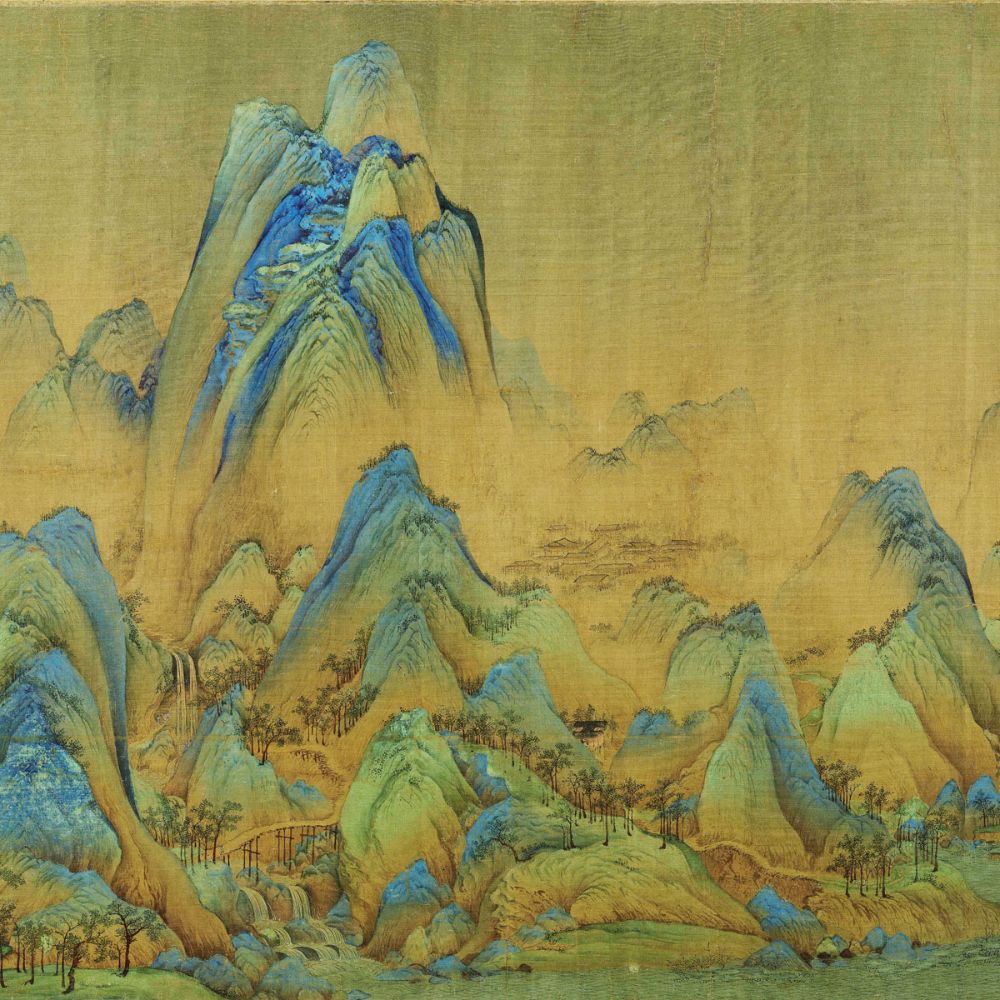
For those looking to understand the soul of China, studying Wang Ximeng is essential. His work teaches us about the harmony between man and nature, a core tenet of Eastern philosophy. By bringing a piece of this history into your home through fine art reproductions, you honor the legacy of a genius who changed art forever.