
In the hierarchy of Chinese bird-and-flower painting, the Golden Pheasant occupies a unique place of honor. In Giuseppe Castiglione’s "Jin Chun Tu," these birds are not just beautiful subjects; they are the embodiment of the "Gentleman" (Junzi). To understand this painting is to understand the moral code of the Qing Dynasty scholar-official.
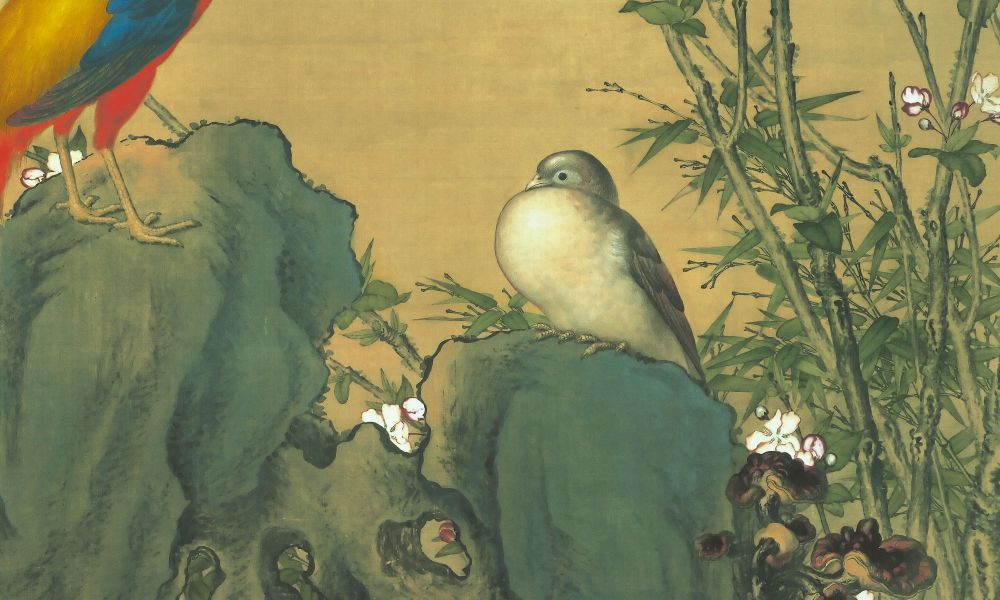
According to ancient Chinese texts, the pheasant possesses "Five Virtues." Its colorful crest represents Literacy; its sharp spurs represent Military Prowess; its willingness to fight represents Courage; its call to others when it finds food represents Benevolence; and its punctuality in crowing represents Trustworthiness.
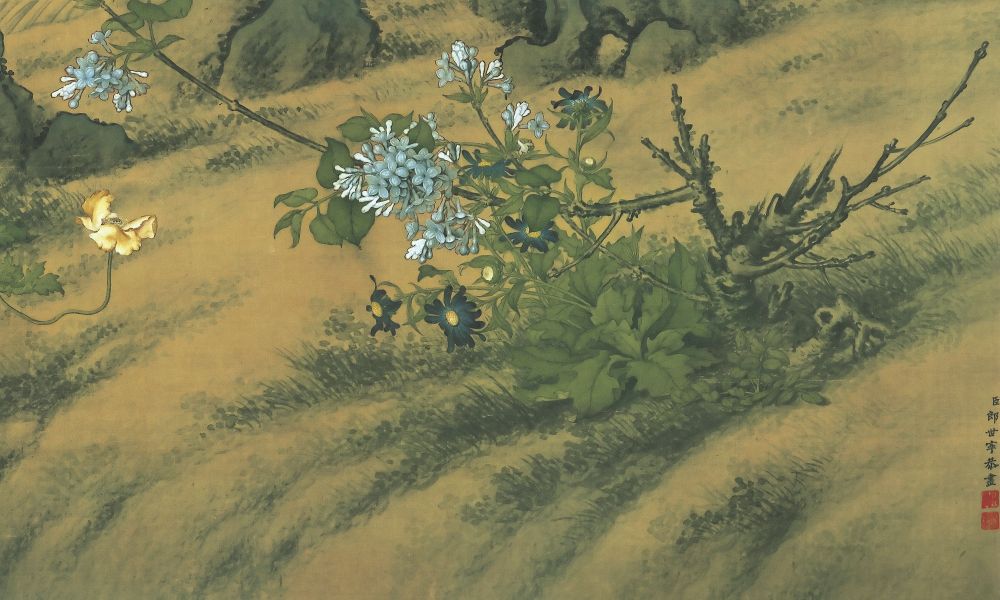
Castiglione’s realistic rendering of these birds was a way of making these abstract virtues feel tangible. By showing every feather in high relief, he made the "Moral Character" of the birds visible to the Emperor. It served as a daily reminder to the court that true beauty is rooted in virtue.
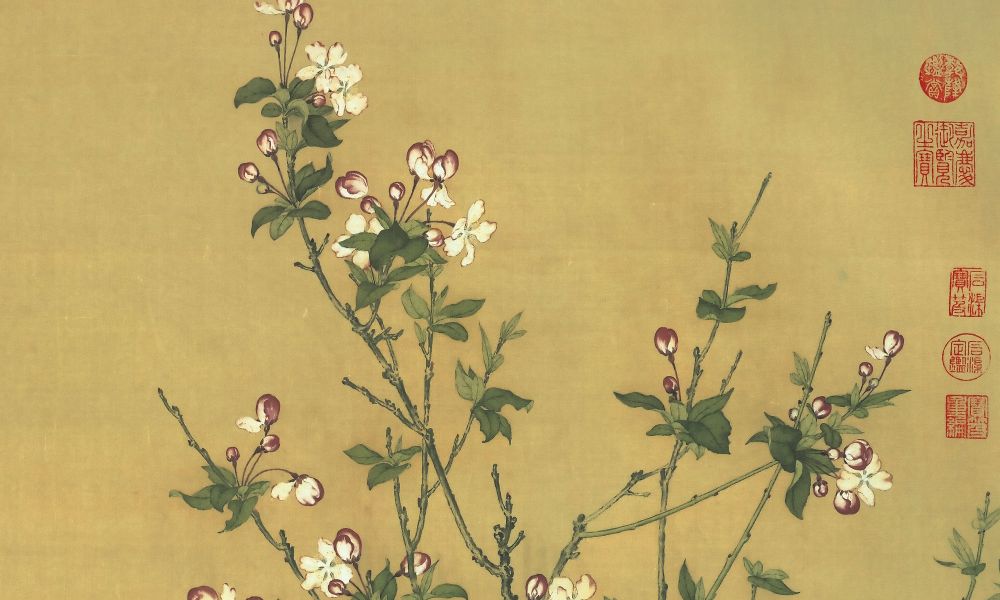
The pairing of the two pheasants also suggests harmony and social order. In a kingdom that valued Confucian relationships, the peaceful coexistence of these magnificent birds among the peonies represented a society in perfect balance. It is a painting about the beauty of a well-ordered world.
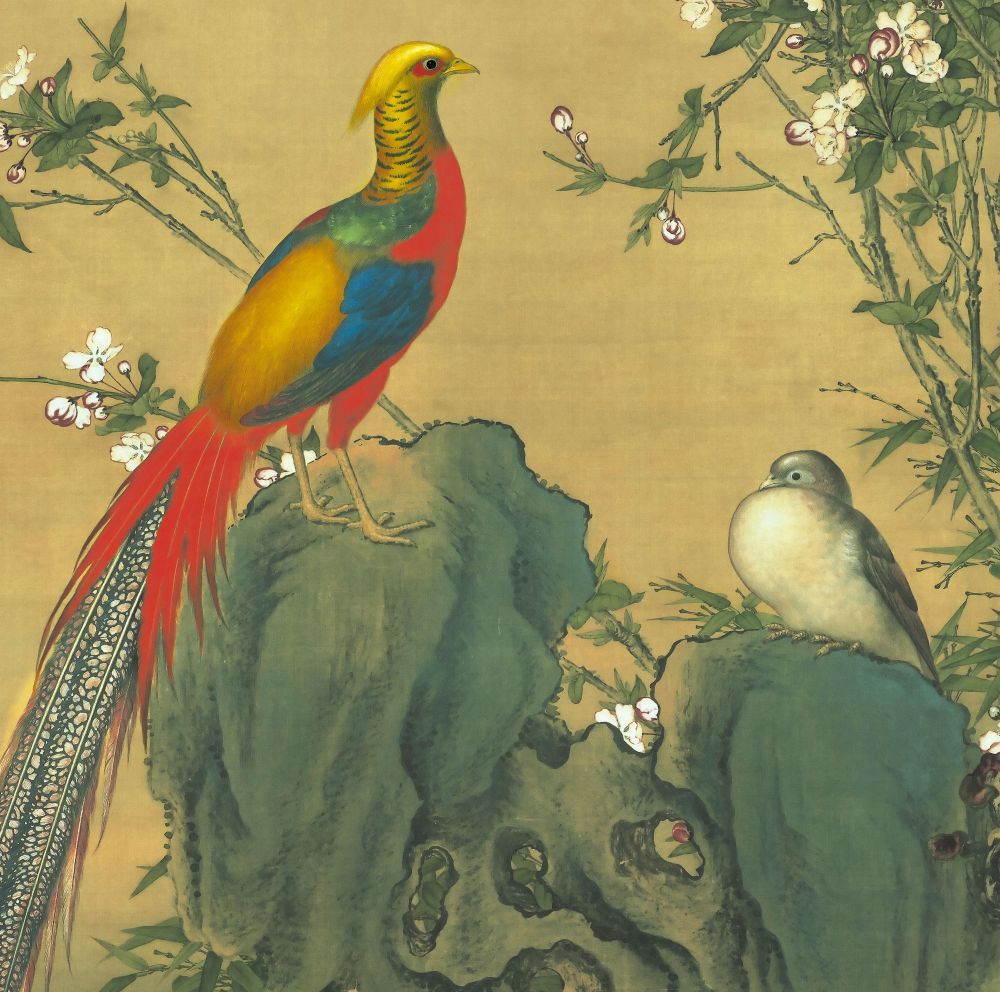
SinoInArt’s 1:1 replica preserves this moral and artistic depth. By using the same scale as the original masterpiece, we ensure that the "Virtue" of the golden pheasants is felt in its full imperial glory. This is a work for those who value art with character, history, and a soul.