The Use of Gold Leaf in Gongbi: Adding a Touch of Opulence
|
The use of gold leaf in Gongbi painting is a hallmark of the style, adding a touch of opulence and luminosity to the artwork. Gold, traditionally associated with wealth, power, and divinity, has long been a cherished material in Chinese art, used to enhance the visual impact of paintings and create a sense of grandeur and importance. Its use also makes the art shine, both literally and metaphorically.  The application of gold leaf is a delicate and demanding process that requires skill and experience. Thin sheets of gold are carefully applied to the surface of the painting, often using a thin adhesive made from animal glue or rice starch. The gold is then burnished or polished, creating a lustrous and reflective surface. This step is key to achieving the desired effect. 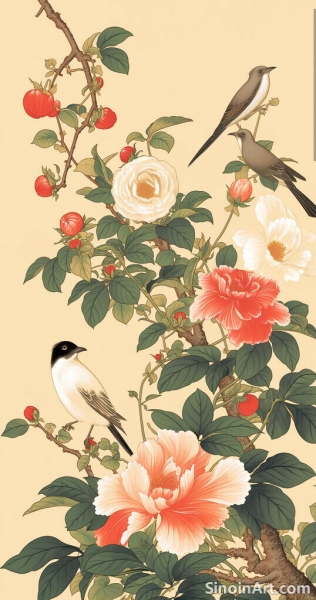 Gold is often used in Gongbi painting to highlight important elements, such as the clothing of figures, the petals of flowers, or the scales of dragons. The use of gold draws the viewer’s eye to these focal points, creating a visual hierarchy that enhances the overall composition. This ensures that the key elements of the work are always in focus. 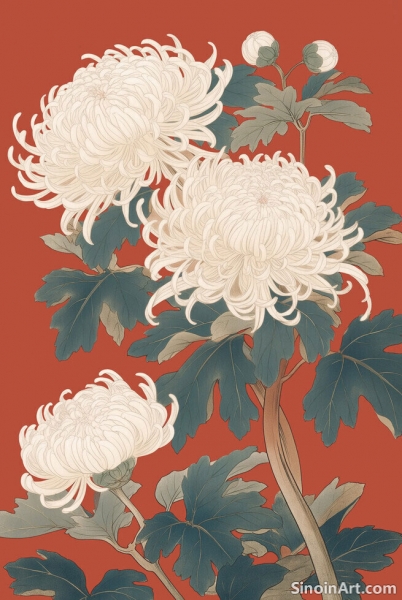 The reflective properties of gold leaf also add a dynamic quality to the painting, as the light interacts with the surface, creating a subtle play of shimmering effects. This gives the painting a sense of life and movement, adding to its overall beauty and impact. The light reflecting from the gold gives it a depth that cannot be achieved with other materials. Beyond its aesthetic appeal, the use of gold in Gongbi painting is also deeply symbolic. It often signifies royalty, divinity, and spiritual enlightenment, adding another layer of meaning to the artwork. The use of gold, therefore, makes it more than just an aesthetic choice, but also a symbolic one. It elevates the painting to something more than mere decoration. |
Tag : Gold leaf in Gongbi, Chinese gold art, traditional gilding, opulent painting, gold symbolism
Related information
- Gongbi Painting and Its Cultural Significance in China
- Gongbi Color Palettes: From Traditional Pigments to Modern Hues
- Techniques and Tools: Unveiling the Secrets of Gongbi
- Gongbi and Personal Expression: The Artist's Voice
- Gongbi Portraiture: Capturing the Essence of the Subject
This article explores the cultural significance of Gongbi painting in China, highlighting its historical importance, its role in reflecting cultural values, its connection to nature, its emphasis on discipline, and its continued relevance in modern Chinese society.
Focuses on the color palettes used in Gongbi painting, from traditional natural pigments to modern hues, emphasizing techniques and symbolism.
An in-depth look at the techniques and tools used in Gongbi painting, covering brushes, ink, pigments, and painting surfaces.
This article focuses on Gongbi painting as a vehicle for personal expression, highlighting how artists use choices in subject matter, color, composition, and overall tone to convey their unique perspectives and artistic visions within the traditional art form.
This article explores Gongbi portraiture, highlighting its meticulous detail, precise use of line, delicate color layering, and its aim to capture not only the physical likeness of the subject but also their inner character and essence.