The Use of Bronze in Ancient Chinese Writing Tools: Brushes, Ink Stones, and Writing Knives
|
While not as commonly discussed as other forms of bronze artifacts, bronze was also used to create various writing tools in ancient China, including brush holders, ink stones, and writing knives. The use of bronze in these tools highlights its importance not only in the artistic and military spheres but also in the process of communication and knowledge transmission. The use of bronze in the production of these tools highlights the importance of literacy in ancient China. 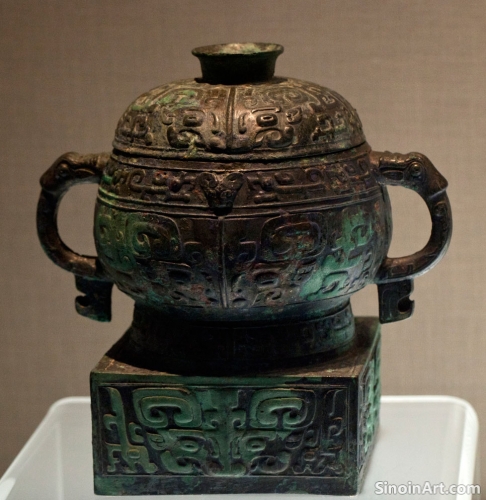 Bronze brush holders were often created for the elite and the scholar class, providing a stable and elegant way to store their brushes when not in use. These holders were carefully designed to both protect the tools and to add to the overall aesthetic beauty of the writing desk.  Bronze ink stones, often designed to grind and mix ink, were also prized tools of the scholar and the artist. The precise grinding and mixing of the ink was an essential component of creating high quality written works.  Bronze writing knives were used to correct mistakes and to smooth paper or bamboo slips before writing, highlighting the care and precision required for the production of well-written documents. The use of these tools reveals a respect for both craftsmanship and the quality of the written word. The use of bronze in writing tools reflects the importance that was placed on the written word in ancient Chinese society. The care and effort put into the creation of writing tools reflects the care and consideration that was also placed into the art of writing. |
Tag : bronze writing tools, ancient Chinese script, calligraphy tools, ink stones, writing knives
Related information
- Bronze Ware and the Development of Ancient Chinese Hydraulic Technology: Pumps, Pipes, and Control Mechanisms
- Bronze Ware and Ancient Chinese Concepts of the Afterlife: Journey, Protection, and Eternity
- The Influence of Bronze Ware on Later Chinese Decorative Arts
- The Bronze Bells of Ancient China: Harmony and Power in Sound
- Unveiling Ancient China: An Introduction to Chinese Bronze Ware
This article explores the use of bronze in ancient Chinese hydraulic technology, highlighting its role in creating pumps, pipes, valves, and other control mechanisms, and its importance in water management and technological innovation.
This article explores the role of bronze ware in ancient Chinese funerary practices, highlighting the use of these objects to prepare the deceased for their journey into the afterlife, providing protection and ensuring their continued well-being in the spirit world.
This article explores the influence of bronze ware on later Chinese decorative arts, highlighting its impact on forms, motifs, and aesthetic principles, and demonstrating the enduring legacy of bronze design across various art media.
This article explores the bronze bells of ancient China, highlighting their role as ritual instruments, their sophisticated construction, their use in sets (bianzhong), and their importance as symbols of power and harmony in Chinese culture.
This article provides an introduction to Chinese bronze ware, exploring their creation, functions, cultural significance, and their enduring legacy as symbols of ancient China’s artistry and technological achievement.