The Use of Bronze in Ancient Chinese Textile Production: Tools and Decorative Elements
|
While bronze is most commonly associated with vessels, weapons, and ritual objects, it also played a role in ancient Chinese textile production, both as a material for creating tools and as a decorative element. This use of bronze highlights the diverse applications of the material and its importance in multiple areas of ancient Chinese life. The integration of bronze into textile production shows a high level of artistic and technological development. 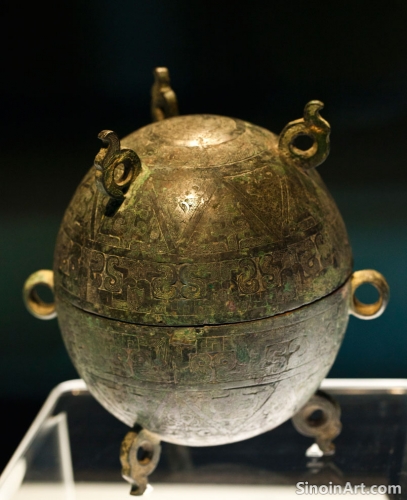 Bronze tools, such as weaving hooks, needles, and spindle whorls, were used in the textile industry, particularly in the creation of fine silks and other valuable fabrics. The durability and precise shapes of these tools helped to improve the quality and quantity of textiles produced. The careful use of bronze tools helped to facilitate higher levels of textile production. 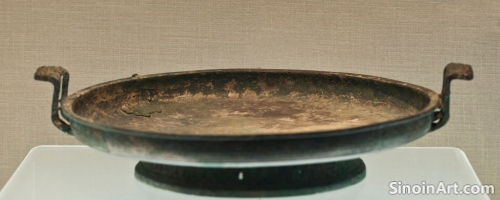 Bronze was also used to create decorative elements for textiles, including belt hooks, buckles, and plaques, adding a touch of elegance and opulence to garments. The use of bronze in these decorative elements helped to elevate the status of these fabrics. These pieces helped to create unique and individualized garments. 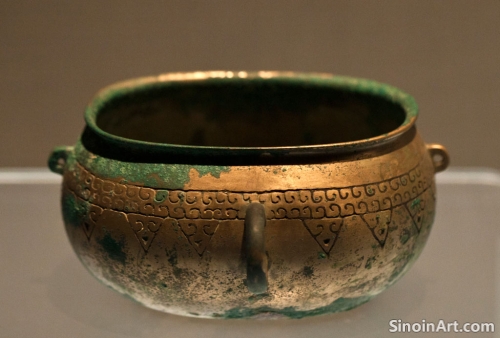 The incorporation of bronze elements into textiles also reflects the intersection of material culture and artistic expression, with artisans using their skills in both metalworking and textile production to create visually stunning and culturally significant pieces. The combination of different artistic disciplines helped to produce unique works of art. The craftsmanship used in both metal and textile working is a key aspect of the design of these pieces. The study of bronze in relation to textile production helps to provide a more complete picture of ancient Chinese society and economy, revealing how different materials and skills were used in a variety of industries and practices. The careful analysis of these artifacts helps to connect us to the wider context of ancient Chinese culture and trade. |
Tag : bronze textile tools, Chinese weaving, ancient clothing, bronze embellishments, material culture
Related information
- The Modern Use of Chinese Bronze Ware: Reinterpretations and Artistic Influence
- The Influence of Ancient Chinese Bronze Ware on Modern Design Aesthetics: Form, Function, and Beauty
- The Role of Bronze Ware in Ancient Chinese Trade with Southeast Asia: Exchange of Goods and Cultural Ideas
- Bronze Ware and Trade Networks in Ancient China: Exchange and Interaction
- The Influence of Nomadic Cultures on Chinese Bronze Ware: Cross-Cultural Exchanges
This article explores the modern use of Chinese bronze ware, highlighting how contemporary artists and designers reinterpret and adapt its forms and motifs, blending ancient traditions with modern aesthetics, showcasing the enduring influence of these powerful works.
This article explores the influence of ancient Chinese bronze ware on modern design aesthetics, highlighting how contemporary designers draw inspiration from its forms, patterns, techniques, and its continued relevance in diverse creative fields.
This article explores the role of bronze ware in ancient Chinese trade with Southeast Asia, highlighting the exchange of goods, the spread of cultural ideas, and the impact on both economic and artistic development across the region.
This article explores the role of bronze ware in ancient Chinese trade networks, highlighting its importance as a trade commodity, its contribution to the exchange of cultural ideas, and its role in connecting different regions of China.
This article explores the influence of nomadic cultures on Chinese bronze ware, highlighting the adoption of new forms, styles, and techniques, the influence of animal motifs, and the role of trade and diplomacy in the transmission of cultural ideas.