The Use of Bronze in Ancient Chinese Food Preparation and Dining: Utensils and Vessels
|
Beyond their role in ritual and ceremonies, bronze was also used in ancient China to create a variety of utensils and vessels for everyday food preparation and dining. The use of bronze in the creation of these items highlights its importance in both the economic and social life of the era. The combination of function and elegance was a major element in the design of these pieces. 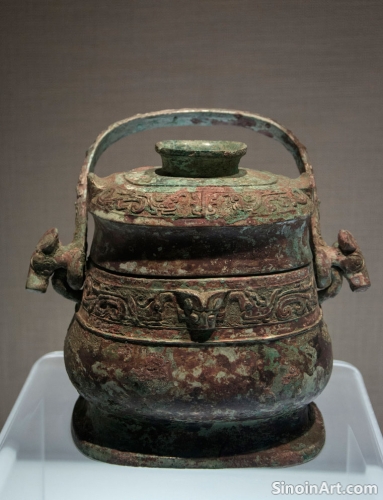 Bronze cooking pots, often designed with multiple legs for stability over a fire, were a common sight in ancient Chinese kitchens, allowing for the preparation of meals for larger families and social gatherings. The use of bronze for cooking equipment suggests the value of this metal and its widespread use among the more affluent members of society. 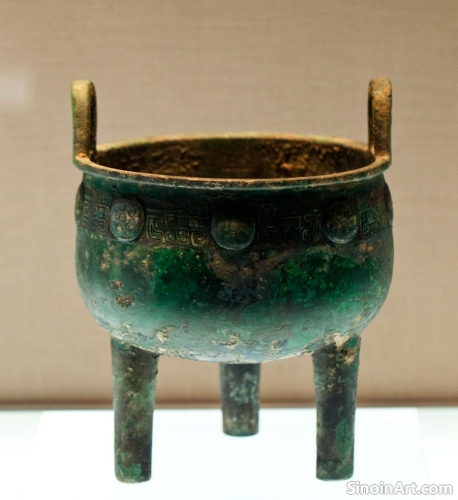 Bronze ladles, spoons, and other utensils were also used for serving and eating food, with some of these items being highly decorated and crafted, reflecting the importance of dining etiquette in ancient China. The inclusion of ornate and decorative pieces for everyday meals helps to show the high level of refinement of the culture of the time. The manner in which a meal was presented was often as important as the food itself. 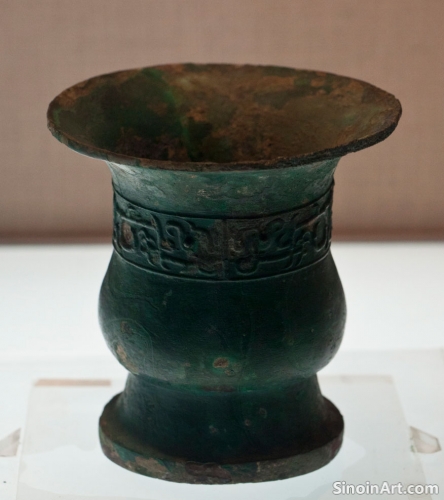 Bronze containers, such as bowls, plates, and drinking cups, were also used in the presentation of food and drink, helping to create an aesthetically pleasing and culturally rich dining experience. The presentation of food was often seen as an essential element of both social and spiritual life. The use of these tools in daily life reflects the skill and artistry of the people of the era. The study of bronze in food preparation and dining reveals how bronze ware permeated many aspects of ancient Chinese life, from the most mundane to the most sacred. The careful study of these objects helps us to better understand the rituals and routines of daily life at this time. The interplay between the mundane and the sacred is a key component of ancient Chinese culture. |
Tag : bronze kitchen utensils, ancient Chinese food, dining vessels, cooking tools, bronze tableware
Related information
- The Development of Bronze in the Spring and Autumn Period: New Forms, Techniques, and Regional Styles
- Bronze Ware and Ancient Chinese Understanding of Astronomy: Maps of the Sky and the Measurement of Time
- Bronze Ware and Trade Networks in Ancient China: Exchange and Interaction
- The Conservation of Large Scale Bronze Sculptures: Challenges and Techniques
- The Preservation of Bronze Ware Collections: Challenges, Strategies, and Long-Term Care
This article explores the development of bronze ware during the Spring and Autumn period, highlighting new forms, innovative techniques, and the rise of distinctive regional styles, reflecting the growing artistic diversity of the time.
This article explores the connection between bronze ware and ancient Chinese understandings of astronomy, highlighting the use of celestial motifs, the depiction of astronomical phenomena, and the creation of instruments that aided in understanding the universe.
This article explores the role of bronze ware in ancient Chinese trade networks, highlighting its importance as a trade commodity, its contribution to the exchange of cultural ideas, and its role in connecting different regions of China.
This article discusses the challenges and techniques involved in the conservation of large-scale bronze sculptures, highlighting the issues of deterioration, the need for specialized interventions, and the importance of long-term preservation efforts.
This article explores the challenges and strategies involved in preserving bronze ware collections, highlighting the importance of conservation, specialized techniques, environmental controls, and museums as stewards of these cultural treasures.