The Use of Bronze in Ancient Chinese Astronomical Instruments: Innovation and Precision
|
The creation of astronomical instruments in ancient China involved a remarkable level of skill and technical knowledge, with bronze used to create a variety of devices that were used for observation, measurement, and the tracking of celestial movements, demonstrating an appreciation for both scientific knowledge and also artistic creation. The careful use of bronze in these objects was designed to produce both accurate and also durable instruments. The blend of practicality and precision is a key element in ancient Chinese scientific instruments. 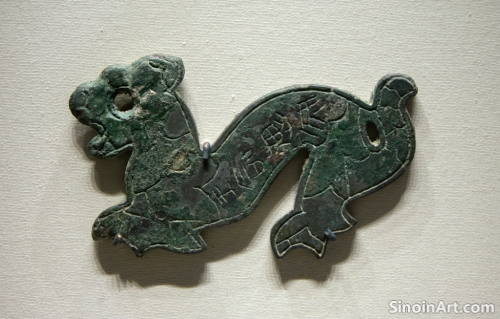 Bronze was used to create armillary spheres, which depicted the positions and movements of celestial bodies, and were key in both mapping the heavens and in also understanding their movements. These complex devices were a testament to both technical innovation and scientific understanding. The careful crafting of these devices also highlights the skill and artistry of the people who designed them. 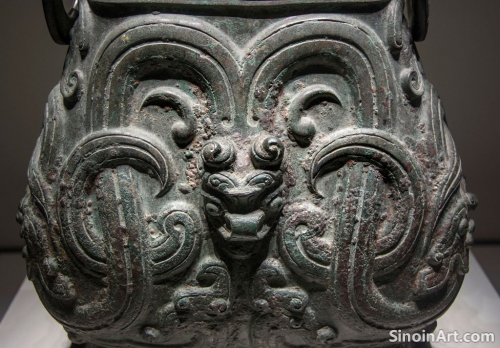 Bronze sundials and other timekeeping devices were also essential for astronomical observations, and also for the development of calendars and recording the passage of time. The design of these objects reflects both scientific knowledge and also artistic skill. The combination of art and science was an important aspect of ancient Chinese instruments of all types. 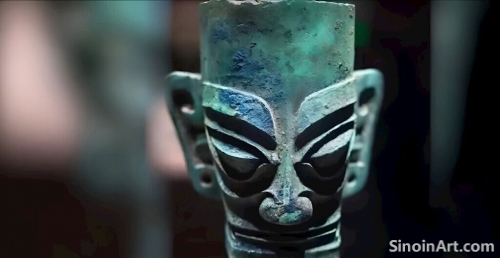 The use of bronze in these instruments was essential for creating devices that were not only accurate but also durable, withstanding the rigors of use and the passage of time. The instruments that were created during this period helped to advance the science of astronomy and to further illuminate the mysteries of the cosmos. The long lasting and accurate instruments helped to shape and influence scientific practices for centuries to come. |
Tag : bronze astronomical tools, Chinese instruments, scientific methods, time measurement, celestial observation
Related information
- The Significance of Jade Inlays on Bronze: Combining Materials and Symbolic Meanings
- The Archaeological Significance of Chinese Bronze Ware: Discoveries and Insights
- The Evolution of Bronze Bell Design in China: From Simple Forms to Complex Chimes
- Bronze Ware and the Development of Ancient Chinese Metallurgy: Innovations and Techniques
- The Use of Bronze in Ancient Chinese Transportation: Chariot Decoration and the Display of Power
This article explores the significance of jade inlays on Chinese bronze ware, highlighting the symbolic meanings of both materials, the skill required for their combination, and the visual dialogue that is created between the bronze and the jade in these artworks.
This article explores the archaeological significance of Chinese bronze ware, highlighting the discoveries at various sites, the insights gained into ancient society, metallurgy, trade, and the overall contribution to our understanding of early China.
This article explores the evolution of bronze bell design in China, highlighting the transition from simple bells to complex bianzhong chimes, the development of tuning techniques, and their significance in both music and ritual.
This article explores the development of ancient Chinese metallurgy in relation to bronze ware production, highlighting the discovery and use of different metals, the creation of alloys, the development of casting techniques, and the technical achievements of ancient metalworkers.
This article explores the use of bronze in ancient Chinese chariot decoration, highlighting its role in communicating power and status, the visual symbolism used, and how these decorative elements enhanced both the aesthetic appeal and also the political message of these important vehicles of transport.