
To look at A Thousand Li of Rivers and Mountains is not just to see a landscape, but to understand a philosophy. The painting is deeply rooted in Taoism, which emphasizes living in harmony with the Tao (the Way). The vastness of the mountains compared to the tiny human figures illustrates the Taoist belief in the greatness of nature and the humility of man.
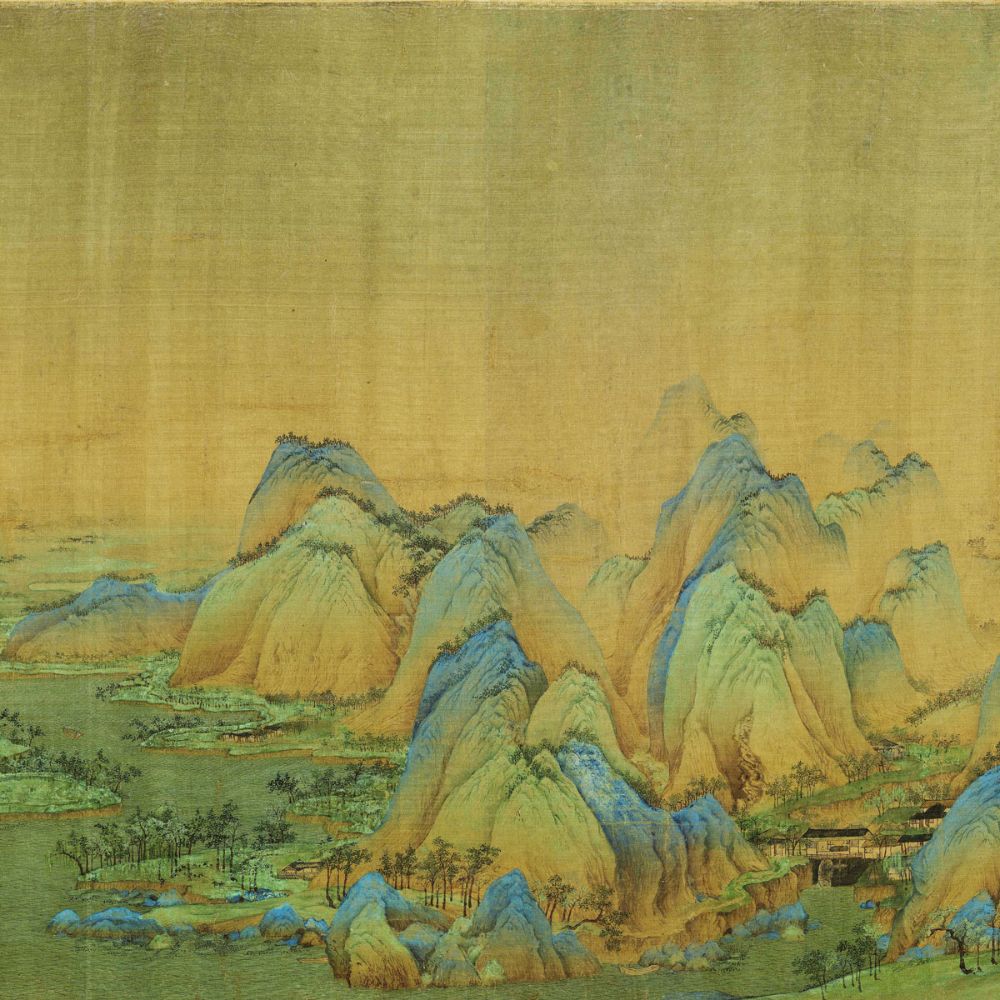
The concept of "Wo You" (Reclining Travels) is central to this work. In ancient China, scholars who could not leave their duties to visit the mountains would hang scrolls like this on their walls. They would "travel" through the painting in their minds, finding spiritual refreshment and escape from the stresses of court life.
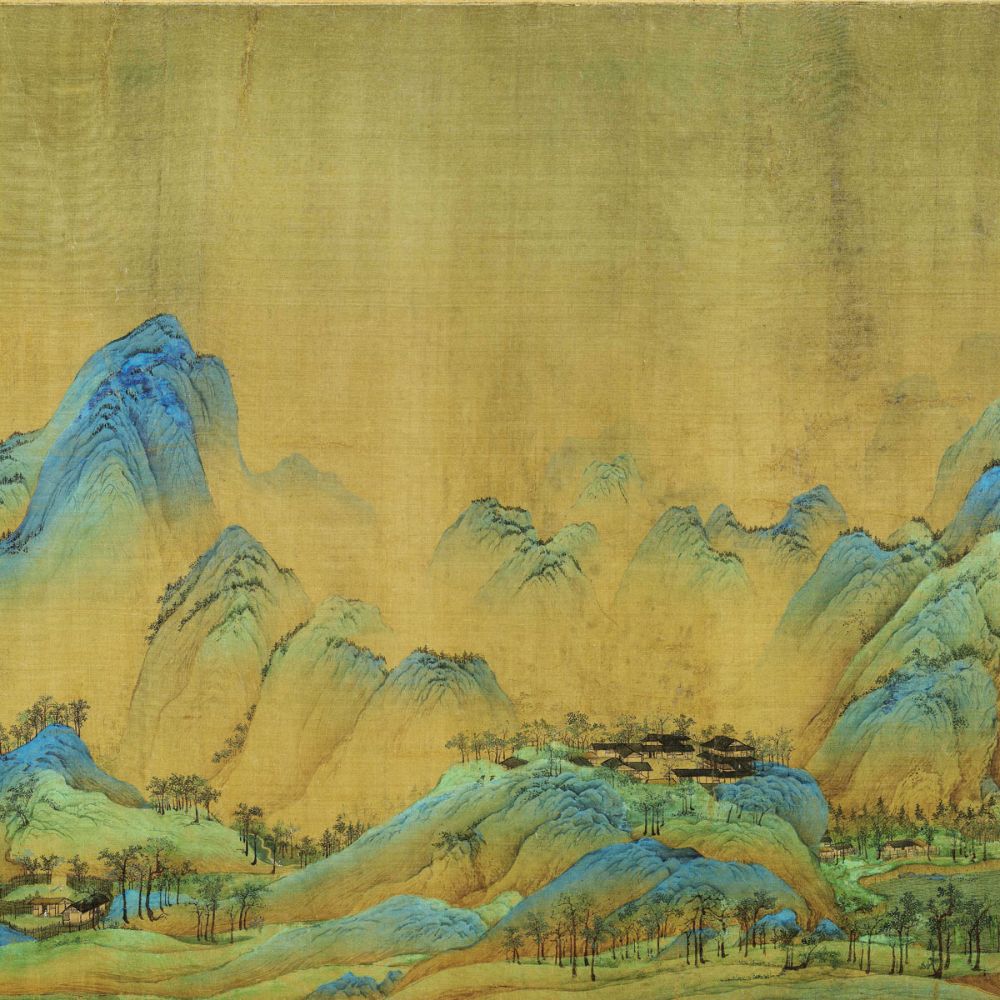
The scroll depicts a utopia—a world where humans and nature coexist perfectly. You see bridges, mills, and houses tucked into the folds of the hills, never dominating the land, but flowing with its contours. This vision of sustainable harmony is more relevant today than ever as we seek to heal our relationship with the planet.
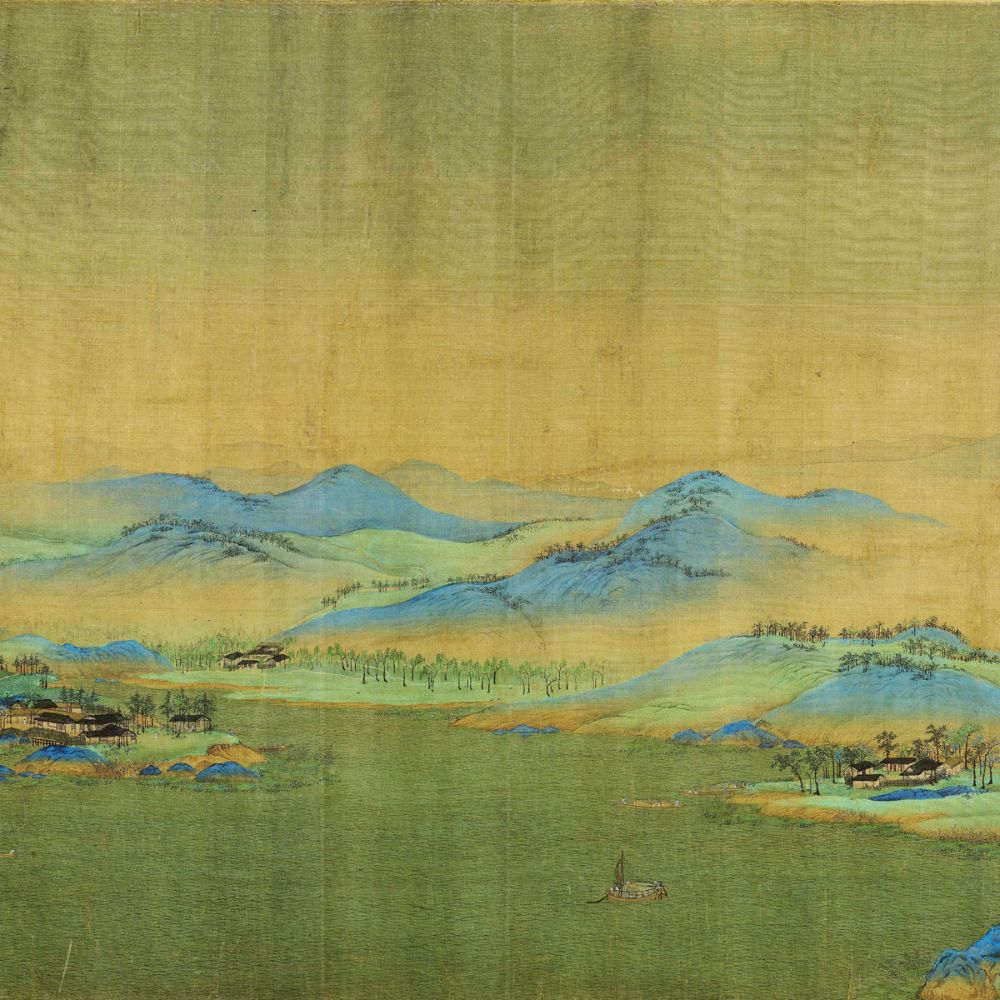
Each section of the scroll represents a different "breath" of nature. Some areas are dense and rugged, representing Yang energy, while the misty waters and open spaces represent Yin. The balance between these forces is what gives the painting its incredible sense of peace and "Qi" (life force).
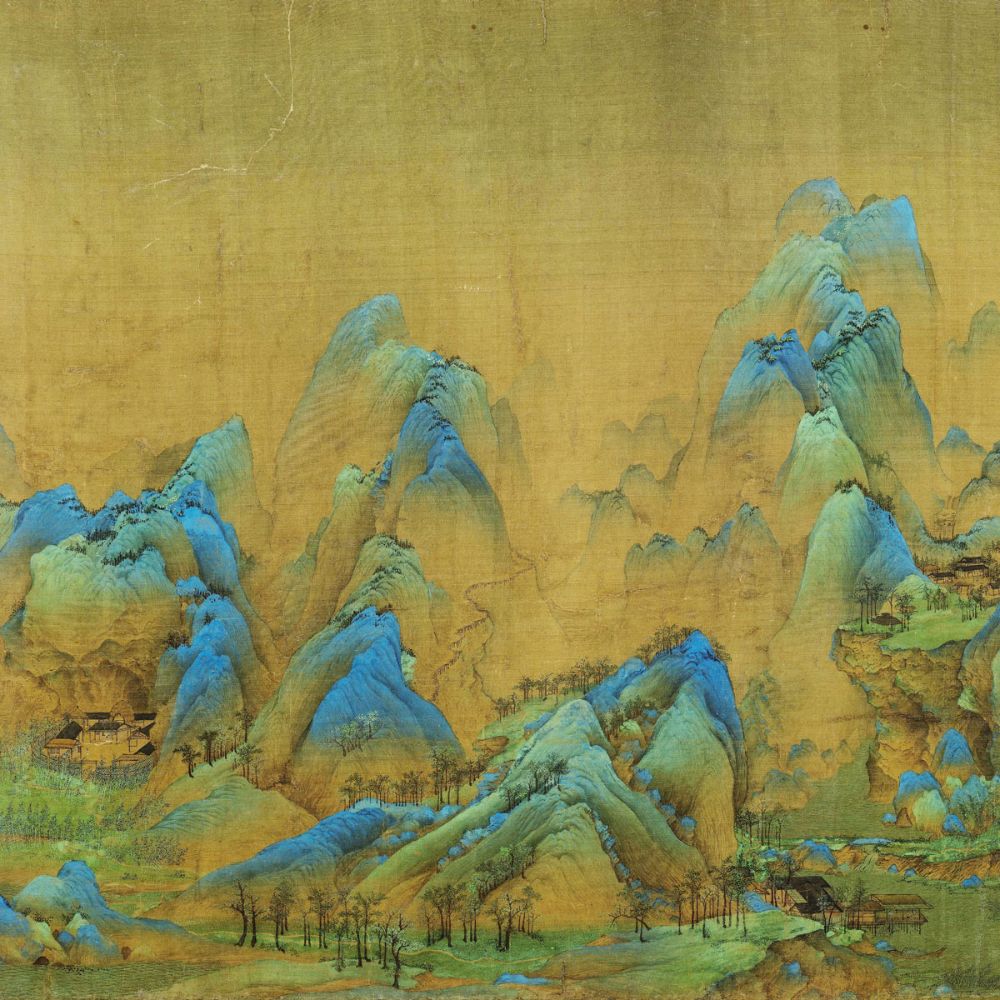
When you display a piece of this masterpiece, you are not just decorating; you are creating a space for contemplation. It serves as a daily reminder to slow down, breathe, and appreciate the vast, interconnected beauty of the world around us. It is a spiritual anchor in a fast-paced digital age.