The Significance of Studio Seals: An Introduction to Zhaiguan Yinzhang
|
Chinese studio seals, or zhāiguǎn yìnzhāng, represent a unique and captivating aspect of Chinese seal carving tradition. Unlike personal name seals which identify an individual, studio seals represent a place of work, study, or contemplation. These seals often bear the name of a studio, study, or hall, serving as a visual emblem of the owner's intellectual pursuits and artistic identity. They are deeply rooted in Chinese history and are a reflection of the value placed on personal spaces.  Historically, studio seals emerged as scholars and artists sought to establish their creative and intellectual spaces. These seals denoted not only the physical location but also the unique character and purpose of each space. As the use of studio spaces grew, so did the importance of the seals to represent them. The seals began to be incorporated into works of art and scholarship.  The design of a studio seal often reflects the owner's personality and taste. Unlike the standardized form of the name seal, the studio seal offers greater creative freedom. The designs incorporate elements of the owner's artistic or intellectual interests, with inscriptions relating to their favorite literary works, philosophical principles, or artistic aesthetics. The design is meant to reflect the overall character of the space. 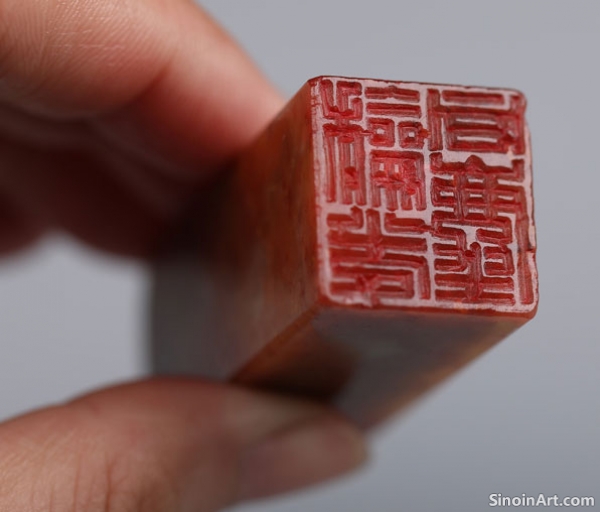 The use of studio seals is not limited to scholars and artists. Collectors of art and calligraphy also use them to mark their treasured possessions, signifying their ownership and appreciation of the works. Studio seals can also be seen on documents, correspondence, or even on items used within the studio or hall itself. The seals are used to show ownership, and also denote an artistic or scholarly taste. The craftsmanship involved in creating a studio seal is just as demanding and significant as that of any other seal. The selection of materials, the calligraphy style, and the composition are all carefully considered. The studio seal embodies the spirit of its owner and the space they have created, making these seals valuable historical and artistic records. |
Tag : Chinese Studio Seal, Zhaiguan Yinzhang, Hall Seals, Seal Carving, Seal Art
Related information
- Seal Carving in Painting and Calligraphy: A Finishing Touch
- Seal Scripts: Decoding the Calligraphy of Name Seals
- Collecting Studio Seals: Tips for Appreciating and Acquiring
- Collecting Name Seals: Understanding Value, Rarity, and Provenance
- The Significance of Red: The Vermilion Ink in Seal Impressions
This article explores the use of Chinese seals as a finishing touch in painting and calligraphy, emphasizing their role in composition, authentication, contrast, and expressing symbolic meaning.
This article explores the different script styles used in carving name seals, including seal script (篆書, zhuànshū), and how they contribute to the seal’s artistic and historical significance.
This article provides a practical guide for those interested in collecting studio seals, with advice on evaluating pieces, developing informed taste, and understanding the market for these unique art objects.
This article provides a guide to collecting Chinese name seals, discussing how to assess their value, understand their rarity, and research their provenance, with tips on how to avoid forgeries.
This article explores the significance of the color red, specifically vermilion ink, in Chinese seal carving, highlighting its symbolism of prosperity, authority, and personal identity.