
For the literati of ancient China, a landscape painting like Guan Tong’s Autumn Mountains in Evening Verdure was more than art—it was a "mental retreat." During the chaos of the Five Dynasties, many scholars fled to the mountains to escape political turmoil. For those who couldn't leave the city, these paintings allowed them to "wander while sitting" (woyou), providing a spiritual escape through visual immersion.
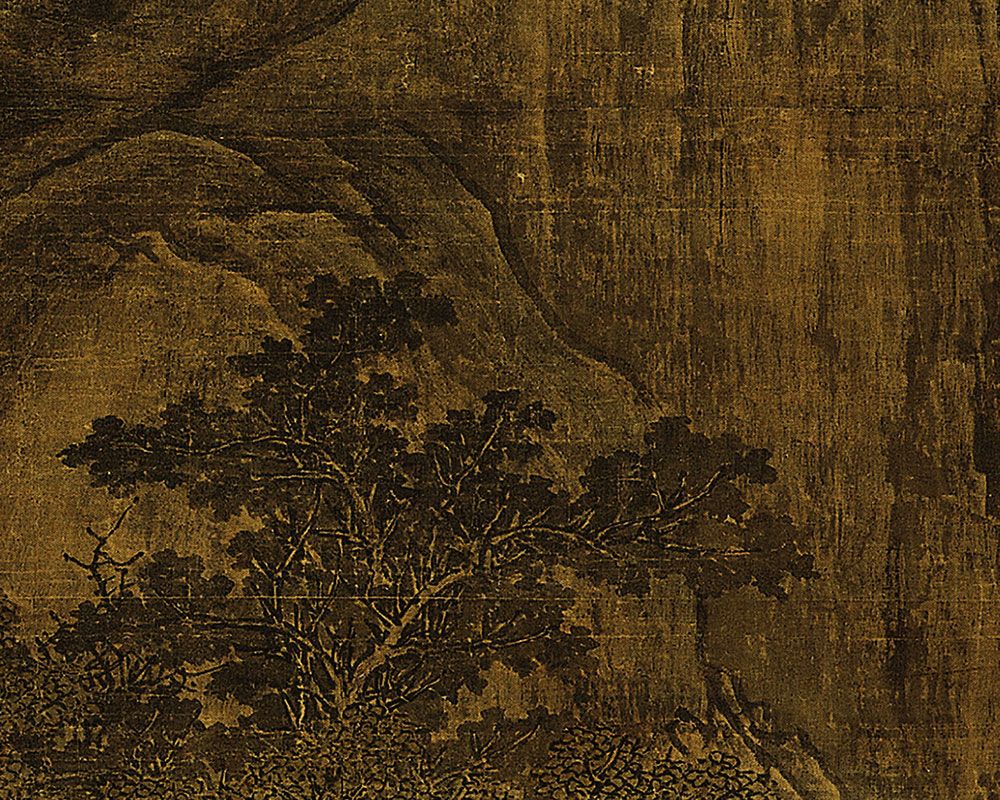
The painting is filled with the details of a hermit’s life. If you look closely at the valley below the great peak, you can see a small thatched cottage and a simple bridge. These are the markers of a life of "refined poverty," where the scholar focuses on poetry, meditation, and the study of nature. The mountain acts as a protective wall, shielding the recluse from the vanities of the world.
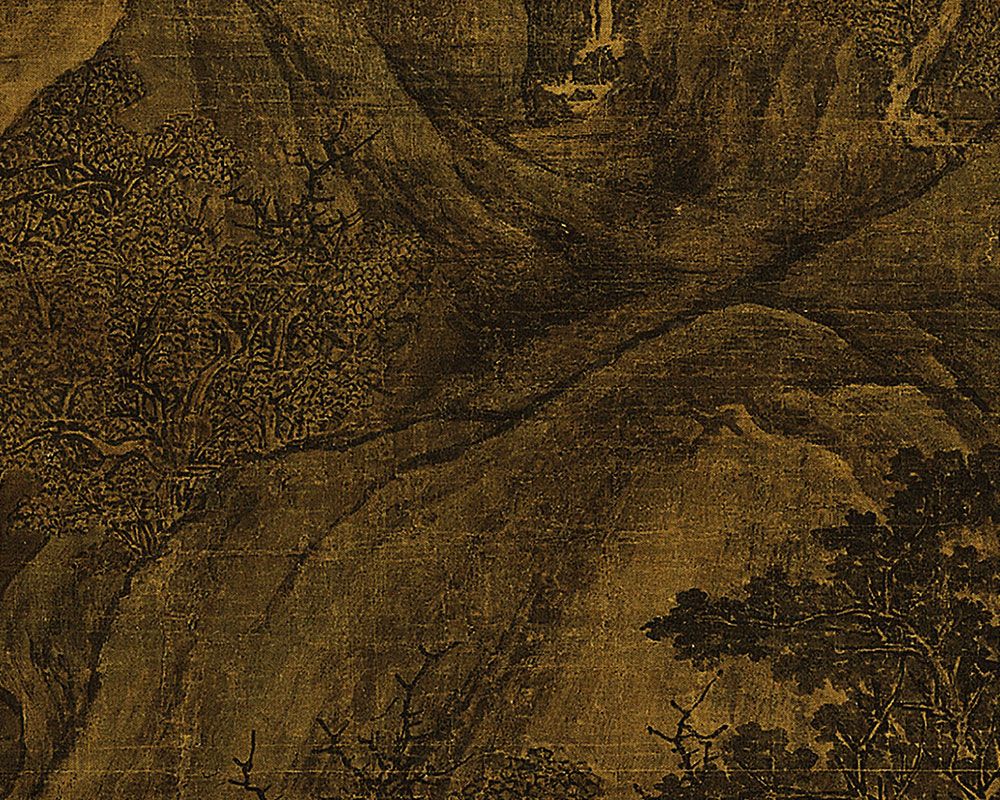
Guan Tong’s choice of the "Autumn" season is deeply symbolic. In Chinese culture, autumn represents maturity, reflection, and the turning inward of energy. The "Evening Verdure" suggests that even as the year (or a dynasty) comes to an end, there is a deep, hidden vitality that remains. It is a painting of resilience and the enduring power of the human spirit.
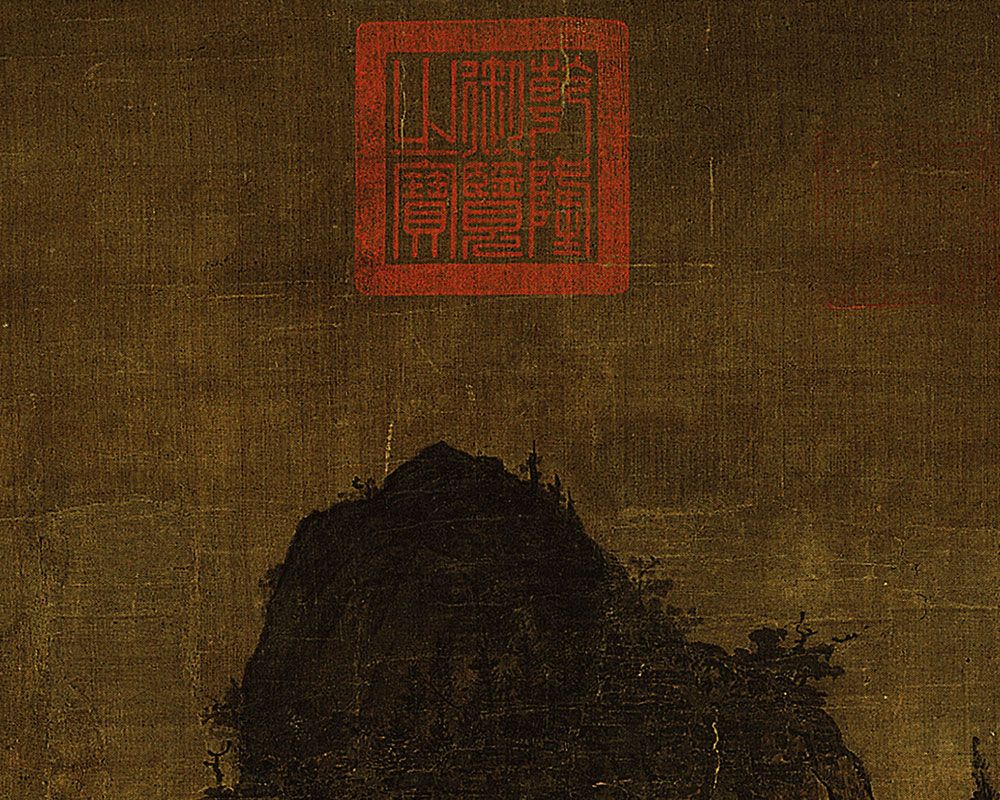
The "High Distance" composition encourages the viewer to leave their earthly concerns behind. By following the vertical path of the mountain, the mind is elevated. This "upward journey" is a metaphor for the scholar’s quest for higher truth and moral clarity. It is a visual representation of the Taoist concept of "returning to the source."
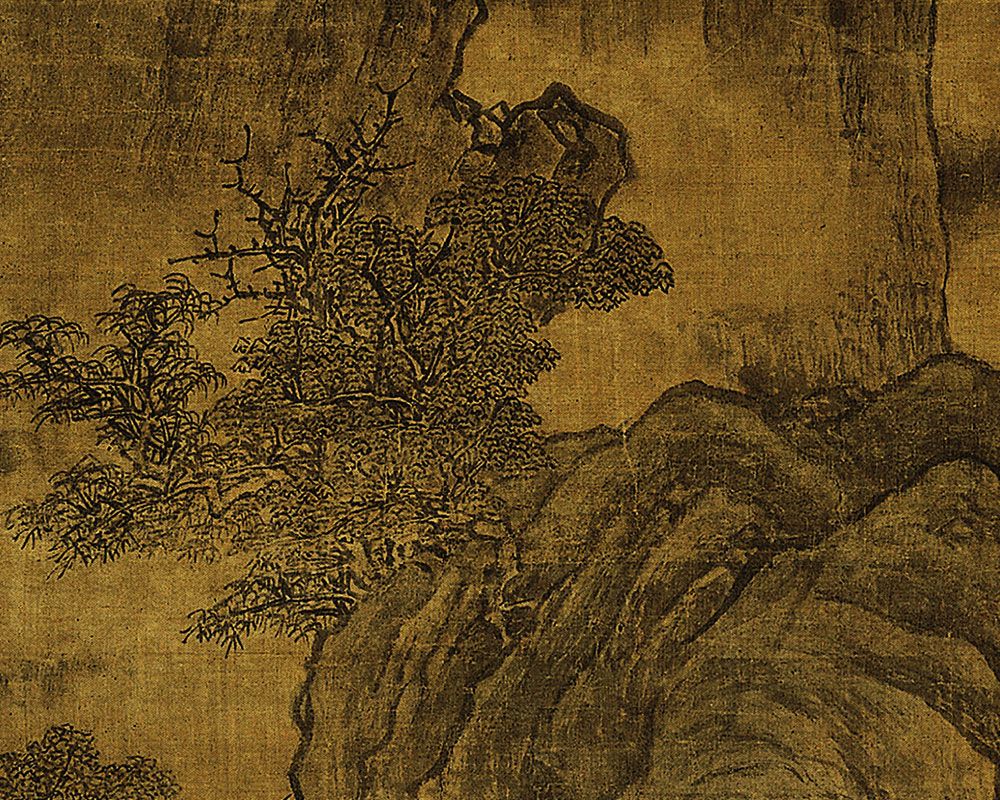
A SinoInArt 1:1 replica serves as a modern "Scholar’s Refuge." In today’s fast-paced world, having a window into Guan Tong’s silent, autumn peaks provides a daily opportunity for "Wo You" (traveling from your chair). It is an investment in mental peace and cultural heritage.