The Role of Kilns in Tang Ceramic Production
|
The advancements in kiln technology during the Tang Dynasty played a pivotal role in the transformation of Chinese ceramics. Kilns are the heart of ceramic production, and the innovations made during this period directly impacted the quality, variety, and scale of ceramic wares. Understanding Tang kilns sheds light on the technical expertise of potters and the sophisticated infrastructure that supported the flourishing ceramic industry.  Early Tang kilns were based on the designs of previous dynasties, but improvements were soon implemented. The kilns typically consisted of a firing chamber, a combustion chamber, and a chimney. The Tang Dynasty saw a trend towards larger kilns with improved draught systems. These refinements allowed for more efficient firing, higher temperatures, and more consistent results. These changes were essential for the large-scale production of high-quality ceramics like sancai and celadon. 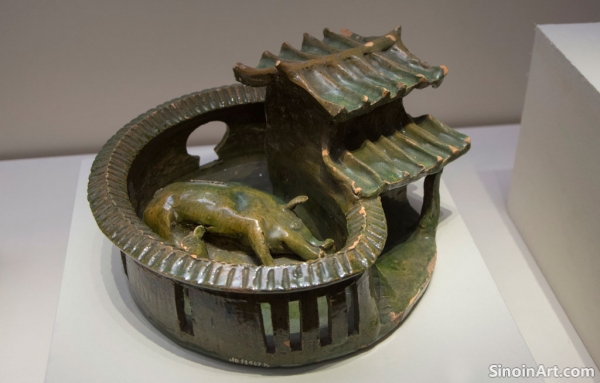 The design of Tang kilns often incorporated multiple flues to control the airflow and heat distribution. This enabled potters to achieve specific temperatures needed for different types of glazes and clays. The precise control of firing was crucial for producing the vibrant colors and smooth, consistent textures characteristic of Tang ceramics. The knowledge of firing techniques was a highly specialized skill, often passed down through generations of pottery families. 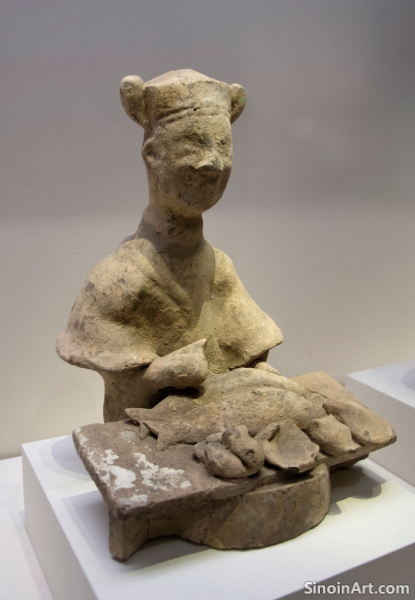 The location of Tang kiln sites was strategically chosen, often near sources of raw materials like clay and wood fuel. Many Tang kiln sites have been excavated, revealing a wealth of information about the types of kilns used, the tools and equipment employed, and the ceramic wares produced. The archaeological evidence from these sites provides invaluable insights into the daily life of Tang potters and the scale of production. The legacy of Tang kiln technology is significant. The improvements made during this period laid the foundation for future advances in ceramic production in China and beyond. The techniques developed by Tang potters were instrumental in the creation of some of the most iconic and enduring works of Chinese art, underscoring the central importance of kiln technology in the history of ceramics. |
Tag : Tang Dynasty kilns, Chinese ceramic production, ancient kiln technology, pottery firing techniques, Chinese archaeological sites
Related information
- The Economic Importance of Tang Ceramic Production
- Collecting and Appreciating Tang Ceramics Today
- Tang Dynasty Tomb Figures: A Window into the Past
- Tang Ceramics and Foreign Trade
- The Dawn of Celadon Splendor
Tang Dynasty ceramic production was economically significant, providing employment, fostering trade both domestically and internationally, and contributing significantly to the empire’s wealth, thereby stimulating economic growth.
Tang Dynasty ceramics are highly valued by collectors and museums for their historical significance, artistic beauty, and technical innovation, requiring a detailed understanding for informed collecting and appreciation of these important cultural artifacts.
Tang Dynasty tomb figures, often decorated with sancai glazes, provide insights into the era's daily life, fashion, and beliefs, depicting court ladies, officials, soldiers, and animals, reflecting detailed craftsmanship and vibrant artistry.
The Tang Dynasty's open trade policies and the prominence of the Silk Road facilitated the widespread distribution of Tang ceramics to foreign lands. These ceramic wares, renowned for their beauty and quality, became valuable commodities in international trade, bringing Tang artistry and craftsmanship to distant corners of the world. The impact of this trade was significant, not only economically but also culturally.
The Tang Dynasty (618-907 AD) represents a crucial period in the history of Chinese ceramics, particularly in the development and refinement of celadon wares. While not as dramatically innovative as the later Song dynasty, the Tang era saw a significant leap in kiln technology, material preparation, and artistic understanding that laid the groundwork for future ceramic masterpieces. Celadon, with its subtle green hues reminiscent of jade, enjoyed immense popularity, favored by both the imperial court and the burgeoning merchant class. Tang celadon wasn't just about mimicking jade; it was about capturing the essence of natural beauty and the philosophical ideals of the time.