The Role of Kilns and Production Centers in Yuan Ceramics
|
The Yuan Dynasty saw significant developments in kiln technology and the expansion of ceramic production centers. Jingdezhen emerged as the dominant center for porcelain production. The importance of the kilns cannot be overstated in the development of the ceramic arts.  The imperial kilns at Jingdezhen were responsible for producing the highest quality porcelain for the imperial court. The kilns here were on the cutting edge of technological innovation and production methods. The organization of the kilns was a marvel of its time. 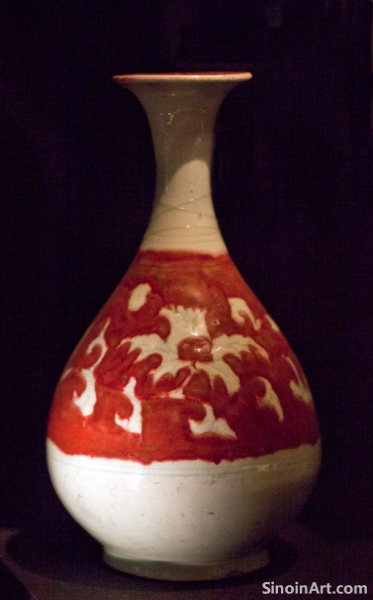 Other important production centers included Longquan, which specialized in celadon, and Cizhou, which produced rustic earthenware. Each region developed its own specific and distinctive styles of pottery production. The ceramics production of China during the Yuan was highly diverse.  The technology of kiln construction and firing techniques was advanced during this period. Yuan potters developed new techniques to control temperatures and to achieve specific glaze effects. The skills of the kilns were vital to the ceramic revolution of the period. The kilns of the Yuan Dynasty were not simply workshops; they were also centers of innovation and artistic expression. The scale and technological advancement of these kilns is a testament to the skill of the time. They are vital to understanding the scale of ceramic production. |
Tag : Yuan Dynasty kilns, Jingdezhen kilns, Longquan kilns, Ceramic production centers, Chinese pottery
Related information
- Exploring the Regional Variations in Yuan Dynasty Porcelain Production
- Beyond Blue and White: Exploring Other Glazes and Techniques of Yuan Dynasty Porcelain
- Understanding the Rarity and Value of Yuan Dynasty Porcelain
- Yuan Dynasty Porcelain and its Depiction in Contemporary Popular Culture
- Understanding the Motifs and Symbolism in Yuan Dynasty Porcelain Decoration
This article delves into the regional variations in Yuan Dynasty porcelain production beyond Jingdezhen, exploring the characteristics of celadon wares from Fujian and Zhejiang, and the distinct styles of white and blue and white wares from northern kilns.
This article goes beyond blue and white, exploring other glazes and techniques used in Yuan Dynasty porcelain, including monochrome glazes, copper red, and various decorative methods.
This article explains the rarity and high value of Yuan Dynasty porcelain by highlighting factors such as the short duration of the dynasty, technical difficulties in production, and its significant historical and cultural importance.
This article explores the depiction of Yuan Dynasty porcelain in contemporary popular culture, examining its presence in films, television, literature, and video games, which reveals its enduring appeal and its ongoing influence in visual and narrative media.
This article explores the symbolism and cultural meanings behind the decorative motifs found on Yuan Dynasty porcelain, such as floral, animal, geometric, and figural designs, offering a deeper understanding of the era's culture.