The Role of Bronze in Ancient Chinese Warfare: Strategies and Weapons
|
Bronze played a central role in ancient Chinese warfare, providing the material for powerful weapons that shaped the military strategies and outcomes of conflicts during the Shang and Zhou dynasties. The use of bronze weapons, armor, and fittings highlights the technological and military aspects of the era. Bronze was a key element of ancient Chinese military might. 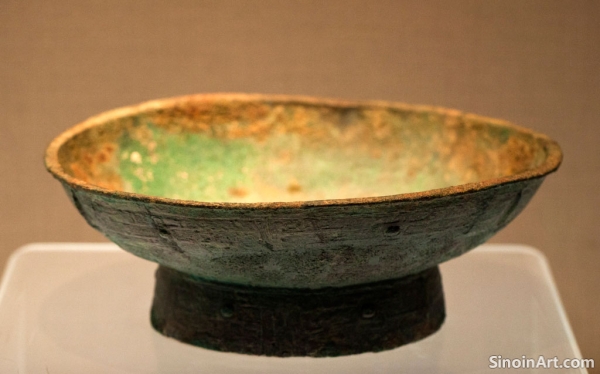 Bronze weapons, including ge (戈) daggers, jian (剑) swords, and mao (矛) spears, were the primary tools of combat, along with axes and halberds. The use of such weapons made a decisive difference in battles of the era. The weapons employed were a testament to the power and skill of the metalworkers who produced them. 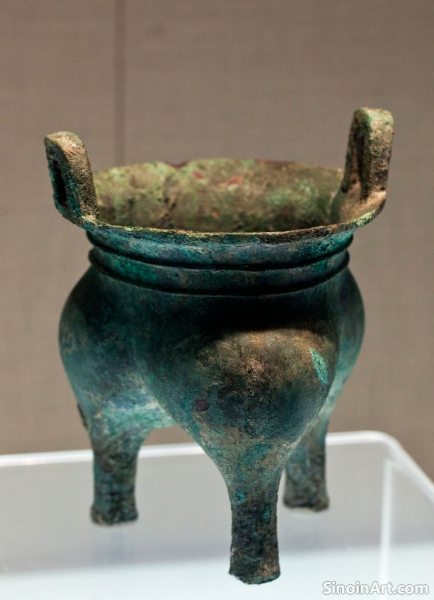 Bronze was also used to create protective armor for warriors, including helmet pieces and body armor, offering vital defense on the battlefield. The use of bronze in armor was a testament to the material’s toughness and durability. The armor was often made of small, carefully crafted pieces that allowed for freedom of movement. 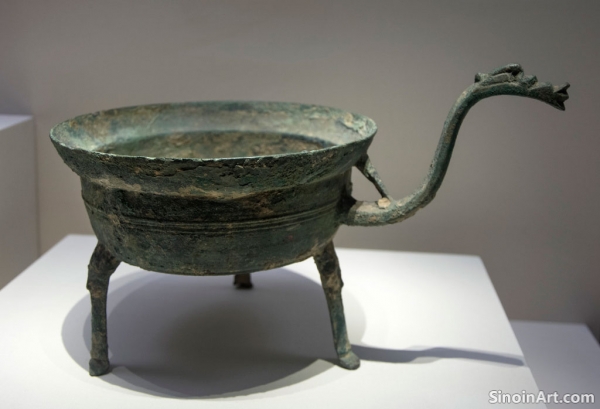 Bronze was also used in fittings for chariots, including axle caps, wheel hubs, and decorative pieces, playing an important role in the war machinery of the ancient world. The integration of bronze into chariots made them both more effective and more aesthetically appealing. The use of bronze in ancient Chinese warfare helped shape the course of history. The legacy of bronze in ancient Chinese warfare reflects the technological and military power of the Shang and Zhou dynasties, demonstrating how important this material was in determining the course of history. The study of these weapons provides valuable insight into the military history of the era. The weapons are a testament to the military skill of the time. |
Tag : Chinese bronze warfare, bronze weapons, ancient military tactics, Shang Dynasty armies, Zhou Dynasty warfare
Related information
- The Preservation of Bronze Ware Collections: Challenges, Strategies, and Long-Term Care
- Bronze Ware and the Development of Ancient Chinese Calendar Systems: Marking Time and Ritual Cycles
- Bronze Ware and the Representation of Power in Ancient Chinese Royal Tombs: Scale, Detail, and Symbolism
- Bronze Ware and the Development of Ancient Chinese Cartography: Surveying Tools and Geographic Understanding
- The Influence of Tang Dynasty Culture on the Design and Decoration of Bronze Ware
This article explores the challenges and strategies involved in preserving bronze ware collections, highlighting the importance of conservation, specialized techniques, environmental controls, and museums as stewards of these cultural treasures.
This article explores the use of bronze in ancient Chinese calendar systems, highlighting its role in creating timekeeping devices like sundials, tracking the passage of time, and linking calendars to both agricultural and ritual cycles.
This article explores the use of bronze ware in ancient Chinese royal tombs, highlighting its role in conveying power and wealth, its use of scale and detail, its symbolic designs, and how these objects were intended to ensure the continued recognition of the deceased in the afterlife.
This article explores the use of bronze in ancient Chinese cartography, highlighting its role in creating surveying tools, mapping instruments, and its connection to the accurate measurement and mapping of the ancient landscape.
This article explores the influence of Tang Dynasty culture on bronze ware, highlighting new forms, decorative techniques, and their shift toward more refined and elegant designs that reflect the style of the period, and its focus on elegance and beauty.