
The story of Bada Shanren, born Zhu Da, is one of the most poignant in Chinese art history. As a direct descendant of the Ming imperial family, his world was upended when the dynasty fell in 1644. To escape the ensuing purges, he fled into the mountains, eventually becoming a monk and a painter. Cat and Rock is a window into the soul of this "fallen prince," reflecting a life defined by loss and spiritual resistance.
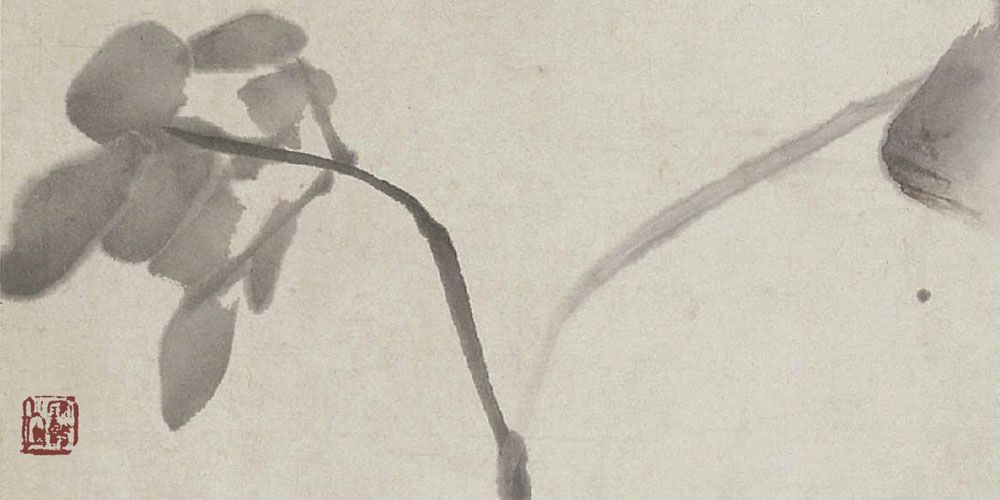
In Cat and Rock, Bada Shanren strips away the ornate decorations of courtly art to embrace a radical simplicity. The painting is famous for its "white-eyed" cat, a motif that has come to represent the artist’s own disdain for the new world order. The cat hunches atop a rock, its eyes turned upward in a silent, stubborn glare that challenges the viewer and history itself.
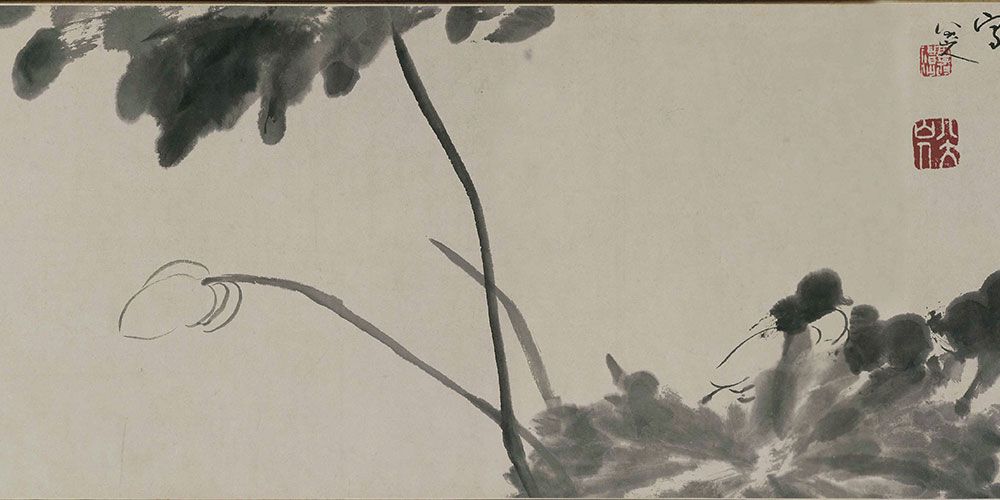
The rock in the painting is equally symbolic. It is top-heavy and appears precariously balanced, a metaphor for the instability of the era. By placing the cat on such a fragile foundation, Bada Shanren illustrates the precarious nature of existence for a Ming loyalist living under Qing rule. Every stroke of the brush is heavy with the weight of political and personal turmoil.
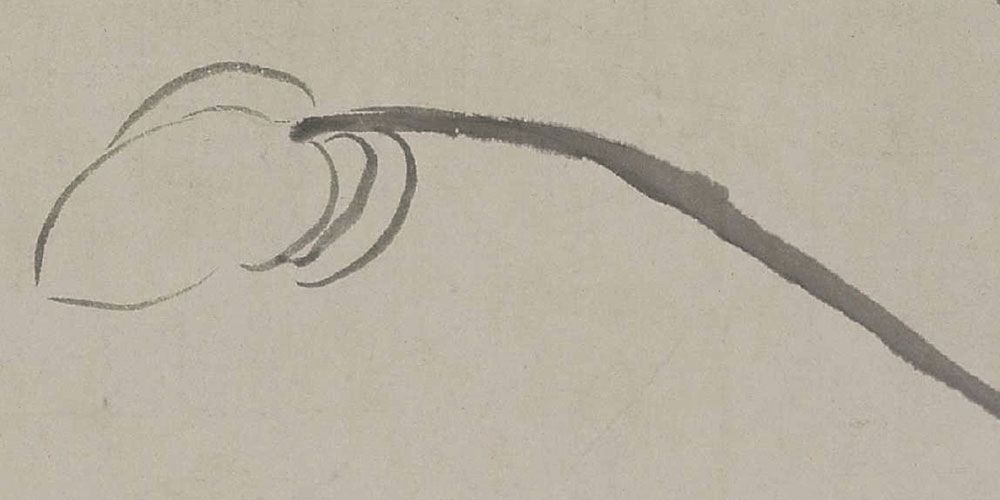
Technically, the work is a masterpiece of the "Xieyi" (Freehand) style. Bada uses a minimum of brushstrokes to achieve maximum emotional impact. The deep, charred ink of the cat’s fur contrasts with the dry, scratchy lines of the rock, creating a visual tension that mirrors the artist's internal conflict. It is a work that values the "spirit" over mere likeness.
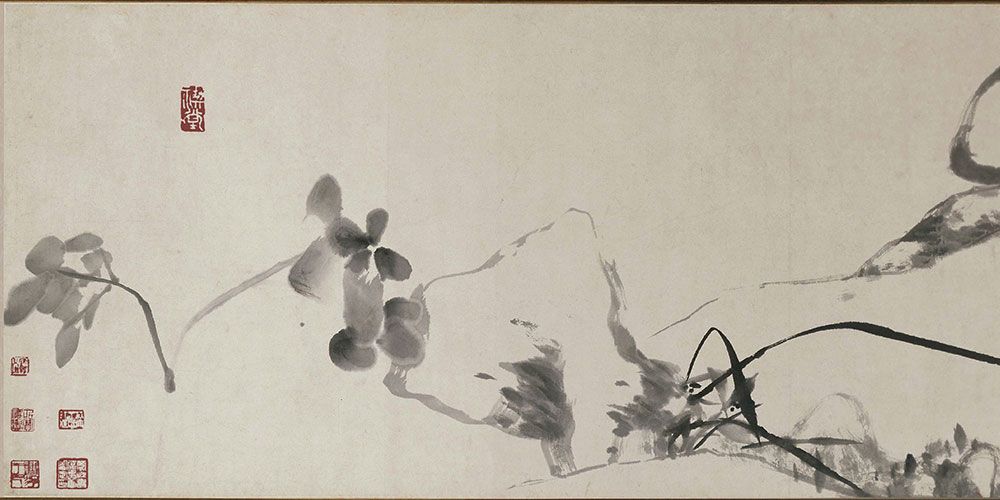
Today, Cat and Rock is considered a pinnacle of individualist painting. Owning a 1:1 museum-quality replica allows art lovers to bring this narrative of resilience into their own homes. SinoInArt’s reproduction, mounted on authentic Suzhou Yun Brocade, preserves the dignity and profound silence of this imperial refugee’s masterpiece.