The Materials of Gongbi: A Palette of Tradition
|
The tools and materials used in Gongbi painting are not just functional; they are an integral part of the tradition and artistry. Each component, from the brush to the pigment, has been carefully chosen and refined over centuries to enhance the delicate nature and intricate detail that defines this style. Understanding these materials is essential for appreciating the nuances and subtleties of Gongbi art. The selection of materials is as crucial as the artist’s skill in creating a masterful artwork. 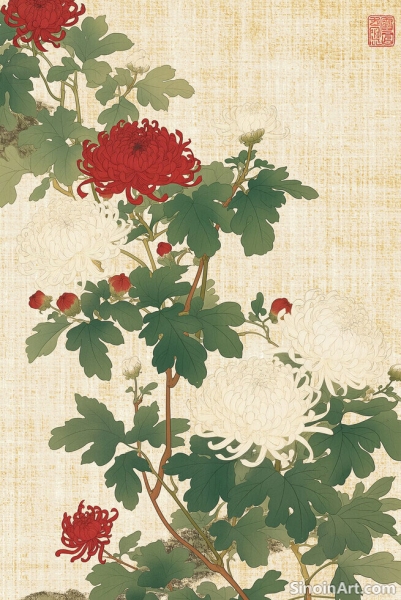 The brushes used in Gongbi painting are quite distinct from those used in Western art forms. They are typically made from natural animal hair, often a blend of wolf and goat hair, and come in various sizes and shapes, each designed for a specific purpose. Finer brushes are used for outlining and detailed work, while slightly larger ones are used for applying color washes. The brushes are delicate and require careful handling to maintain their shape and prevent damage. The artist will often have a collection of brushes, each used for different stages of painting. 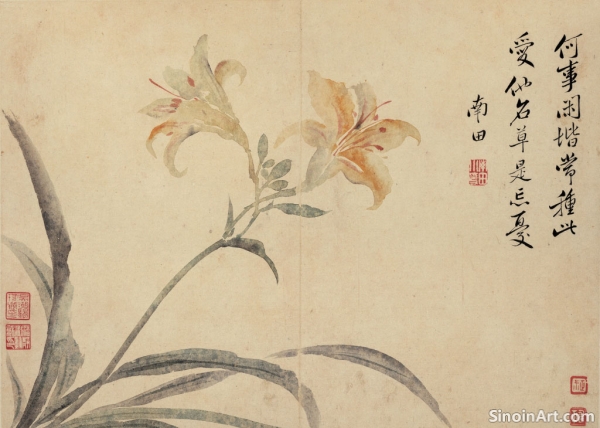 Silk and xuan paper are the two primary surfaces used in Gongbi painting. Silk offers a smooth, luminous surface that enhances the vibrancy of the mineral pigments. It also allows for a certain level of transparency, which contributes to the layered effect characteristic of Gongbi paintings. Xuan paper, made from the bark of the sandalwood tree, is prized for its absorbent qualities, allowing the color washes to be applied more quickly and evenly. The choice of surface often depends on the artist's preference and the intended effect of the artwork. 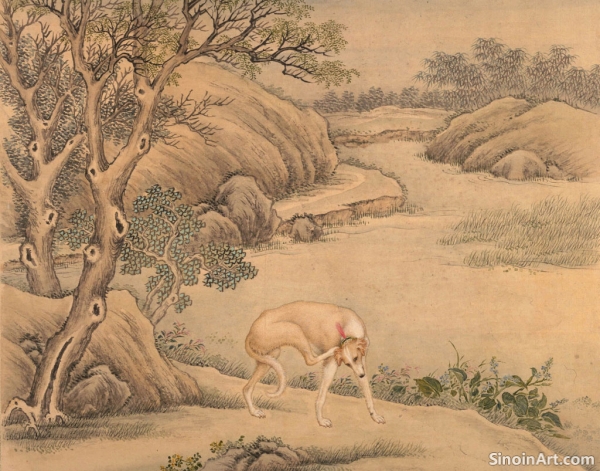 The pigments used in Gongbi painting are primarily mineral-based, ground from natural sources such as jade, malachite, and lapis lazuli. These pigments are not only vibrant and durable but also have a unique quality that gives a luminous and slightly translucent appearance to the colors. Unlike synthetic dyes, mineral pigments have a more subtle, earthy tone that complements the delicate nature of the painting style. The pigments are mixed with water and a binder (such as gelatin) to create the paints, a process requiring patience and precision. Other essential materials for Gongbi painting include ink, usually made from soot and glue; inkstones for grinding the ink sticks; water pots for mixing colors; and a palette for holding the paints. Each material is carefully selected and maintained, as they directly impact the quality of the artwork. The artist's workspace is often carefully organized, reflecting the precision and meticulous nature of Gongbi painting. In essence, the materials used in Gongbi painting are not simply tools; they are partners in the artistic process. They contribute to the unique aesthetics and longevity of this traditional art form, embodying a heritage of craftsmanship and dedication. The selection and preparation of materials often are a process in themselves, requiring skills passed down through generations. |
Tag : Gongbi Painting Materials, Chinese Brush Painting, Mineral Pigments, Xuan Paper, Silk Painting
Related information
- Gongbi and the Use of Calligraphy in Composition
- Gongbi Painting and the Use of Light and Shadow
- Famous Gongbi Artists: Masters of the Meticulous Brush
- Gongbi and Personal Expression: The Artist's Voice
- The Exquisite World of Gongbi: A Detailed Introduction
This article explores the integration of calligraphy into Gongbi painting, highlighting how it balances the composition, adds context, provides literary depth, and enhances the overall aesthetic and cultural significance of the artwork.
This article explores the subtle but skillful use of light and shadow in Gongbi painting, highlighting the use of color gradations, brushstrokes, and how these techniques contribute to creating a sense of depth, volume, atmosphere, and enhance the overall impact of the artwork.
This article highlights the contributions of famous Gongbi artists throughout history, including Emperor Huizong, Li Tang, Qiu Ying, and Chen Hongshou, discussing their unique styles and influence on the tradition.
This article focuses on Gongbi painting as a vehicle for personal expression, highlighting how artists use choices in subject matter, color, composition, and overall tone to convey their unique perspectives and artistic visions within the traditional art form.
A comprehensive introduction to Gongbi painting, highlighting its detailed nature, historical significance, common subjects, and continued relevance.