
The Qing Dynasty was a period of immense cultural exchange, and no work represents this better than Giuseppe Castiglione’s Golden Pheasants in Spring. Known in China as Lang Shining, the Italian Jesuit missionary became a favorite of the Qianlong Emperor, blending European techniques with Chinese traditions. This hanging scroll is a breathtaking testament to his unique "New Court Style."
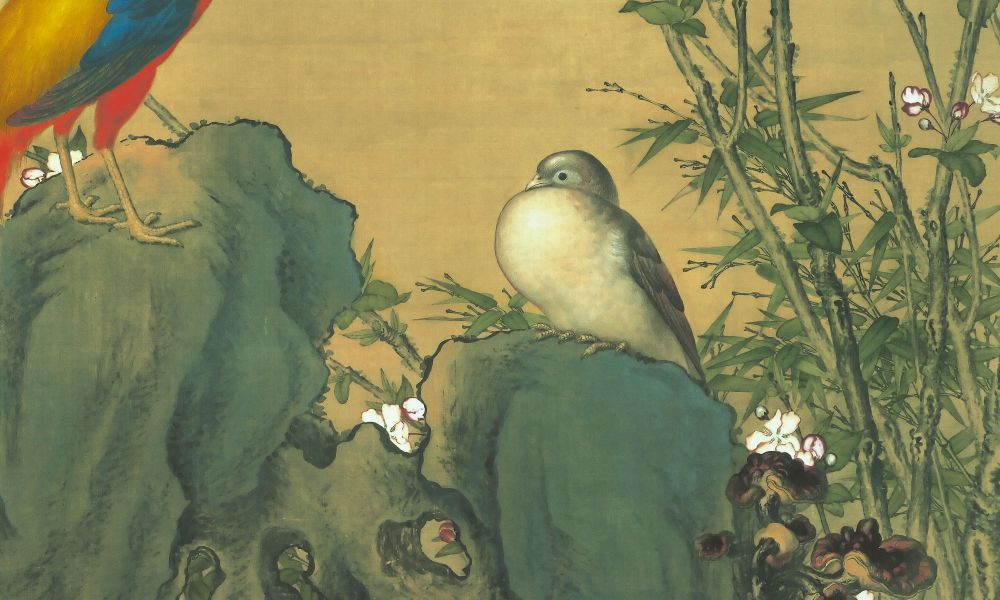
At first glance, the viewer is struck by the vibrant colors of two golden pheasants perched upon a rugged rock. The meticulous detail in their feathers—ranging from fiery crimsons to metallic golds—showcases Castiglione’s mastery of light and shadow. Surrounding these birds are lush peonies and delicate blossoms, creating a scene that feels both ethereal and startlingly real.
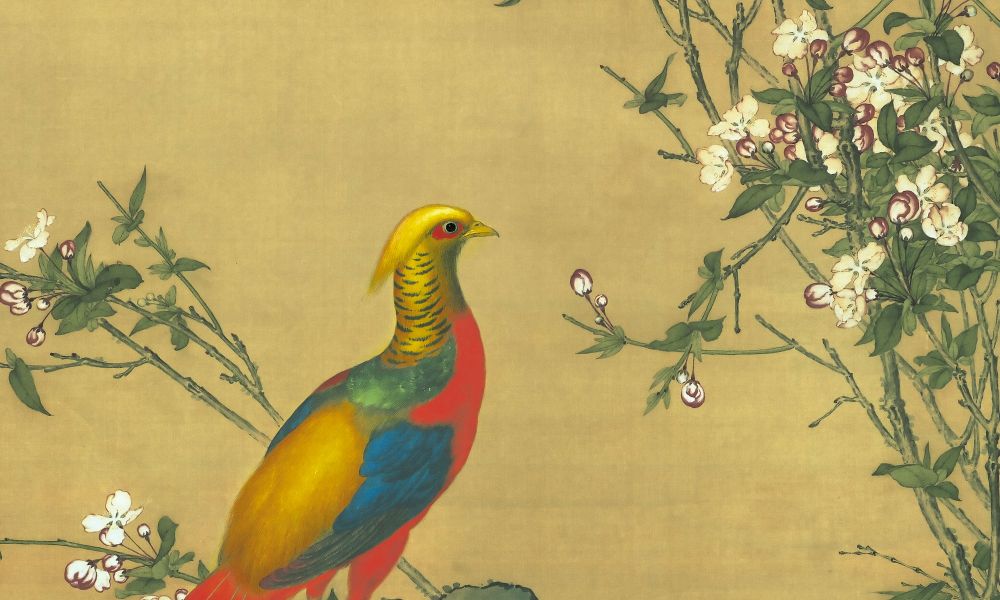
What makes this painting truly remarkable is the technical synthesis. While the subject matter and materials (ink and silk) are quintessentially Chinese, the use of chiaroscuro to create three-dimensional volume is purely Western. This bridge between two worlds allowed the Qing court to see their flora and fauna in a literal "new light."
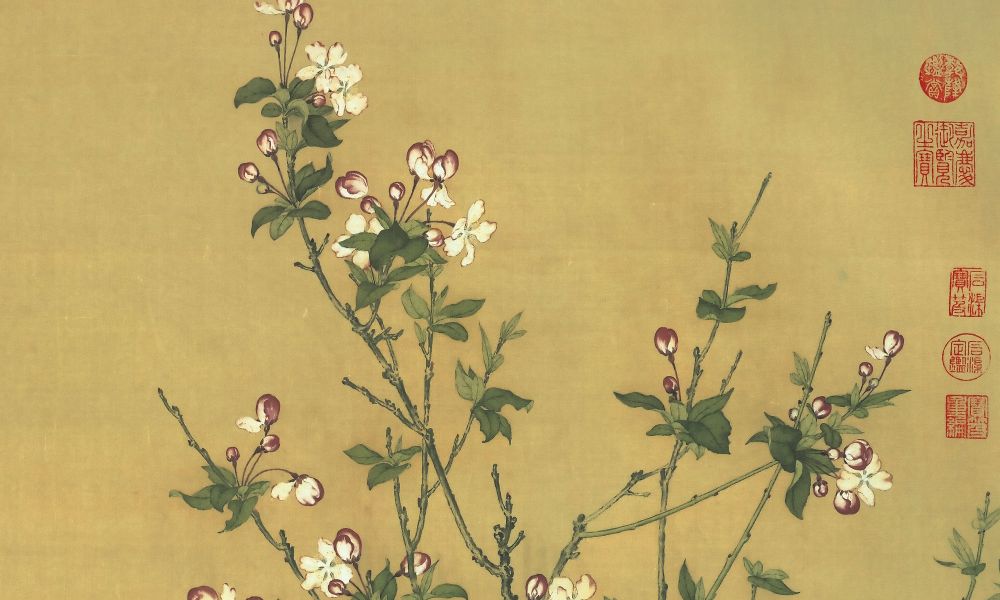
Beyond its beauty, the painting is steeped in symbolism. In Chinese culture, the golden pheasant represents refinement and authority, while the peony signifies wealth and honor. Together, they form a visual prayer for a "Brocade-like Spring"—a future filled with prosperity and brightness. It is no wonder this piece remains a crown jewel of the National Palace Museum.

Today, Golden Pheasants in Spring continues to inspire art lovers and historians alike. It serves as a reminder that when different cultures meet with mutual respect, the result can be a timeless masterpiece that transcends borders and centuries.