The Impact of Yuan Dynasty Ceramics on Later Periods
|
The ceramic production of the Yuan Dynasty had a profound and lasting impact on later periods in Chinese history. The innovations and styles developed during this time would become foundational for ceramic production in the Ming and Qing Dynasties. The legacy of the Yuan is evident in many later ceramic developments. 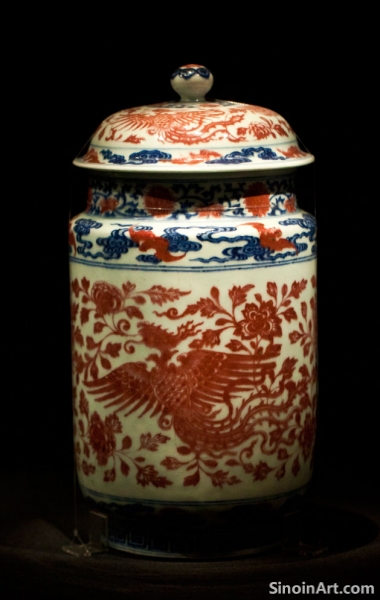 The development of blue and white porcelain during the Yuan period laid the groundwork for its continued prominence in later dynasties. The blue and white of the Ming and Qing can be traced directly to the innovations of the Yuan. The style became increasingly refined and popular through these periods. 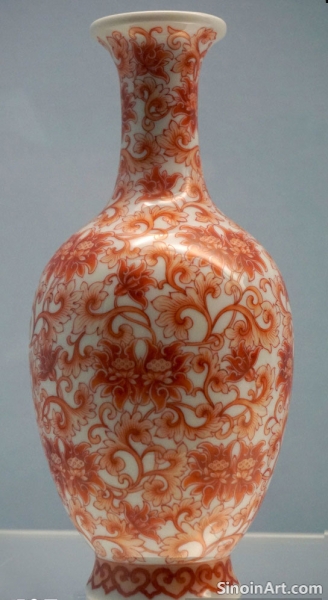 The mastery of the cobalt underglaze technique during the Yuan Dynasty established standards for technical expertise that would continue to influence ceramic production for centuries. This is a demonstration of how one period can influence the periods that follow. Yuan techniques set the standard. 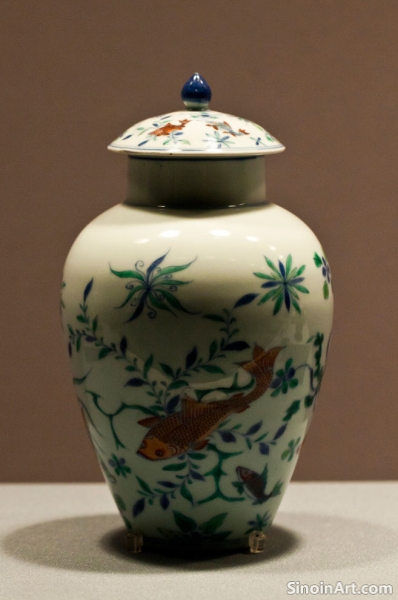 The decorative motifs and styles seen in Yuan ceramics also influenced later artistic styles. Many designs and artistic choices can be traced directly to the Yuan period. Yuan ceramics were instrumental in establishing many of the key motifs used in later Chinese art. The legacy of the Yuan Dynasty in Chinese ceramics is not just a matter of technical innovation; it is also about the transmission of artistic and cultural values. The Yuan period fundamentally changed the direction of Chinese ceramics, and many of those changes are still with us today. |
Tag : Yuan ceramic legacy, Ming Dynasty ceramics, Qing Dynasty ceramics, Blue and white influence, Chinese ceramic history
Related information
- The Role of Minorities in Yuan Dynasty Porcelain Production and Trade
- The Use of Yuan Dynasty Porcelain in Religious Practices and Rituals
- The Economics of Yuan Dynasty Porcelain Production and Distribution
- Understanding the Motifs and Symbolism in Yuan Dynasty Porcelain Decoration
- Beyond Blue and White: Other Yuan Ceramic Styles
This article explores the often overlooked role of minority groups in the production and trade of Yuan Dynasty porcelain, acknowledging their likely contributions to various stages of the process and their influence on the diverse cultural landscape of the period.
This article delves into the use of Yuan Dynasty porcelain in religious practices and rituals, exploring how its specific forms and decorative motifs were employed in temples, shrines, and other sacred spaces, highlighting its role as more than just functional object but as artifacts imbued with spiritual meaning.
This article explores the economic aspects of Yuan Dynasty porcelain production and distribution, detailing the large-scale operations at Jingdezhen, the extensive trade networks, and the economic impact of porcelain on the Yuan Dynasty.
This article explores the symbolism and cultural meanings behind the decorative motifs found on Yuan Dynasty porcelain, such as floral, animal, geometric, and figural designs, offering a deeper understanding of the era's culture.
Beyond blue and white, the Yuan Dynasty also produced diverse ceramic styles like Shufu ware, Cizhou ware, and Longquan celadon, demonstrating the breadth of creative output and technical expertise during the era.