The Grand Scale of Yuan Dynasty Porcelain
|
One of the defining characteristics of Yuan Dynasty ceramics is their large scale. Many pieces, particularly those produced for export or for use in large public settings, were made in impressive sizes that were much larger than those of the preceding Song Dynasty. The larger pieces show a different approach to production and a change in aesthetic sensibility.  Yuan vases, dishes, and jars often stand out for their imposing dimensions, sometimes reaching heights of several feet, and these larger pieces were created to make a statement, and were designed to catch the eye of patrons and collectors.  The increased size of Yuan ceramics reflects both the technical advancements that were made during the period and the changing tastes and preferences of both domestic and international markets. The ability to create such large pieces is a testament to the skills of the Tang potters who created them. 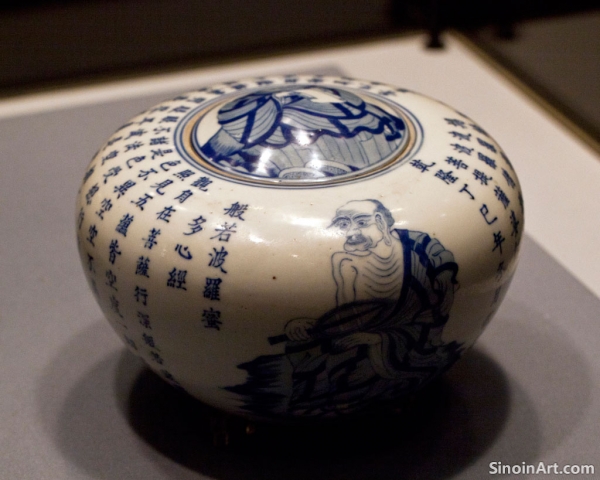 The use of bold, elaborate designs on large Yuan ceramics, such as scrolling floral patterns and dynamic representations of mythological creatures, emphasized the grandeur of the pieces. These massive pieces made a bold visual statement through their scale and their decoration. The grand scale of Yuan ceramics is a testament to the technical skill and artistic vision of potters during this period and the changing artistic sensibilities that were prevalent at the time. These larger pieces were highly popular both within China and also in many international markets. |
Tag : Yuan porcelain size, large Chinese ceramics, Yuan Dynasty art, massive pottery, scale in ceramics
Related information
- The Use of Yuan Dynasty Porcelain in Religious Practices and Rituals
- Yuan Dynasty Porcelain as a Reflection of Mongol Rule and Identity
- The Significance of Yuan Dynasty Porcelain in Chinese Art History
- The Preservation of Yuan Dynasty Porcelain in a Global Context: Challenges and Collaborations
- The Ethical Considerations in Collecting Yuan Dynasty Porcelain
This article delves into the use of Yuan Dynasty porcelain in religious practices and rituals, exploring how its specific forms and decorative motifs were employed in temples, shrines, and other sacred spaces, highlighting its role as more than just functional object but as artifacts imbued with spiritual meaning.
This article analyzes Yuan Dynasty porcelain as a reflection of Mongol rule and identity, exploring how the blending of Chinese and Mongol cultural elements shaped the forms, designs, and decorative motifs of the era.
This article explores the historical significance of Yuan Dynasty porcelain, highlighting its innovations, its impact on trade and cultural exchange, and its role in the broader context of Chinese art history.
This article examines the challenges and collaborations involved in preserving Yuan Dynasty porcelain in a global context, highlighting environmental concerns, the illicit trade in antiquities, and the importance of international cooperation and expertise sharing to ensure the long-term survival of these artifacts.
This article emphasizes the ethical considerations in collecting Yuan Dynasty porcelain, focusing on issues of provenance, legality, the protection of cultural heritage, and the importance of supporting responsible dealers and conservation efforts.